

Sitting a two-hour train ride south of Chiang Mai from Den Chai junction, Phrae occupies a fertile valley framed by the Yom River and northern teak hills. It is known for its century-old teak mansions, indigo cotton workshops, and intact earthen ramparts. Phrae is worth visiting if you want to explore northern teak architecture on foot and eat kanom jeen in uncrowded morning markets. Look elsewhere if you want late-night bars, western cafe strips, or rapid transit.
Last updated 7 Nov 2026
Build a Phrae itinerary.
Choose up to 4 threads that pull you in. Your plan arrives organised around them.
The Bed
Where to stay in Phrae
Which part of town to book, and what each one costs you in walking, noise or quiet.
The Comparison
Phrae, or somewhere near it
The places you are realistically choosing between, and the honest case for each.
The Local Record
Where to read more about Phrae
The blogs, boards, guides and operators worth bookmarking.
What to do in Phrae Phrae Thailand
The old centre sits inside an oval moat, where residential backstreets move at bicycle speed beneath raintrees. Days start early around Wat Phra Bat Ming Mueang with bowls of steaming pork broth, shift toward quiet teak courtyards at midday, and settle into the night market along Charoen Mueang Road by dusk. It suits independent travellers who prefer architectural walking loops and unhurried regional cooking over nightlife.
24 hours in Phrae Phrae Thailand
Start at Khum Chao Luang to inspect the teak joinery, then take a ten-minute walk to Vongburi House. Eat a lunch of fermented rice noodles and spicy pork broth on Kham Lue Road. Spend the late afternoon circling the earthen ramparts by bicycle before grazing through sai krok sausages and papaya salad at the night market. Select 1 Day above to see it.
2 days in Phrae Phrae Thailand
Head four kilometres north to Ban Thung Hong to watch cotton dyers work with indigo vats, then continue to the hilltop stupa of Wat Phra That Cho Hae. For dinner, sit down along the Yom River for northern-style minced pork larb seasoned with dried local spices and charred shallots. Choose 2 Days to expand the plan.
3 days in Phrae Phrae Thailand
Rent a scooter for the thirty-minute trip to Long district to see village Tin Chok weavers and the ancient wooden viharn at Wat Si Don Kham. Finish the afternoon walking the red clay canyons of Phae Mueang Phi before an evening bowl of khao soi back in town.
Phrae Phrae Thailand itineraries by interest
Craft Traditions in Phrae Phrae Thailand
Watch vats of natural indigo ferment in Ban Thung Hong, where weavers dye sturdy cotton mo hom shirts using century-old wood-ash recipes.
Sacred Architecture in Phrae Phrae Thailand
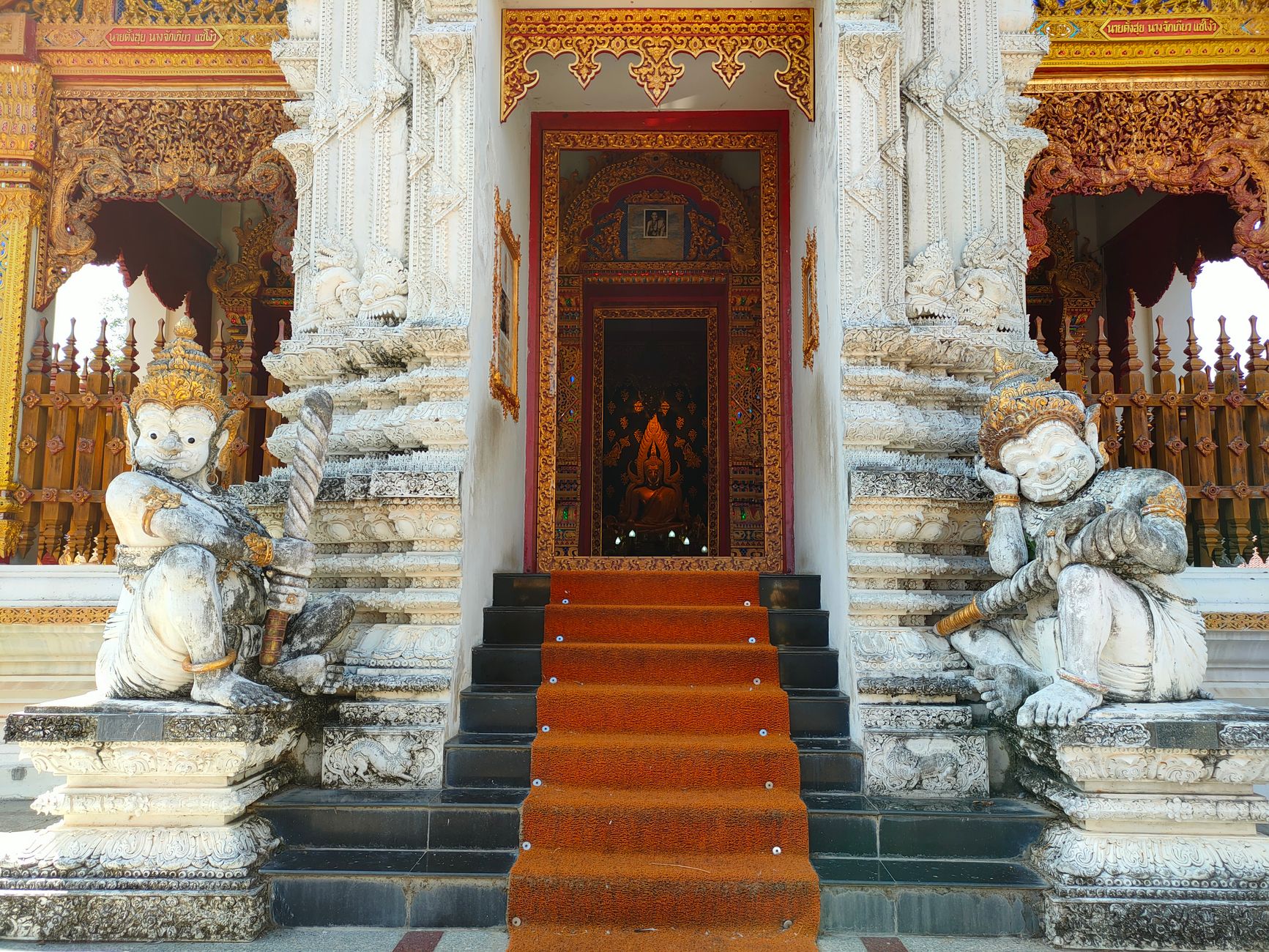
Climb the nagas to Wat Phra That Cho Hae to see the gold-leaf stupa, or study the Burmese-style carved teak eaves at Wat Chom Sawan.
Historic Homes in Phrae Phrae Thailand
Tour Khum Vongburi and the 1892 Khum Chao Luang residence to inspect gingerbread woodwork, teak foundation logs, and old provincial jails.
Noodle Culture in Phrae Phrae Thailand
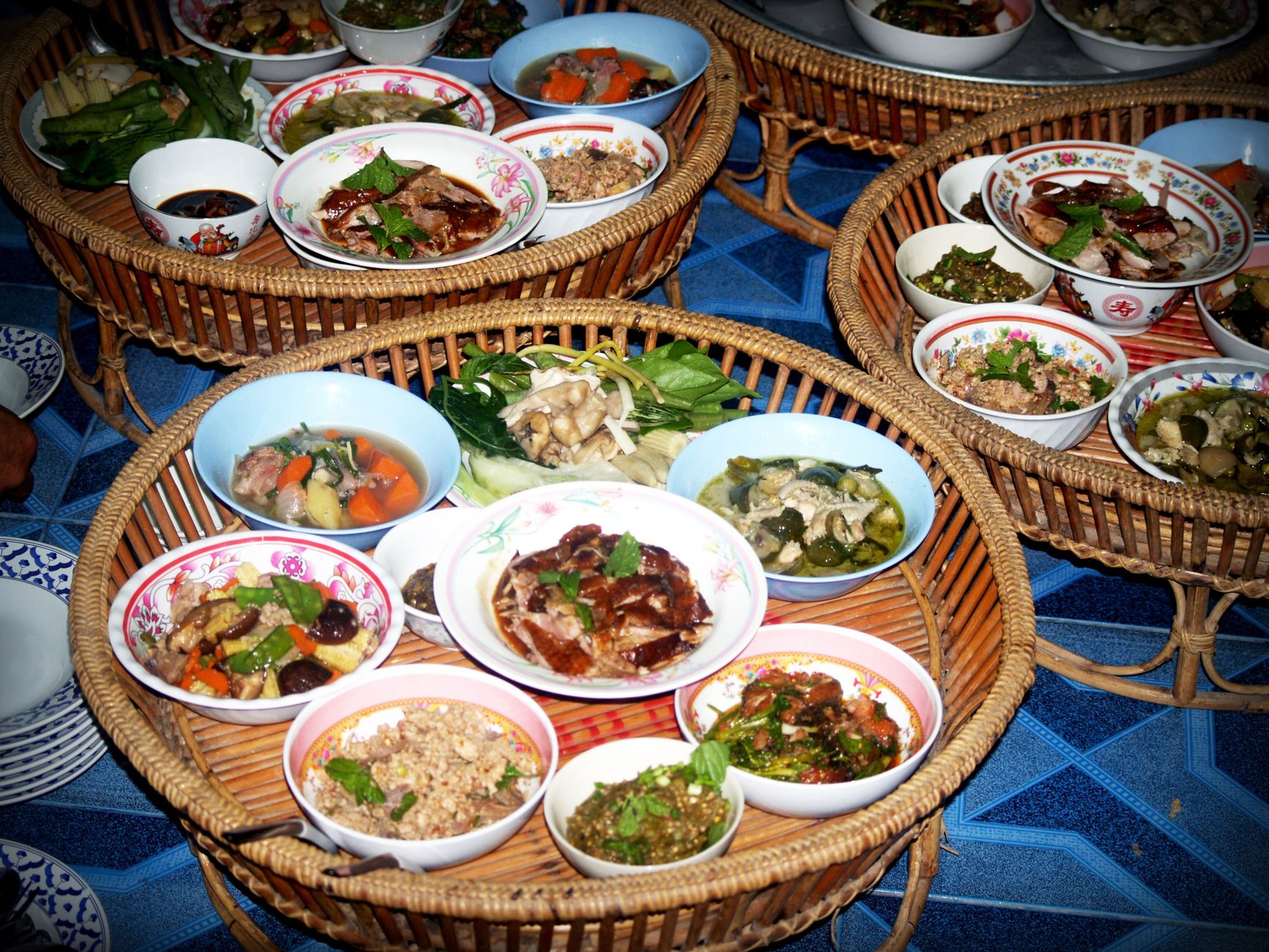
Order bowls of kanom jeen nam ngiao ladled over fermented rice noodles with pork ribs, dried red cotton flowers, and pickled greens.
Markets & Produce in Phrae Phrae Thailand
Navigate Phrae Night Market on Charoen Mueang Road for grilled sour sai krok pork sausages, sticky rice, and fresh wild honey combs.
Regional History in Phrae Phrae Thailand
Trace the 1902 Shan rebellion and the British logging trade along Kham Lue Road and the preserved moat and earthen ramparts.
Day Trips in Phrae Phrae Thailand
Drive twenty minutes north to Phae Mueang Phi forest park to walk through wind-carved sandstone pillars and red earth gullies.
Street Food in Phrae Phrae Thailand
Pull up a plastic stool near the old city gate for charcoal-grilled pork satay, khao soi soup with egg noodles, and crispy fried pig skin.
Rural Life in Phrae Phrae Thailand
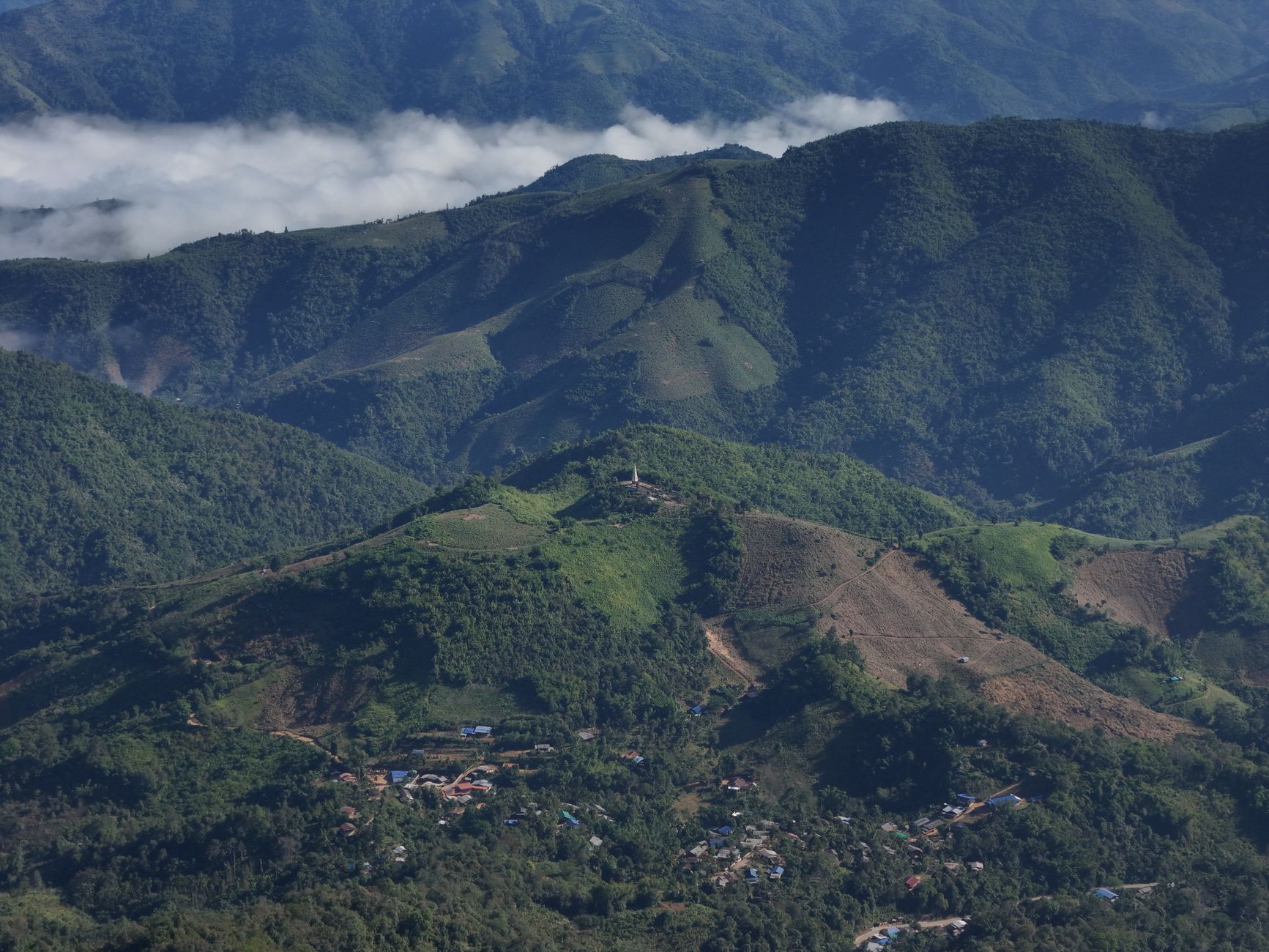
Follow secondary roads through Long district along the Yom River to see traditional tobacco curing barns and organic rice paddies.
Coffee Culture in Phrae Phrae Thailand
Sample Arabica beans grown in the Phrae highlands, roasted locally and brewed beside teak wood balconies overlooking the quiet moat.
Textile Weaving in Phrae Phrae Thailand
Visit Tin Chok weaving communities in Long district where women hand-loom intricate geometric Lanna sarongs from silk and cotton.
Cycling Routes in Phrae Phrae Thailand
Pedal flat, shaded residential lanes between Khum Chao Luang and Wat Luang, crossing timber footbridges over the ancient city moat.