


Phrae sits two hours south of Nan and four hours east of Chiang Mai by road, or a short songthaew ride from the Den Chai railway stop. The provincial capital is known for its nineteenth-century teak mansions, built during the northern logging boom, and deep blue mo hom indigo textiles. Life runs on a quiet, domestic schedule along the old moat. Phrae is worth visiting if you want to explore Lanna wooden architecture and craft villages on a bicycle without fighting tour groups for pavement space. Look elsewhere if you want lively nightlife, luxury resorts, late-night dining, or English-language tourist services.
Last updated 11 Sept 2026
Build a Phrae itinerary.
Choose up to 4 threads that pull you in. Your plan arrives organised around them.
The Bed
Where to stay in Phrae
Which part of town to book, and what each one costs you in walking, noise or quiet.
The Comparison
Phrae, or somewhere near it
The places you are realistically choosing between, and the honest case for each.
The Local Record
Where to read more about Phrae
The blogs, boards, guides and operators worth bookmarking.
What to do in Phrae Phrae Thailand
Phrae sits inside an oval rampart flanked by the Yom River, with life unfolding at a calm, unhurried pace. Mornings start early at the temple gates and market stalls before the midday heat settles over the teak estates. After four in the afternoon, the town drifts outdoors toward streetside noodle stands and the old moat. It rewards travellers who prefer slow exploration on foot or by bicycle over rigid itineraries and checklist sightseeing.
24 hours in Phrae Phrae Thailand
Rent a bicycle to tour Khum Chao Luang and the pink fretwork of Khum Vongburi before noon. For lunch, order khanom jeen nam yoi along Charoen Mueang Road. Spend the afternoon in the teak shade at Wat Chom Sawan, then finish with grilled sausages and sticky rice at the Kad Sam Wai evening stalls beside the municipal grounds. Select 1 Day above to see it.
2 days in Phrae Phrae Thailand
Day two takes you four kilometres north to Ban Thung Hong, where indigo vats line the main street and fabric hangs out to dry. Try your hand at cold-dyeing cotton, then drive up to the gilded chedi of Wat Phra That Cho Hae. Dine on kaeng khae and spicy minced pork laap at a quiet open-air garden restaurant along the riverbank. Choose 2 Days to expand the plan.
3 days in Phrae Phrae Thailand
A third morning allows an excursion to the sandstone formations of Phae Mueang Phi before temperatures climb. Head south through Sung Men to watch woodworkers turn teak offcuts into furniture, then stop at Den Chai railway station for a bowl of dry egg noodles before boarding an evening train north toward Chiang Mai or south to Bangkok.
Phrae Phrae Thailand itineraries by interest
Vernacular Architecture in Phrae Phrae Thailand
Khum Vongburi and Ban Pratubjai showcase gingerbread fretwork and massive teak pillars from the late nineteenth-century logging era.
Textile Crafts in Phrae Phrae Thailand
Ban Thung Hong village specializes in mo hom, northern Thailand's plant-dyed indigo cotton garments steeped in earthen fermentation vats.
Sacred Architecture in Phrae Phrae Thailand
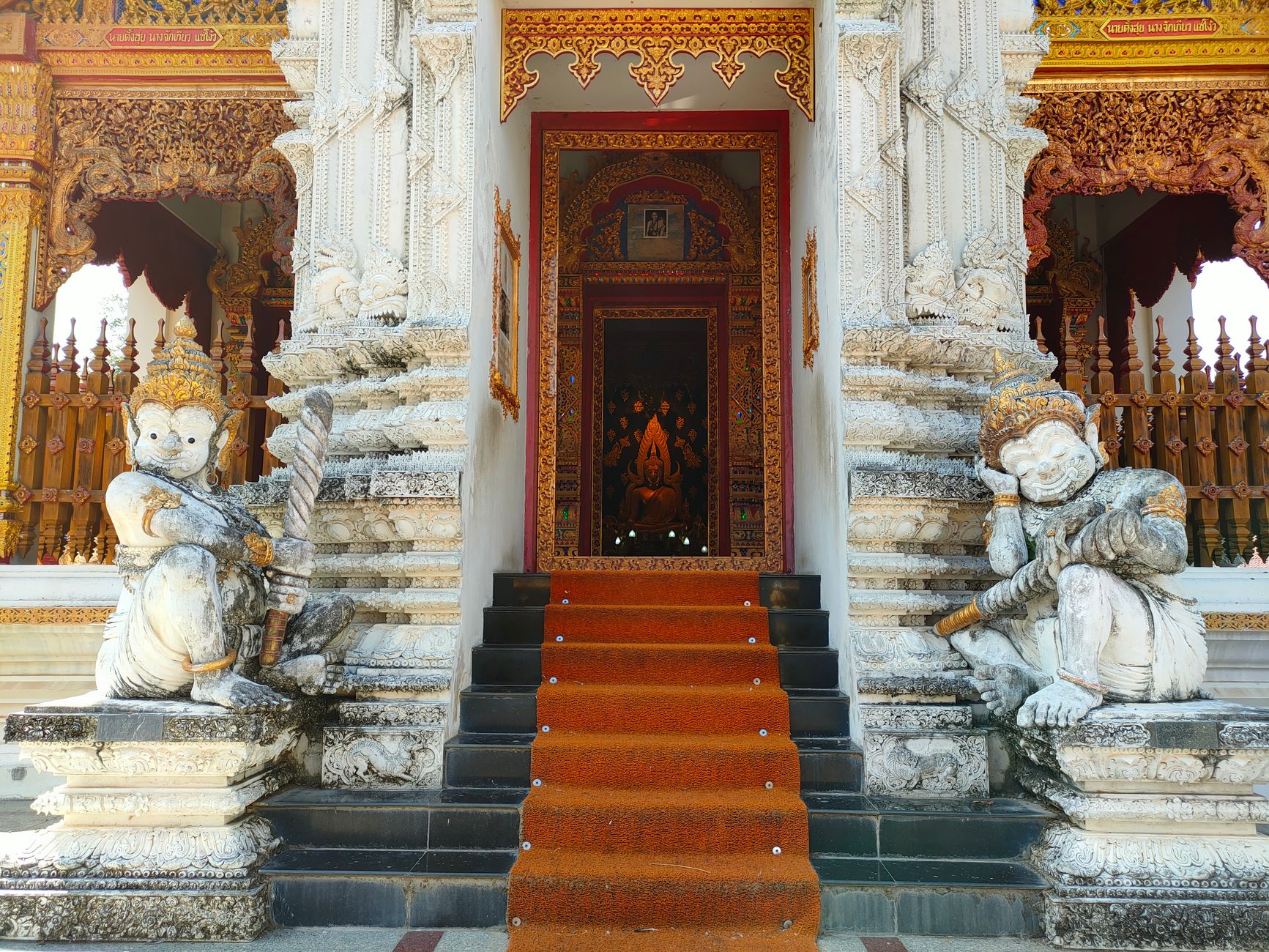
Wat Chom Sawan features Burmese multi-tiered teak roofs, while Wat Phra That Cho Hae holds a gilded fourteenth-century hillside stupa.
Noodle Traditions in Phrae Phrae Thailand
Phrae is famous for khanom jeen nam yoi, fermented rice noodles tossed fresh with dry chilli relish, crispy shallots, and boiled pork blood.
Local Markets in Phrae Phrae Thailand
Kad Kong Kao morning market runs along the earthen city wall, selling grilled sai ua sausage, sticky rice in banana leaf, and fresh herbs.
Coffee & Cafes in Phrae Phrae Thailand
Independent roasters occupy restored shophouses along Charoen Mueang Road, brewing Arabica beans grown in the neighbouring Phrae hills.
Geological Formations in Phrae Phrae Thailand
Phae Mueang Phi Forest Park features red sandstone pillars and eroded cliff gullies created by centuries of natural water runoff.
Museums & History in Phrae Phrae Thailand
Khum Chao Luang preserves the former residence of Phrae's last ruler, complete with period European furnishings and a subterranean jail.
Night Markets in Phrae Phrae Thailand
Kad Sam Wai night market sets up outside the municipal hall, serving bowls of khao soi, pork skewers, and coconut puddings from 17:00.
Cycling in Phrae Phrae Thailand
Flat, shaded lanes within the old city ramparts make for easy pedalling between teak compounds, temple cloisters, and riverside cafes.
Day Trips in Phrae Phrae Thailand
Den Chai and Sung Men districts offer woodcarving workshops, quiet railway stations, and hillside forest temples thirty minutes south.
Regional Soups in Phrae Phrae Thailand
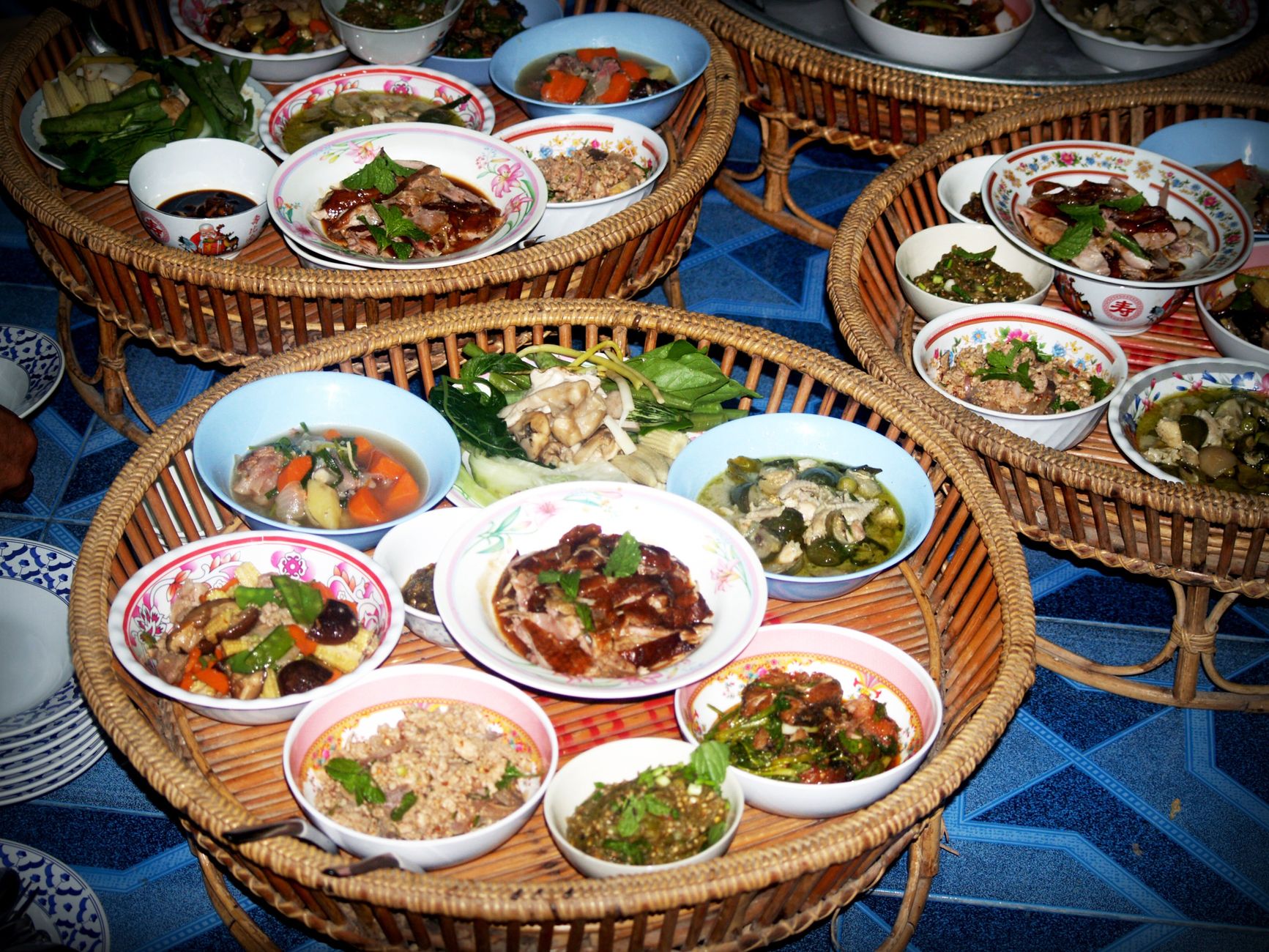
Kaeng khae, an aromatic northern herb stew simmered with local wild greens and grilled chicken, anchors traditional family dinners.