

Phrae sits two hours southeast of Chiang Mai by road and forty minutes from Den Chai railway junction. The town is known across Thailand for its nineteenth-century teak trade mansions and natural indigo textile workshops. Phrae is worth visiting if you want uncrowded northern temple compounds, teak architecture, and regional food without tourist markups. Look elsewhere if you need late-night drinking streets, fast-paced transport, or English-language tour infrastructure.
Last updated 31 Oct 2026
Build a Phrae itinerary.
Choose up to 4 threads that pull you in. Your plan arrives organised around them.
The Bed
Where to stay in Phrae
Which part of town to book, and what each one costs you in walking, noise or quiet.
The Comparison
Phrae, or somewhere near it
The places you are realistically choosing between, and the honest case for each.
The Local Record
Where to read more about Phrae
The blogs, boards, guides and operators worth bookmarking.
What to do in Phrae Phrae Thailand
Phrae revolves around a compact oval moat containing quiet residential lanes, centuries-old teak estates, and functioning monastery yards. Life moves at a bicycle pace. Mornings start with steaming bowls of pork noodle soup on Charoen Mueang Road, afternoons belong to shaded museum verandas, and evenings gather at the moat-side food stalls. It suits independent travellers who prefer quiet exploration to package itineraries.
24 hours in Phrae Phrae Thailand
Start early at Khum Chao Luang before the heat sets in, then rent a bicycle to loop the old town walls. Have a lunch of khanom jeen nam ngiao on Kham Lue Road. Spend the afternoon browsing indigo shirts in nearby Thung Hong, and finish with sai ua sausage at the Kad Sam Wai evening market. Select 1 Day above to see it.
2 days in Phrae Phrae Thailand
Head east on your second morning to Wat Phra That Cho Hae, climbing the hill for temple views over the valley. Spend the afternoon wandering the eroded red clay canyons of Phae Mueang Phi, then return for a dinner of khao soi and grilled river fish at a family-run wooden shophouse along the Yom River. Choose 2 Days to expand the plan.
3 days in Phrae Phrae Thailand
A third day allows an unhurried drive south to Den Chai and Sung Men to watch woodcarvers salvage old teak, or north into Song district for quiet orchards and ancient Mon ruins. It also gives you time to sit with coffee roasters on Charoen Mueang Road without watching the clock.
Phrae Phrae Thailand itineraries by interest
Teak Architecture in Phrae Phrae Thailand
Tour the gingerbread fretwork at Khum Vongburi and the 1892 residence of Phrae’s last ruler at Khum Chao Luang inside the old city walls.
Textile Crafts in Phrae Phrae Thailand
Watch vats of fermented Strobilanthes cusia dye cotton shirts in Thung Hong village, three kilometres northeast along Route 101.
Regional Noodles in Phrae Phrae Thailand
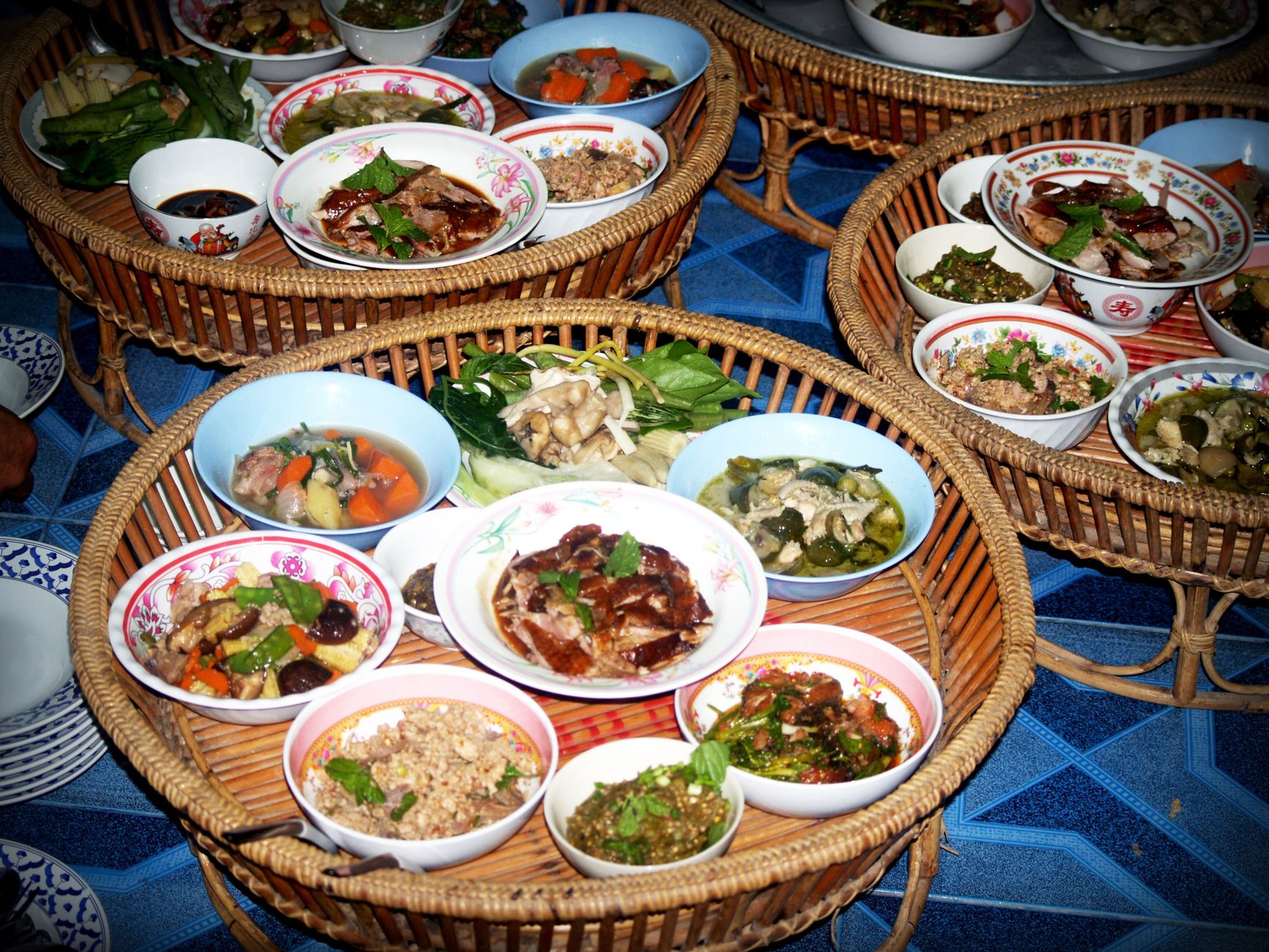
Slurp khanom jeen nam ngiao, fermented rice noodles in pork-and-tomato broth with dried red cotton flowers, along Kham Lue Road.
Sacred Architecture in Phrae Phrae Thailand
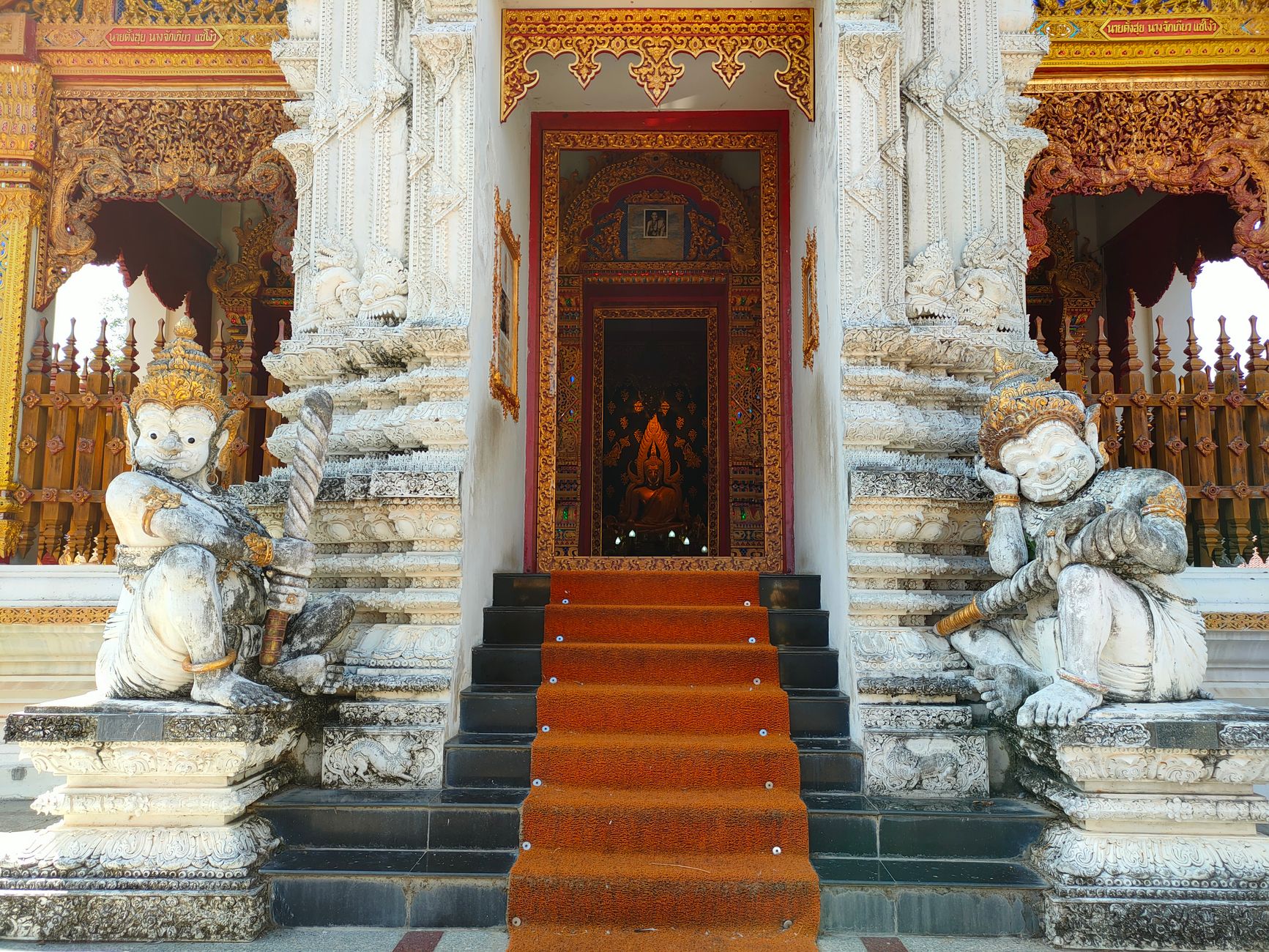
Visit Wat Phra Non for its reclining Buddha and Wat Phra That Cho Hae, a hillside stupa wrapped in orange cloth four miles east.
Night Markets in Phrae Phrae Thailand
Grazing stalls at Kad Sam Wai dish out sai ua pork sausages, sour fermented ribs, and sticky rice alongside the old municipal moat.
Woodworking in Phrae Phrae Thailand
Wander Ban Hua Dong workshops where local carpenters turn salvaged teak timber into furniture, bowls, and lattice panels.
Geological Formations in Phrae Phrae Thailand
Walk the wind-eroded sandstone pillars and red earth gullies at Phae Mueang Phi Forest Park, eight miles northeast of town.
Coffee Culture in Phrae Phrae Thailand
Sip Arabica grown in the Luang Prabang Range at quiet cafes converted from shuttered mid-century merchant shophouses on Charoen Mueang.
Forest Temples in Phrae Phrae Thailand
Climb the teak staircase to Wat Phra That Suthon Mongkhon Khiri in Den Chai for sweeping valley views and Lanna wood reliefs.
Historical Museums in Phrae Phrae Thailand
Explore Seri Thai Museum behind Paradorn Hotel, detailing World War II underground resistance fighters across northern Siam.
Morning Produce in Phrae Phrae Thailand
Navigate Municipal Market early for roasted green-chilli nam phrik num, wild mushrooms, and steaming bags of fresh soy milk.
River Valleys in Phrae Phrae Thailand
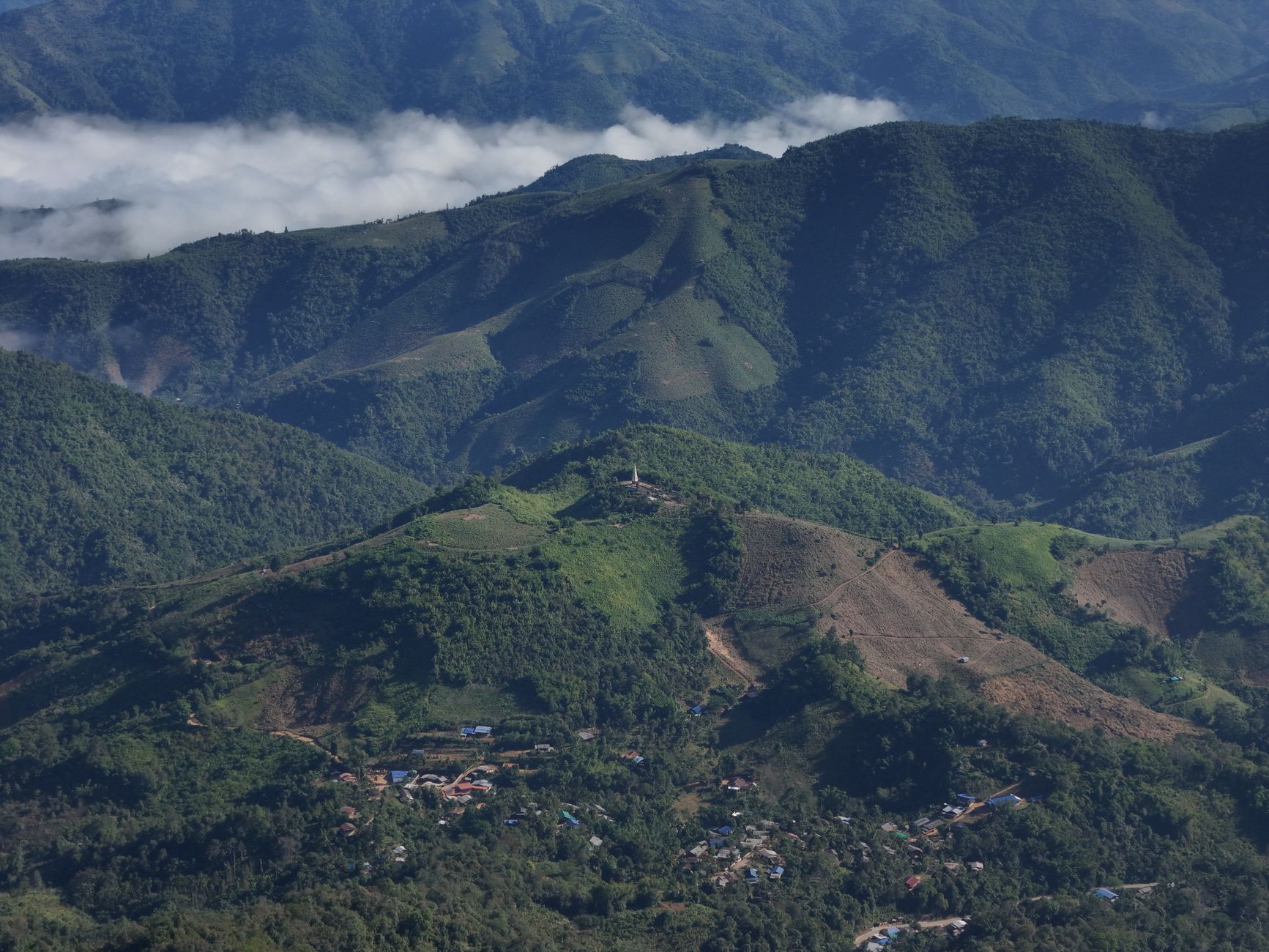
Drive along the Yom River basin into Song district to find quiet riverside noodle shacks and the ancient Mon temple at Wat Phra That Nong Chan.