

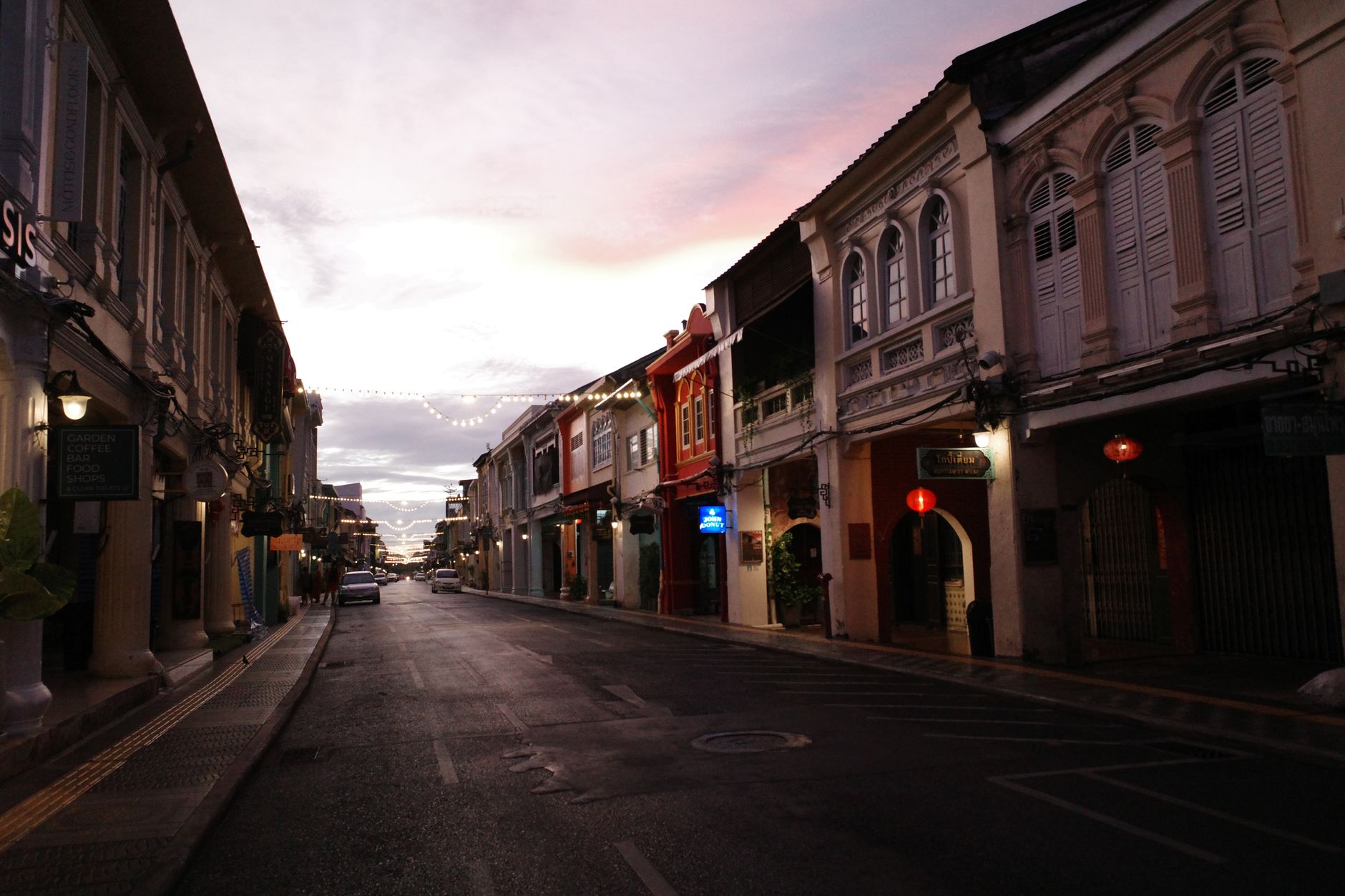


Sitting 32 kilometres south of Phuket Airport, a forty-five-minute taxi ride, Phuket Old Town is the island's historic core, built on nineteenth-century tin wealth and Baba-Nyonya heritage. The compact grid holds pastel Sino-Portuguese shophouses, shrines, and morning markets. Phuket Old Town is worth visiting if you want to explore Peranakan culture and eat slow-braised moo hong and Hokkien noodles. Look elsewhere if you want direct beach access, resort pools, or open-air seaside nightclubs.
Last updated 3 Nov 2026
Build a Phuket Old Town itinerary.
Choose up to 4 threads that pull you in. Your plan arrives organised around them.
The Bed
Where to stay in Phuket Old Town
Which part of town to book, and what each one costs you in walking, noise or quiet.
The Comparison
Phuket Old Town, or somewhere near it
The places you are realistically choosing between, and the honest case for each.
The Local Record
Where to read more about Phuket Old Town
The blogs, boards, guides and operators worth bookmarking.
What to do in Phuket Old Town Phuket Thailand
The town unfolds across five main parallel streets, anchored by Thalang and Dibuk Roads. Daily rhythm starts early at the Ranong Road markets before the midday heat pushes walkers into coffee shops and cool museum hallways. It suits travellers who prefer walking flat urban blocks, studying regional heritage, and eating three distinct regional meals a day rather than sitting on a beach towel.
24 hours in Phuket Old Town Phuket Thailand
Start at seven with kopi and soft eggs on Phang Nga Road, then tour Thai Hua Museum before the noon heat. For lunch, order dry Hokkien noodles at Mee Ton Poe. Walk Soi Rommanee as the sun lowers, visiting the Shrine of the Serene Light, and finish with peppery moo hong pork belly on Krabi Road. Select 1 Day above to see it.
2 days in Phuket Old Town Phuket Thailand
Spend day two around Dibuk Road admiring grand manor compounds and browsing batik textiles. Head south to the Downtown Market on Ranong Road for afternoon snacks like oh aew jelly, then dine on fiery gaeng som fish curry and stir-fried crab meat along Yaowarat Road. Choose 2 Days to expand the plan.
3 days in Phuket Old Town Phuket Thailand
On day three, catch an early morning blue songthaew from Ranong Road out to Rawai pier for grilled fish straight off the longtail boats, or head east across the bridge to Koh Sirey to visit the quiet sea gypsy village and its hillside temple overlooking the bay.
Phuket Old Town Phuket Thailand itineraries by interest
Street Food in Phuket Old Town Phuket Thailand
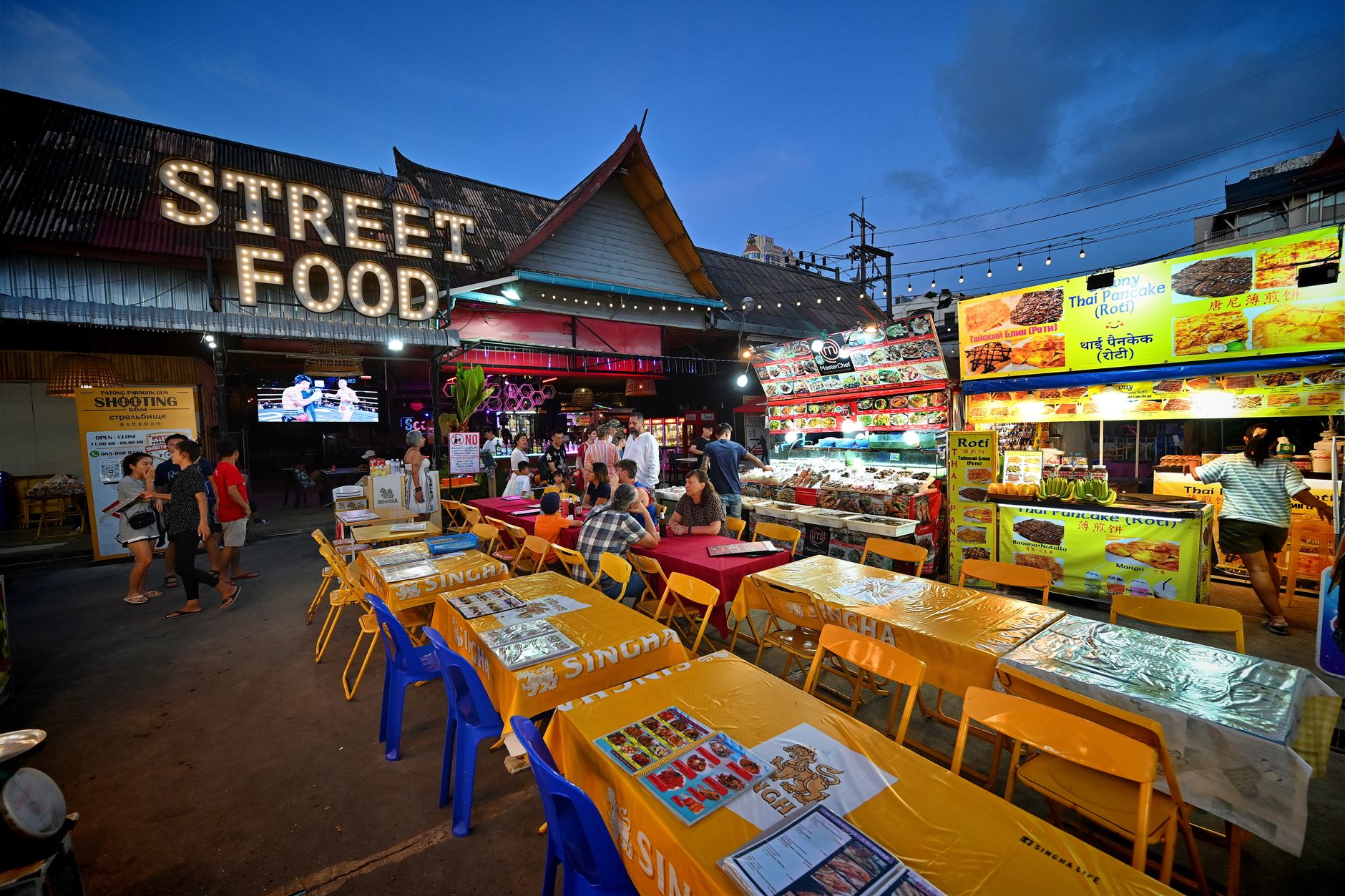
Eat stir-fried mee hokkien noodles at Mee Ton Poe and crispy roti with spicy massaman beef curry on Thalang Road.
Local Architecture in Phuket Old Town Phuket Thailand
Walk Soi Rommanee and Krabi Road to inspect nineteenth-century Sino-Portuguese shophouses with five-foot covered arcades.
Markets & Produce in Phuket Old Town Phuket Thailand
Browse fresh galangal, stink beans, and morning curries at the Downtown Market on Ranong Road before seven in the morning.
Regional History in Phuket Old Town Phuket Thailand
Explore the Thai Hua Museum on Krabi Road for exhibits on tin mining, Hokkien migration, and Baba-Nyonya language.
Sacred Architecture in Phuket Old Town Phuket Thailand
Visit Jui Tui Shrine and the Shrine of the Serene Light for carved teak pillars, smoke-blackened rafters, and taoist altars.
Historic Mansions in Phuket Old Town Phuket Thailand
Tour Chinpracha House on Krabi Road to see vintage Italian floor tiles, mother-of-pearl furniture, and open inner courtyards.
Coffee & Cafes in Phuket Old Town Phuket Thailand
Drink strong kopi at century-old kopitiam counters on Phang Nga Road alongside steamed kaya toast and soft-boiled eggs.
Local Seafood in Phuket Old Town Phuket Thailand
Order sour turmeric curry with sea bass and gaeng som with crab meat in long-running family dining rooms along Yaowarat Road.
Desserts & Sweets in Phuket Old Town Phuket Thailand
Cool off with bowls of oh aew, a local shaved ice dessert made from bruised jelly seeds, red beans, and sweet grass jelly.
Craft Traditions in Phuket Old Town Phuket Thailand
Find batik textile makers, hand-printed fabrics, and traditional Peranakan beaded slippers in modest workshops on Dibuk Road.
Neighbourhood Walks in Phuket Old Town Phuket Thailand
Stroll along Phang Nga, Dibuk, and Thalang Roads early in the morning when delivery trucks unload and shop shutters rattle open.
Day Trips in Phuket Old Town Phuket Thailand
Take a local blue songthaew south from Ranong Road to the fishing port at Rawai or east to the quiet shores of Koh Sirey.