



West of the Huangpu River, forty minutes by metro from Hongqiao Railway Station, Puxi holds Shanghai's historic core, from 1920s Bund banking halls to plane-tree lanes. It remains deeply pedestrian, built around street-level markets and neighbourhood parks. Puxi is worth visiting if you want to explore old shikumen alleys, eat shengjianbao hot off the cast iron, and study twentieth-century architecture on foot. Look elsewhere if you want futuristic skyscraper grids, brand-new suburbs, or quiet rural retreats.
Last updated 21 Oct 2026
Build a Puxi itinerary.
Choose up to 4 threads that pull you in. Your plan arrives organised around them.
The Bed
Where to stay in Puxi
Which part of town to book, and what each one costs you in walking, noise or quiet.
The Comparison
Puxi, or somewhere near it
The places you are realistically choosing between, and the honest case for each.
The Local Record
Where to read more about Puxi
The blogs, boards, guides and operators worth bookmarking.
What to do in Puxi Shanghai China
Puxi is Shanghai at street level, organized along dense avenues of plane trees, historic concessions, and riverside docks. Days naturally revolve around neighborhood walks, shifting from morning soup dumpling shops to afternoon coffee in quiet lane houses and twilight walks along the Bund. It suits independent walkers, architecture buffs, and curious eaters who value human scale and distinct local character over high-rise malls.
24 hours in Puxi Shanghai China
Start with breakfast shengjianbao near People's Square, then study the Ming ceramics in the Shanghai Museum. Walk south down Fuxing Middle Road into the Former French Concession for an afternoon of lane-house wandering. Finish with braised pork belly near Julu Road before an evening walk along the illuminated Bund, thirty minutes on foot to the river. Select 1 Day above to see it.
2 days in Puxi Shanghai China
A second day takes you west along Jing'an Temple and into the converted industrial docks of the West Bund. Spend the morning viewing contemporary installations at Tank Shanghai, eat a lunch of scallion oil noodles near Luban Road, and spend the afternoon browsing leafy Anfu Road boutiques and side alleys before dining on river eel in Huangpu. Choose 2 Days to expand the plan.
3 days in Puxi Shanghai China
Three days allows an unhurried morning at the classical Yu Garden followed by a slow metro trip out to the ancient canal town of Qibao on Puxi's western edge. Return to central Puxi to spend your final evening exploring the backstreet tea shops of Changle Road and listening to evening musicians in Fuxing Park without checking a watch.
Puxi Shanghai China itineraries by interest
Street Food in Puxi Shanghai China
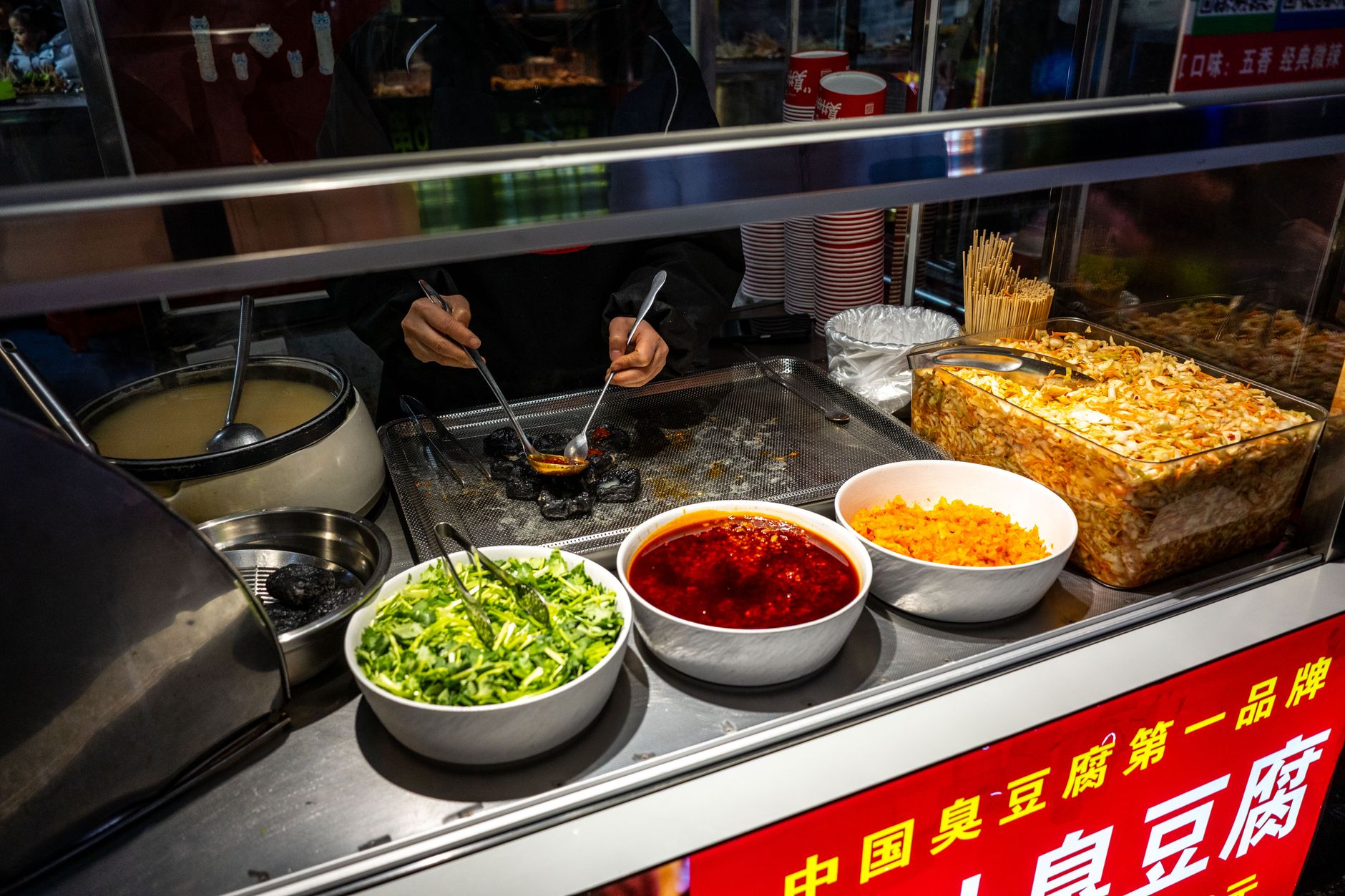
Watch cooks swirl scallion pancakes on blistering iron drums or bite into shengjianbao and xiaolongbao along Wujiang Road and Yunnan South Road.
Colonial Architecture in Puxi Shanghai China
Walk the Bund and the Former French Concession to inspect 1920s neoclassical banks, Art Deco apartment blocks, and tree-lined garden villas.
Historic Alleys in Puxi Shanghai China
Wander through brick shikumen lane houses in Xintiandi and Tianzifang, where laundry hangs on bamboo poles above narrow communal corridors.
Contemporary Art in Puxi Shanghai China
Browse repurposed riverside industrial warehouses at the West Bund Cultural Corridor, including the Long Museum and Tank Shanghai.
City Parks in Puxi Shanghai China
Join locals doing morning tai chi, playing ballroom waltzes, and comparing matchmaker resumes in Fuxing Park and People's Park.
Regional Cuisine in Puxi Shanghai China
Order braised pork belly (hongshao rou), hairy crab, and eel noodles at classic Benbang dining rooms along Fuzhou Road and Julu Road.
Sacred Architecture in Puxi Shanghai China
Burn incense at Jing'an Temple or explore the carved wooden halls and quiet courtyards of the seventeenth-century Jade Buddha Temple.
Markets & Produce in Puxi Shanghai China
Browse seasonal river greens, live carp, winter bamboo shoots, and dried cured ham across wet markets in the Huangpu and Jing'an districts.
Tea Culture in Puxi Shanghai China
Sample Longjing green tea, aged pu-erh, and rock oolongs served in gaiwans at historic tea houses around Tianshan Tea City and Yuyuan.
Performing Arts in Puxi Shanghai China
Catch Shanghai Kunqu Opera performances at the Grand Theatre or historic acrobatics at the 1920s Lyceum Theatre on Changle Road.
Museums & Antiquities in Puxi Shanghai China
Study ancient bronzes, Ming dynasty furniture, and fine calligraphy inside the circular halls of the Shanghai Museum on People's Square.
Night Walks in Puxi Shanghai China
Follow the Huangpu River promenade along the Bund after sunset, when 1920s granite facades light up gold across from the river traffic.
Planning a visit to Puxi
Is Puxi one neighbourhood or a separate city?
Here Puxi refers to Shanghai's urban area west of the Huangpu River, not a standalone town with one visitor centre. The place record matches Shanghai's coordinates. Break a visit into specific neighbourhoods and addresses rather than assuming everything on the Puxi side is walkable from one stop; the riverbank and inland districts offer different experiences.
GeoNamesWhere can you begin a Puxi waterfront walk?
Shanghai's official tourism site describes the Bund along East Zhongshan No. 1 Road, from East Yan'an Road to Waibaidu Bridge. This gives a defined riverfront walk and a useful starting point for looking across the Huangpu. Plan inland stops separately and check their addresses rather than treating the Bund as the whole of Puxi.
Official Shanghai travel website