


Ranong sits on the upper Andaman coast, roughly a five-hour drive north of Phuket or a 90-minute flight from Bangkok. The province is known for public mineral hot springs, dense mangrove reserves, and its wet tropical climate. Ranong is worth visiting if you want mineral baths, fiery southern curries, and quiet ferry crossings to untamed islands. Look elsewhere if you require upscale resort nightlife, dry summer weather, or compact walkable city blocks.
Last updated 16 Oct 2026
Build a Ranong itinerary.
Choose up to 4 threads that pull you in. Your plan arrives organised around them.
The Bed
Where to stay in Ranong
Which part of town to book, and what each one costs you in walking, noise or quiet.
The Comparison
Ranong, or somewhere near it
The places you are realistically choosing between, and the honest case for each.
The Local Record
Where to read more about Ranong
The blogs, boards, guides and operators worth bookmarking.
What to do in Ranong Ranong Thailand
Ranong stretches between jungle-clad mountains and the Pak Chan estuary, offering an unhurried, practical rhythm. Mornings begin at steaming mineral pools or busy market stalls, afternoons slow down during coastal rain showers, and evenings belong to seafood joints along the pier. It suits independent travellers who appreciate unpretentious Southern Thai cooking, thermal baths, and easy ferry access to sleepy islands.
24 hours in Ranong Ranong Thailand
Start early with a soak in the mineral tubs at Raksawarin Park before the day warms up. Grab a bowl of pork congee on Ruangrat Road, then hire a songthaew out to the boardwalks of Ngao Mangrove Forest. Finish with sour fish curry and tamarind prawns at Pak Nam pier as fishing boats return at sunset. Select 1 Day above to see it.
2 days in Ranong Ranong Thailand
Dedicate your second day to the coast. Ride a morning songthaew to the pier and board a ferry to Koh Phayam. Rent a scooter to explore cashew groves, swim at Ao Khao Kwai, and eat whole fried fish at a beach shack before catching the afternoon boat back to the mainland for night market satay. Choose 2 Days to expand the plan.
3 days in Ranong Ranong Thailand
With three days, slow down. Climb the bald grassy slopes of Phu Khao Ya, visit the Burmese-style chedi at Wat Suwan Khiri, and take a longtail boat ride across the river to Kawthaung for an afternoon bowl of Shan noodles before returning for one last evening soak at Pornrang hot springs.
Ranong Ranong Thailand itineraries by interest
Thermal Springs in Ranong Ranong Thailand
Soak in the public mineral pools at Raksawarin Park or the quieter tubs at Pornrang, where natural 65-degree spring water feeds shaded stone baths.
Island Hopping in Ranong Ranong Thailand
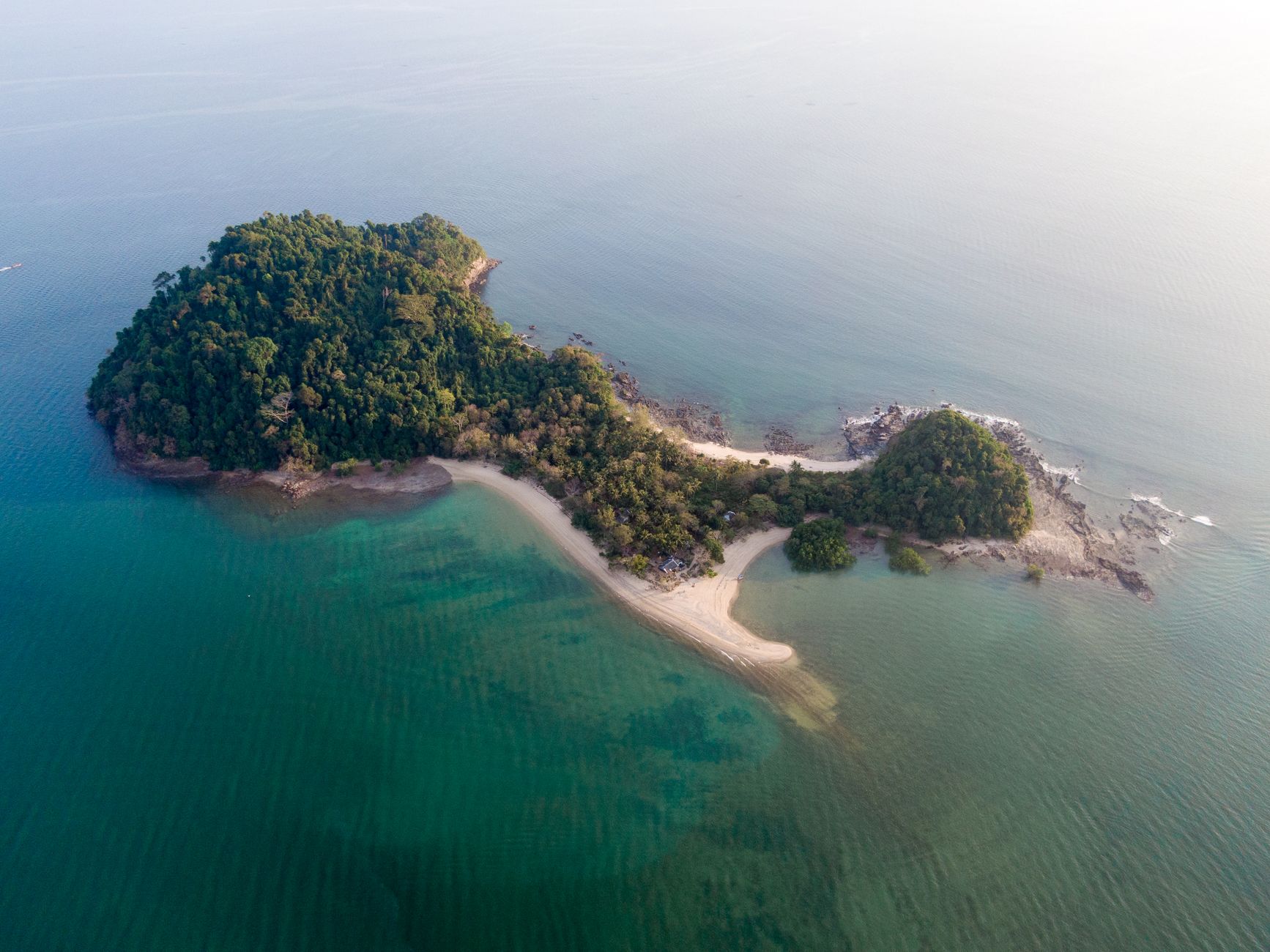
Take a longtail from Pak Nam pier out to Koh Phayam or Koh Chang for cashew orchards, quiet bays like Ao Yai, and dirt paths without cars.
Local Seafood in Ranong Ranong Thailand
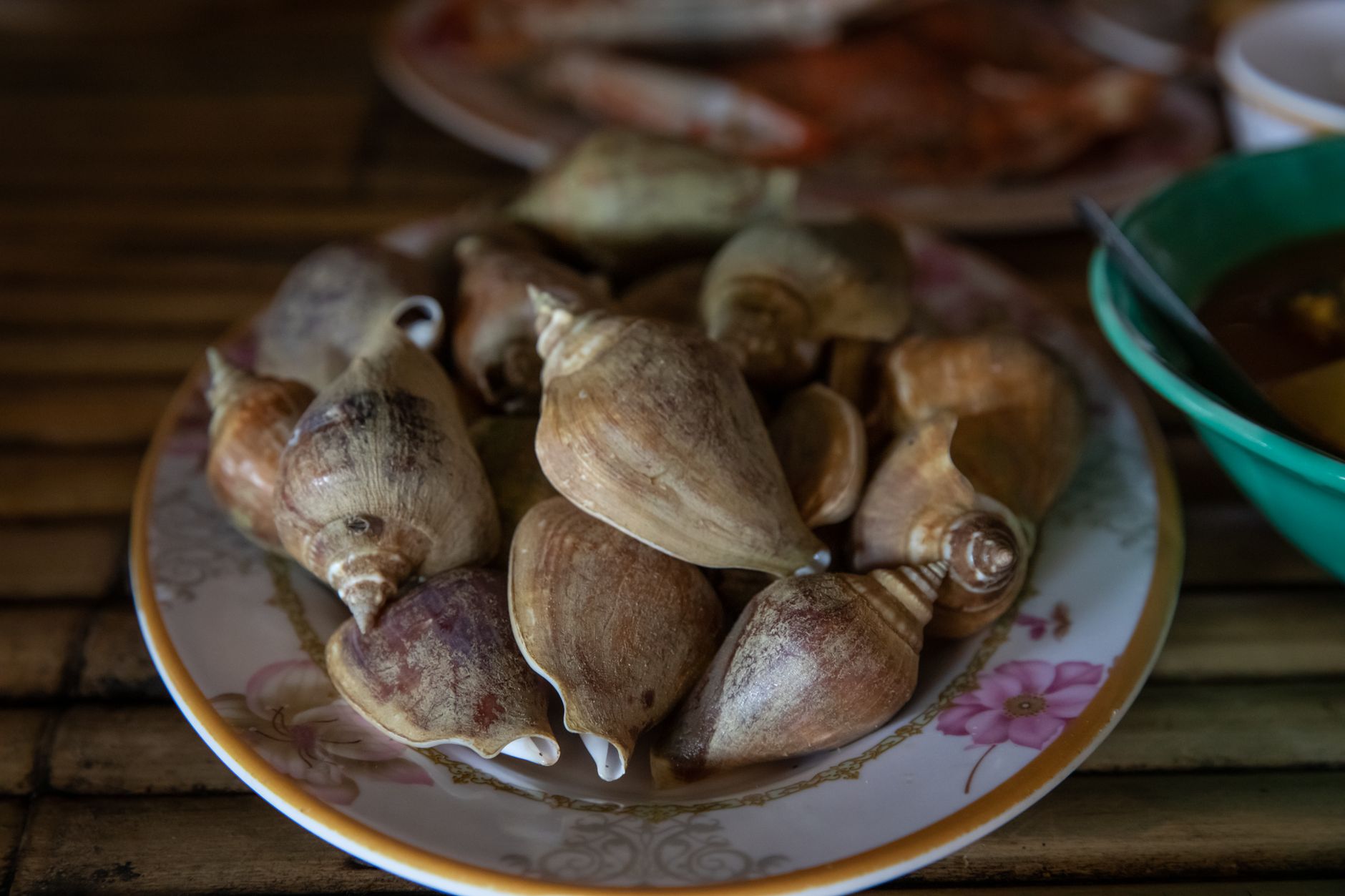
Eat sweet blue swimming crab, steamed sea bass with lime, and sour yellow curry with fish roe at open-air tables along the estuary at Matsoe.
Mangrove Forests in Ranong Ranong Thailand
Walk the elevated wooden boardwalks through the Ngao Mangrove Forest Research Centre, a biosphere reserve rich in mudskippers and fiddler crabs.
Tin Heritage in Ranong Ranong Thailand
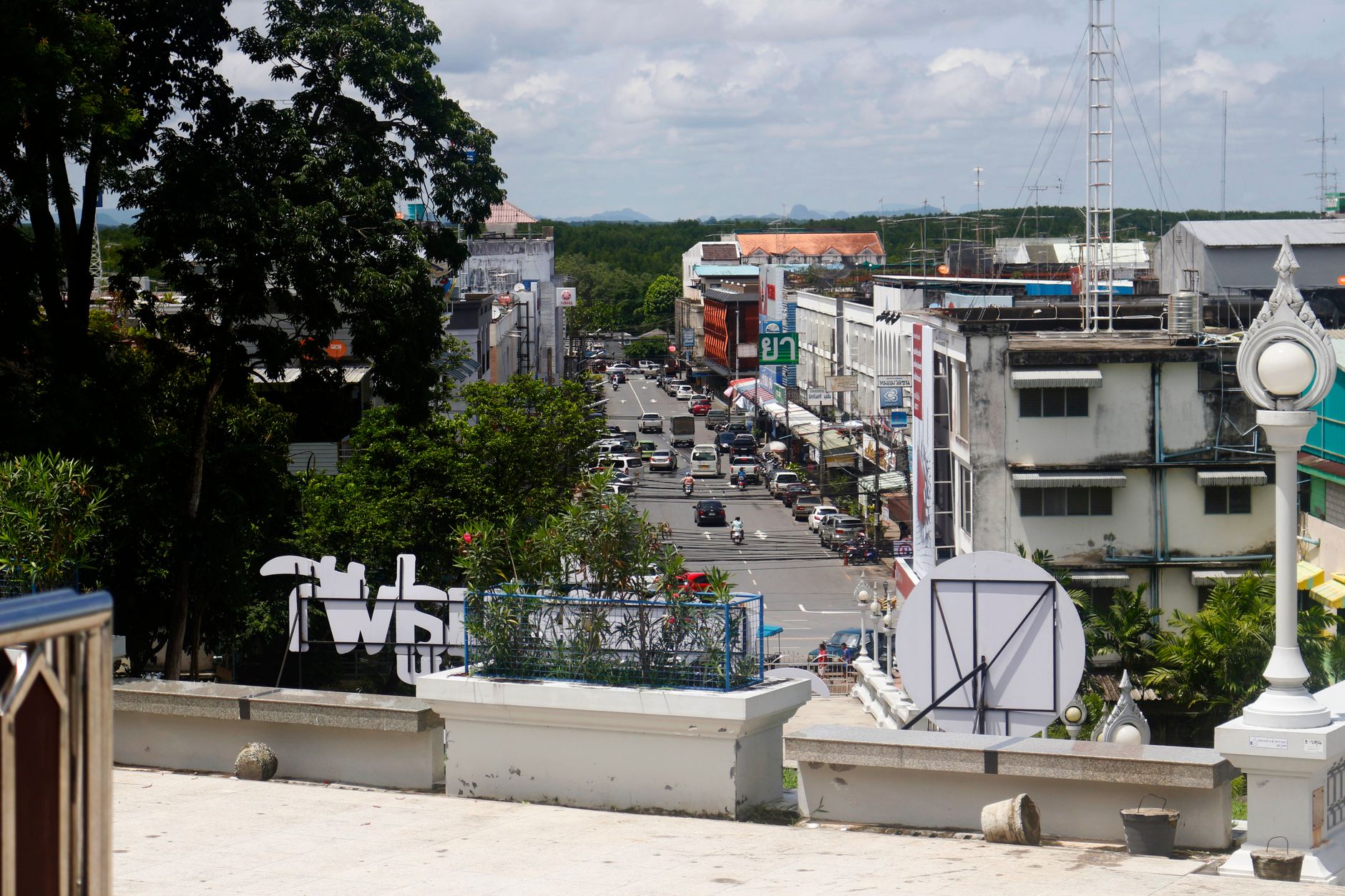
Explore the 19th-century governor house of Phraya Damrongsucharit Mahison and Chinese shrine architecture along Ruangrat Road in the old quarter.
Southern Curries in Ranong Ranong Thailand
Order fiery gaeng tai pla, stink beans stir-fried with shrimp paste, and turmeric-fried sandfish at local rice-and-curry shacks on Tha Muang Road.
Border Crossings in Ranong Ranong Thailand
Catch a longtail boat across the Kraburi River estuary from Saphan Pla pier to Kawthaung for Shan noodles and views over the Myanmar coastline.
Morning Markets in Ranong Ranong Thailand
Browse stalls at Ranong Municipal Market at dawn for fresh roti canai, grilled coconut sticky rice, dried shrimp, and mountain-grown Robusta coffee.
Waterfalls in Ranong Ranong Thailand
Visit Namtok Ngao National Park to see the 300-metre waterfall cascade down granite cliffs, home to rare endemic purple river crabs.
Hill Walks in Ranong Ranong Thailand
Walk the grassy ridgelines of Phu Khao Ya, a bald hill with sweeping mountain views that turns lush green in rainy season and gold in dry months.
Sacred Architecture in Ranong Ranong Thailand
Visit Wat Suwan Khiri for its Burmese-style standing Buddha and gold pagoda, reflecting the town's historical cross-border maritime connections.
Coffee Culture in Ranong Ranong Thailand
Sample dark-roasted local Robusta brewed in cloth filters at old wooden shophouses on Ruangrat Road alongside half-boiled eggs and sweet toast.