


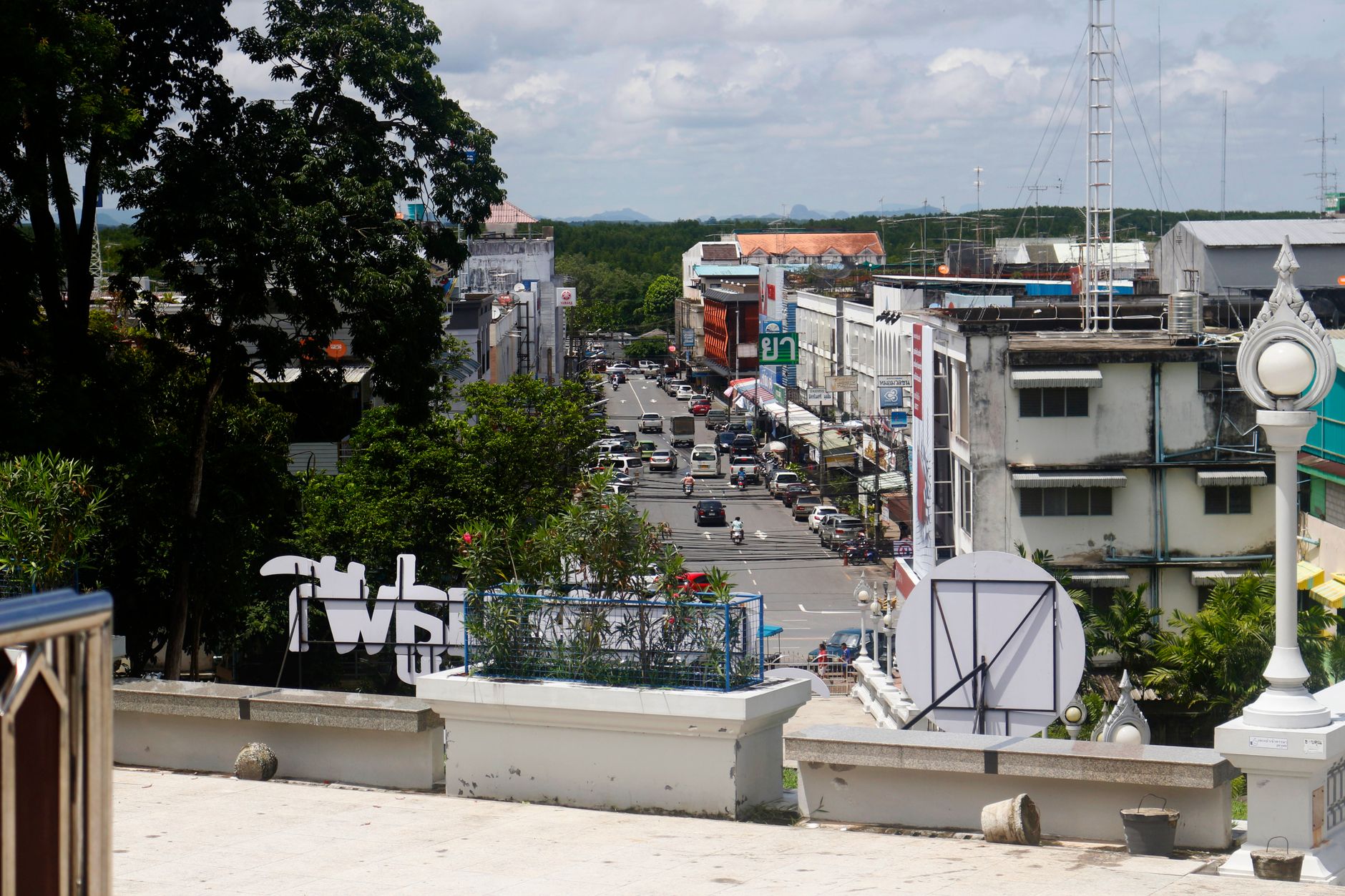
Ranong sits on the upper Andaman coast, a four-and-a-half-hour bus ride north of Phuket or a 75-minute flight from Bangkok. It is known across Thailand for its public mineral hot springs, rain-drenched rainforest ridges, and the busy river border with Myanmar. Ranong is worth visiting if you want hot thermal baths at dawn, fiery southern curries, and quiet access to unpaved island bays. Look elsewhere if you want polished resort strips, reliable sunshine during monsoon months, or late-night clubbing.
Last updated 2 Oct 2026
Build a Ranong itinerary.
Choose up to 4 threads that pull you in. Your plan arrives organised around them.
The Bed
Where to stay in Ranong
Which part of town to book, and what each one costs you in walking, noise or quiet.
The Comparison
Ranong, or somewhere near it
The places you are realistically choosing between, and the honest case for each.
The Local Record
Where to read more about Ranong
The blogs, boards, guides and operators worth bookmarking.
What to do in Ranong Ranong Thailand
Ranong is framed by forested granite ridges on one side and mangrove estuaries on the other. Life here follows the rhythms of early morning soaks, river trade with Myanmar, and evening seafood feasts. It suits travellers who appreciate unhurried provincial towns, thermal springs that cost nothing to enter, and the spicy, uncompromised flavours of the deep south.
24 hours in Ranong Ranong Thailand
Start at 6:30 at Raksawarin Hot Springs before the heat builds, then grab dim sum and sweet robusta coffee along Ruangrat Road. Spend the afternoon walking the wooden palace grounds, and finish with garlic soft-shell crab down at the Pak Nam fishing port as the trawlers return. Select 1 Day above to see it.
2 days in Ranong Ranong Thailand
Dedicate your second day to the coast and hills. Walk the boardwalks through Ngao Mangrove Forest, inspect the cascading waterfall opposite, and climb the grassy slopes of Bald Hill. In the evening, eat spicy yellow sour curry and stir-fried bai liang at a local rice-curry joint. Choose 2 Days to expand the plan.
3 days in Ranong Ranong Thailand
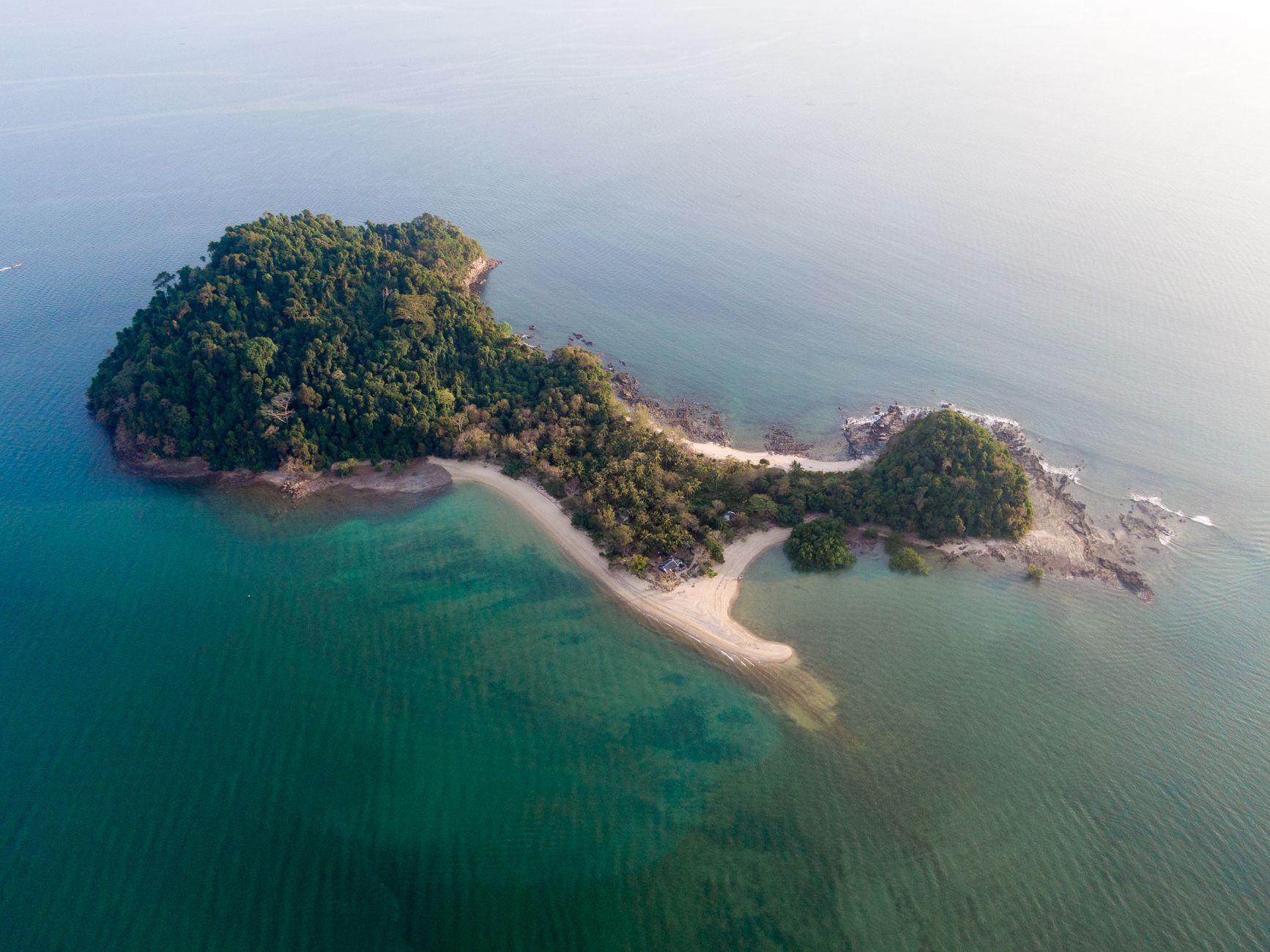
With three days, catch an early morning ferry out to Koh Phayam or Koh Chang to rent a small scooter and explore dirt roads and quiet coves. Alternatively, take a longtail down the Kraburi River estuary to visit stilt fishing hamlets and the protected biosphere waterways.
Ranong Ranong Thailand itineraries by interest
Hot Springs in Ranong Ranong Thailand
Soak in the public sulfur-free mineral pools at Raksawarin Park at 6:00, or head down Route 4 to the cooler shaded forest pools at Pornrang.
Local Seafood in Ranong Ranong Thailand
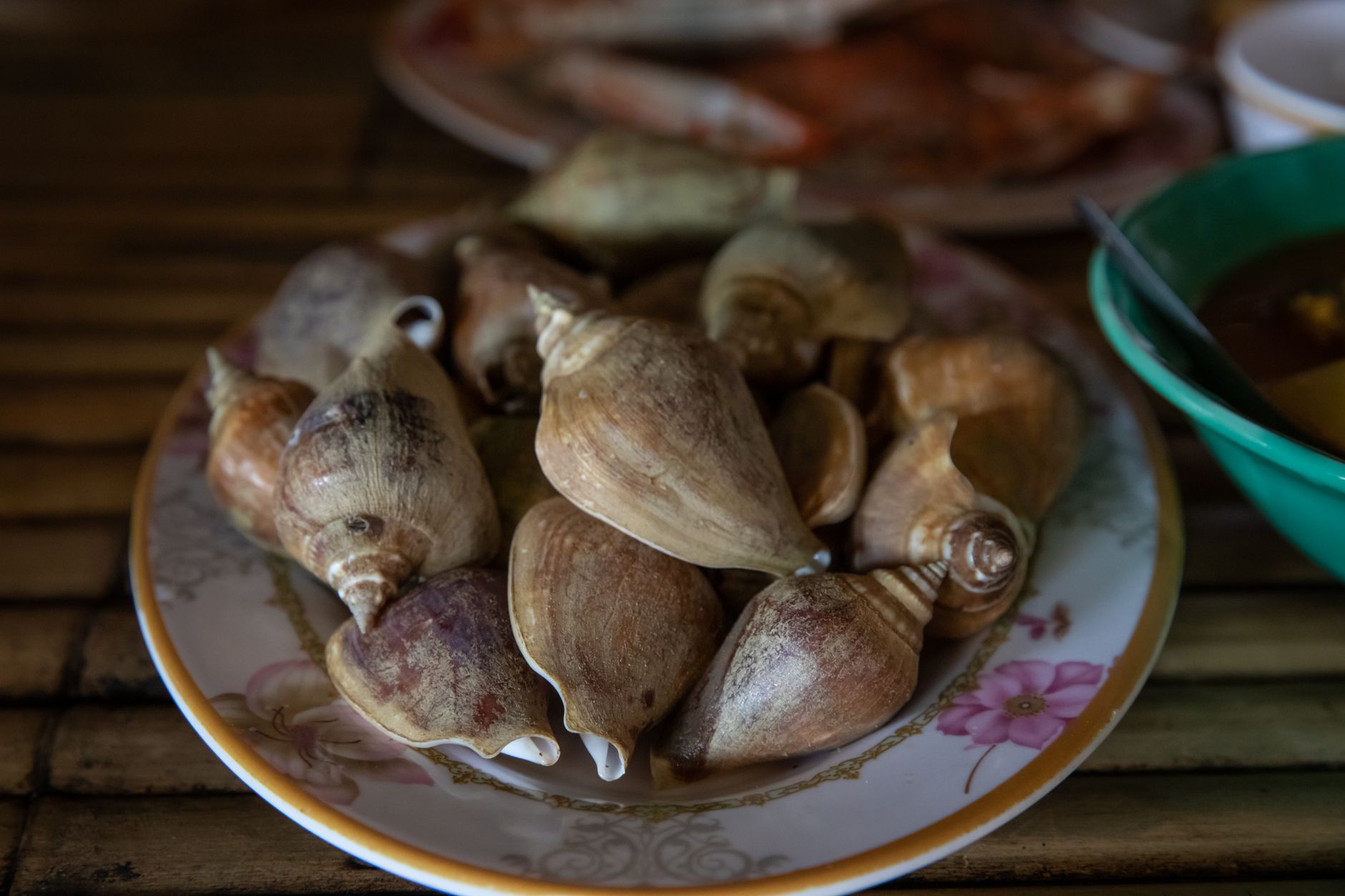
Head to Pak Nam pier for steamed blue swimmer crab, crisp soft-shell crab fried with garlic, and saltwater barramundi simmered in sour turmeric broth.
Morning Markets in Ranong Ranong Thailand
Wander Ranong Municipal Market on Ruangrat Road by 7:00 for Southern dim sum, hot deep-fried pa thong ko, and rich pandan custard with strong robusta.
Regional History in Ranong Ranong Thailand
Tour the teak Phraya Damrongsujaritmahisa palace replica and see tin-mining heritage ruins left along the old Sino-Portuguese trading streets.
Island Escapes in Ranong Ranong Thailand
Catch the local slow boat or speed ferry from Tai Kak Pier to the cashew-covered dirt tracks, surf breaks, and bamboo shacks of Koh Phayam.
Nature Reserves in Ranong Ranong Thailand
Walk the wooden boardwalks through the Ranong Biosphere Reserve, exploring dense mangrove swamps, mudskipper flats, and broad estuary channels.
Border Life in Ranong Ranong Thailand
Watch longtail cargo boats cross the Kraburi River to Kawthaung from Saphan Pla pier while tasting Burmese tea-leaf salad and samosas nearby.
Waterfalls & Hiking in Ranong Ranong Thailand
Scramble past the cascading falls at Namtok Ngao National Park and climb the open grass ridges of Bald Hill for wide mountain views.
Southern Cooking in Ranong Ranong Thailand
Order fiery gaeng som pla with green papaya, stir-fried local bai liang leaves with eggs, and pungent gaeng tai pla at roadside rice-curry stalls.
Street Food in Ranong Ranong Thailand
Queue up on Ruangrat Road at dusk for crisp roti paired with beef curry or condensed milk, alongside charcoal-grilled satay and fresh sugarcane juice.
Coastal Estuaries in Ranong Ranong Thailand
Rent a wooden longtail boat along the Laem Son coast to drift through tidal fishing villages and sand spits lined with casuarina trees.
Coffee & Cafes in Ranong Ranong Thailand
Sip dark-roasted local robusta brewed through cloth filters, paired with sticky rice steamed in banana leaf at hundred-year-old wooden shophouses.