Saint-Émilion.
.jpg)

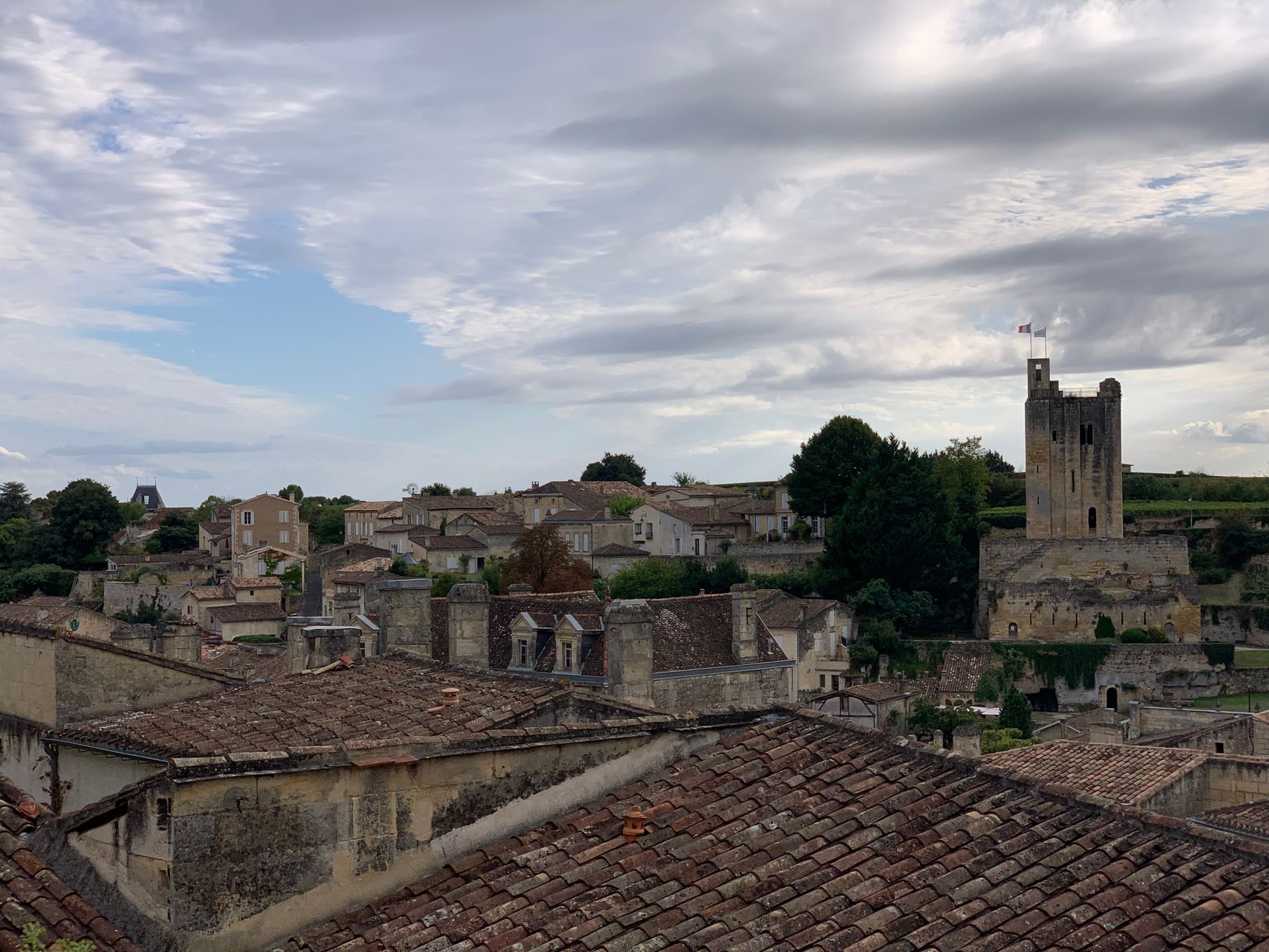


Pale limestone dust coats your boots within ten minutes of tackling the tertres, the steep cobbled lanes cutting through the medieval upper town. Below the town square lies an eighth-century hermit's cave and a monolithic church hacked straight into the rock by medieval monks. You come for the Merlot and Cabernet Franc, aged in cool underground cellars, but you stay because the light at dusk turns the ancient ramparts gold and the local almond macarons are made without flour or fuss.
Last updated 26 Aug 2026
Build a Saint-Émilion itinerary.
Choose up to 4 threads that pull you in. Your plan arrives organised around them.
The Bed
Where to stay in Saint-Émilion
Which part of town to book, and what each one costs you in walking, noise or quiet.
The Comparison
Saint-Émilion, or somewhere near it
The places you are realistically choosing between, and the honest case for each.
The Local Record
Where to read more about Saint-Émilion
The blogs, boards, guides and operators worth bookmarking.
What to do in Saint-Émilion Nouvelle-Aquitaine France
Saint-Émilion sits on a limestone plateau falling away into vine-covered slopes, organized around steep pedestrian lanes called tertres. Days here balance subterranean history with leisurely tastings in cellars that maintain a steady twelve degrees year-round. It suits independent travellers who enjoy good wine, architectural oddities, and walking at an unhurried pace, though sturdy shoes are essential on the slick cobbles.
24 hours in Saint-Émilion Nouvelle-Aquitaine France
Book a morning tour of the subterranean monolithic church before the coaches arrive. For lunch, order entrecôte cooked over vine cuttings at a bistro on Place du Clocher. Spend your afternoon tasting Merlot at Château Ferrand or Château Villemaurine, then finish with a quiet evening walk around Tour du Roy. Select 1 Day above to see it.
2 days in Saint-Émilion Nouvelle-Aquitaine France
Day two lets you escape the village centre. Rent a bike and ride three miles north to the tiny Pomerol plateau for tastings of velvety reds, then stop in Néac for roasted pigeon and cèpes. In the late afternoon, tour the cloister gardens at the Couvent des Cordeliers with a glass of sparkling crémant. Choose 2 Days to expand the plan.
3 days in Saint-Émilion Nouvelle-Aquitaine France
A third day allows a relaxed detour down to the Dordogne river at Castillon-la-Bataille, known for its summer historical pageant and riverside cafes. Return via the forested hills of Saint-Étienne-de-Lisse to sample lesser-known Côtes de Castillon vintages and enjoy a quiet dinner of confit duck without checking the time.
Saint-Émilion Nouvelle-Aquitaine France itineraries by interest
Wine & Vineyards in Saint-Émilion Nouvelle-Aquitaine France
Taste velvet Merlot and structured Cabernet Franc inside centuries-old cellars carved into limestone at Château Pavie and Château Canon.
Sacred Architecture in Saint-Émilion Nouvelle-Aquitaine France
Descend into the monolithic church carved out of solid rock in the eleventh century, alongside the catacombs and the hermit Émilion's hermitage.
Bakery & Sweets in Saint-Émilion Nouvelle-Aquitaine France
Pick up traditional macarons made from sweet almonds and egg whites using the Ursuline sisters' 1620 recipe at Fabrique de Macarons.
Historic Ramparts in Saint-Émilion Nouvelle-Aquitaine France
Climb the twelfth-century Tour du Roy keep for panoramic views across the valley, then walk the medieval Porte Brunet town walls.
Underground Exploration in Saint-Émilion Nouvelle-Aquitaine France
Tour the maze of subterranean quarries beneath the plateau, where winemakers age bottles in perpetual darkness and damp cool.
Bistro Dining in Saint-Émilion Nouvelle-Aquitaine France
Settle in for duck confit, lamprey bordelaise, and grilled entrecôte over vine shoots along Rue Guadet and Place du Marché.
Cycling in Saint-Émilion Nouvelle-Aquitaine France
Rent a hybrid bike from the village edge and pedal the gentle gravel lanes past stone manor gates toward Pomerol and the Dordogne river.
Scenic Viewpoints in Saint-Émilion Nouvelle-Aquitaine France
Stand on the terrace beside the bell tower above Place de l'Église Monolithe to look south over red-tile roofs and sea of vines.
Day Trips in Saint-Émilion Nouvelle-Aquitaine France
Drive ten minutes west to Libourne for the covered market on Place Abel Surchamp, or east to the riverside bastion of Sainte-Foy-la-Grande.
Local Markets in Saint-Émilion Nouvelle-Aquitaine France
Browse the Sunday stalls on Place du Clocher for aged sheep cheeses from the Pyrenees, charcuterie, and fresh walnuts.
Castle Ruins in Saint-Émilion Nouvelle-Aquitaine France
Wander the silent ruined cloisters and vaulted cellars of the fourteenth-century Couvent des Cordeliers while sipping sparkling crémant.
Walking Routes in Saint-Émilion Nouvelle-Aquitaine France
Follow the Boucle des Combes trail through quiet limestone valleys and family-run estates outside the medieval perimeter.