_%C3%A9tang.JPG)

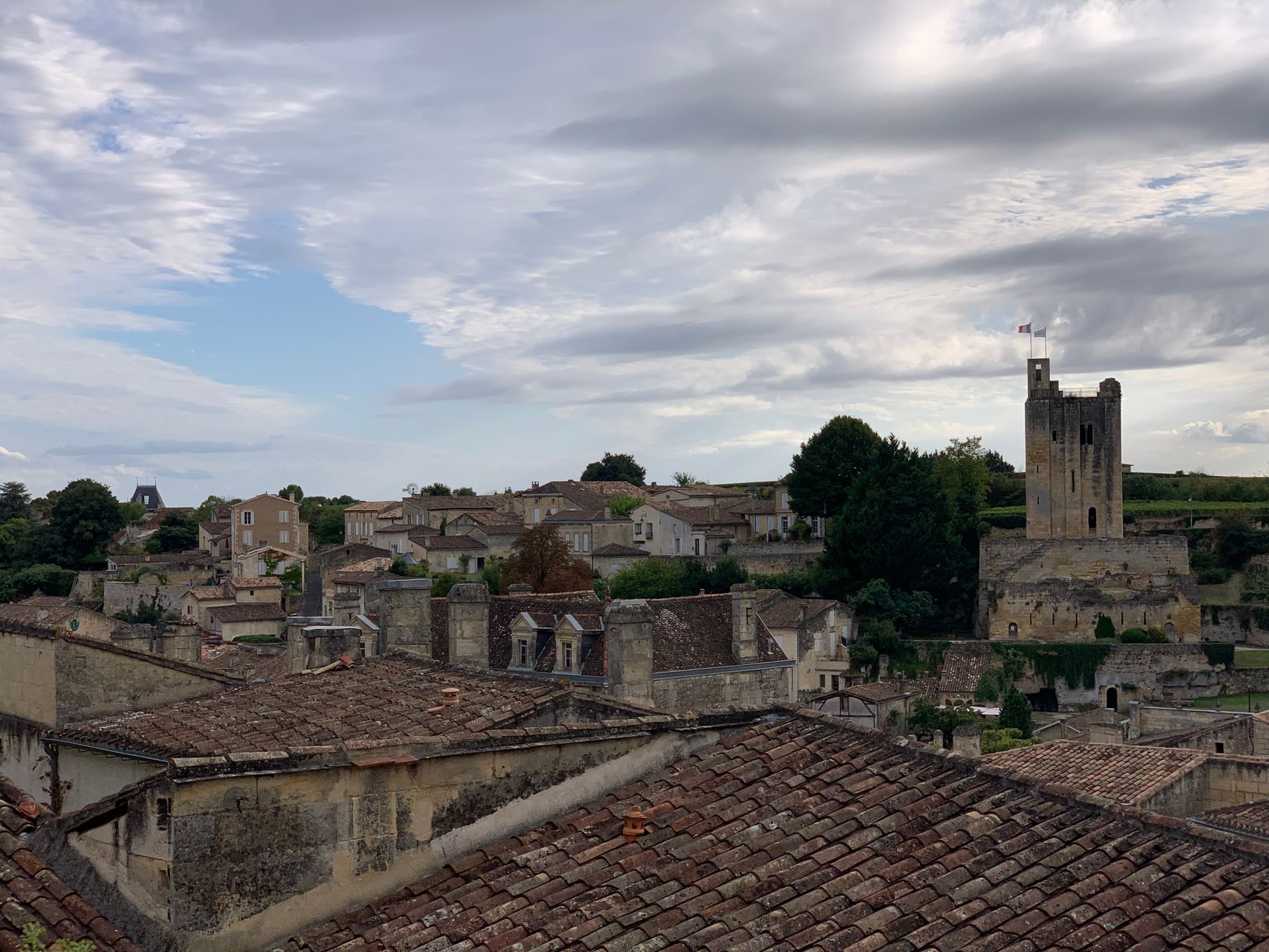


Heavy clay sits beneath thick gravel beds here, giving the northern Médoc wines a dense, structured backbone that outlasts almost everything else in the cellar. Walking into the village from the D2, past the pagodas of Cos d'Estournel and down toward the tidal silt of the Gironde, life slows down to tractor traffic and barrel work. It is quiet, working wine country where the 18th-century church altar surprises you with gold leaf, and the estuary breeze keeps the afternoon cool.
Last updated 1 Sept 2026
Build a Saint-Estèphe itinerary.
Choose up to 4 threads that pull you in. Your plan arrives organised around them.
The Bed
Where to stay in Saint-Estèphe
Which part of town to book, and what each one costs you in walking, noise or quiet.
The Comparison
Saint-Estèphe, or somewhere near it
The places you are realistically choosing between, and the honest case for each.
The Local Record
Where to read more about Saint-Estèphe
The blogs, boards, guides and operators worth bookmarking.
What to do in Saint-Estèphe Gironde France
Days here revolve around cellar appointments, quiet vineyard tracks, and the wide horizon of the Gironde estuary. It suits travellers who prefer muddy boots and barrel rooms over manicured resort towns. The village is compact, anchored by Place de l'Église and flanked by historic estates on heavy clay soils. You come to taste serious, age-worthy red wine, watch fishing nets dip into the river, and eat unpretentious southwestern country lunches.
24 hours in Saint-Estèphe Gironde France
Book a morning cellar tour at a classified estate like Montrose or Cos d'Estournel. By noon, settle into a village table for entrecôte grilled over vine shoots. Spend the afternoon cycling past Calon-Ségur before walking out to the carrelets at Port de Saint-Estèphe to watch the tide turn. Select 1 Day above to see it.
2 days in Saint-Estèphe Gironde France
Day two lets you slow down in the hamlet of Marbuzet and explore smaller artisan winemakers who pour without grand ceremonial fuss. Head south along the D2 to Pauillac's waterfront for a lunch of local salt-marsh lamb, then return to Saint-Estèphe for sunset over the marshes. Choose 2 Days to expand the plan.
3 days in Saint-Estèphe Gironde France
A third day opens the wider peninsula. Take the short drive north to the open sands and pine forests of Montalivet for fresh oysters, or catch the ferry across the estuary from nearby Lamarque to Blaye's seventeenth-century citadel. End with an unhurried dinner back in the village.
Saint-Estèphe Gironde France itineraries by interest
Wine & Vineyards in Saint-Estèphe Gironde France
Sample structured Cabernet Sauvignon and Merlot blends poured across classified estates like Cos d'Estournel, Château Montrose, and Calon-Ségur.
Sacred Architecture in Saint-Estèphe Gironde France
Step inside Église Saint-Étienne on the central square to see ornate 18th-century gilded woodwork and Baroque altarpieces rarely found in Médoc villages.
Estuary Life in Saint-Estèphe Gironde France
Walk past traditional carrelets, the wooden stilt fishing huts balancing over the silt-heavy Gironde waters along the shoreline path.
Local Charcuterie in Saint-Estèphe Gironde France
Try grenier médocain, the peppery boiled pork stomach sausage sliced cold at village butchers, or dry-cured ham paired with crusty bread.
Castles & Estates in Saint-Estèphe Gironde France
Admire the striking 19th-century pagoda towers at Cos d'Estournel and the walled vineyards of Château Calon-Ségur from the cycling lanes.
Regional Dining in Saint-Estèphe Gironde France
Order thick entrecôte grilled over dried vine cuttings at local bistros, accompanied by shallot sauce and a glass of robust village cru.
Cycling Routes in Saint-Estèphe Gironde France
Pedal the flat tarmac roads along the D2 Route des Châteaux between low-stone vineyard walls down to the quiet docks of Port de Saint-Estèphe.
River Cruising in Saint-Estèphe Gironde France
Board seasonal river shuttles or sailing charters on the Gironde estuary to view the waterside estates from the perspective of old trade barges.
Village Heritage in Saint-Estèphe Gironde France
Wander the quiet stone hamlet of Marbuzet and the main village square, where wine coopers and grape pickers have met for generations.
Day Trips in Saint-Estèphe Gironde France
Drive twenty minutes south to Pauillac for harbour views and premier grand cru estates, or head north to the wild ocean beaches of Montalivet.
Artisanal Sweets in Saint-Estèphe Gironde France
Pick up fresh cannelés baked with rum and vanilla alongside local Noisettines du Médoc, caramelized hazelnuts prepared in copper cauldrons.
Bird Watching in Saint-Estèphe Gironde France
Scan the reed beds and marshland edges around the estuary banks for migrating grey herons, egrets, and harriers settling in the mudflats.