


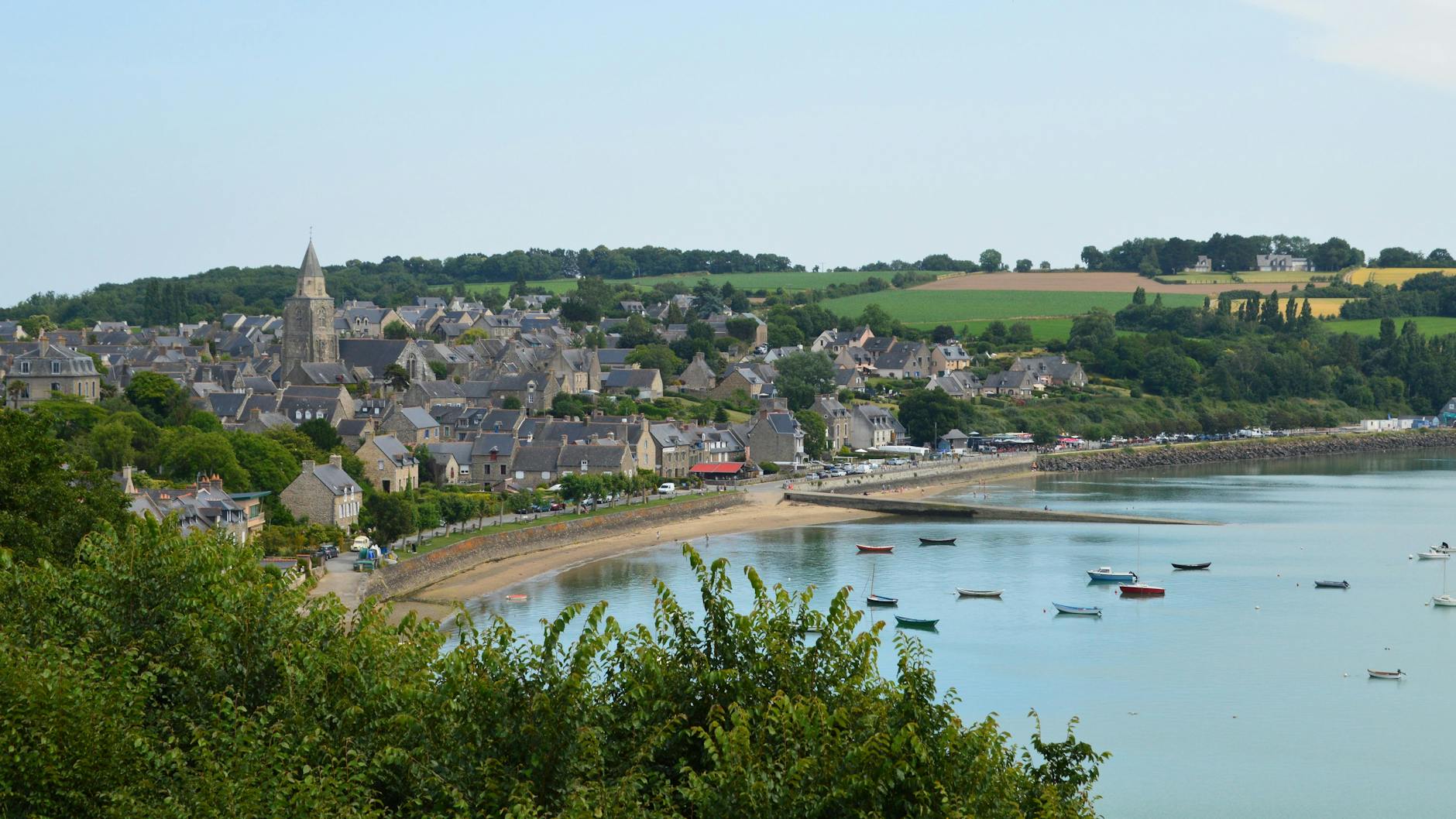

Set forty-five minutes southeast of Bordeaux by regional train, Saint-Macaire sits on a limestone bluff above the Garonne. It is known for its intact thirteenth-century ramparts and the arcaded Place du Mercadiou, once a wealthy river port before the water shifted course. Saint-Macaire is worth visiting if you want quiet medieval stone alleys, fourteenth-century church frescoes, and unhurried regional wine bars. Look elsewhere if you expect late-night clubs, large museums, or high-end shopping streets.
Last updated 26 Oct 2026
Build a Saint-Macaire itinerary.
Choose up to 4 threads that pull you in. Your plan arrives organised around them.
The Bed
Where to stay in Saint-Macaire
Which part of town to book, and what each one costs you in walking, noise or quiet.
The Comparison
Saint-Macaire, or somewhere near it
The places you are realistically choosing between, and the honest case for each.
The Local Record
Where to read more about Saint-Macaire
The blogs, boards, guides and operators worth bookmarking.
What to do in Saint-Macaire Gironde France
Life in Saint-Macaire centres on the stone-paved Place du Mercadiou and the quiet network of alleys inside its thirteenth-century walls. It is a compact town best explored on foot, where mornings begin over coffee near Porte de Benauge and afternoons drift across shaded ramparts overlooking the Garonne valley. It suits independent travellers who prefer architectural detail and uncrowded bistros over scripted itineraries.
24 hours in Saint-Macaire Gironde France
Start early at Place du Mercadiou, admiring medieval facade carvings before touring Église Saint-Sauveur. After a lunch of duck confit on Rue Carnot, walk the dry moat and limestone ramparts. Finish with a glass of local Côtes de Bordeaux at a square bistro as dusk settles over the stone walls. Select 1 Day above to see it.
2 days in Saint-Macaire Gironde France
Devote morning two to the underground stone quarries and cellars carved beneath the old town. Cross the bridge to Langon for market charcuterie and farm cheeses, then take a short afternoon drive to the pilgrimage village of Verdelais to walk the hillside paths and visit the basilica. Choose 2 Days to expand the plan.
3 days in Saint-Macaire Gironde France
A third day allows an easy morning cycle along the Canal de Garonne towpath. Spend the afternoon tasting golden sweet wines in neighbouring Sauternes, or tour the medieval fortifications and restored interiors of Château de Roquetaillade ten miles south.
Saint-Macaire Gironde France itineraries by interest
Wine & Vineyards in Saint-Macaire Gironde France
Taste Côtes de Bordeaux-Saint-Macaire sweet and dry whites made from Semillon and Sauvignon Blanc, poured inside cool vaulted limestone cellars.
Sacred Architecture in Saint-Macaire Gironde France
Inspect fourteenth-century murals depicting the Apocalypse and Saint Jacques inside Église Saint-Sauveur, built along the pilgrimage path.
Medieval Fortifications in Saint-Macaire Gironde France
Walk the thirteenth-century ramparts, defensive gatehouses like Porte du Thuron, and dry moats carved straight into the cliffside.
Regional Cooking in Saint-Macaire Gironde France
Eat duck confit, grilled entrecôte over vine shoots, and lamprey à la bordelaise served with crusty country loaves in local bistros.
Historic Squares in Saint-Macaire Gironde France
Sit under the Gothic stone arcades of Place du Mercadiou, where merchants traded barrels and grain during the English reign in Aquitaine.
River Walks in Saint-Macaire Gironde France
Follow the path below the cliffs to the ancient riverbank where the Garonne flowed before shifting course away from the town walls.
Underground Heritage in Saint-Macaire Gironde France
Tour the labyrinth of limestone quarries and cellars bored beneath town houses, used for centuries to age regional wine and cure stone.
Markets & Produce in Saint-Macaire Gironde France
Cross the bridge to nearby Langon for Friday market stalls piled with ceps, pruneaux d'Agen, duck rillettes, and raw milk farmhouse cheeses.
Day Trips in Saint-Macaire Gironde France
Drive fifteen minutes across the river to Sauternes for sweet botrytised wines or explore Château de Roquetaillade's fortified towers.
Cycling & Trails in Saint-Macaire Gironde France
Ride flat routes along the Canal des Deux Mers or wind through hillside vineyards on backroads connecting Saint-Macaire to Verdelais.
Craft Traditions in Saint-Macaire Gironde France
Watch stone carvers and woodworkers restore medieval timber frames and limestone facades in workshops tucked along Rue Carnot.
Local Cafes in Saint-Macaire Gironde France
Linger over morning espresso or an evening apéritif under the plane trees on Place Tourny, where residents gather after the midday heat.