Saint-Paul-de-Vence.



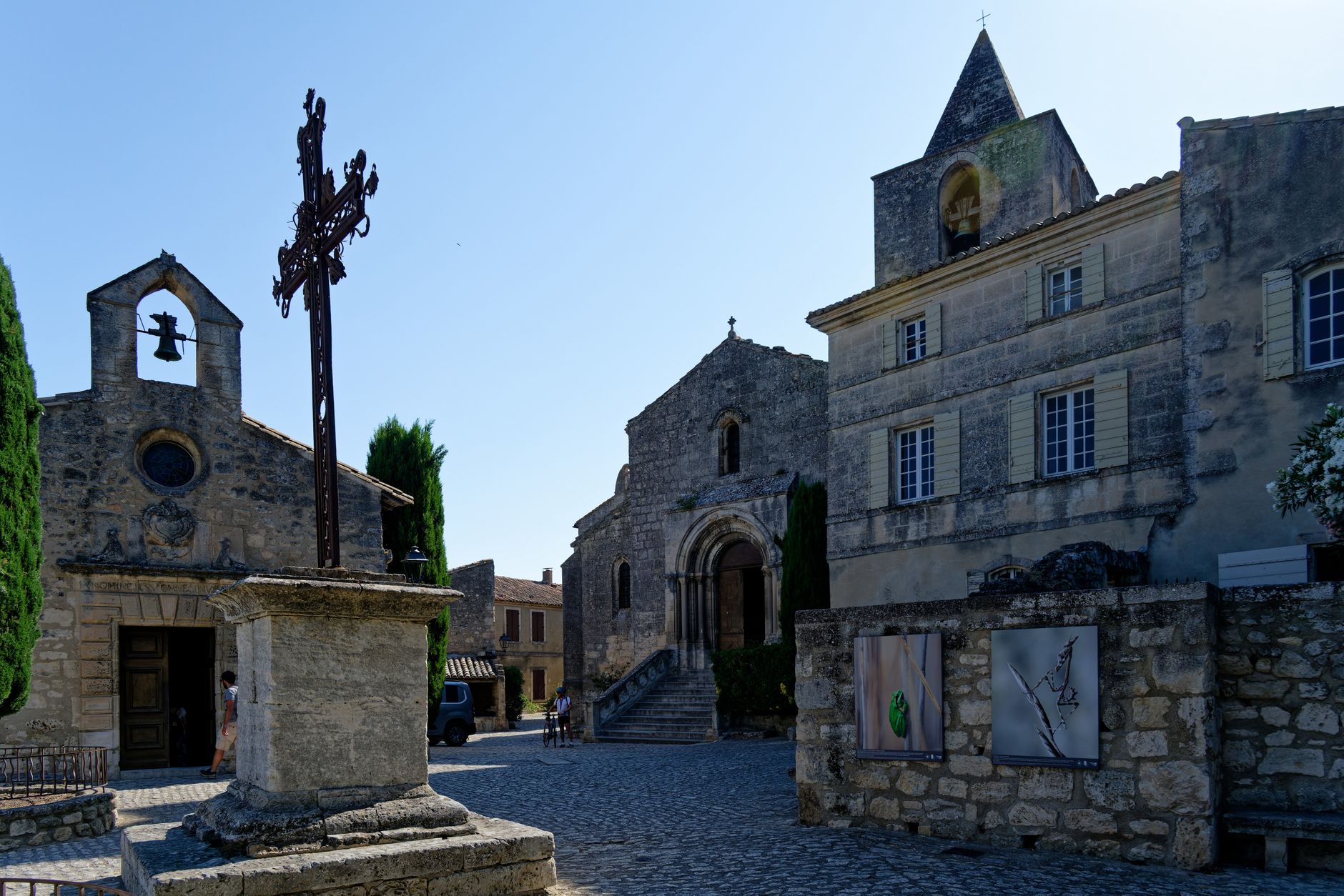
Saint-Paul-de-Vence sits twenty kilometres west of Nice, reachable in forty minutes by bus 655 or car. The village is known for its intact sixteenth-century stone ramparts and its deep ties to twentieth-century modern painters who traded canvases for lodging. Saint-Paul-de-Vence is worth visiting if you want to walk quiet medieval alleys before tour buses arrive and study modernist sculpture among pine trees. Look elsewhere if you want sandy beaches, lively late-night bars, or flat walking routes.
Last updated 13 Nov 2026
Build a Saint-Paul-de-Vence itinerary.
Choose up to 4 threads that pull you in. Your plan arrives organised around them.
The Bed
Where to stay in Saint-Paul-de-Vence
Which part of town to book, and what each one costs you in walking, noise or quiet.
The Comparison
Saint-Paul-de-Vence, or somewhere near it
The places you are realistically choosing between, and the honest case for each.
The Local Record
Where to read more about Saint-Paul-de-Vence
The blogs, boards, guides and operators worth bookmarking.
What to do in Saint-Paul-de-Vence Provence-Alpes-Côte d'Azur France
The village is shaped like an almond atop a limestone spur, girdled by intact François I bastions. Days here orbit around the spine of Rue Grande, morning coffees beside the pétanque terrain, and afternoon visits to gallery courtyards. It suits travellers who appreciate mid-century painting, stony medieval lanes, and long, unhurried lunches featuring ratatouille, local rosé, and fresh figs.
24 hours in Saint-Paul-de-Vence Provence-Alpes-Côte d'Azur France
Arrive at eight for an espresso at Café de la Place before day-trippers arrive. Walk the length of the ramparts to Chagall's grave, spend midday exploring Fondation Maeght a fifteen-minute walk uphill, and finish with rabbit braised with rosemary at a stone-walled auberge inside the walls. Select 1 Day above to see it.
2 days in Saint-Paul-de-Vence Provence-Alpes-Côte d'Azur France
Day two adds the neighbouring town of Vence, four kilometres north, where Henri Matisse designed the Chapelle du Rosaire. Return for an afternoon exploring local pottery workshops on Rue Cassin and dinner focused on socca and grilled sea bream along the outer rampart terrace. Choose 2 Days to expand the plan.
3 days in Saint-Paul-de-Vence Provence-Alpes-Côte d'Azur France
Three days allow a morning hike up the Baou de Saint-Jeannet for wide coastal panoramas, followed by a cellar tasting of sun-matured wines at Vignoble des Hautes Collines. Spend your final evening having a slow pastis as the light drops over the valley.
Saint-Paul-de-Vence Provence-Alpes-Côte d'Azur France itineraries by interest
Modern Art in Saint-Paul-de-Vence Provence-Alpes-Côte d'Azur France
Wander the pine gardens of Fondation Maeght to see Giacometti bronzes, Miró ceramics, and Braque stained glass just outside town.
Rampart Walks in Saint-Paul-de-Vence Provence-Alpes-Côte d'Azur France
Circle the sixteenth-century stone bastions built under François I, looking south toward the Cap d'Antibes and the Mediterranean.
Local Wine in Saint-Paul-de-Vence Provence-Alpes-Côte d'Azur France
Taste Rolle whites and Braquet reds from nearby Bellet and Saint-Jeannet, served chilled in limestone cellars with tapenade.
Sacred Architecture in Saint-Paul-de-Vence Provence-Alpes-Côte d'Azur France
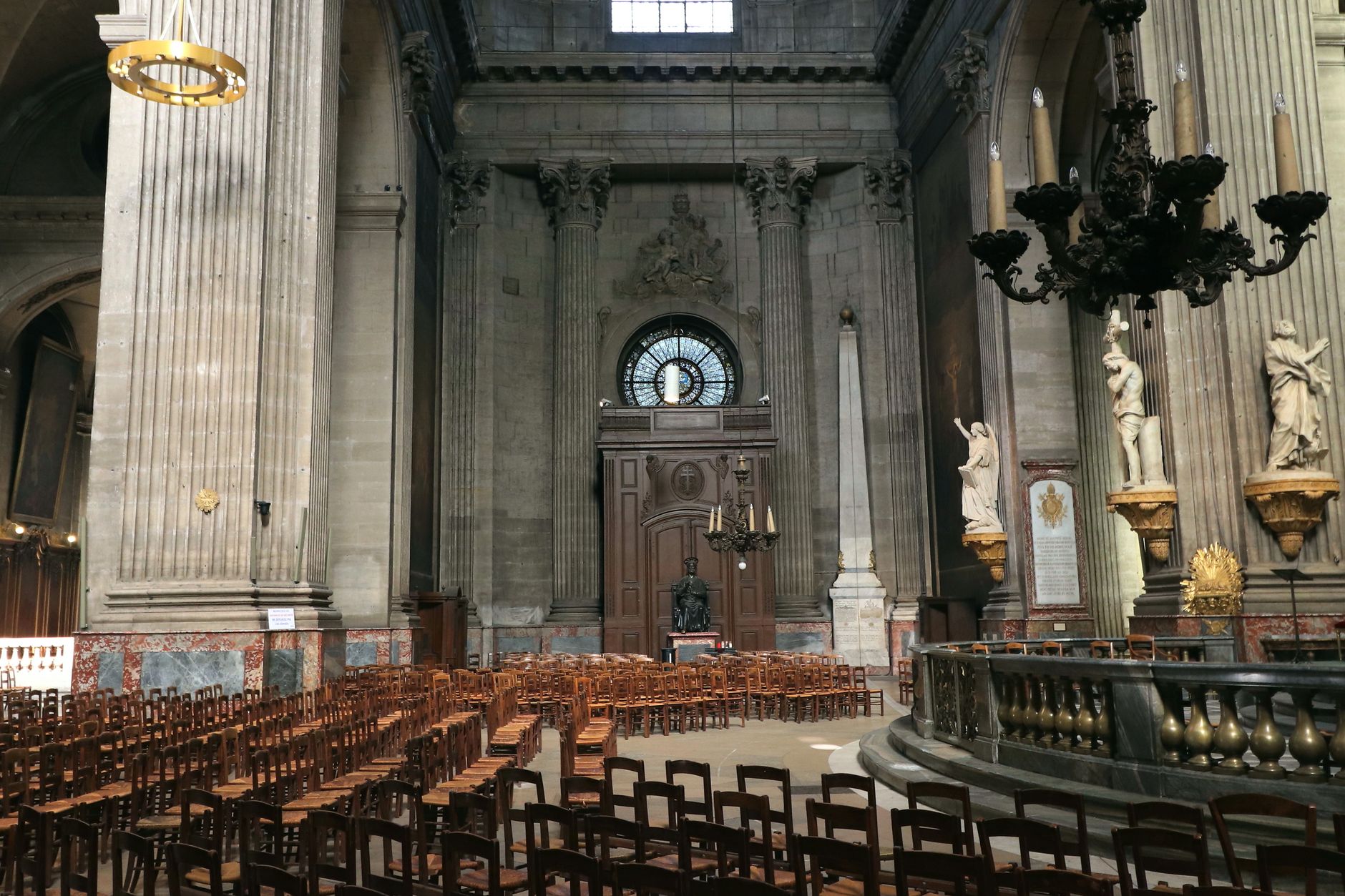
Visit the Collégiale de la Conversion-de-Saint-Paul and the Chapelle des Pénitents Blancs, decorated by painter Jean-Michel Folon.
Town History in Saint-Paul-de-Vence Provence-Alpes-Côte d'Azur France
Study the medieval keep and the sixteenth-century Porte de Nice, where the old defensive garrison controlled the Var valley border.
Markets & Produce in Saint-Paul-de-Vence Provence-Alpes-Côte d'Azur France
Shop Thursday mornings on Place du Jeu de Boule for Cavaillon melons, local goat cheeses, and herbes de Provence dried in bunches.
Sculpture & Craft in Saint-Paul-de-Vence Provence-Alpes-Côte d'Azur France
Explore working metal smiths, stone carvers, and ceramics studios tucked into vaulted cellars along Rue Grande.
Traditional Dining in Saint-Paul-de-Vence Provence-Alpes-Côte d'Azur France
Eat daube provençale, stuffed petits farcis, and warm pissaladière under the plane trees on Place de Gaulle.
Cemetery Visits in Saint-Paul-de-Vence Provence-Alpes-Côte d'Azur France
Walk to the southern ramparts cemetery to see the simple mosaic headstone where Marc Chagall was buried in 1985.
Neighbouring Villages in Saint-Paul-de-Vence Provence-Alpes-Côte d'Azur France
Take the short ten-minute drive up to Vence to see Matisse's Chapelle du Rosaire and browse the fountain squares.
Hill Hiking in Saint-Paul-de-Vence Provence-Alpes-Côte d'Azur France
Follow waymarked trails along the crest of the Baous toward Saint-Jeannet for limestone cliffs and oak-forest views.
Local Pastimes in Saint-Paul-de-Vence Provence-Alpes-Côte d'Azur France
Watch locals contest serious games of pétanque with steel boules on the gravel terrace outside the Café de la Place.