Sancerre.


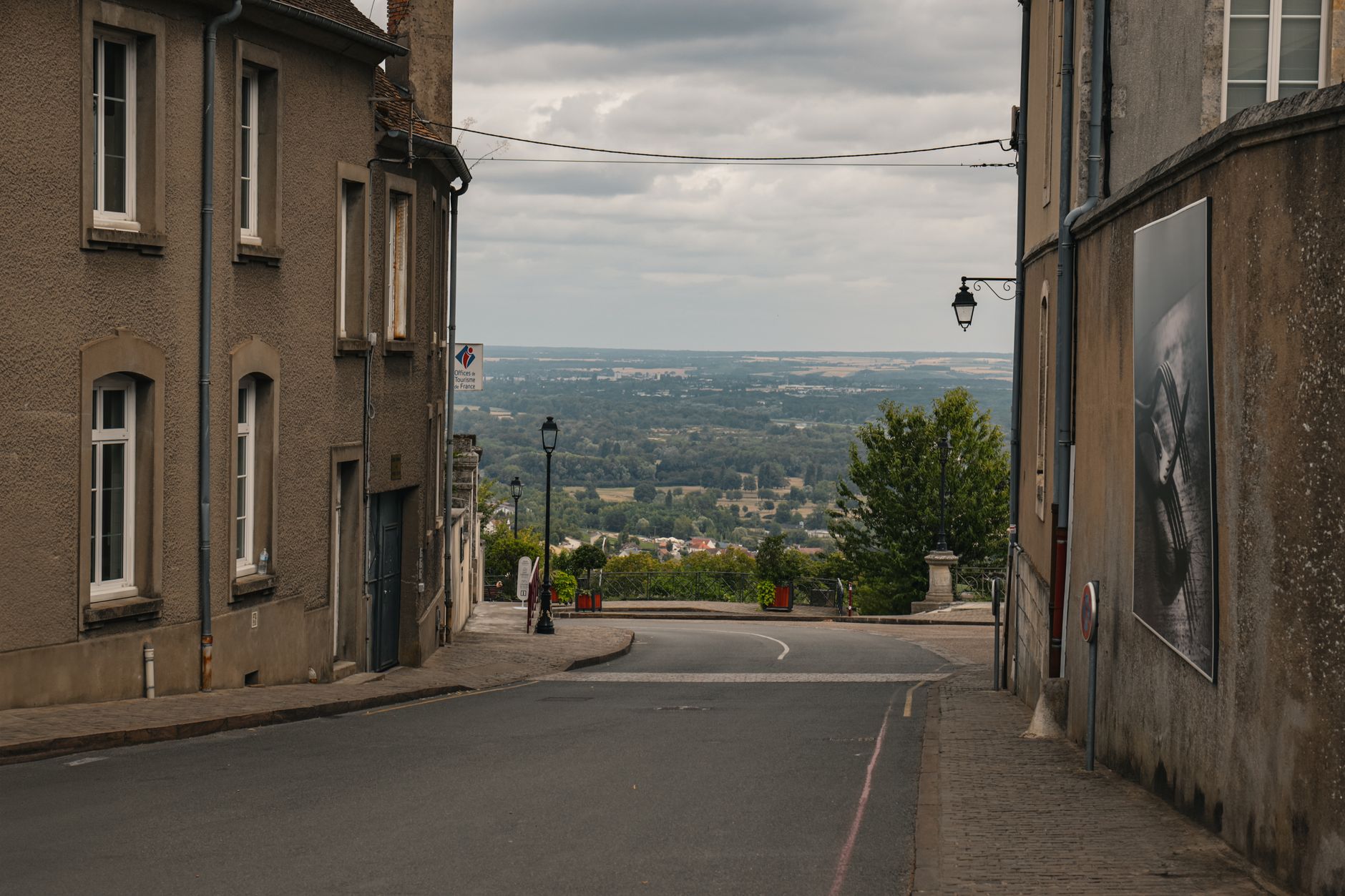


Two hours south of Paris by train to neighbouring Tracy-Sancerre, this hilltop medieval town is defined by flint, limestone, and benchmark Sauvignon Blanc. Days revolve around cellar tastings and local Crottin de Chavignol goat cheese. Sancerre is worth visiting if you want to taste mineral white wines at the cellar door and walk quiet medieval slopes. Look elsewhere if you want late-night energy, flat walking, or major art museums.
Last updated 6 Oct 2026
Build a Sancerre itinerary.
Choose up to 4 threads that pull you in. Your plan arrives organised around them.
The Bed
Where to stay in Sancerre
Which part of town to book, and what each one costs you in walking, noise or quiet.
The Comparison
Sancerre, or somewhere near it
The places you are realistically choosing between, and the honest case for each.
The Local Record
Where to read more about Sancerre
The blogs, boards, guides and operators worth bookmarking.
What to do in Sancerre Centre-Val de Loire France
The fortified core sits high above the Loire, looking down across thousands of neatly trellised vines. Sancerre is compact and steep, best navigated on foot across cobbled streets linking Place Nouvelle to the remnants of the castle. Days settle naturally into cellar door visits, bakery stops, and quiet terraces overlooking the valley. It suits travellers who appreciate great viticulture, thoughtful regional food, and an unhurried provincial rhythm.
24 hours in Sancerre Centre-Val de Loire France
Start early with coffee on Place Mirabaud, then climb Tour des Fiefs for the morning light over the valley. Walk down into Chavignol by lunchtime for warm crottin and a glass of Sauvignon Blanc, then spend the afternoon tasting at Domaine Henri Bourgeois before an evening table in town. Select 1 Day above to see it.
2 days in Sancerre Centre-Val de Loire France
Head down to Saint-Satur in the morning for a walk along the Loire River and the canal. Spend the afternoon driving the hillside hamlets of Bué and Verdigny to meet independent winemakers, followed by a dinner of Loire pike-perch with beurre blanc in a quiet village auberge. Choose 2 Days to expand the plan.
3 days in Sancerre Centre-Val de Loire France
Take a slow morning drive twenty miles west to La Borne, a forested village famous for wood-fired sandstone pottery. Return through the Menetou-Salon wine country for afternoon tastings, finishing with a sunset picnic of local goat cheese on the Sancerre ramparts.
Sancerre Centre-Val de Loire France itineraries by interest
Wine & Vineyards in Sancerre Centre-Val de Loire France
Taste Sauvignon Blanc and Pinot Noir poured straight from the barrel across cellars cut into silex, caillottes, and Kimmeridgian marl soils.
Local Cheese in Sancerre Centre-Val de Loire France
Seek out Crottin de Chavignol at village fromageries, pairing creamy young rounds or crumbly, blue-tinted aged discs with dry local white.
Medieval History in Sancerre Centre-Val de Loire France
Climb the fourteenth-century Tour des Fiefs, the lone surviving tower of the feudal castle that endured the brutal 1573 Huguenot siege.
Scenic Viewpoints in Sancerre Centre-Val de Loire France
Stand on the Esplanade Porte César for an uninterrupted view over the Loire River and patchwork vineyard slopes tumbling toward Saint-Satur.
Walking & Hiking in Sancerre Centre-Val de Loire France
Follow the red line painted along town streets or take marked dirt trails threading through hillside vines to the hamlet of Chavignol.
Cycling in Sancerre Centre-Val de Loire France
Rent a touring bike and pedal the flat riverside paths of La Loire à Vélo along the lateral canal below the fortified hilltop.
Markets & Produce in Sancerre Centre-Val de Loire France
Wander the Place de la Halle on Saturday morning for fresh chèvre, Loire river fish, crusty sourdough loaves, and seasonal garden fruit.
River & Canal in Sancerre Centre-Val de Loire France
Rent a canoe on the Loire at Saint-Satur or walk the shaded towpaths along the Canal Latéral à la Loire beside traditional houseboats.
Village Touring in Sancerre Centre-Val de Loire France
Drive ten minutes to nearby wine hamlets like Chavignol, Bué, and Verdigny to visit multi-generational vignerons in tiny stone squares.
Regional Dining in Sancerre Centre-Val de Loire France
Settle in at village bistros for pike-perch with beurre blanc, terrines, and warm chèvre salads dressed with local walnut oil.
Sacred Architecture in Sancerre Centre-Val de Loire France
Visit the Church of Saint-Père and the historic Protestant temple, markers of the town's fierce religious conflicts during the sixteenth century.
Pottery & Crafts in Sancerre Centre-Val de Loire France
Visit traditional sandstone pottery workshops in nearby villages like La Borne, where wood-fired stoneware kilns have operated for centuries.