Saumur.
_Les_plans_et_profils_de_tovtes_les_principales_villes_et_lievx_considerables_de_France._(IA_dr_govvernemet-de-saumur-to-accompany-les-plans-et-profils-de-tovtes-les-pr-13303460).jpg)
.jpg)

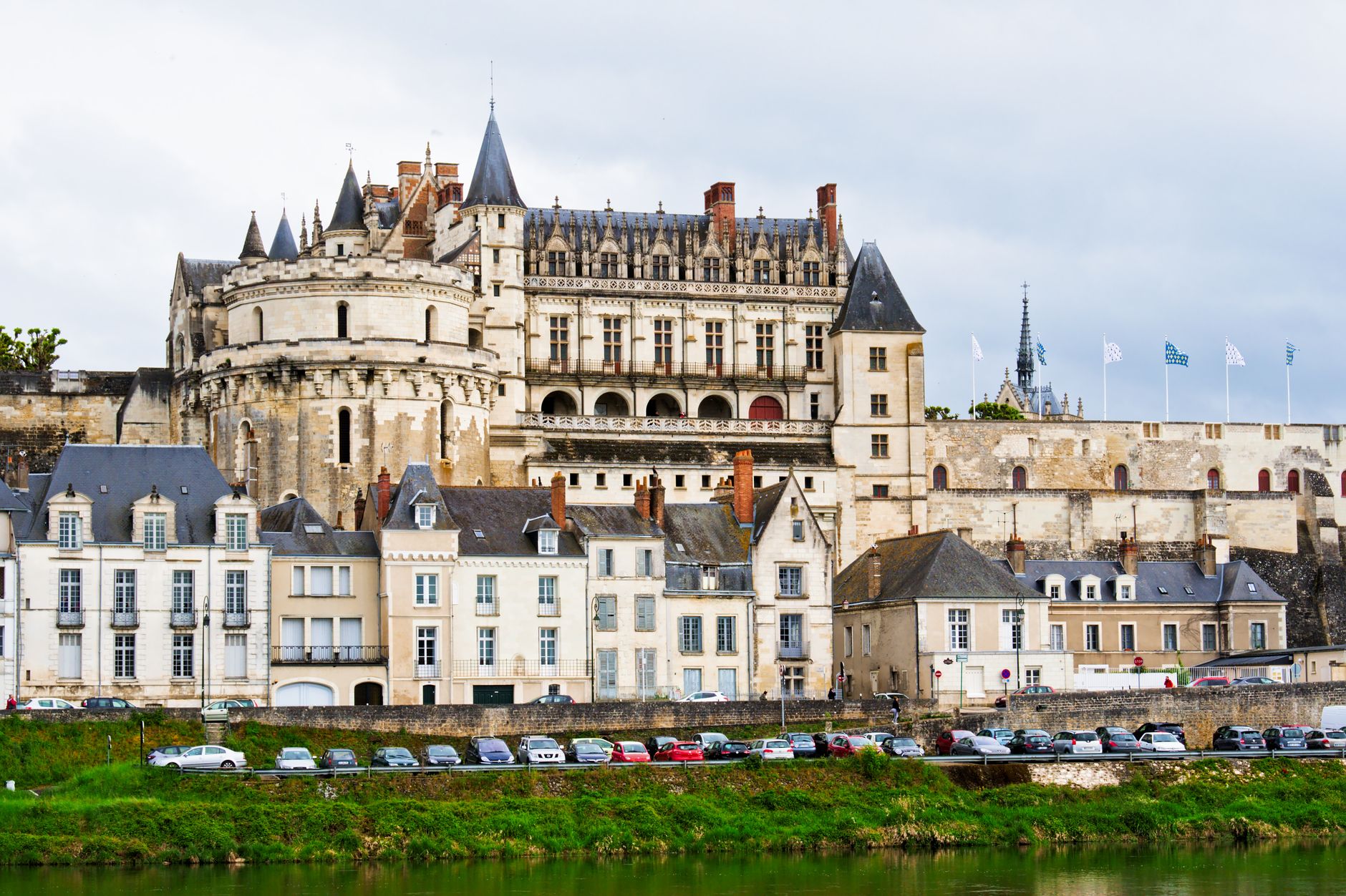


Saumur sits along the Loire River, a twenty-five-minute train ride east of Angers and two hours southwest of Paris by TGV via Saint-Pierre-des-Corps. The town is known for its pale tuffeau limestone architecture, sparkling Crémant de Loire, and the national equestrian academy. Saumur is worth visiting if you want to drink chilled Cabernet Franc directly from cellar doors carved into river cliffs and explore troglodyte dwellings. Look elsewhere if you want high-energy nightlife or sprawling sandy beaches.
Last updated 14 Oct 2026
Build a Saumur itinerary.
Choose up to 4 threads that pull you in. Your plan arrives organised around them.
The Bed
Where to stay in Saumur
Which part of town to book, and what each one costs you in walking, noise or quiet.
The Comparison
Saumur, or somewhere near it
The places you are realistically choosing between, and the honest case for each.
The Local Record
Where to read more about Saumur
The blogs, boards, guides and operators worth bookmarking.
What to do in Saumur Pays de la Loire France
Life in Saumur clings close to the pale riverbanks, where limestone cliffs give way to tidy squares and café terraces. Days revolve around cellar tastings, walks beneath castle ramparts, and slow lunches over local rillettes. It suits travellers who appreciate unhurried regional cooking, good cycling, and the peculiar charm of underground dining rooms.
24 hours in Saumur Pays de la Loire France
Start the morning exploring the ramparts of Château de Saumur, then cross Pont Cézanne for lunch on Place Saint-Pierre. Spend your afternoon sampling Crémant inside the vast chalk cellars of Bouvet Ladubay or Ackerman, finishing with dinner on Rue de la Tonnelle. Select 1 Day above to see it.
2 days in Saumur Pays de la Loire France
Dedicate day two to troglodyte country. Cycle east along the south bank to Souzay-Champigny and Turquant, stopping for wood-fired fouées baked in cave ovens. Return through the vineyards of Saumur-Champigny for an evening glass of chilled red wine in town. Choose 2 Days to expand the plan.
3 days in Saumur Pays de la Loire France
A third day allows an easy morning drive to Fontevraud-l'Abbaye to see the Plantagenet tombs, followed by an afternoon watching the horses of the Cadre Noir train in Saint-Hilaire-Saint-Florent. Finish with a twilight boat ride on a wooden toue along the Loire.
Saumur Pays de la Loire France itineraries by interest
Wine & Vineyards in Saumur Pays de la Loire France
Taste Cabernet Franc in Saumur-Champigny and sparkling Crémant aged in miles of underground tuffeau limestone galleries along the Loire.
Historic Architecture in Saumur Pays de la Loire France
Climb up to the 10th-century Château de Saumur for panoramic river views and examine the white tuffeau facades along Place Saint-Pierre.
Cavalry Traditions in Saumur Pays de la Loire France
Watch elite dressage demonstrations at the Cadre Noir riding school, training classical French equestrians here since the 19th century.
Underground Spaces in Saumur Pays de la Loire France
Explore subterranean troglodyte hamlets in nearby Turquant and Souzay-Champigny, carved directly into chalky river cliffs.
Local Dining in Saumur Pays de la Loire France
Tear into wood-fired fouées, airy pocket breads stuffed with rillettes, goat cheese, and white mogette beans in cave restaurants.
River Excursions in Saumur Pays de la Loire France
Board a traditional wooden toue cabanée at the quayside for a late-afternoon drift along the sandbars and shallow waters of the Loire.
Markets & Produce in Saumur Pays de la Loire France
Browse Place Saint-Pierre on Saturday mornings for fresh Sainte-Maure-de-Touraine goat cheese, wild Loire pike-perch, and local asparagus.
Cycling Routes in Saumur Pays de la Loire France
Pedal the flat Loire à Vélo pathways connecting Saumur to riverside villages and vineyard tracks without battling automotive traffic.
Mushroom Cultivation in Saumur Pays de la Loire France
Tour dark tuffeau cellars at the Musée du Champignon to see shiitake, oyster, and button mushrooms grown in cool underground galleries.
Sacred Architecture in Saumur Pays de la Loire France
Step inside the Romanesque Church of Notre-Dame de Nantilly to view its 12th-century nave and exceptional collection of medieval tapestries.
Day Trips in Saumur Pays de la Loire France
Drive fifteen minutes south to the Royal Abbey of Fontevraud, the sprawling 12th-century burial site of Eleanor of Aquitaine.
Craft Workshops in Saumur Pays de la Loire France
Visit working potters, sculptors, and glassblowers operating inside restored troglodyte cave workshops carved into the cliffs of Turquant.