Saumur.
_Les_plans_et_profils_de_tovtes_les_principales_villes_et_lievx_considerables_de_France._(IA_dr_govvernemet-de-saumur-to-accompany-les-plans-et-profils-de-tovtes-les-pr-13303460).jpg)
.jpg)

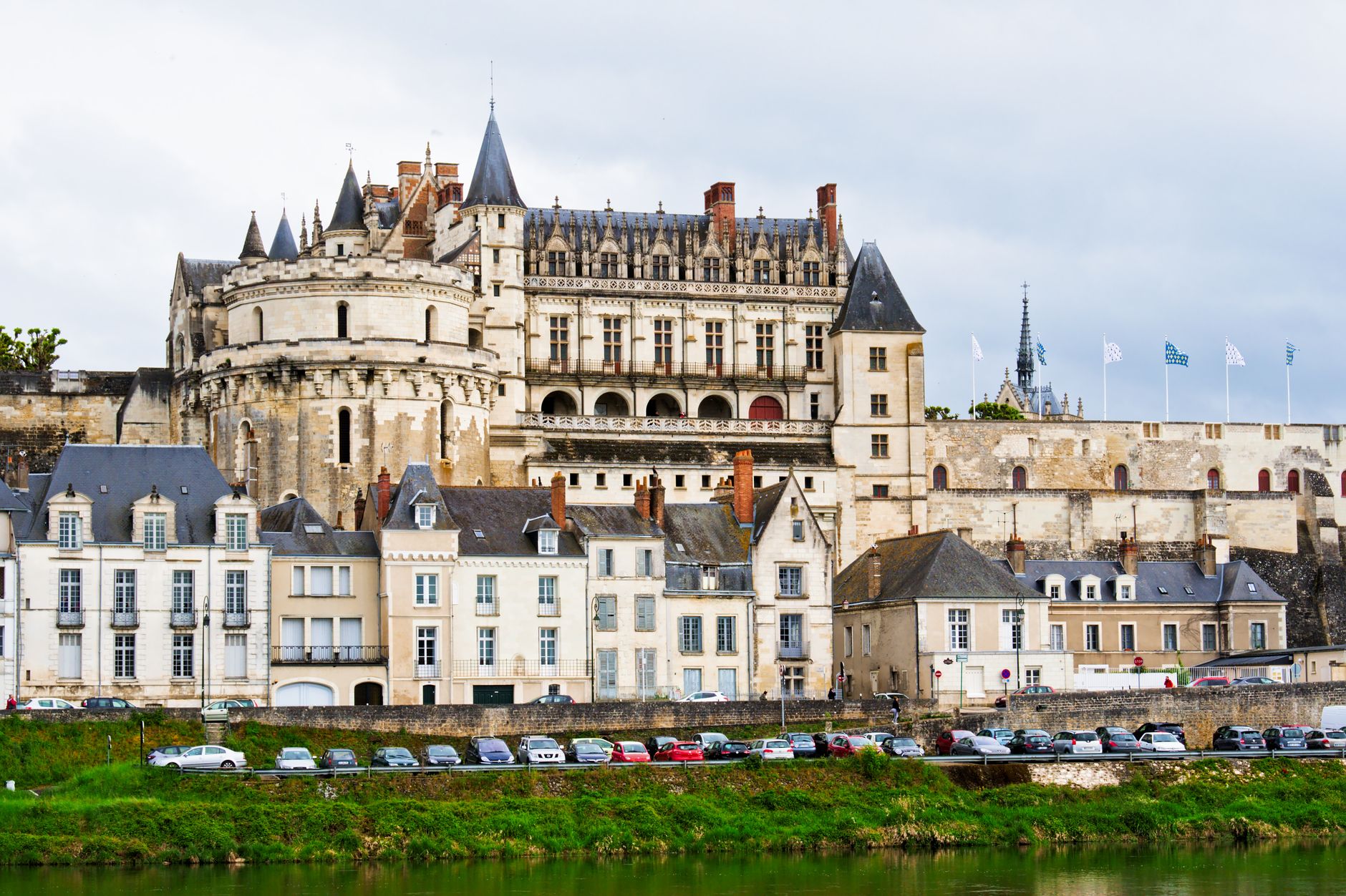

Saumur sits along the Loire river, twenty-five minutes by direct train east of Angers and two hours southwest of Paris. It is renowned for its pale tuffeau limestone castle, deep subterranean cellars ageing sparkling Crémant de Loire, and the classical riding masters of the Cadre Noir. Saumur is worth visiting if you want to drink bone-dry Chenin Blanc and Cabernet Franc inside cool troglodyte caves and explore quiet riverbanks by bicycle. Look elsewhere if you want high-energy nightlife or late-night dining options.
Last updated 6 Oct 2026
Build a Saumur itinerary.
Choose up to 4 threads that pull you in. Your plan arrives organised around them.
The Bed
Where to stay in Saumur
Which part of town to book, and what each one costs you in walking, noise or quiet.
The Comparison
Saumur, or somewhere near it
The places you are realistically choosing between, and the honest case for each.
The Local Record
Where to read more about Saumur
The blogs, boards, guides and operators worth bookmarking.
What to do in Saumur Pays de la Loire France
Saumur sits folded between pale cliffs and the wide sweep of the Loire. Daily life revolves around morning market stalls at Place Saint-Pierre, cellar tastings in subterranean tunnels, and cycling along quiet riverside paths. It suits independent travellers who prefer regional cooking, ancient stone towns, and unhurried afternoons with a glass of Saumur-Champigny over packed museum circuits.
24 hours in Saumur Pays de la Loire France
Start at the château ramparts for broad river views before walking down to Place Saint-Pierre. Lunch on pike-perch with beurre blanc along Quai Mayaud, then spend the afternoon touring the deep wine cellars of Ackerman or Bouvet Ladubay in Saint-Hilaire-Saint-Florent. Finish with hot fouées baked in wood-fired ovens. Select 1 Day above to see it.
2 days in Saumur Pays de la Loire France
Head east along the riverbank to the troglodyte village of Souzay-Champigny, carved directly into the limestone bluffs. Spend the afternoon sampling Cabernet Franc at small family cellars in the Saumur-Champigny appellation. For dinner, sit down to grilled galipettes filled with snail butter or rillettes in a cliffside cave. Choose 2 Days to expand the plan.
3 days in Saumur Pays de la Loire France
A third day allows an easy morning trip to the Royal Abbey of Fontevraud, the vast twelfth-century monastic complex holding Plantagenet royal tombs. In the afternoon, watch the Cadre Noir riding masters at Saint-Hilaire or hire a canoe to paddle around the sandy spits of the Loire before an evening glass of chilled Crémant.
Saumur Pays de la Loire France itineraries by interest
Wine & Vineyards in Saumur Pays de la Loire France
Descend into chalk cellars along the Loire to sample sparkling Crémant de Loire, crisp Chenin Blanc, and earthy, red-fruited Cabernet Franc.
Equestrian Traditions in Saumur Pays de la Loire France
Watch the elite Cadre Noir riders school French saddle horses in classical dressage at the national riding school along the Saint-Hilaire plateau.
Troglodyte Architecture in Saumur Pays de la Loire France
Tour hillside quarry tunnels in Souzay-Champigny and Turquant, where homes, craft workshops, and restaurants sit carved into soft tuffeau stone.
River Dining in Saumur Pays de la Loire France
Eat sandre with beurre blanc and rillettes d'Anjou at terrace bistros facing the river islands along Quai Mayaud.
Castles & Fortresses in Saumur Pays de la Loire France
Walk the ramparts of the fourteenth-century ducal fortress overlooking the Loire, holding medieval tapestries and decorative arts.
Markets & Produce in Saumur Pays de la Loire France
Shop the Saturday morning market at Place Saint-Pierre for Sainte-Maure goat cheese, Reine Claude plums, and warm fouées filled with rillettes.
Cycling in Saumur Pays de la Loire France
Ride the flat La Loire à Vélo path east toward Montsoreau, passing limestone cliffs, vineyard plots, and traditional flat-bottomed wooden boats.
Mushroom Farming in Saumur Pays de la Loire France
Visit subterranean caves producing button, oyster, and shiitake mushrooms, then eat stuffed grilled galipettes cooked over vine-wood coals.
Historic Churches in Saumur Pays de la Loire France
Step inside the Romanesque Church of Saint-Pierre to view its twelfth-century tapestries and the carved choir stalls of the Notre-Dame-des-Ardilliers.
Military History in Saumur Pays de la Loire France
Inspect French armoured vehicles at the Musée des Blindés, housing over two hundred functional tanks from World War One to the Cold War.
Baking Traditions in Saumur Pays de la Loire France
Order wood-fired fouées, small hollow pockets of bread served piping hot and stuffed with white beans, duck rillettes, or goat curd.
Day Trips in Saumur Pays de la Loire France
Drive fifteen minutes east to the Royal Abbey of Fontevraud to visit the painted stone effigies of Eleanor of Aquitaine and Richard the Lionheart.