

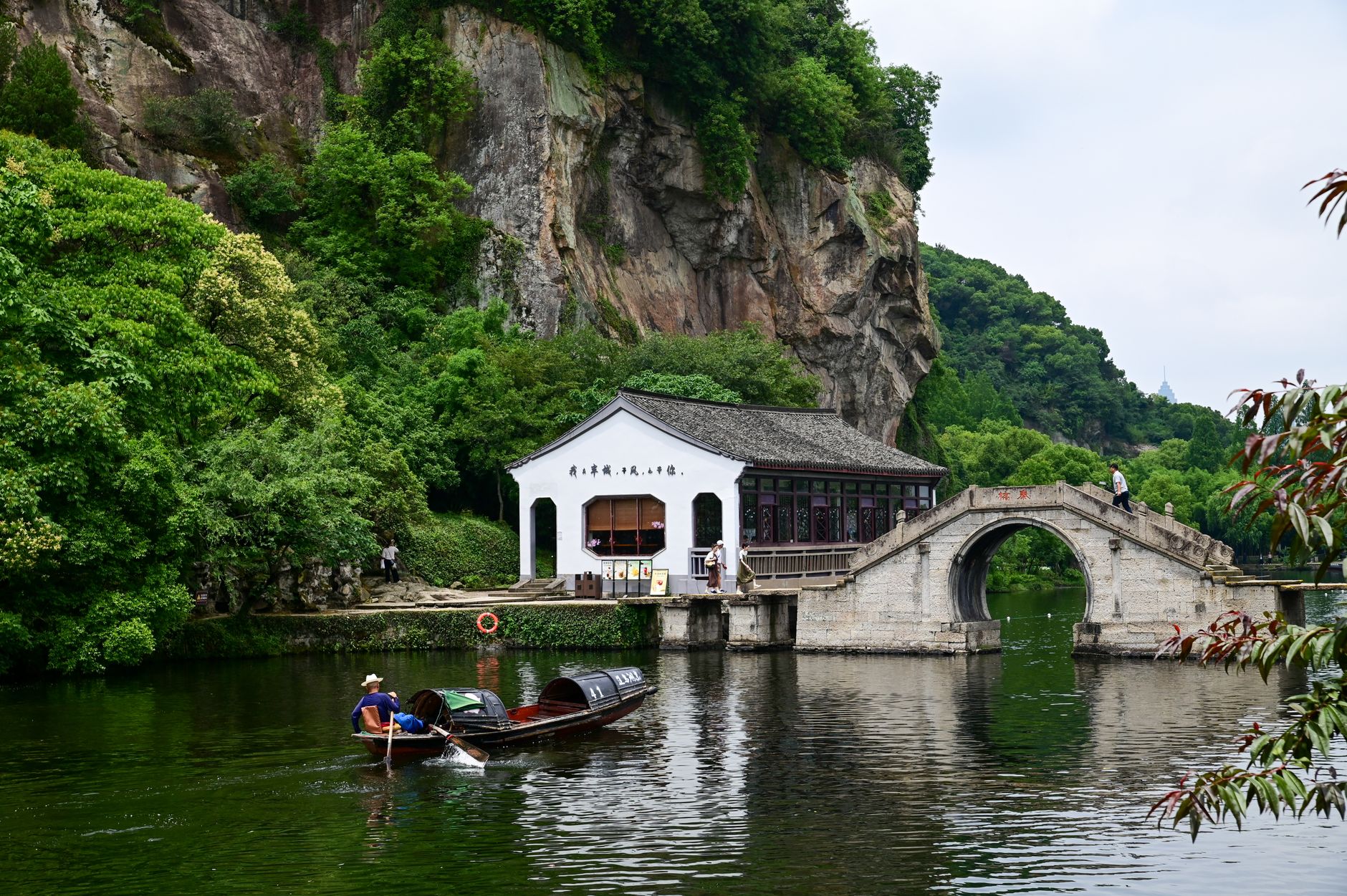


Shaoxing sits twenty minutes southeast of Hangzhou by high-speed rail, cut through by ancient stone canals and defined by its dark-awning wooden skiffs. The city is famous across China for brewing amber rice wine in terracotta jugs and producing twentieth-century literary giants. Shaoxing is worth visiting if you want to drink aged huangjiu by quiet canals and wander old stone alleys lined with drying greens. Look elsewhere if you want high-energy nightlife or Western-style cocktail bars.
Last updated 8 Nov 2026
Build a Shaoxing itinerary.
Choose up to 4 threads that pull you in. Your plan arrives organised around them.
The Bed
Where to stay in Shaoxing
Which part of town to book, and what each one costs you in walking, noise or quiet.
The Comparison
Shaoxing, or somewhere near it
The places you are realistically choosing between, and the honest case for each.
The Local Record
Where to read more about Shaoxing
The blogs, boards, guides and operators worth bookmarking.
What to do in Shaoxing Zhejiang China
Life in Shaoxing moves along narrow canals spanned by stone bridges older than most modern nations. Days are spent walking flagstone lanes in Yuecheng district, drinking amber rice wine from chipped porcelain bowls, and eating pungent fermented tofu on canal corners. It suits independent walkers and readers who prefer quiet neighbourhood rhythms to the glass towers of nearby provincial capitals.
24 hours in Shaoxing Zhejiang China
Start early at Lu Xun Native Place before tour groups arrive, then stop at Xianheng Tavern for braised pork belly and fennel beans. Spend the afternoon crossing the granite span of Bazi Bridge, ending with a slow evening walk along Cangqiao Straight Street as shopkeepers light red lanterns. Select 1 Day above to see it.
2 days in Shaoxing Zhejiang China
A second day lets you explore the Shusheng Hometown neighbourhood at an unhurried pace, watching residents dry fish on stone docks. Head south in the afternoon to Lanting Pavilion for peaceful bamboo groves, followed by a dinner of drunken crab and steamed river fish at a neighbourhood back-alley eatery. Choose 2 Days to expand the plan.
3 days in Shaoxing Zhejiang China
With three days, take a thirty-minute taxi south to Mount Kuaiji and the monumental Dayu Mausoleum, or explore the strange excavated cliffs of Keyan. Return to the city for an afternoon boat ride from City God Temple pier, giving your feet a rest while the boatman sculls you through residential waterways.
Shaoxing Zhejiang China itineraries by interest
Fermented Foods in Shaoxing Zhejiang China
Crispy stinky tofu with chilli paste, fermented dried mustard greens steamed with pork belly, and pungent amaranth stalks served alongside rice.
Local Wine in Shaoxing Zhejiang China
Taste amber huangjiu poured warm from ceramic jugs, sampled dry, semi-sweet, or poured directly over soft milk ice cream along Cangqiao Straight Street.
Canal Walks in Shaoxing Zhejiang China
Cross the Song-dynasty stone span of Bazi Bridge and wander the narrow flagstones of Cangqiao Straight Street past whitewashed waterfront homes.
Boat Travel in Shaoxing Zhejiang China
Board a foot-rowed wupeng wooden boat with black-painted canvas canopies at City God Temple pier to navigate the narrow suburban waterway network.
Literary Heritage in Shaoxing Zhejiang China
Tour Lu Xun Native Place, inspecting the wooden desks of Sanwei Study and the leafy vegetable patches of Baicao Garden described in his famous stories.
Calligraphy in Shaoxing Zhejiang China
Visit Lanting Pavilion in the bamboo foothills of Mount Kuaiji, where fourth-century master Wang Xizhi composed the Orchid Pavilion Preface.
Old Town Alleys in Shaoxing Zhejiang China
Explore the Shusheng Hometown quarter, where locals wash laundry along stone canal steps under sweeping black-tile roofs and carved wooden lintels.
Regional Snacks in Shaoxing Zhejiang China
Nibble anise-spiced fennel beans at Xianheng Tavern, fried yellow croaker fish, and sweet glutinous rice cakes stamped with sesame seeds.
Mountain Temples in Shaoxing Zhejiang China
Climb through the tea groves of Mount Kuaiji to Dayu Mausoleum, dedicated to the ancient king who tamed the prehistoric waters of the Yangtze.
Historic Bridges in Shaoxing Zhejiang China
Seek out the arched Guangning Bridge and Tiangou Bridge, two of hundreds of Song and Ming dynasty granite river crossings throughout Yuecheng.
Day Trips in Shaoxing Zhejiang China
Ride a local bus forty minutes west to Keyan Scenic Area to view towering sheer stone quarries and carve-outs left behind by ancient miners.
Cured Meats in Shaoxing Zhejiang China
Sample Shaoxing drunken chicken marinated in aged rice wine, alongside ducks air-cured on bamboo racks under canal-side eaves in winter.