Toruń.



Toruń sits two hours south of Gdańsk and three hours northwest of Warsaw by direct PKP train. It is known for its intact fourteenth-century red-brick Gothic Old Town, which escaped wartime destruction, and its centuries-old tradition of spiced gingerbread. Toruń is worth visiting if you want to explore preserved medieval defensive walls, eat pierniki baked from historic wooden moulds, and see where Copernicus lived. Look elsewhere if you want late-night clubbing, fast metropolitan transit, or broad natural parks.
Last updated 2 Nov 2026
Build a Toruń itinerary.
Choose up to 4 threads that pull you in. Your plan arrives organised around them.
The Bed
Where to stay in Toruń
Which part of town to book, and what each one costs you in walking, noise or quiet.
The Comparison
Toruń, or somewhere near it
The places you are realistically choosing between, and the honest case for each.
The Local Record
Where to read more about Toruń
The blogs, boards, guides and operators worth bookmarking.
What to do in Toruń Kuyavian-Pomeranian Voivodeship Poland
Toruń centres on Rynek Staromiejski, a grand paved square anchored by the massive brick Town Hall. The compact Old Town is bordered by the Vistula River and medieval defensive walls, making walking effortless. Days revolve around architectural exploration, tasting spiced ginger biscuits, and lingering in cellar restaurants. It suits travellers who appreciate unhurried provincial rhythms, Gothic history, and straightforward Polish cooking.
24 hours in Toruń Kuyavian-Pomeranian Voivodeship Poland
Start at the Old Town Hall tower by 10:00 for city views, then walk Kopernika to see the astronomer's home. Order sour rye zurek and pierogi at a cellar restaurant off Szeroka. Spend the late afternoon by the Teutonic Castle ruins before crossing the Vistula bridge at dusk for the skyline view. Select 1 Day above to see it.
2 days in Toruń Kuyavian-Pomeranian Voivodeship Poland
A second day lets you cross into the New Town around Rynek Nowomiejski and explore St. James Church. Tour the nineteenth-century Fort IV artillery tunnels in the afternoon, then settle into a tavern on Podmurna for roasted duck, red cabbage, and cold Baltic porter. Choose 2 Days to expand the plan.
3 days in Toruń Kuyavian-Pomeranian Voivodeship Poland
Three days allow a morning train north to the medieval walled town of Chełmno or a quiet afternoon in the park at Bydgoskie Przedmieście, admiring wooden Prussian villas. Finish with an unhurried gingerbread baking workshop and dinner on the riverbank.
Toruń Kuyavian-Pomeranian Voivodeship Poland itineraries by interest
Baking Traditions in Toruń Kuyavian-Pomeranian Voivodeship Poland
Bake spiced pierniki toruńskie from carved linden-wood moulds at the Living Museum of Gingerbread on Rabiańska.
Sacred Architecture in Toruń Kuyavian-Pomeranian Voivodeship Poland
Climb the tower at the Cathedral of St. John the Baptist and John the Evangelist to inspect its fourteenth-century Gothic vaults.
Astronomical History in Toruń Kuyavian-Pomeranian Voivodeship Poland
Visit the red-brick Nicolaus Copernicus House on Kopernika and view early printed editions at the Old Town Hall museum.
Defensive Fortifications in Toruń Kuyavian-Pomeranian Voivodeship Poland
Walk the Teutonic Castle ruins along Przedzamcze, the leaning tower Krzywa Wieża, and the surviving Vistula river gates.
Regional Food in Toruń Kuyavian-Pomeranian Voivodeship Poland
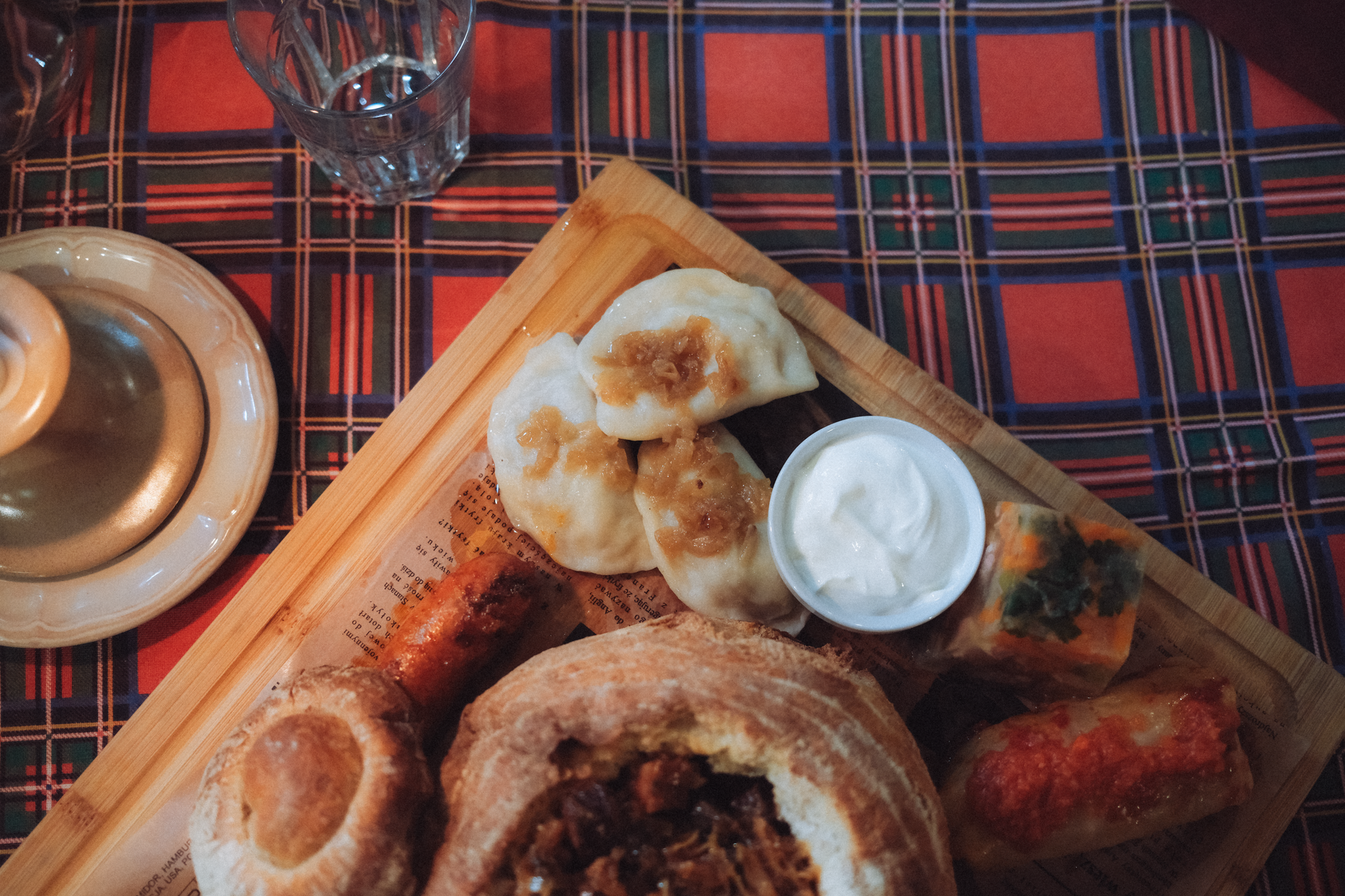
Eat goose breast, zurek soup served in rye bread bowls, and potato babka in the cellars off Rynek Staromiejski.
River Walks in Toruń Kuyavian-Pomeranian Voivodeship Poland
Stroll the Bulwar Filadelfijski along the Vistula, crossing the bridge for night views of the illuminated Gothic skyline.
Craft Beer in Toruń Kuyavian-Pomeranian Voivodeship Poland
Sample Baltic porters, unpasteurised pilsners, and regional craft lagers at browars and taprooms along Podmurna.
Market Produce in Toruń Kuyavian-Pomeranian Voivodeship Poland
Shop for smoked plums, sheep cheeses, pickled cucumbers, and local honey at the open stalls of Rynek Nowomiejski.
Art Collections in Toruń Kuyavian-Pomeranian Voivodeship Poland
Study Gothic stone carvings, wood panels, and Dutch golden age canvases inside the fourteenth-century Ratusz Staromiejski.
Day Trips in Toruń Kuyavian-Pomeranian Voivodeship Poland
Take a 45-minute train to Chełmno to walk nine intact Gothic churches and preserved defensive ramparts above the Vistula.
Local Cafes in Toruń Kuyavian-Pomeranian Voivodeship Poland
Drink dark drip coffee with spiced honey cake in quiet courtyards off Szeroka and along the historic paving of Szewska.
Military Heritage in Toruń Kuyavian-Pomeranian Voivodeship Poland
Explore the nineteenth-century Prussian brick forts, artillery bunkers, and subterranean tunnels of Twierdza Toruń.