Trabzon.


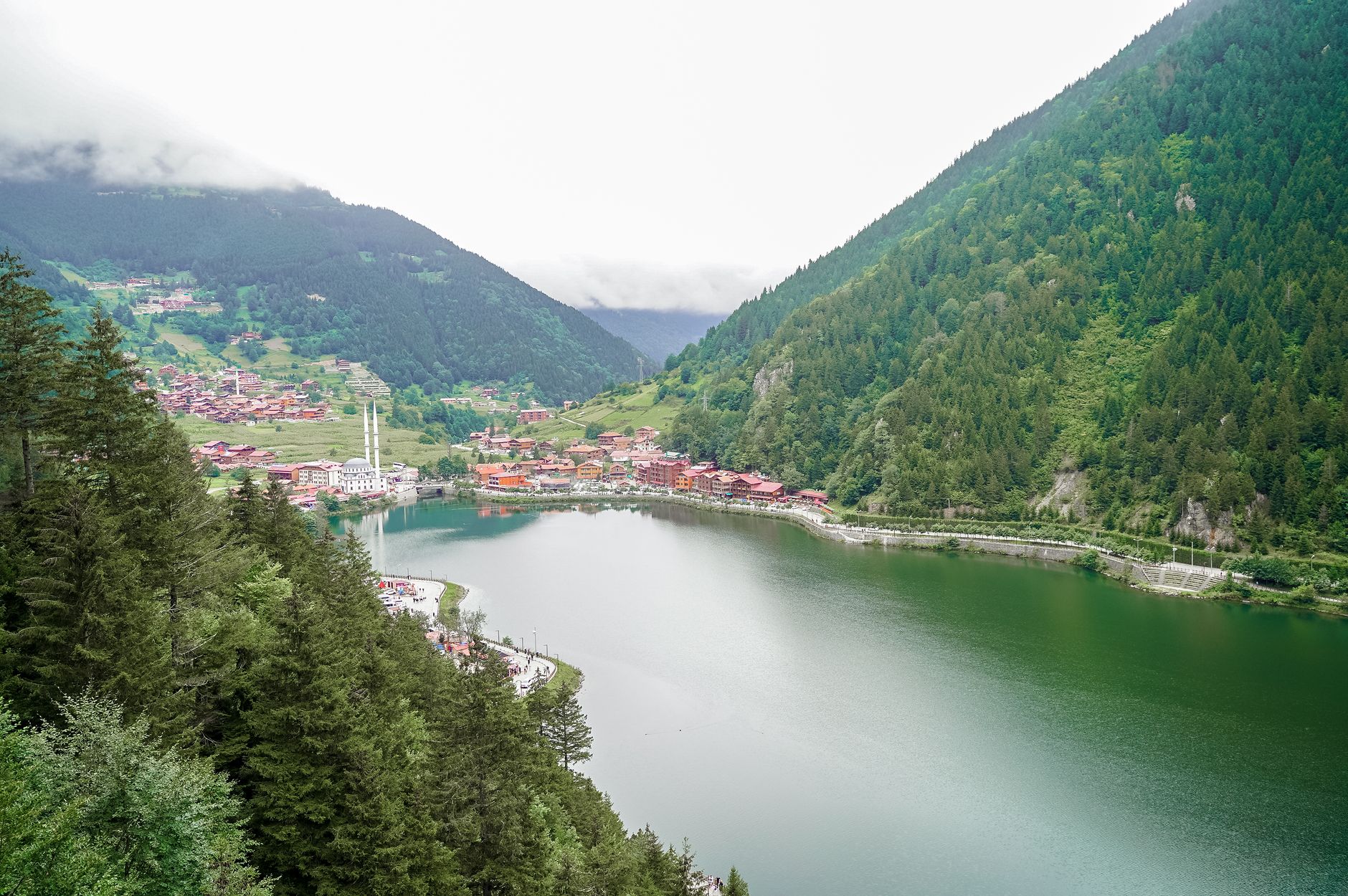
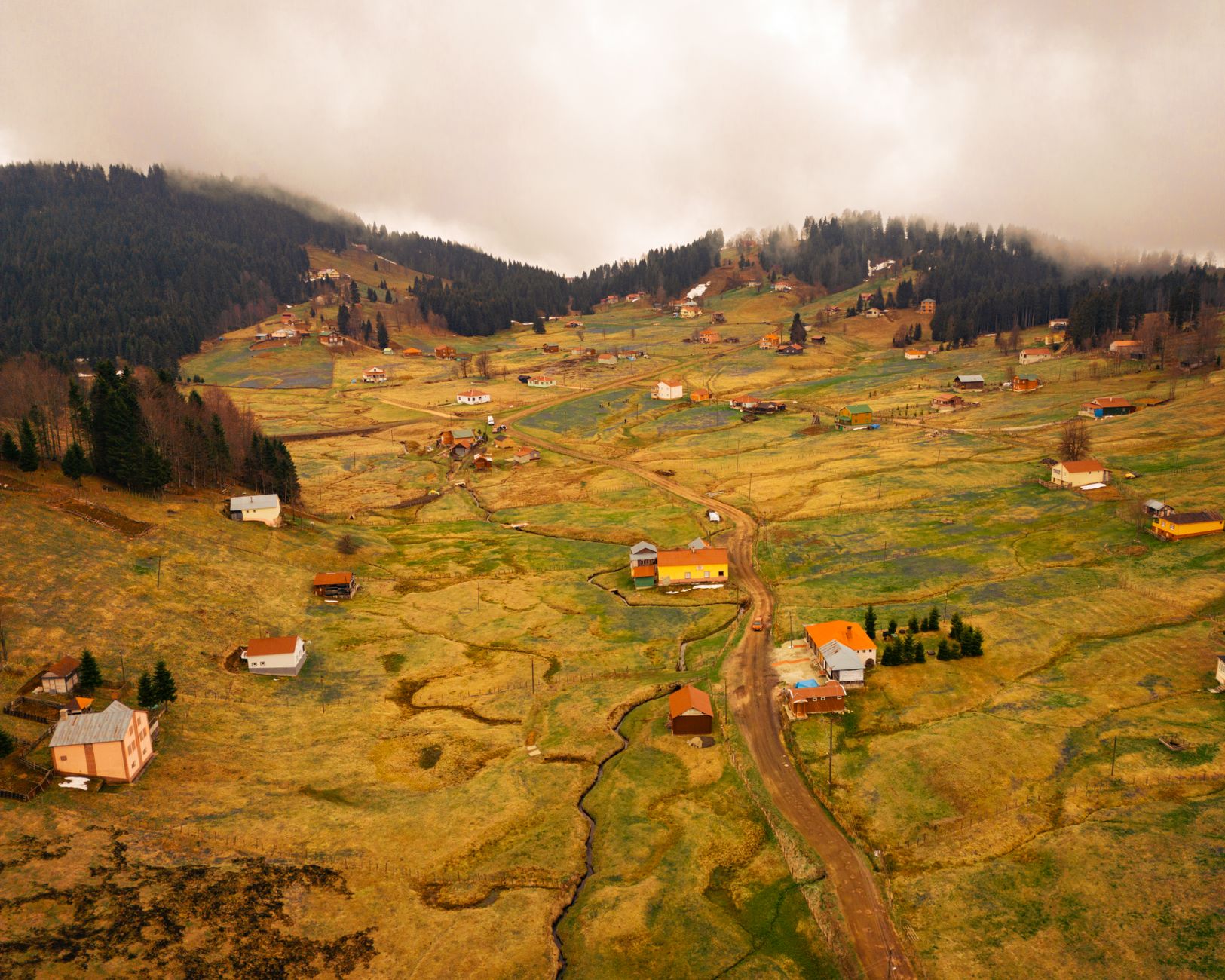


Trabzon sits on the eastern Black Sea coast, a two-hour flight from Istanbul or a scenic six-hour drive east from Samsun. Long the capital of the Empire of Trebizond, it is defined by Byzantine stone churches, steep tea-terraced hills, and a fiercely distinct regional kitchen built on winter anchovies and molten cheese. Trabzon is worth visiting if you want to eat rich skillet breakfasts above the harbour and see Byzantine frescoes clinging to sheer Pontic cliffs. Look elsewhere if you want broad sandy beaches, guaranteed sunshine, a lively nightlife scene, or a flat, easily walkable city centre.
Last updated 9 Sept 2026
Build a Trabzon itinerary.
Choose up to 4 threads that pull you in. Your plan arrives organised around them.
We'll craft a 1-lens plan for Trabzon, one collapsible strand per lens.
Mountain Passes
Cross the Zigana Pass toward Gümüşhane, stopping along the historical silk route for walnut pestil and dried fruit sheets at roadside stalls.
Mountain Passes
Cross the Zigana Pass toward Gümüşhane, stopping along the historical silk route for walnut pestil and dried fruit sheets at roadside stalls.
Black Sea Cornmeal Kuymak
Boztepe Çay Bahçesi
Order the kuymak bubbling hot alongside fresh sourdough bread and a samovar of Rize tea. Tables are unreserved; arrive by half eight for ridge views.
Editor TipPontic shepherds perfected this mix of toasted cornmeal and Kolot cheese to survive damp mountain mornings before hauling goods across Zigana Pass. Tear the bread crust first and pull the cheese upward until it snaps. Do not use a fork unless you want pity.
Akçaabat Meatballs and Piyaz
Tarihi Cemilusta
Walk right in off Atatürk Meydanı without reservations. Order a portion of Akçaabat köftesi with grilled green peppers and white bean piyaz. Dinner takes one hour.
Editor TipReared on high Pontic mountain pastures, Trabzon beef is minced with garlic and local sourdough breadcrumbs, grilled over hazelnut-shell charcoal. Pair the köfte with fresh ayran; the cold yogurt cuts clean through the garlic and rich mountain beef.
Tasting Highland Yayla Cheeses
Kadınlar Pazarı
Wander the ground-floor stalls between 8:30 and 10:00 for the freshest dairy. Bring cash to sample mountain kolot, smoked village cheese, and wild-flower butter by the gram.
Editor TipHighland herders have crossed the Zigana passes for centuries to sell raw-milk cheeses cured in animal hides, bringing the pasture grasses of the Pontic Alps straight to the coast. Ask for aged kolot peyniri; if the vendor offers a slice off the wheel on the tip of his knife, accept it without hesitation.
Hammering Mountain Copper and Bells
Trabzon Bakırcılar Çarşısı
Walk the narrow stone lane behind Kemeraltı where smiths work unbothered. Browse shallow kuymak pans and tuned bronze bells; allow forty-five minutes and prepare to barter gently.
Editor TipPontic coppersmiths equipped centuries of caravans traversing the treacherous silk passes toward Erzurum with forged cookware and distinctive bells tuned to pierce heavy alpine fog. Look for heavy hand-hammered sahan pans with tin lining; machine-stamped tourist copies feel feather-light and burn your butter.
Brown-Butter Highland Pilaf
Tarihi Kalkanoğlu Pilavcısı
Take a wooden stool and order the beef kavurma over buttery rice with foamy yayık ayran. Pay at the register; they close when the giant copper basin empties around 20:30.
Editor TipOperating since 1856, this hearth owes its rich rice to clarified butter carted down from the high Pontic mountain pastures of Tonya along the historic inland trade routes. Ask for pickled local cabbage on the side to balance the mountain butter, and arrive before 19:30 to avoid missing out.
Mountain Village Sütlaç
Tarihi Hamsiköy Seyrantepe
Drive forty minutes south from Trabzon and order the browned clay-dish sütlaç with crushed hazelnuts. Expect to pay thirty lira; allow an hour before the tour coaches arrive.
Editor TipHamsiköy sits on the old northern trade route where cold alpine grass produces high-fat unpasteurised milk, creating the dense baked custard that fuelled caravans for centuries. Eat it lukewarm rather than chilled to actually taste the caramelised fat cap properly.
Old Silk Road Crossing
Eski Zigana Geçidi
Bypass the modern transit tunnel for the snaking old D885 pass road to 2,032 metres. Pull into the gravel crest for thirty minutes of walking along the stone ridges.
Editor TipThis treacherous saddle across the Pontic Mountains provided the sole historic link between Trabzon harbour and the Persian interior, famously traversed by Xenophon's Ten Thousand. Pack an extra wool layer. The pass is often twenty degrees colder than the coast.
Oven-Baked Mountain Rice Pudding
Hacı Fahrettin Hamsiköy Sütlacı
Drive thirty minutes up from Maçka along the old caravan route. Order the clay-dish sütlaç dusted with ground hazelnuts; pay cash at the counter and allow forty-five minutes to eat unhurriedly.
Editor TipPerched on the northern climb to the Zigana Pass, Hamsiköy built its reputation on high-altitude pasture milk, simmered slowly and browned under direct heat until the skin blisters. Ask for extra crushed Giresun hazelnuts on top; the unroasted crunch cuts the rich, fatty milk perfectly.
Charcoal-Grilled Garlic Meatballs
Cemilusta Akçaabat
After descending the mountain switchbacks to the coast, grab a seaside table. Order a portion of Akçaabat köftesi with grilled peppers, piyaz bean salad, and local ayran. No reservation required.
Editor TipCrafted by local butchers since the late nineteenth century, these minced beef patties rely on aged local beef, garlic, and fresh breadcrumbs, cooked briskly over smoking oak charcoal. Order the cold pickled green beans alongside your plate to balance the heavy garlic and rendered fat.
Wildcards
Worth your time whatever brought you here.
Wildcards
Worth your time whatever brought you here.
Thirteenth-Century Byzantine Frescoes
Trabzon Hagia Sophia
Entry is free outside prayer times. Walk the perimeter gardens to inspect the southern frieze depicting the expulsion from Eden before heading inside.
Editor TipBuilt by Emperor Manuel I when Trebizond ruled the coastal valleys, this stone sanctuary stood as the spiritual beacon for traders emerging from the high alpine trails. Bring a lightweight scarf for entry and look straight up at the central dome vaulting for the restored Christ Pantocrator.
Note from the Editor
“Start at Boztepe before the tour buses rumble up at ten. The tea is hot, the butter is serious business, and you will understand immediately why mountain traders stopped here first.”
The Bed
Where to stay in Trabzon
Which part of town to book, and what each one costs you in walking, noise or quiet.
The Comparison
Trabzon, or somewhere near it
The places you are realistically choosing between, and the honest case for each.
The Local Record
Where to read more about Trabzon
The blogs, boards, guides and operators worth bookmarking.
What to do in Trabzon Black Sea Coast Türkiye
Trabzon sits crammed between green Pontic ridges and a gray Black Sea. Life moves between the noisy brass and copper stalls of the Kemeraltı bazaar, steam-filled pide bakeries, and tea gardens overlooking the docks. It suits independent travellers who prefer regional food, cool mountain air, and layered Byzantine history over Mediterranean resort polish.
24 hours in Trabzon Black Sea Coast Türkiye
Spend morning inside the thirteenth-century Hagia Sophia admiring its South Porch reliefs. Head west fifteen minutes to Akçaabat for char-grilled köfte and kuymak. By late afternoon, walk the ancient stone walls of Ortahisar down to the Ganita seafront for tea as fishing boats return. Select 1 Day above to see it.
2 days in Trabzon Black Sea Coast Türkiye
Day two takes you an hour south through spruce forests to the cliffside perch of Sumela Monastery. On the return drive, stop in Maçka for trout baked in butter. Spend the evening in the leafy Soğuksu district, touring the white pavilion of Atatürk Pavilion before dining on Black Sea hamsi. Choose 2 Days to expand the plan.
3 days in Trabzon Black Sea Coast Türkiye
A third day allows a drive into the high pastures of the Kaçkar foothills or a morning run east to Sürmene to watch knife makers at work and eat oval cheese pide hot from brick ovens. Finish with sunset over the harbour from Boztepe hill with a brass samovar on the table.
Trabzon Black Sea Coast Türkiye itineraries by interest
Local Seafood in Trabzon Black Sea Coast Türkiye
Watch boats unload Black Sea hamsi in winter, fried crisp in cornmeal or baked with herbs, alongside seasonal palamut and turbot.
Sacred Architecture in Trabzon Black Sea Coast Türkiye
Climb to cliff-hanging Sumela Monastery in Altındere Valley and examine thirteenth-century Pontic frescoes inside Trabzon Hagia Sophia.
Regional Breakfasts in Trabzon Black Sea Coast Türkiye
Scoop bubbling kuymak made with local butter and string cheese using crusty corn bread at classic family-run morning spots in Akçaabat.
Meat Traditions in Trabzon Black Sea Coast Türkiye
Sample minced-meat Akçaabat köftesi grilled with garlic and beef suet, served with piyaz white-bean salad and roasted green peppers.
Old Town Walks in Trabzon Black Sea Coast Türkiye
Walk the stone ramparts of the Ortahisar fortress, crossing the Roman bridge to browse copper workshops along Kemeraltı bazaar.
Mountain Excursions in Trabzon Black Sea Coast Türkiye
Drive south through spruce forests to the alpine lake of Uzungöl or the high yayla summer pastures of Hıdırnebi for wood-stove tea.
Craft Traditions in Trabzon Black Sea Coast Türkiye
Search the goldsmiths in the central bazaar for telkari silver filigree and Trabzon hasırı wire bracelets hand-woven by local masters.
Tea & Orchards in Trabzon Black Sea Coast Türkiye
Sip Rize black tea poured from double samovars while looking over steep tea plantations and hazelnut groves on the Pontic mountain slopes.
Ottoman Architecture in Trabzon Black Sea Coast Türkiye
Tour the nineteenth-century Atatürk Mansion in Soğuksu, built in Art Nouveau style with white wood fretwork among pine gardens.
Bakery Traditions in Trabzon Black Sea Coast Türkiye
Track down wood-fired Sürmene pide stuffed with butter, eggs, and local kolot cheese, cut straight from long hearth-baked sourdough flatbreads.
Coastal Harbours in Trabzon Black Sea Coast Türkiye
Walk the seaside corniche at Ganita park in the late afternoon for salted sunflower seeds, dark Turkish tea, and small fishing skiffs.
Mountain Passes in Trabzon Black Sea Coast Türkiye
Cross the Zigana Pass toward Gümüşhane, stopping along the historical silk route for walnut pestil and dried fruit sheets at roadside stalls.