Villefranche-sur-Mer.
.jpg)


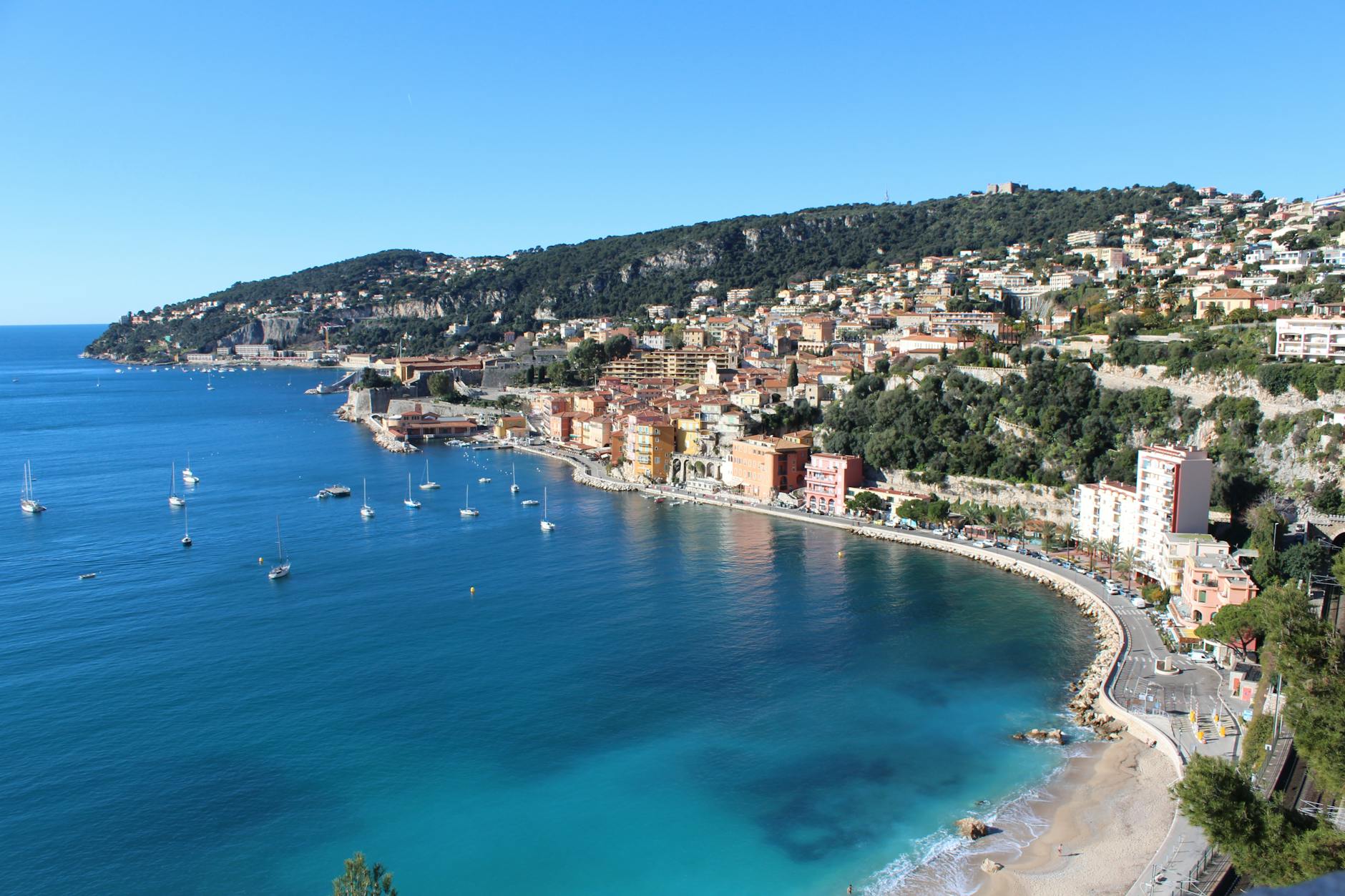
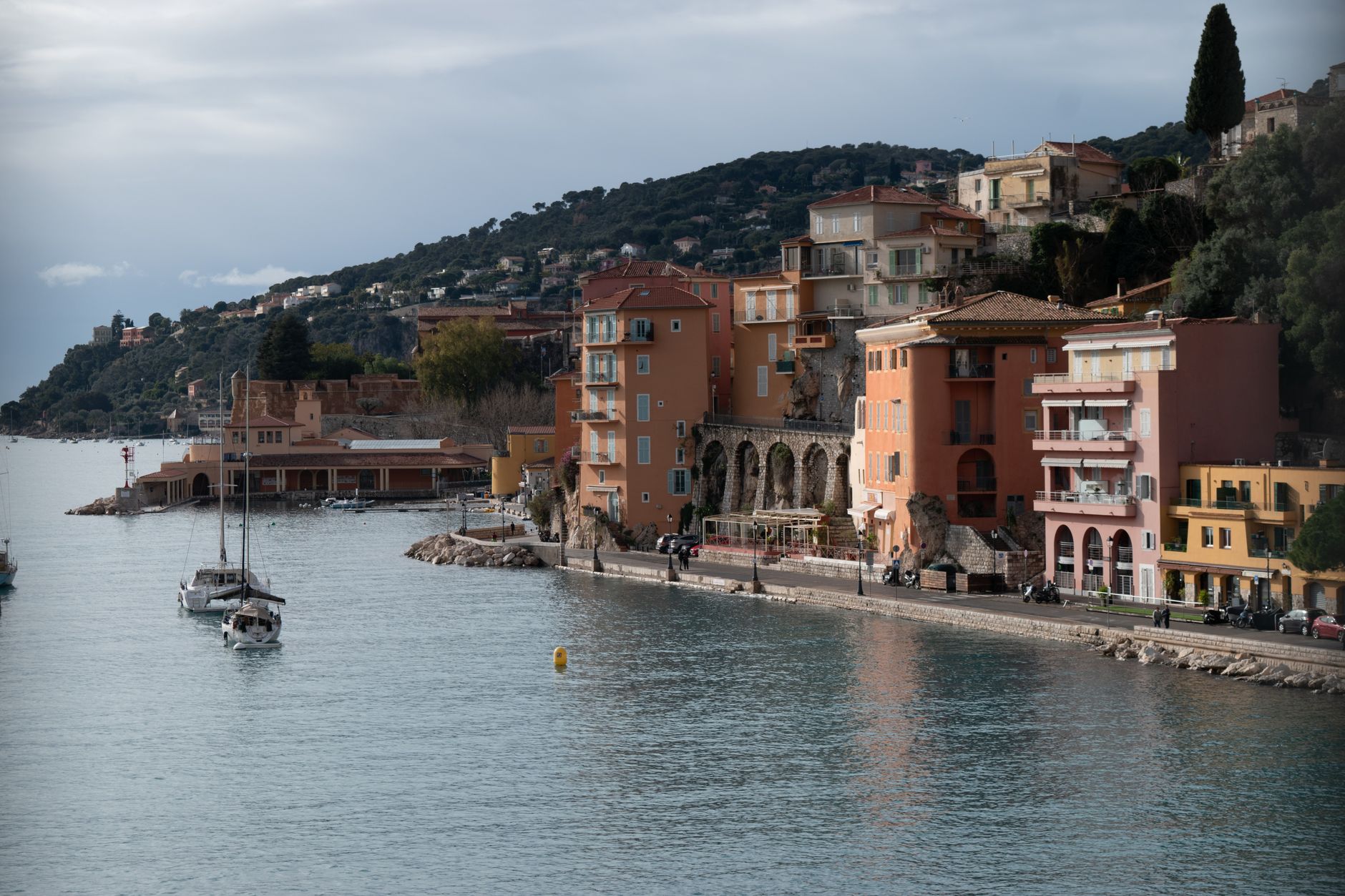
Deep water drops steeply right off the quayside, dark indigo against ochre facades stacked into the limestone hill. You step off the TER train straight above Plage des Marinières, where local commuters nod to fishermen sorting longlines. Behind the port, the fourteenth-century Rue Obscure runs subterranean and stone-cool under the houses, smelling faintly of damp cellar and laundry. The stairs will test your knees, but they keep the crowds manageable. Villefranche-sur-Mer is worth visiting if you want deep-water harbour swimming and quiet vaulted stone streets without the gloss of Monaco. Look elsewhere if you need flat, step-free walking, late-night clubs, broad sandy beaches, or a deep roster of indoor museums.
Last updated 5 Sept 2026
Build a Villefranche-sur-Mer itinerary.
Choose up to 4 threads that pull you in. Your plan arrives organised around them.
The Bed
Where to stay in Villefranche-sur-Mer
Which part of town to book, and what each one costs you in walking, noise or quiet.
The Comparison
Villefranche-sur-Mer, or somewhere near it
The places you are realistically choosing between, and the honest case for each.
The Local Record
Where to read more about Villefranche-sur-Mer
The blogs, boards, guides and operators worth bookmarking.
What to do in Villefranche-sur-Mer Provence-Alpes-Côte d'Azur France
The town sits in a natural amphitheatre around one of the deepest anchorages in the Mediterranean. Days unfold simply: morning espresso on Place Amélie Pollonais, exploring steep stone stairways up to Saint-Michel Church, and afternoon swims off the pebble beach at Plage des Marinières. It suits travellers who prefer walkable train connections, honest bistro cooking, and quiet waterfront evenings over the formal glitz of neighbouring resort cities.
24 hours in Villefranche-sur-Mer Provence-Alpes-Côte d'Azur France
Start early at Chapelle Saint-Pierre before the light shifts, then walk the dim length of Rue Obscure. Lunch on pan bagnat along Quai Courbet. Spend your afternoon swimming at Marinières beach, just five minutes from the train station. Finish with whole sea bream and a carafe of chilled Vermentino at a quayside table as fishing boats tie up. Select 1 Day above to see it.
2 days in Villefranche-sur-Mer Provence-Alpes-Côte d'Azur France
Head west past Port de la Darse to hike the scenic shoreline footpath around Saint-Jean-Cap-Ferrat. Tour the rose-coloured Villa Ephrussi and its clifftop grounds. For dinner back in Villefranche, climb into the upper village away from the waterfront for slow-braised daube provençale and gnocchi served in a family-run alleyway bistro. Choose 2 Days to expand the plan.
3 days in Villefranche-sur-Mer Provence-Alpes-Côte d'Azur France
Ride the local bus twenty minutes up to medieval Èze village to walk the steep botanical garden, or catch the regional train ten minutes west into Nice for the Cours Saleya market. Return for an unhurried late afternoon swimming off the stone ramps of the old royal dockyard followed by a glass of Bellet rouge at the harbour.
Villefranche-sur-Mer Provence-Alpes-Côte d'Azur France itineraries by interest
Local Seafood in Villefranche-sur-Mer Provence-Alpes-Côte d'Azur France
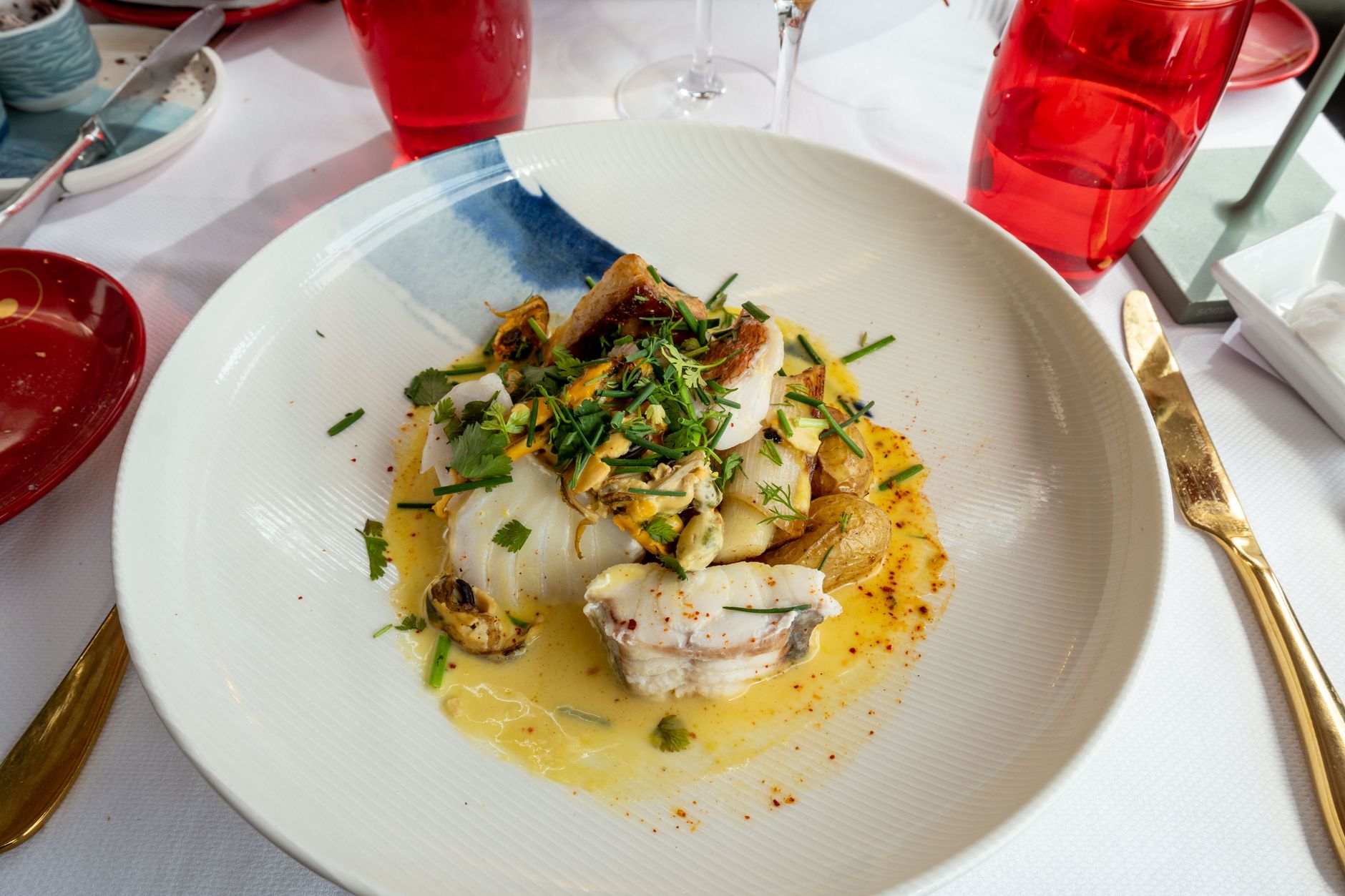
Order rascasse, rouget, and sea bream grilled whole with fennel twigs along Quai de l'Amiral Courbet, served alongside garlicky aioli and local rosé.
Modern Art in Villefranche-sur-Mer Provence-Alpes-Côte d'Azur France
Enter Chapelle Saint-Pierre to see Jean Cocteau's 1957 murals dedicated to local fishermen, painted directly onto the restored Romanesque limestone walls.
Military Architecture in Villefranche-sur-Mer Provence-Alpes-Côte d'Azur France
Walk the 16th-century Citadelle Saint-Elme, built by the Duke of Savoy to guard the bay, now housing free sculpture museums and quiet courtyard gardens.
Underground Streets in Villefranche-sur-Mer Provence-Alpes-Côte d'Azur France
Walk Rue Obscure, a 130-metre vaulted street built in 1260 under tenements to shelter soldiers and store olive oil and wine during naval bombardments.
Coastal Walks in Villefranche-sur-Mer Provence-Alpes-Côte d'Azur France
Walk the shoreline path around Cap Ferrat, passing limestone ledges, umbrella pines, and clear swimming coves near the Pointe de Saint-Hospice chapel.
Public Beaches in Villefranche-sur-Mer Provence-Alpes-Côte d'Azur France
Swim off the fine gravel of Plage des Marinières, or seek the smaller, shingle-lined cove at Plage de la Darse beside the old naval shipyard and dock.
Markets & Produce in Villefranche-sur-Mer Provence-Alpes-Côte d'Azur France
Browse the morning market at Place Amélie Pollonais for Cavaillon melons, Niçoise olives, fresh socca, and unpasteurised goat cheeses from the pre-Alps.
Maritime Heritage in Villefranche-sur-Mer Provence-Alpes-Côte d'Azur France
Explore Port de la Darse, an 18th-century royal dockyard featuring historic dry docks, vaulted rope factories, and wooden pointu fishing boats at rest.
Sacred Architecture in Villefranche-sur-Mer Provence-Alpes-Côte d'Azur France
Visit Saint-Michel Church, built in 1750s Italian Baroque style, with an active 1790 Grinda pipe organ and a life-size Christ carved from fig tree wood.
Wine & Vineyards in Villefranche-sur-Mer Provence-Alpes-Côte d'Azur France
Taste local Bellet AOC wines grown on nearby slopes, featuring rare Braquet and Folle Noire grapes paired with salt-crusted red mullet and tapenade.
Provencal Baking in Villefranche-sur-Mer Provence-Alpes-Côte d'Azur France
Pick up fresh pissaladière topped with slow-cooked onions, anchovies, and black cailletier olives from small artisan bakeries tucked along Rue du Poilu.
Gardens & Villas in Villefranche-sur-Mer Provence-Alpes-Côte d'Azur France
Visit Villa Ephrussi de Rothschild on Cap Ferrat to walk nine formal gardens above the bay, planted with Florentine cypresses, agaves, and heritage roses.