
_-_geograph.org.uk_-_6074825.jpg)
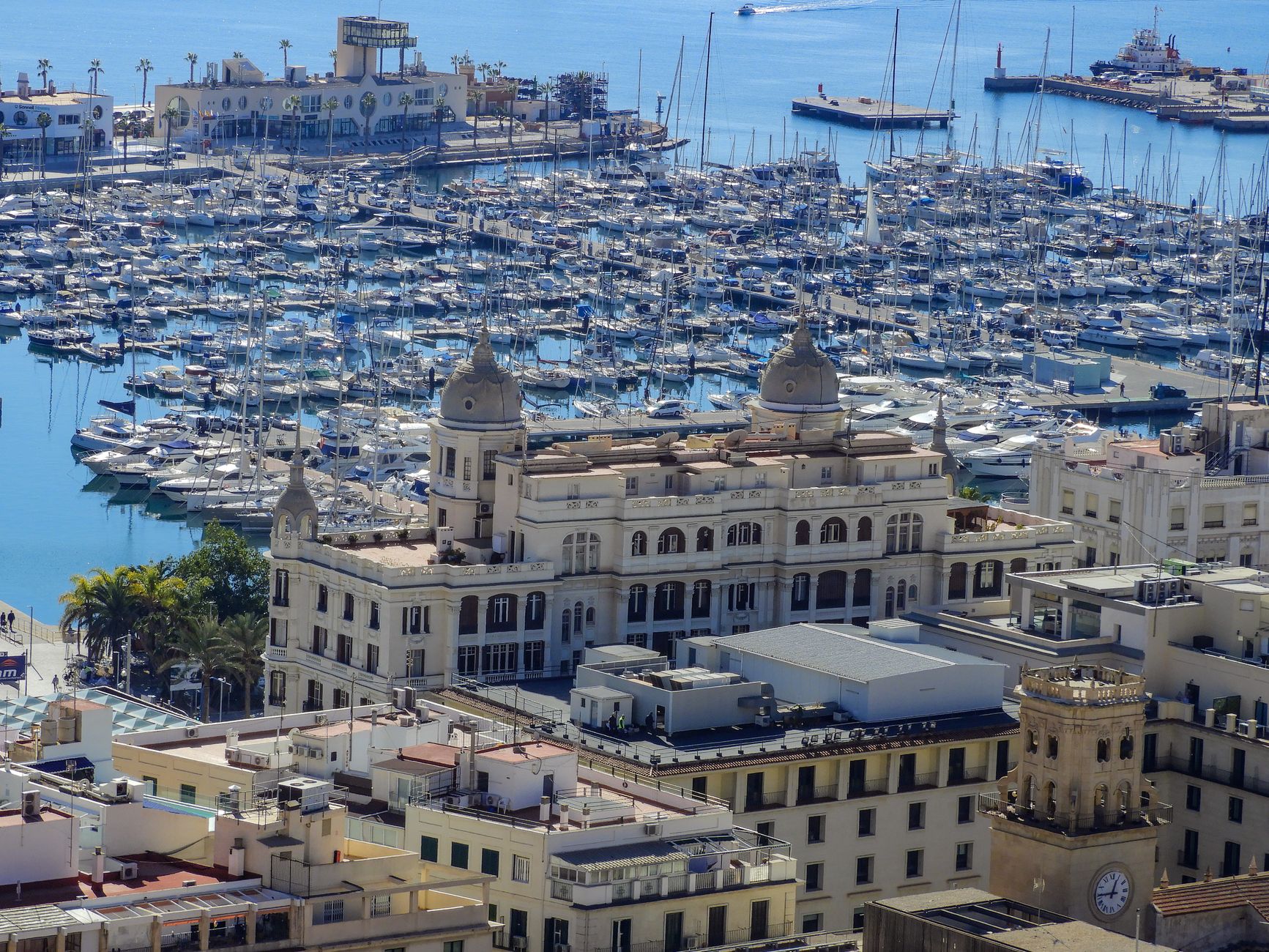


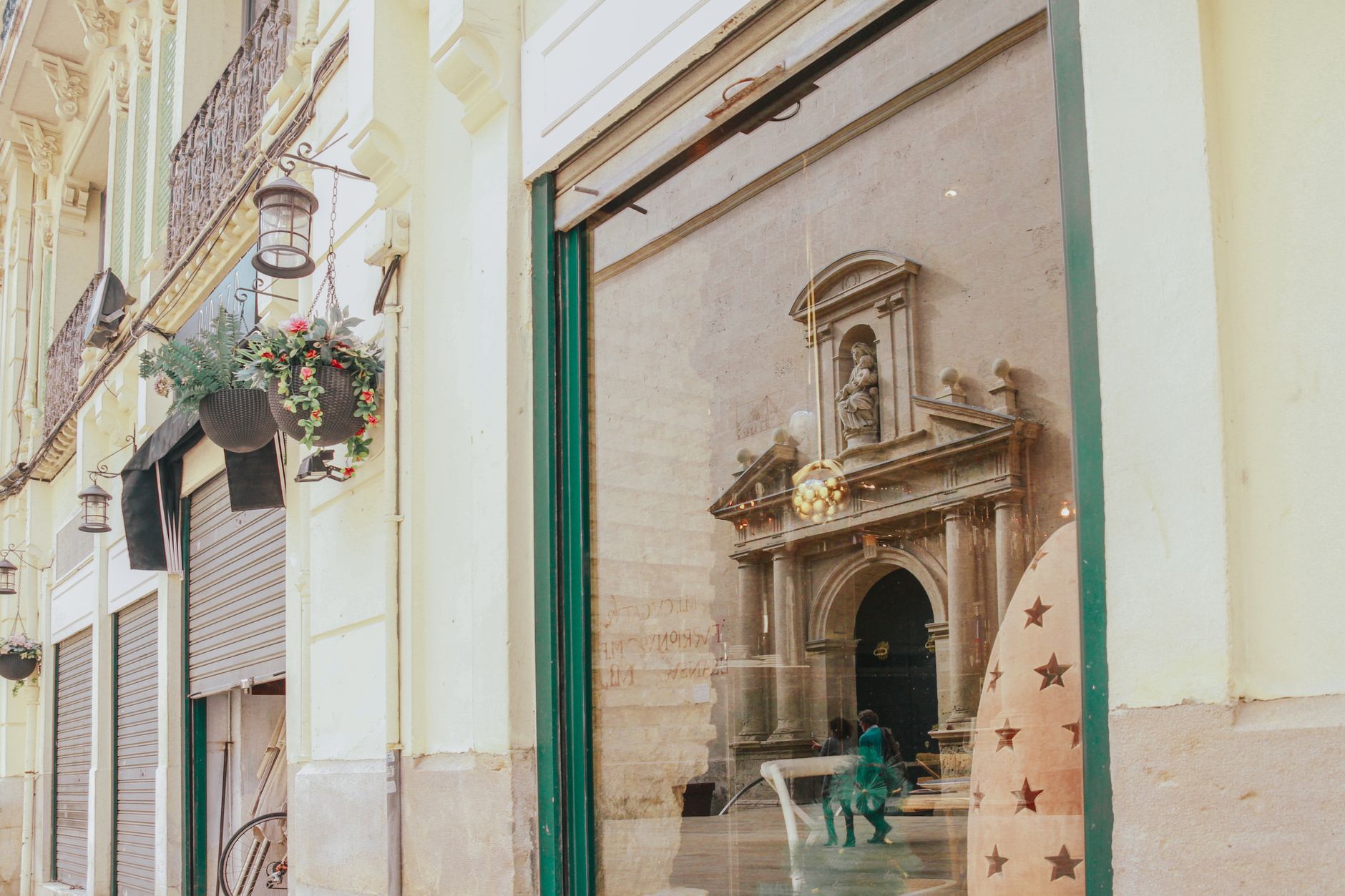
Mount Benacantil throws a long limestone shadow across the harbour before the morning heat sets in. Below the ninth-century ramparts of Santa Bárbara, life moves along the palm-lined Explanada d'Espanya with unhurried purpose. You come here expecting a package-holiday transit hub, only to find a stubborn provincial city anchored by dry Monastrell wines, proper wood-fired rice in wide shallow pans, and working fishmongers who take their red prawns dead seriously.
Last updated 1 Sept 2026
Build a Alicante itinerary.
Choose up to 4 threads that pull you in. Your plan arrives organised around them.
The Bed
Where to stay in Alicante
Which part of town to book, and what each one costs you in walking, noise or quiet.
The Comparison
Alicante, or somewhere near it
The places you are realistically choosing between, and the honest case for each.
The Local Record
Where to read more about Alicante
The blogs, boards, guides and operators worth bookmarking.
What to do in Alicante Valencia Spain
Alicante operates at an easy Mediterranean cadence, caught neatly between its sandy shoreline and high limestone ridge. The town revolves around morning shopping runs to the market, long lunches over crusty rice, and evening strolls along the mosaic tiles of the Explanada. It suits independent travellers who prefer walkable distances, authentic working-town hospitality, and straightforward access to coastal trains over hectic museum marathons.
24 hours in Alicante Valencia Spain
Ride the lift up to Castillo de Santa Bárbara before mid-morning heat arrives, then wander down through the quiet alleys of Santa Cruz. Stop for lunch at Mercado Central for arròs a banda, rest through the afternoon lull, and finish with a late evening tapeo along Calle Castaños. Select 1 Day above to see it.
2 days in Alicante Valencia Spain
Devote day two to the coastline. Ride the L1 tram north to the quiet rocky coves of Cabo de las Huertas for a morning swim, then settle in at a beachfront tavern for grilled squid and a glass of chilled Monastrell rosé. Spend the evening browsing contemporary art at MACA. Choose 2 Days to expand the plan.
3 days in Alicante Valencia Spain
A third day allows a boat trip to Isla de Tabarca, a fortified islet where fishermen still serve rich caldero stew right off the dock. Alternatively, take the inland train toward the Vinalopó valley to tour stone bodegas and taste rare, aged Fondillón dessert wines.
Alicante Valencia Spain itineraries by interest
Local Seafood in Alicante Valencia Spain
Order sweet Dénia red prawns and fried red mullet at the bustling counters inside the stalls of the central market.
Rice Dishes in Alicante Valencia Spain
Seek out thin arròs a banda cooked over vine cuttings, crusted with socarrat and served alongside fresh pungent allioli.
Markets & Produce in Alicante Valencia Spain
Browse Mercado Central for cured mojama tuna, locally grown callosa loquats, salted cod, and fresh goat cheeses from the hills.
Wine & Vineyards in Alicante Valencia Spain
Sip ancient Fondillón and earthy reds made from the native Monastrell grape in the sun-baked DO Alicante wine country.
Historic Fortresses in Alicante Valencia Spain
Take the lift straight up Mount Benacantil to explore the sprawling ramparts and panoramic views of Castillo de Santa Bárbara.
Old Town in Alicante Valencia Spain
Wander the whitewashed lanes, potted geraniums, and quiet stairways of the medieval Santa Cruz neighbourhood on foot.
Beaches & Coves in Alicante Valencia Spain
Swim at the central Postiguet strand or catch the tram north to the clear rocky coves and quiet waters of Cabo de las Huertas.
Island Day Trips in Alicante Valencia Spain
Board the morning ferry from the marina out to Tabarca to snorkel crystal waters and eat caldero de arroz in the village.
Archaeology in Alicante Valencia Spain
Visit MARQ museum in Pla del Bon Repós for prehistoric artefacts, Roman relics, and well-curated Iberian displays.
Coastal Walks in Alicante Valencia Spain
Stroll beneath maritime palms along the mosaic waves of the Explanada de España toward the modern marina promenade.
Tapas & Taverns in Alicante Valencia Spain
Stand shoulder to shoulder along Calle San Francisco for plates of salted almonds, grilled cuttlefish, and cold cañas.
Sweet Traditions in Alicante Valencia Spain
Sample traditional Jijona turrón made from Marcona almonds and wildflower honey at old family-run confectioners.