

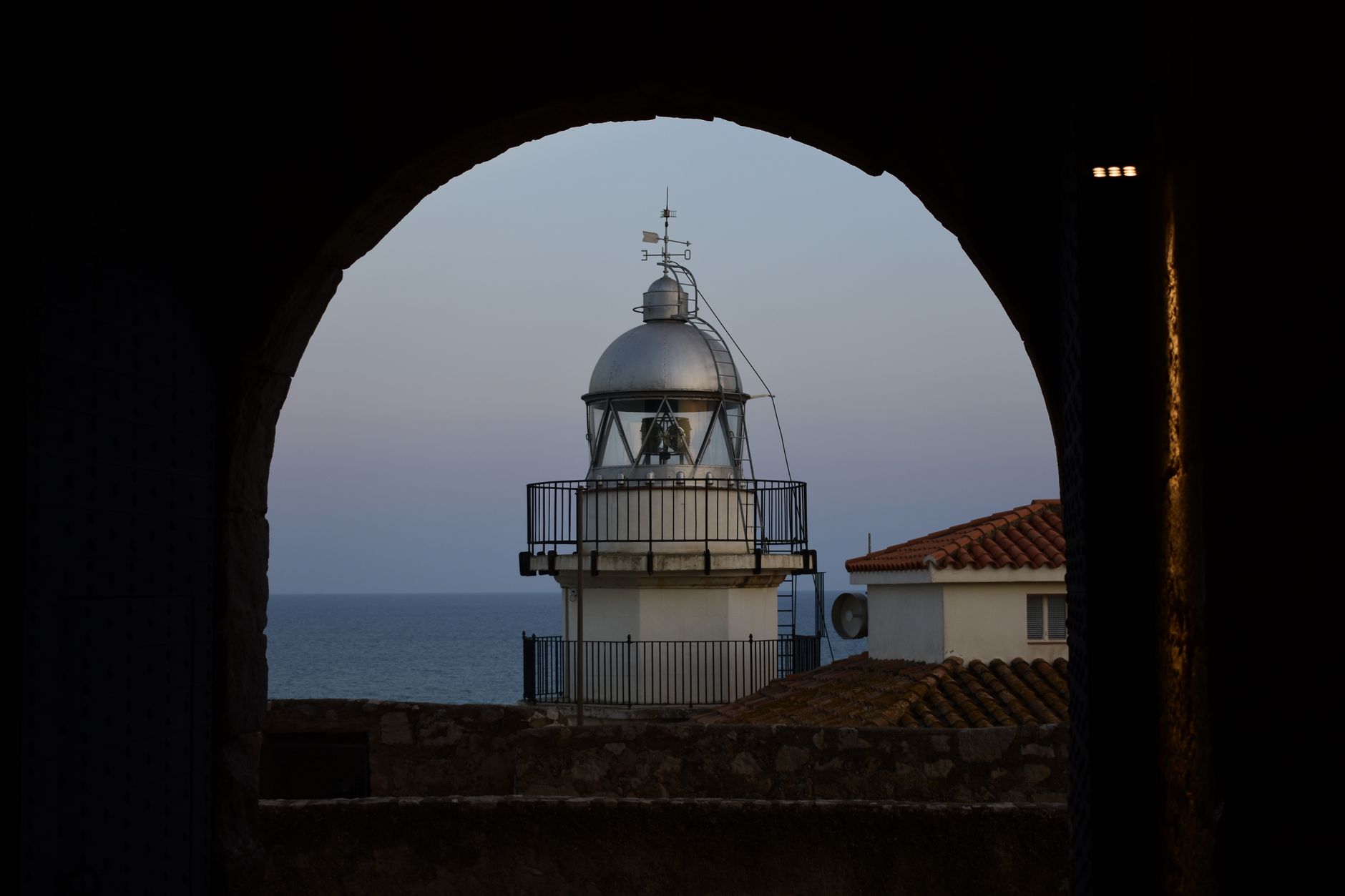
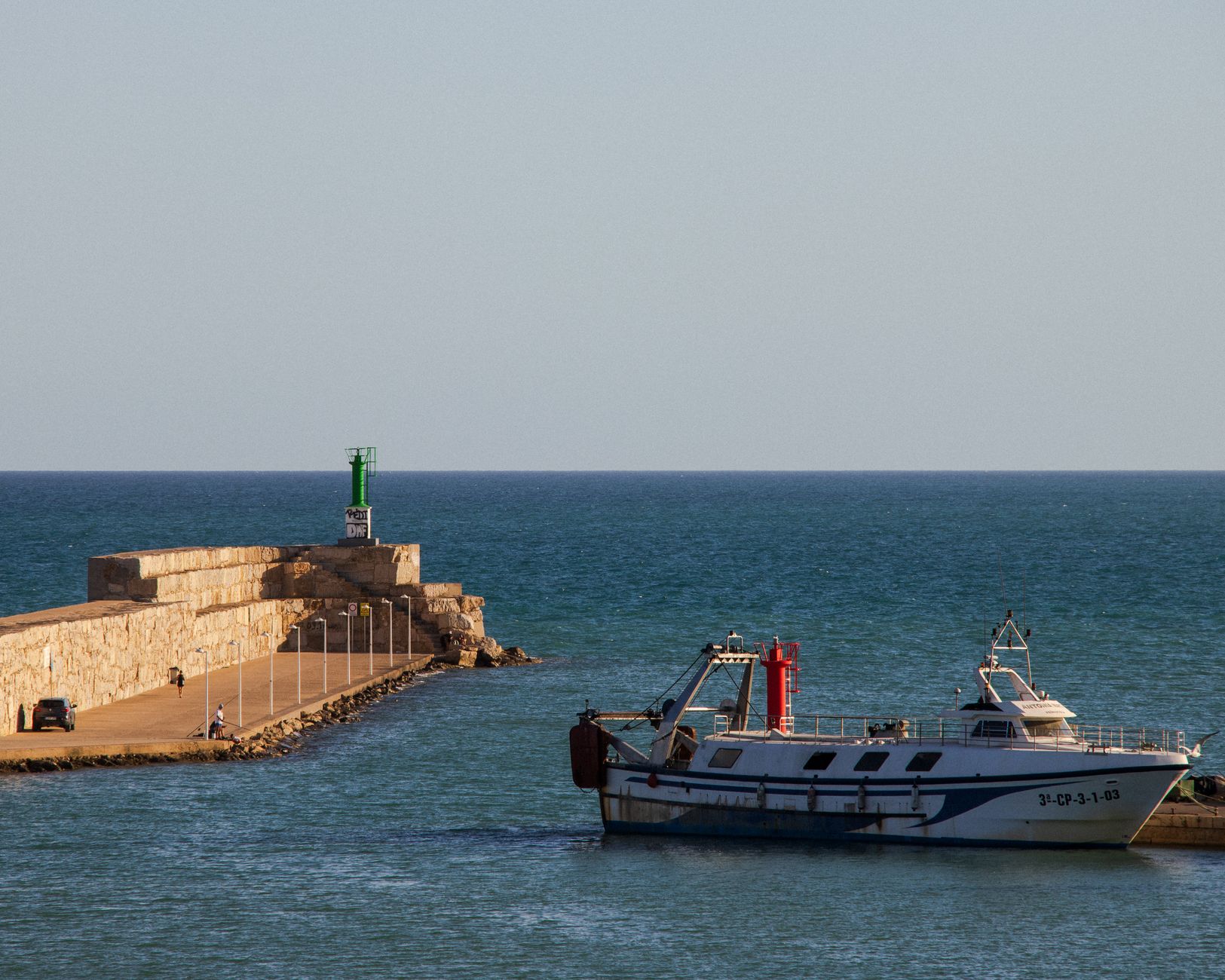

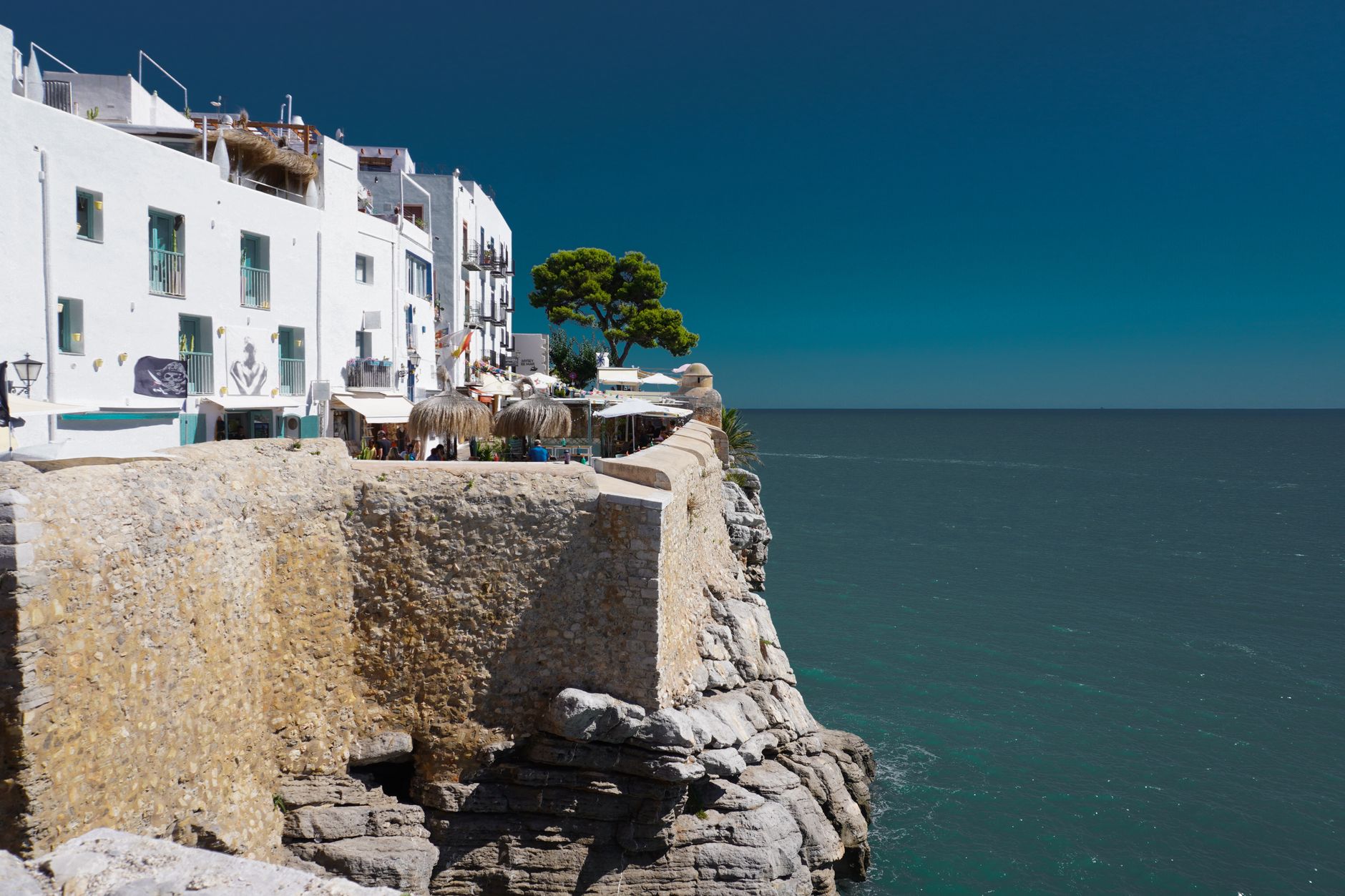
The town thrusts out into the Mediterranean on a plug of limestone, topped by the thirteenth-century fortress where an antipope held out against Rome. Below the ramparts, whitewashed lanes drop sharply toward the docks. You smell diesel from the trawlers, scorching garlic from tavern kitchens, and sea salt. It is a working harbour tied to a stubborn rock, best navigated on foot with sturdy soles before the afternoon heat sets in.
Last updated 22 Aug 2026
Build a Peñíscola itinerary.
Choose up to 4 threads that pull you in. Your plan arrives organised around them.
We'll craft a 3-lens plan for Peñíscola, one collapsible strand per lens.
Coastal Walks
Follow the coastal trail south toward the rugged cliffs of Serra d'Irta Natural Park, passing the sixteenth-century Badum watchtower and quiet pebble coves.
Coastal Walks
Follow the coastal trail south toward the rugged cliffs of Serra d'Irta Natural Park, passing the sixteenth-century Badum watchtower and quiet pebble coves.
Walking the Coastal Bastions
Murallas de Peñíscola
Follow the sixteenth-century perimeter walls framing the peninsula. The loop takes forty minutes at a leisurely drift and requires no ticket or reservation.
Editor TipEngineered by Juan Bautista Antonelli over the raw limestone tombolo, these fortifications once secured the Papal sea fortress against Barbary corsairs. Limestone paving polishes like glass over centuries, so leave the smooth soles behind before the evening wind picks up.
Walking the South Shore Shallows
Playa de las Viudas
Follow the coastal ramparts south along Calle Mayor down to this quiet cove. The flat calcarenite rock platforms offer steady footing and clear views across the southern marine cliffs.
Editor TipThese wave-cut limestone platforms were quarried for town ramparts in the 16th century, leaving shallow tide pools where local families still forage for small crabs and limpets. Wear sturdy rubber-soled shoes; wet Mediterranean marlstone is deceptive and unforgiving on bare soles.
Dining on Mantis Shrimp Rice
Restaurante Casa Jaime
Book an indoor table three days ahead. Order the Arroz Calabuch, cooked with local galeras and tender artichokes, paired with a crisp Castelló white for forty euros.
Editor TipLong dismissed as bait, the prickly mantis shrimp forms the bedrock of local home cooking, yielding a rich broth prized by coastal trawler crews. Mind the spiky shell on the galeras; use your fingers and ignore how dignified you thought you were.
Clifftop Watchtower Hike
Torre Badum
Park at the southern dirt track entrance near Font Nova and walk twenty minutes north to the cliff edge. Entry to the trail is free and open at all hours.
Editor TipPerched ninety metres above the surf, this sixteenth-century cylindrical stone tower formed part of a coastal warning network against Barbary pirate raids along the rugged Costa del Azahar. Arrive before nine to beat the glare; the white limestone reflects morning heat aggressively.
Fossil Dune Beachcombing
Cala Pebret
Follow the park trail three kilometres south from the tower to this sheltered cove. Bring your own shade, fruit, and plenty of water; parking nearby is unpaved.
Editor TipOne of the last undeveloped sandy bays on the Valencian coast, it holds ancient fossilized dunes and sub-aquatic freshwater springs bubbling directly up through the saltwater seabed. Pack water shoes for navigating the submerged karst rock shelves without cutting your soles.
Hiking Limestone Cliff Trails
Parque Natural de la Serra d'Irta
Follow the coastal trail from the southern park boundary toward Torre Badum. No fees or permits required; allow two hours of walking over loose limestone.
Editor TipSerra d'Irta remains one of the western Mediterranean's few undeveloped coastal ranges, where steep karst cliffs plunge directly into marine nature reserves. Wear stiff soles; the sharp limestone ribs will chew through thin running shoes in forty minutes.
Day Trips
Drive thirty minutes inland to Morella, a walled hill town crowned by a fourteenth-century castle and famed for slow-braised lamb and black truffles.
Day Trips
Drive thirty minutes inland to Morella, a walled hill town crowned by a fourteenth-century castle and famed for slow-braised lamb and black truffles.
Climbing Papa Luna's Ramparts
Castillo de Peñíscola
Buy your five-euro ticket at the gate or online to skip the line. Give yourself ninety minutes to navigate the Templar halls and climb out onto the wind-whipped artillery terrace.
Editor TipBuilt by the Knights Templar on a towering tombolo in the thirteenth century, this redoubt served as the seaside refuge for Antipope Benedict XIII, stubborn and solitary above the breaking surf. Wear shoes with grip. The stone ramps were built for pack mules and five centuries of boots have polished them slick.
Geological Oddities
Stand beside El Bufador on Carrer de Baix, a natural limestone blowhole where seawater hisses and booms under the historic streets during high swells.
Geological Oddities
Stand beside El Bufador on Carrer de Baix, a natural limestone blowhole where seawater hisses and booms under the historic streets during high swells.
Listening to El Bufador
El Bufador
Wander down Carrer del Bufador early when the streets are empty. It costs nothing; just lean over the iron rail and spend twenty minutes listening to the Mediterranean surge through the bedrock.
Editor TipThis natural sea cavern cuts straight through the limestone crag, sighing and spraying sea mist when the tide rolls in, serving as a reminder that the fortress sits on a living geological fluke. Check the swell before heading down. If the water is calm, it is a quiet murmur; on choppy mornings, it genuinely roars.
Wildcards
Worth your time whatever brought you here.
Wildcards
Worth your time whatever brought you here.
Tasting Rockfish Fisherman's Stew
Restaurante Chuanet
Book an evening table by the port. Order the daily suquet de peix with rockfish and monkfish; expect around forty-five euros per person with local wine.
Editor TipBenicarló's working fleet unloads its afternoon catch directly behind the dining room, preserving the centuries-old fisherman's ritual of simmering untrimmed rockfish with garlic and saffron. Ask for the daily catch stew rather than standard paella; the monkfish liver in the broth makes the dish.
Note from the Editor
“Beat the tour buses to the tombolo by nine. The wind off the Costa del Azahar does the heavy lifting before the midday heat settles on the stone.”
The Bed
Where to stay in Peñíscola
Which part of town to book, and what each one costs you in walking, noise or quiet.
The Comparison
Peñíscola, or somewhere near it
The places you are realistically choosing between, and the honest case for each.
The Local Record
Where to read more about Peñíscola
The blogs, boards, guides and operators worth bookmarking.
What to do in Peñíscola Valencia Spain
Peñíscola splits neatly between its fortified peninsula and the flat coastal strip. The walled old town climbs a solitary limestone crag, surrounded on three sides by water, while the modern promenade stretches north. Days here follow the rhythm of the port: quiet morning walks on the ramparts, long rice lunches in the shade, and late afternoon strolls to watch the fleet unload. It suits independent travellers who appreciate history without stiff ceremony.
24 hours in Peñíscola Valencia Spain
Start early at the Portal del Foix, climbing through Carrer d'Avall to the castle before the midday heat. Order an arroz del senyoret at a quiet table off Carrer Major by two. Spend your late afternoon listening to the sea surge through El Bufador, then stroll along the harbour breakwater at five to see the fishing fleet return. Select 1 Day above to see it.
2 days in Peñíscola Valencia Spain
A second day takes you south into the wild scrub of Serra d'Irta Natural Park. Hike the unpaved trail past the sixteenth-century Badum watchtower to swim at Cala Cubanita. Return to town for dinner along Carrer del Bufador, ordering a plate of grilled Peñíscola prawns and an anise-tinged flaó from a local baker. Choose 2 Days to expand the plan.
3 days in Peñíscola Valencia Spain
With three days, venture inland along the CV-10 to the medieval fortress town of Morella. Walk the high stone aqueduct, inspect the Gothic portals of Santa María la Mayor, and eat truffled sheep cheese and roasted lamb before driving back down to the coast for an evening vermouth by the water.
Peñíscola Valencia Spain itineraries by interest
Local Seafood in Peñíscola Valencia Spain
Watch trawlers unload langostino de Peñíscola at the Lonja dock before ordering suquet de peix or grilled red mullet at Casa Jaime along Avinguda del Papa Luna.
Papal History in Peñíscola Valencia Spain
Climb the Templar ramparts of Castell del Papa Luna, where Benedict XIII lived in exile during the fifteenth century, and inspect the Gothic hall and stone cistern.
Rice Dishes in Peñíscola Valencia Spain
Sample arroz a banda cooked in rich rockfish broth or arroz negro stained with cuttlefish ink, served across family-run taverns behind the old Portal de Sant Pere.
Coastal Walks in Peñíscola Valencia Spain
Follow the coastal trail south toward the rugged cliffs of Serra d'Irta Natural Park, passing the sixteenth-century Badum watchtower and quiet pebble coves.
Historic Fortifications in Peñíscola Valencia Spain
Trace the Renaissance defensive walls designed by military architect Giovanni Battista Antonelli, entering through the Felipe II gate above the fishing port.
Local Wine in Peñíscola Valencia Spain
Order carafes of IGP Castelló reds made from Monastrell and Tempranillo, or crisp whites from Merseguera grapes poured in the small bodegas along Carrer Major.
Botanical Parks in Peñíscola Valencia Spain
Wander the terraced Parc d'Artilleria surrounding the castle base, planted with olive trees, date palms, and rosemary overlooking the Mediterranean surf.
Regional Baking in Peñíscola Valencia Spain
Pick up flaons, local sweet pastries stuffed with sheep's milk curd and scented with anise and mint, baked fresh every morning at Panadería Pastelería Sant Pere.
Harbour Life in Peñíscola Valencia Spain
Stand on the harbour wall at five in the afternoon to watch the fishing fleet return, then follow the crates of hake and cuttlefish inside the municipal fish market.
Town Beaches in Peñíscola Valencia Spain
Walk the wide arc of Playa Norte for shallow swimming or head around the southern breakwater to Playa Sur, where small skiffs launch right from the sand.
Geological Oddities in Peñíscola Valencia Spain
Stand beside El Bufador on Carrer de Baix, a natural limestone blowhole where seawater hisses and booms under the historic streets during high swells.
Day Trips in Peñíscola Valencia Spain
Drive thirty minutes inland to Morella, a walled hill town crowned by a fourteenth-century castle and famed for slow-braised lamb and black truffles.