


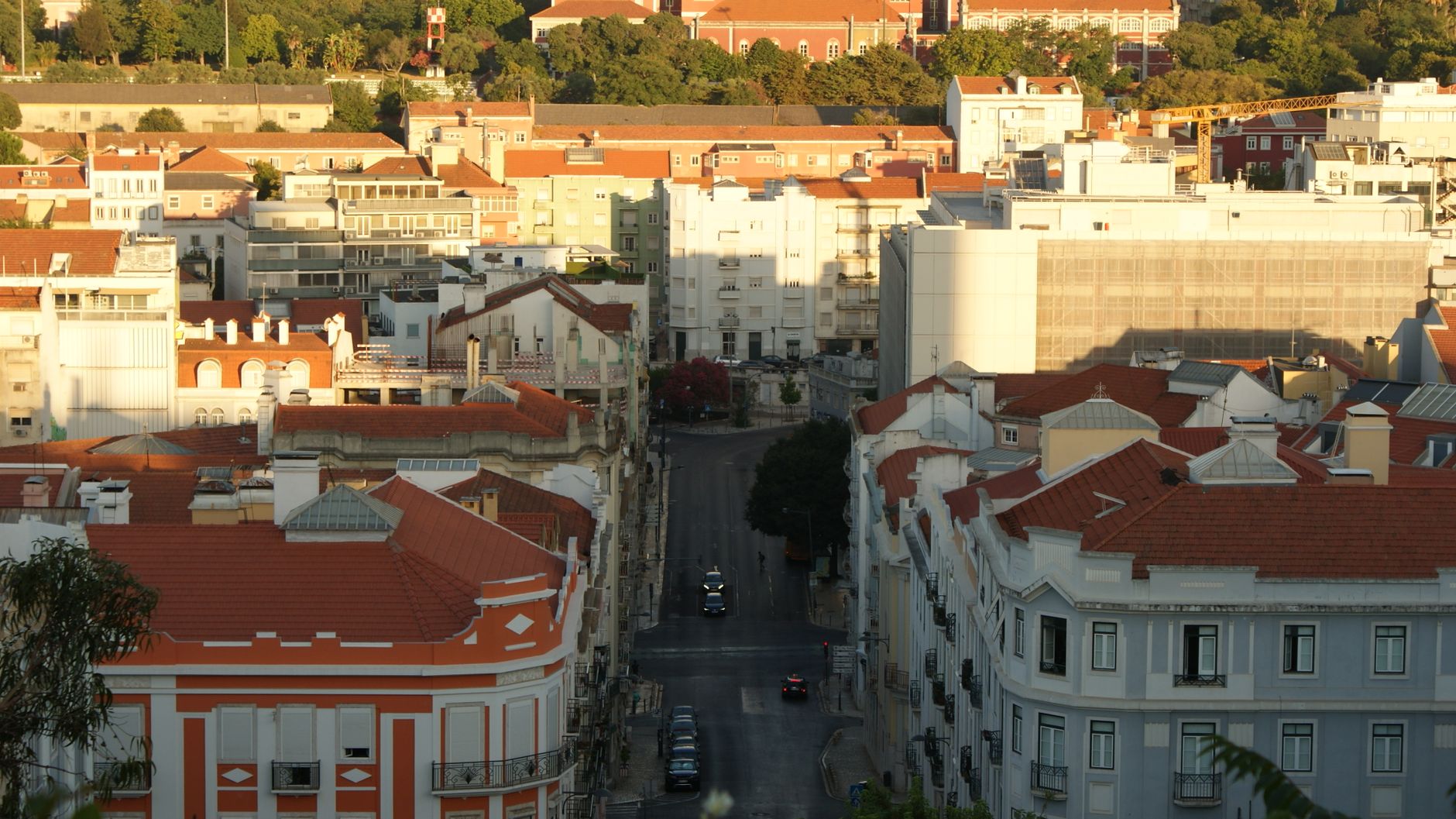
Jávea sits 75 minutes by car from both Valencia and Alicante airports beneath the limestone bulk of the Montgó massif. It is known for its fortified gothic old town, working fishing port, and rocky marine reserves. Jávea is worth visiting if you want sea-cliff walks, fresh red prawns straight off the boat, and quiet gravel coves. Look elsewhere if you need rail access, all-night megaclubs, or endless sweeps of soft sand.
Last updated 25 Sept 2026
Build a Jávea itinerary.
Choose up to 4 threads that pull you in. Your plan arrives organised around them.
The Bed
Where to stay in Jávea
Which part of town to book, and what each one costs you in walking, noise or quiet.
The Comparison
Jávea, or somewhere near it
The places you are realistically choosing between, and the honest case for each.
The Local Record
Where to read more about Jávea
The blogs, boards, guides and operators worth bookmarking.
What to do in Jávea Valencia Spain
Jávea spreads across three distinct areas: the inland historic core, the working port, and the southern coves. Daily life follows the sun and sea, starting with market coffee by the church of Sant Bertomeu and shifting to the quayside at Duanes de la Mar as the trawlers dock. It suits independent travellers who prefer quiet gravel beaches, fresh marine cooking, and scenic headland trails over noisy resort strips.
24 hours in Jávea Valencia Spain
Spend morning in the old town wandering Carrer Major before driving ten minutes down to the port. Order arròs a banda for lunch beside the harbour, then take the short coastal trail out to the Cap de Sant Antoni lighthouse as the afternoon light softens over the bay. Select 1 Day above to see it.
2 days in Jávea Valencia Spain
Dedicate your second day to the coastline south of town. Swim at the pebble cove of Cala Granadella before the midday rush, then head up into the hills behind Cap de la Nau for a lunch of grilled cuttlefish and a glass of dry Moscatel at a local clifftop tavern. Choose 2 Days to expand the plan.
3 days in Jávea Valencia Spain
A third day allows you to tackle the summit trail of Montgó or hire a sea kayak to reach Cova Tallada. In the afternoon, take a ten-minute drive inland to Jesus Pobre for rustic bakeries, local vineyards, and traditional flatbread cocas topped with salted fish.
Jávea Valencia Spain itineraries by interest
Local Seafood in Jávea Valencia Spain
Watch the boats unload at Duanes de la Mar for red prawns, cuttlefish, and cruet de peix, a rich fisherman stew simmered with rockfish and potatoes.
Coastal Walks in Jávea Valencia Spain
Follow the clifftop paths along the Cap de la Nau headland and out to the old stone watchtowers at Cap de Sant Antoni, overlooking the marine reserve.
Sacred Architecture in Jávea Valencia Spain
Inspect the fortified sixteenth-century Church of Sant Bertomeu, built with thick golden tosca sandstone to protect citizens against Berber pirate raids.
Markets & Produce in Jávea Valencia Spain
Browse the stalls of the Mercat Municipal d'Abastos in the old town for salted cod, local olives, cured cheeses, and fresh figs from the Marina Alta.
Beaches & Coves in Jávea Valencia Spain
Head to the white gravel shore of Cala Granadella or snorkel the clear, protected waters around the sea cave at Cala Portitxol.
Regional Wine in Jávea Valencia Spain
Drink dry Moscatel de Alejandría and mineral reds produced from old-vine Giró grapes grown on the terraced hillsides across the Marina Alta valley.
Hiking in Jávea Valencia Spain
Climb the 753-metre limestone ridge of the Montgó Natural Park for panoramic views stretching across the bay toward Ibiza on crisp clear mornings.
Maritime History in Jávea Valencia Spain
Explore the harbour quayside, nineteenth-century salt-storage houses, and the mid-century modern concrete hull of Nuestra Señora del Loreto church.
Historic Quarters in Jávea Valencia Spain
Wander the narrow lanes of the historic centre along Carrer Major to spot carved stone lintels, wrought-iron balconies, and Gothic arched doorways.
Rice & Grains in Jávea Valencia Spain
Sample traditional Valencian rice dishes, from arròs a banda cooked in rich fish stock to baked arròs al forn served in rustic clay cazuelas.
Day Trips in Jávea Valencia Spain
Drive fifteen minutes inland to the whitewashed lanes and almond groves of Gata de Gorgos, known for woven esparto grass and wicker workshops.
Water Activities in Jávea Valencia Spain
Kayak through the sea caves of Cova Tallada beneath the northern cliffs or paddle along the clear waters off the island of Portitxol.