


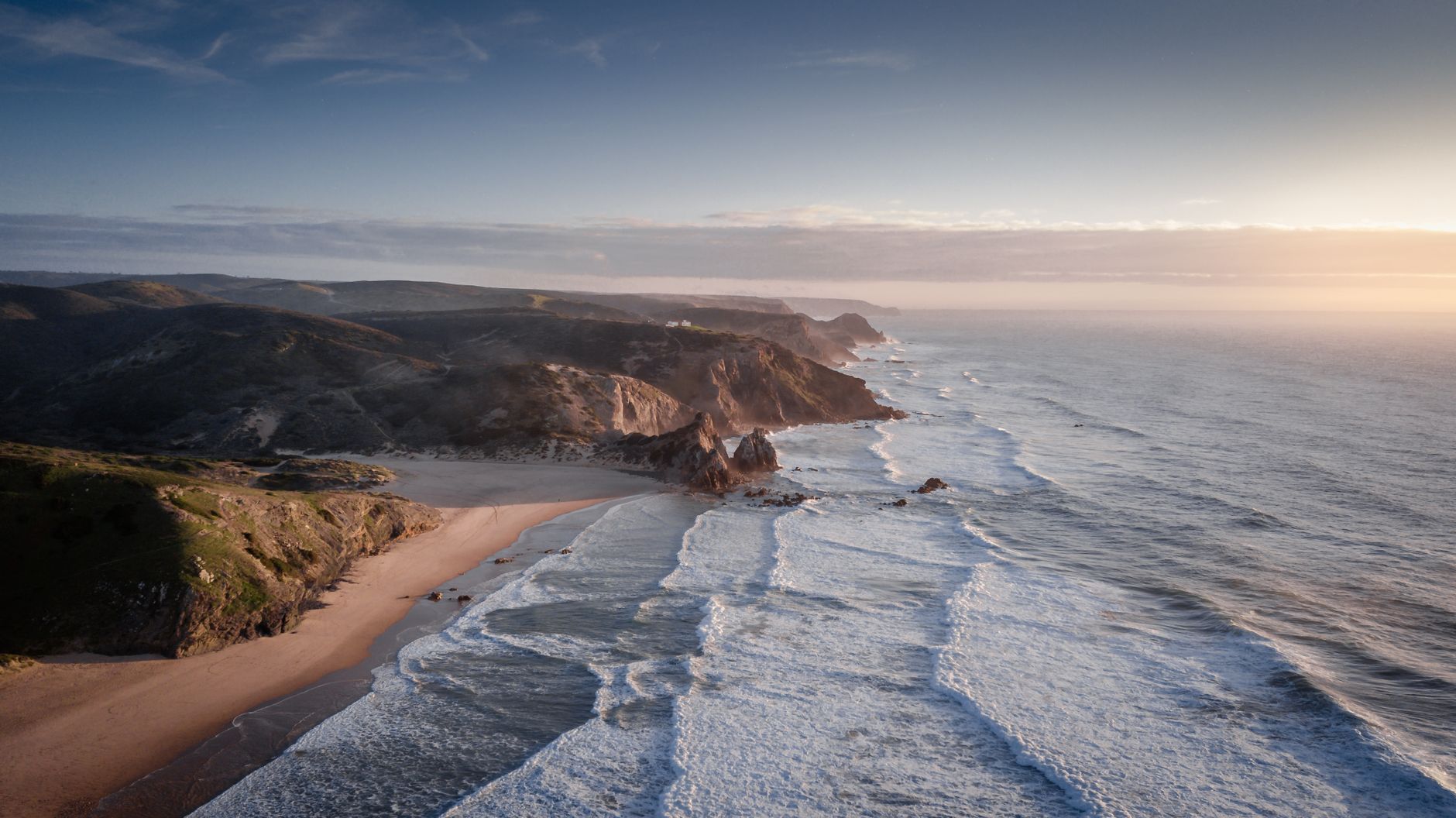
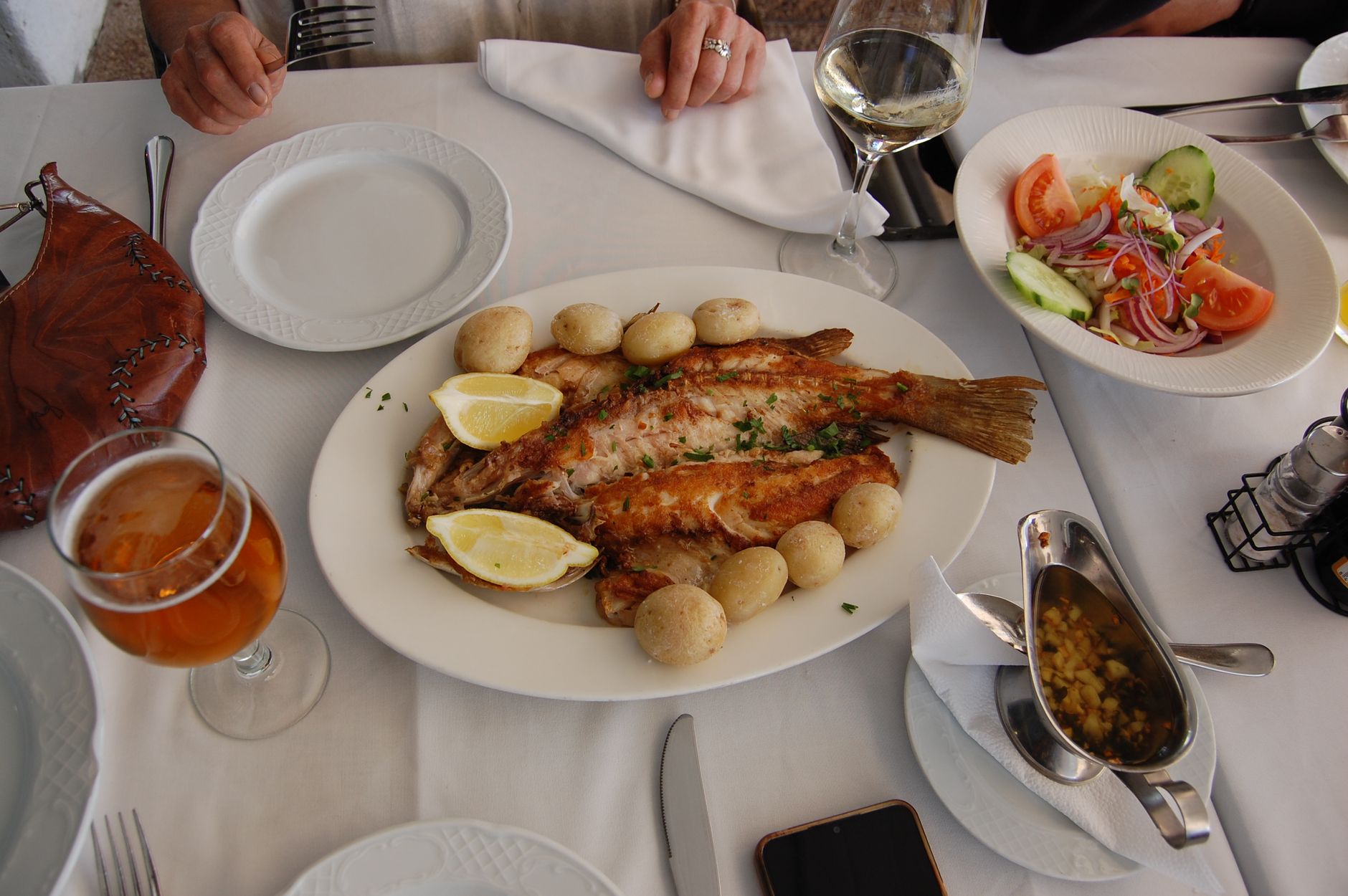
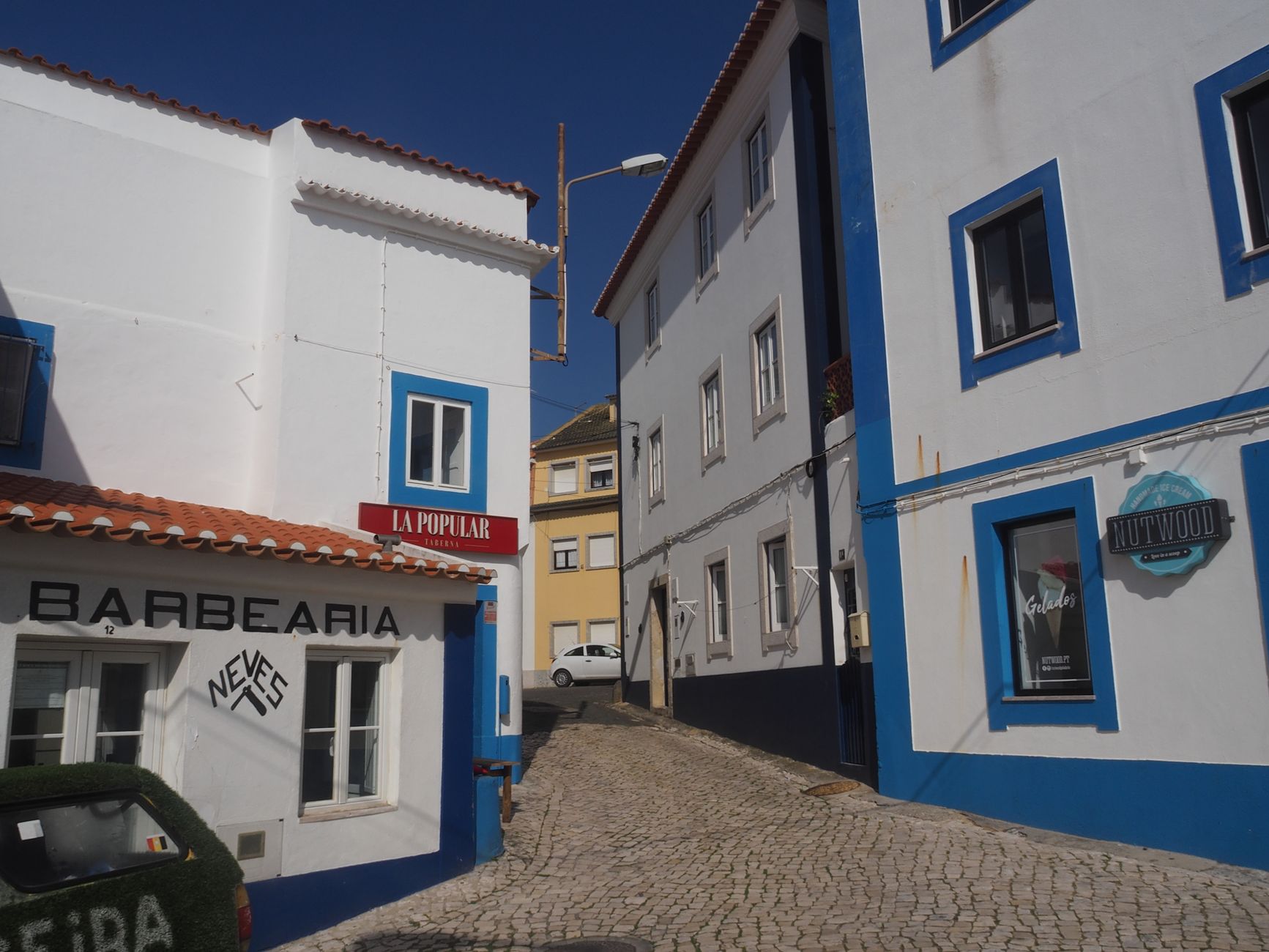
A damp Atlantic wind cuts through the valley, splitting the whitewashed Moorish old town from the flatter eighteenth-century parish across the river. You climb steep cobblestones past peeling doors to reach the tenth-century castle walls, where the view sweeps from eucalyptus hills out toward the pounding surf. Down below, taverns simmer local sweet potatoes alongside sea bass hauled in from the cliffs that morning. It remains an unhurried, working market town that refuses to dress up for company.
Last updated 28 Aug 2026
Build a Aljezur itinerary.
Choose up to 4 threads that pull you in. Your plan arrives organised around them.
The Bed
Where to stay in Aljezur
Which part of town to book, and what each one costs you in walking, noise or quiet.
The Comparison
Aljezur, or somewhere near it
The places you are realistically choosing between, and the honest case for each.
The Local Record
Where to read more about Aljezur
The blogs, boards, guides and operators worth bookmarking.
What to do in Aljezur Algarve Portugal
Aljezur is shaped by the riverbed that divides its Moorish hill quarter from the flatter eighteenth-century streets. Days here naturally follow the tide and the trail, suited to independent travellers who prefer rugged coastlines, honest tavern cooking, and open horizons over resort amenities. You spend the morning hiking high cliff paths or buying sweet potatoes at the market, then retreat to town for grilled fish and cold draft beer as the evening fog rolls in.
24 hours in Aljezur Algarve Portugal
Start early at the Mercado Municipal before walking up the cobbled slope to the Moorish castle. Drive ten minutes out to Praia da Arrifana for a lunch of percebes and grilled bream overlooking the bay. Finish with a late afternoon walk along the bluffs at Monte Clérigo, returning to the old town for slow-cooked pork and sweet potato. Select 1 Day above to see it.
2 days in Aljezur Algarve Portugal
Dedicate your second day to the dunes and river mouth at Praia da Amoreira. Follow the Fishermen's Trail south toward Carrapateira for rugged headland views, stopping for an unpretentious lunch of fried sardines at a village café. In the evening, explore the quiet streets of the Igreja Nova district and sample dry local red wines. Choose 2 Days to expand the plan.
3 days in Aljezur Algarve Portugal
A third day allows an unhurried drive up into the Monchique mountains to walk among cork oaks and eucalyptus, or south to the dramatic sea cliffs of Sagres. Return along quiet rural backroads through Rogil, stopping to buy local sweet potato bread and wild flower honey directly from small farm stands.
Aljezur Algarve Portugal itineraries by interest
Local Seafood in Aljezur Algarve Portugal
Order barnacles scraped from the cliffs, grilled robalo, and octopus salad at the seaside tasquinhas along Praia do Amado and Arrifana.
Coastal Walks in Aljezur Algarve Portugal
Hike the Rota Vicentina cliffside Fishermen's Trail above crashing breakers, following sand paths from Monte Clérigo down to Carrapateira.
Markets & Produce in Aljezur Algarve Portugal
Visit the daily Mercado Municipal for PGI sweet potatoes, local sheep cheese, wild oregano, and freshly caught bream from the local fleet.
Medieval History in Aljezur Algarve Portugal
Climb to the tenth-century Castelo de Aljezur to trace stone ramparts built during the Moorish era and survey the old river plain.
Surfing in Aljezur Algarve Portugal
Rent boards in town before heading to the sweeping reef breaks and consistent beach peaks at Arrifana, Monte Clérigo, and Amado.
Sacred Architecture in Aljezur Algarve Portugal
Step into the eighteenth-century Igreja de Nossa Senhora da Alva, rebuilt after the 1755 earthquake to anchor the new town quarter.
Traditional Cooking in Aljezur Algarve Portugal
Taste slow-stewed pork with clams and batata doce de Aljezur, paired with earthy red wines from the surrounding Algarve hillsides.
Scenic Drives in Aljezur Algarve Portugal
Follow the coastal backroads through the Southwest Alentejo natural park to discover dramatic headlands and deserted ocean viewpoints.
Beaches in Aljezur Algarve Portugal
Spend quiet afternoons tucked below red schist cliffs at Praia da Amoreira, where the Aljezur river empties straight into the ocean.
Local Museums in Aljezur Algarve Portugal
Tour the small Municipal Museum on Rua 25 de Abril to see Roman relics, traditional farming tools, and Islamic-era pottery finds.
Birdwatching in Aljezur Algarve Portugal
Scan the salt marsh estuaries and dramatic sea cliffs along the Ribeira de Aljezur for white storks, peregrine falcons, and kingfishers.
Day Trips in Aljezur Algarve Portugal
Drive south to the dramatic windblown promontory at Sagres or inland to the cork forests and mountain trails of Monchique.