.jpg)


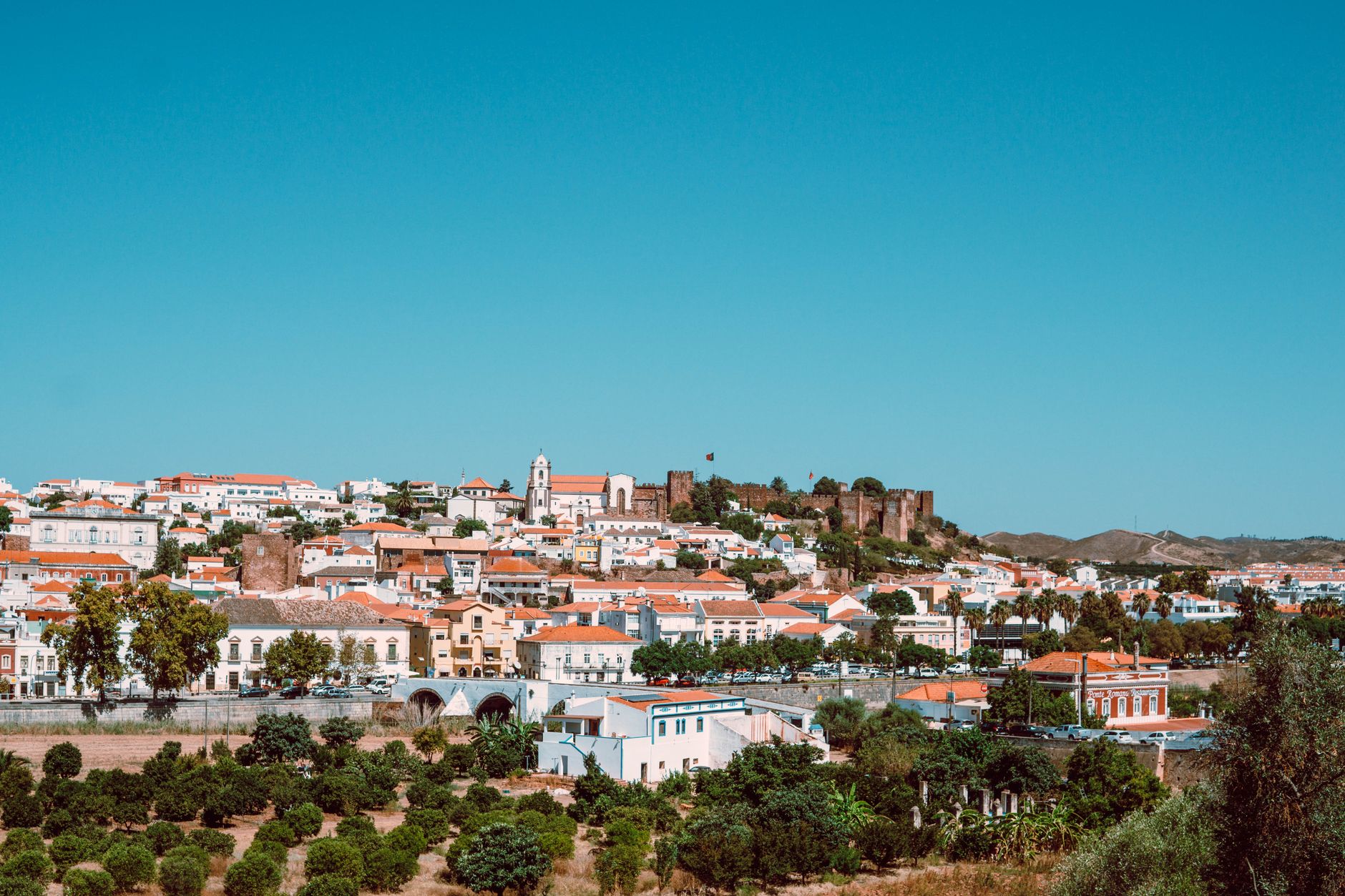
Silves sits forty-five minutes northwest of Faro Airport, perched above the Rio Arade. Once the Moorish capital of the Algarve, the town is defined by its massive red sandstone castle and terraced citrus groves. You come here for layered medieval history and inland market cooking. Silves is worth visiting if you want to walk ancient fortress walls, drink local Negra Mole wine, and eat charcoal-grilled sardines without the coastal crowds. Look elsewhere if you expect immediate beach access, late-night dance clubs, or flat sidewalks.
Last updated 21 Sept 2026
Build a Silves itinerary.
Choose up to 4 threads that pull you in. Your plan arrives organised around them.
The Bed
Where to stay in Silves
Which part of town to book, and what each one costs you in walking, noise or quiet.
The Comparison
Silves, or somewhere near it
The places you are realistically choosing between, and the honest case for each.
The Local Record
Where to read more about Silves
The blogs, boards, guides and operators worth bookmarking.
What to do in Silves Algarve Portugal
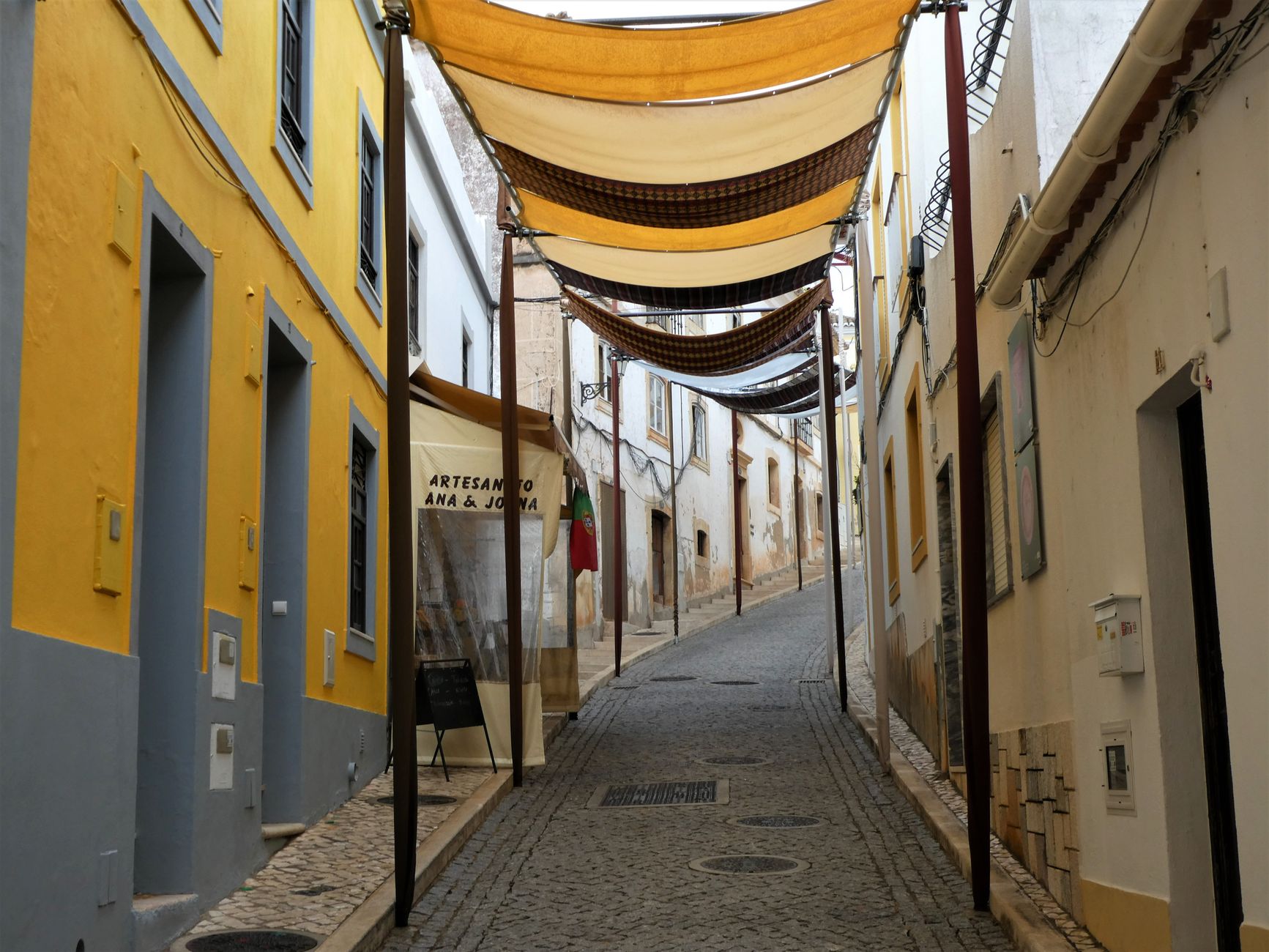
Silves rises steeply from the banks of the Rio Arade to its crowning sandstone castle. The town moves at an unhurried inland tempo, trading beach umbrellas for shaded tavern terraces and cobblestone alleys. Days revolve around exploring the Moorish fortress, lingering over a lunch of grilled fish or wild boar, and sipping regional wine in Praça do Município. It suits independent travellers who value history and unpretentious regional cooking over resort nightlife.
24 hours in Silves Algarve Portugal
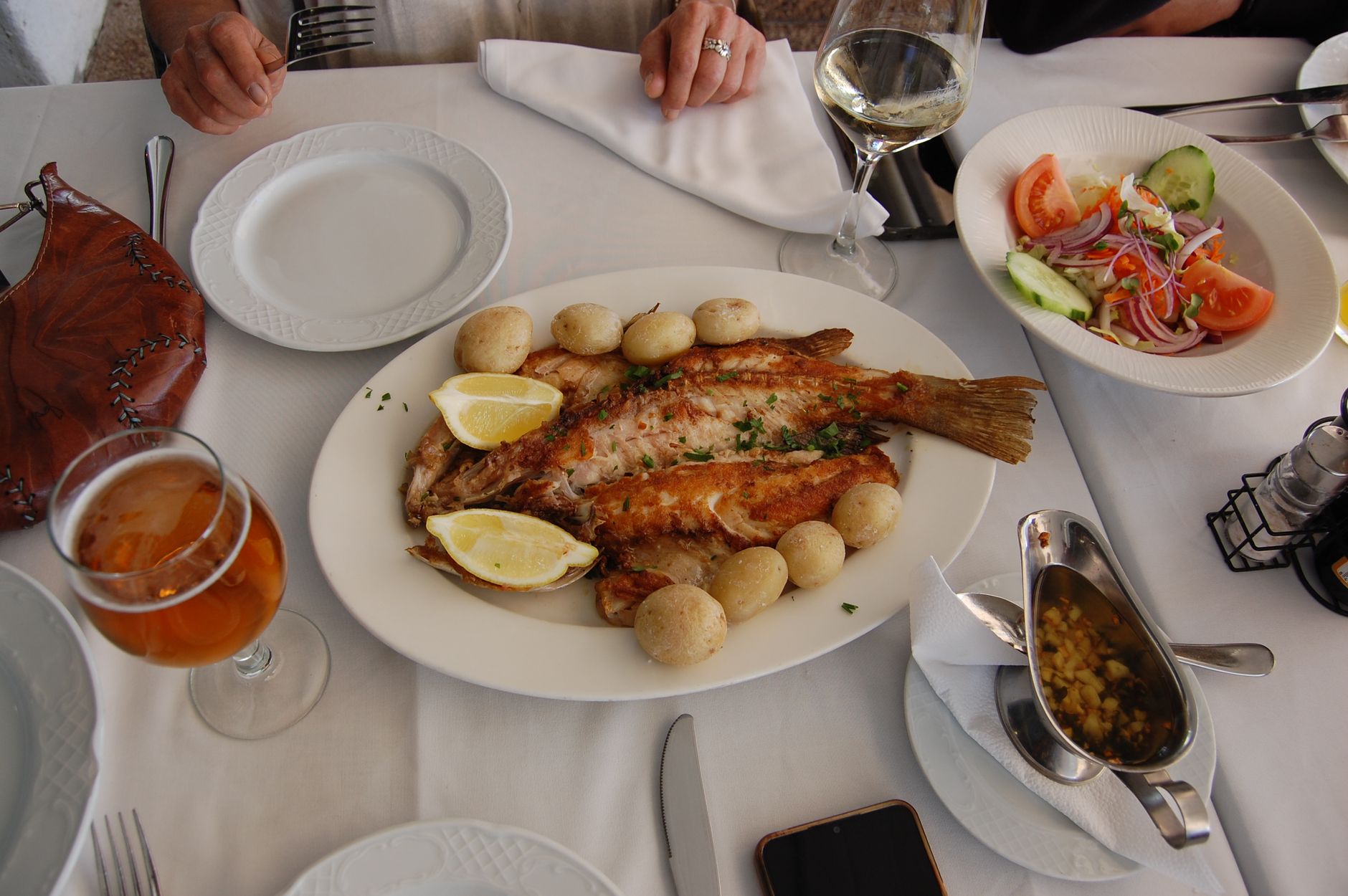
Spend your morning touring the red ramparts of Castelo de Silves and the Gothic cathedral. For lunch, grab a riverside table for charcoal-grilled sea bass and cold draft beer. Finish the afternoon inspecting Islamic relics at the archaeological museum before crossing the Ponte Romana for an evening glass of Negra Mole as the castle illuminates. Select 1 Day above to see it.
2 days in Silves Algarve Portugal
A second day lets you explore the surrounding barrocal countryside. Drive ten minutes north to Quinta do Francês for an estate vineyard tour and tasting. Follow the cork oak roads up to the hill village of São Bartolomeu de Messines for a lunch of cozido stew, then return to Silves to linger over almond pastries and coffee along the riverfront. Choose 2 Days to expand the plan.
3 days in Silves Algarve Portugal
Three days give you time to head into the Monchique mountains along the N266, climbing to the peak of Fóia for coastal views. Stop for spit-roasted chicken in Marmelete, then spend a quiet morning kayaking the Arade reservoir or hiking through the citrus groves of the Enxurrada valley without having to watch the clock.
Silves Algarve Portugal itineraries by interest
Medieval Fortifications in Silves Algarve Portugal
Walk the red sandstone ramparts of Castelo de Silves, inspecting the eleventh-century cisterns and panoramic views over surrounding citrus orchards.
Local Wine in Silves Algarve Portugal
Taste light-bodied reds made from native Negra Mole grapes at Quinta do Francês or Quinta da Vinha, paired with local sheep cheeses and olives.
Traditional Markets in Silves Algarve Portugal
Browse the municipal market on Rua Fonte da Prata for sweet Silves oranges, fresh Arade river sea bass, cured chouriço, and local wildflower honey.
Regional Cooking in Silves Algarve Portugal
Order slow-cooked wild boar stew, cataplana de marisco, or charcoal-grilled piri-piri chicken at no-nonsense taverns along the riverbank.
Sacred Architecture in Silves Algarve Portugal
Visit the Gothic Sé de Silves, built over a former grand mosque in the thirteenth century, featuring weathered sandstone tombs and quiet side chapels.
Archaeology in Silves Algarve Portugal
Inspect Islamic ceramics, Moorish water jars, and an eight-meter-deep well preserved in situ inside the Museu Municipal de Arqueologia.
Inland Hiking in Silves Algarve Portugal
Follow the PR1 trail along the Arade reservoir or tackle quiet farm tracks through olive, carob, and almond groves in the surrounding barrocal hills.
Craft Traditions in Silves Algarve Portugal
Seek out hand-painted terracotta pottery, woven esparto baskets, and wrought iron hardware in small workshops scattered around the lower town.
Riverside Walks in Silves Algarve Portugal
Cross the medieval Ponte Romana on foot at dusk, following the promenade along the Rio Arade as white storks nest on historic chimney tops.
Scenic Drives in Silves Algarve Portugal
Drive the N266 north into the Monchique mountains, stopping at roadside tascas for smoked presunto ham and panoramic views over the southern coast.
Pastry Traditions in Silves Algarve Portugal
Stop at a pastelaria near Praça do Município for morgados de Silves, an almond, egg yolk, and pumpkin confection dusted with powdered sugar.
Day Trips in Silves Algarve Portugal
Head twenty minutes south to the rugged limestone sea arches of Praia da Marinha or the working sardine docks of Portimão for lunch.