.JPG)


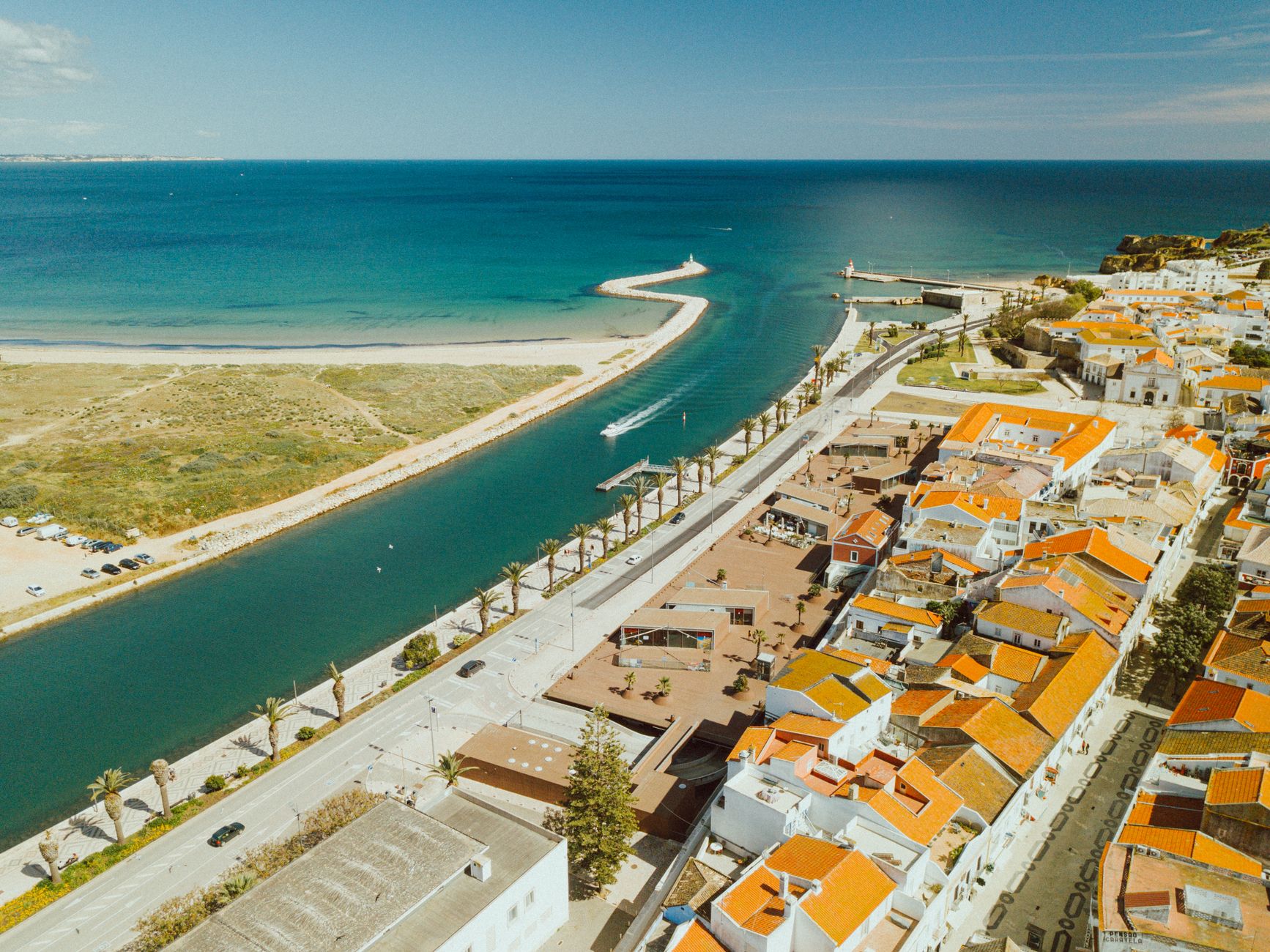
Gulls brawl over the tide line along the Ria Formosa lagoon while crate after crate of silver scabbardfish hits the dock. Behind the waterfront, Olhão unfolds as a dense grid of whitewashed cubist houses and flat roof terraces influenced by centuries of North African trade routes. It remains a salty, unvarnished fishing port where life still runs by the tides and the morning auction bell. Olhão is worth visiting if you want to eat impeccably fresh clams and razor fish at the source without resort polish. Look elsewhere if you want a sandy beach on your doorstep, manicured resort amenities, or late-night clubbing.
Last updated 4 Sept 2026
Build a Olhão itinerary.
Choose up to 4 threads that pull you in. Your plan arrives organised around them.
The Bed
Where to stay in Olhão
Which part of town to book, and what each one costs you in walking, noise or quiet.
Places to stay
Central, well-rated and easy to find again. Distances are from the middle of town.
These links go to Booking.com and earn us a commission. They cost you nothing extra.
The Comparison
Olhão, or somewhere near it
The places you are realistically choosing between, and the honest case for each.
The Local Record
Where to read more about Olhão
The blogs, boards, guides and operators worth bookmarking.
What to do in Olhão Algarve Portugal
Olhão revolves around its working harbour and the vast tidal channels of the Ria Formosa. The rhythm here is dictated by early morning boat arrivals, bustling market trade in the red-brick halls, and leisurely lunches of grilled fish. With cubic Moorish-style backstreets in the Barreta district and passenger ferries running to pristine barrier islands, it suits independent travellers who prefer salt air and authentic maritime life over manicured golf resorts.
24 hours in Olhão Algarve Portugal
Start early at the Mercado Municipal for fresh figs and coffee before boarding a morning ferry to Ilha da Armona. Spend midday walking wooden boardwalks and eating grilled sea bass at a beach shack. Return by late afternoon to explore the whitewashed alleys of Barreta, finishing with razor clam rice on Avenida 5 de Outubro. Select 1 Day above to see it.
2 days in Olhão Algarve Portugal
Dedicate your second morning to the environmental trails and tidal watermill at Quinta de Marim within the Ria Formosa park. In the afternoon, explore the fishing village on Ilha da Culatra, walking past net-mending sheds to the Farol lighthouse. Dine on octopus cataplana back on the mainland as twilight settles over the waterfront. Choose 2 Days to expand the plan.
3 days in Olhão Algarve Portugal
A third day allows an easy morning train ride to Tavira to climb the ruined Moorish castle, or a relaxed excursion inland to the cork-growing hills of São Brás de Alportel. Wind down back in Olhão with a rooftop glass of regional Algarve wine overlooking the cubic terraces and the evening tide.
Olhão Algarve Portugal itineraries by interest
Markets & Produce in Olhão Algarve Portugal
Browse the 1915 twin red-brick waterfront halls on Avenida 5 de Outubro for local figs, sheep cheeses, and regional almonds every morning except Sunday.
Local Seafood in Olhão Algarve Portugal
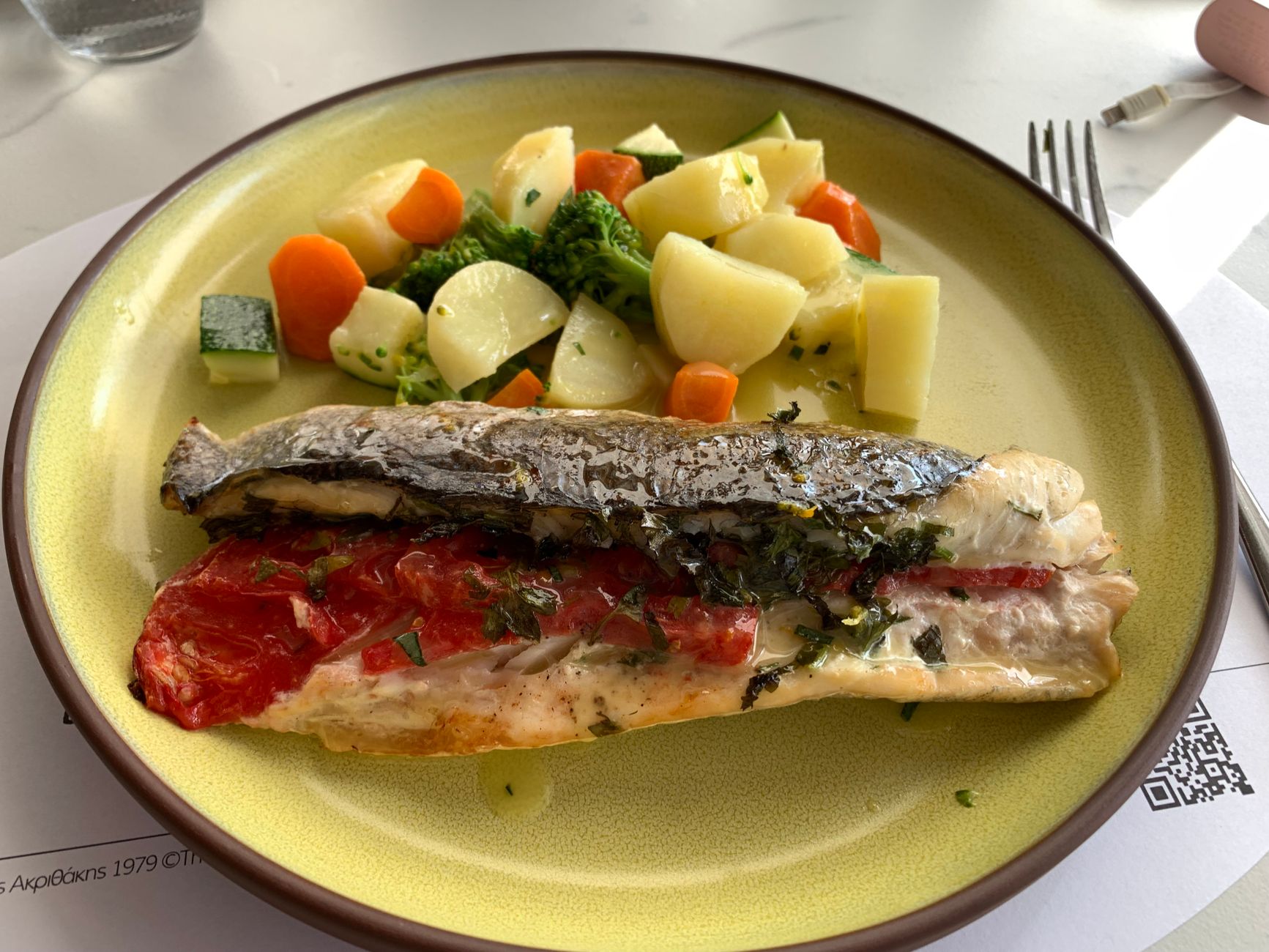
Order amêijoas à Bulhão Pato, grilled sardines, and arroz de lingueirão simmered with razor clams at dockside tascas along the Ria Formosa.
Island Hopping in Olhão Algarve Portugal
Catch the municipal ferry from the municipal pier out to Ilha da Culatra, Farol, and Ilha da Armona for quiet sands and fisherman cottages.
Historic Alleys in Olhão Algarve Portugal
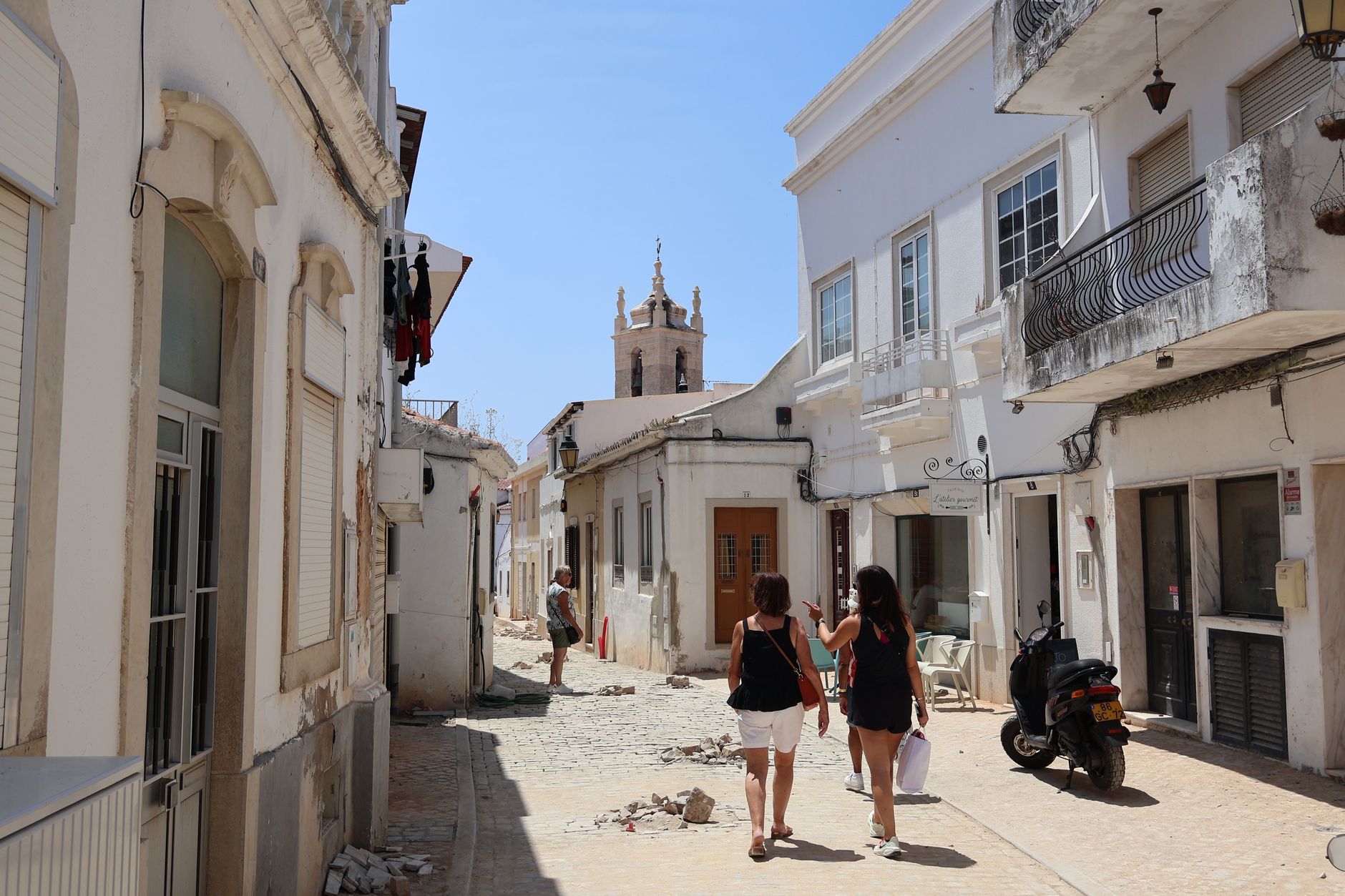
Wander the Barreta and Levante quarters to study North African cubist architecture, rooftop açoteias, and tile facades built by 19th-century sailors.
Maritime Heritage in Olhão Algarve Portugal
Visit the replica caíque Bom Sucesso by the quayside, remembering the 1808 crew that sailed to Brazil without charts to announce the French defeat.
Birdwatching in Olhão Algarve Portugal
Walk the Quinta de Marim trails inside the Ria Formosa Natural Park to spot spoonbills, flamingos, and purple swamphens across tidal mudflats.
Sacred Architecture in Olhão Algarve Portugal
Climb the bell tower of the 17th-century Igreja de Nossa Senhora do Rosário for sweeping views over the whitewashed rooftops and the lagoon.
Wine & Vineyards in Olhão Algarve Portugal
Sample crisp Algarve whites and regional reds pressed from Negra Mole grapes at wine bars clustered around Praça da Restauração.
Craft Traditions in Olhão Algarve Portugal
Seek out palm-weaving empreita baskets, hand-painted ceramic tiles, and local flor de sal harvested from the salt pans east of the marina.
Coastal Walks in Olhão Algarve Portugal
Stroll the paved waterfront promenade bordering Jardim Pescador Olhanense, watching traditional wooden fishing dories motor in at sunset.
Day Trips in Olhão Algarve Portugal
Ride the local train ten minutes west to Faro or twenty minutes east to the Roman bridge and Renaissance churches of Tavira.
Street Food in Olhão Algarve Portugal
Grab warm folar de Olhão, a spiced layered butter cake with cinnamon and brown sugar, from Padaria Kubata or corner bakeries on Rua do Comércio.