
.jpg)

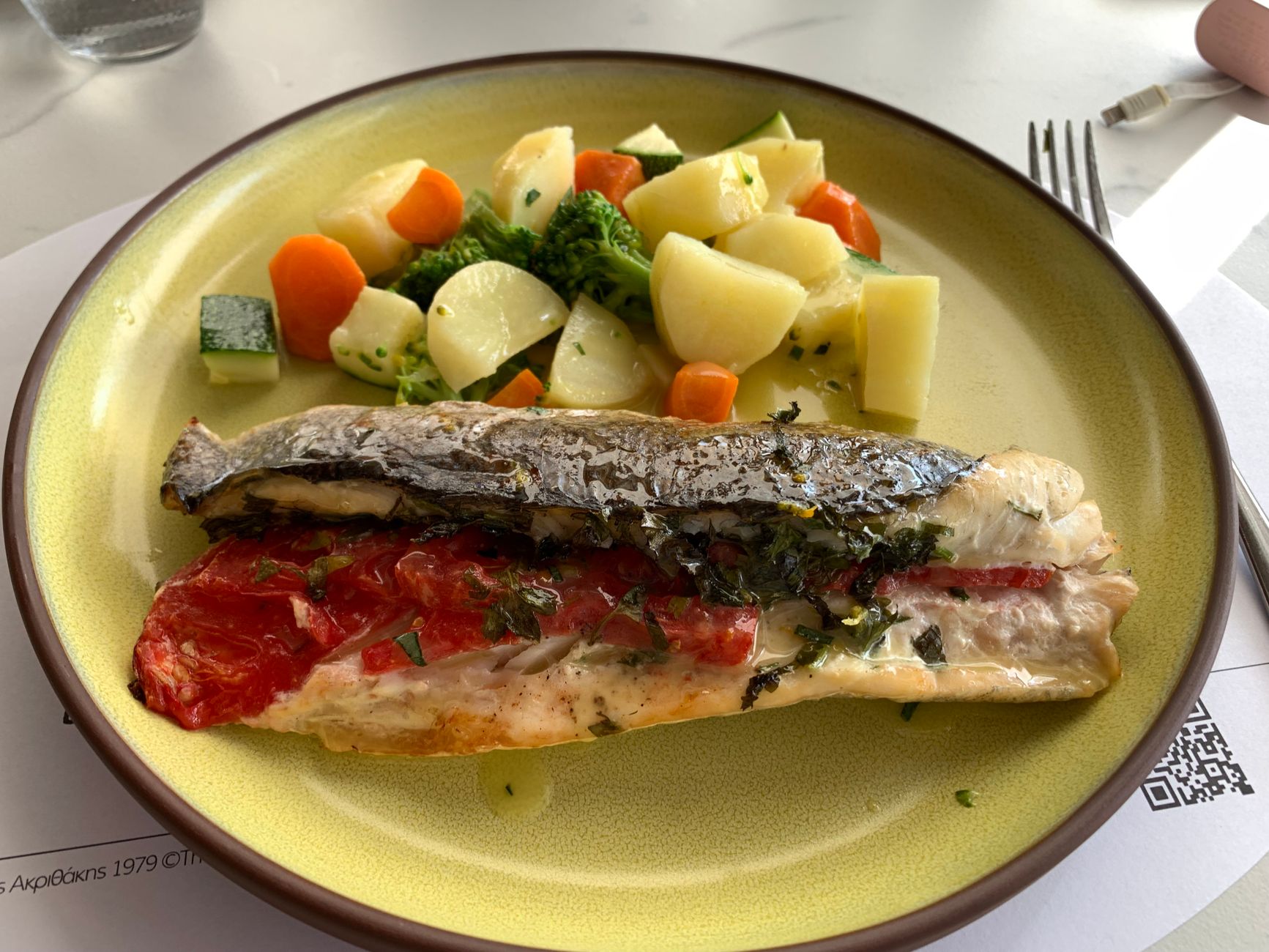
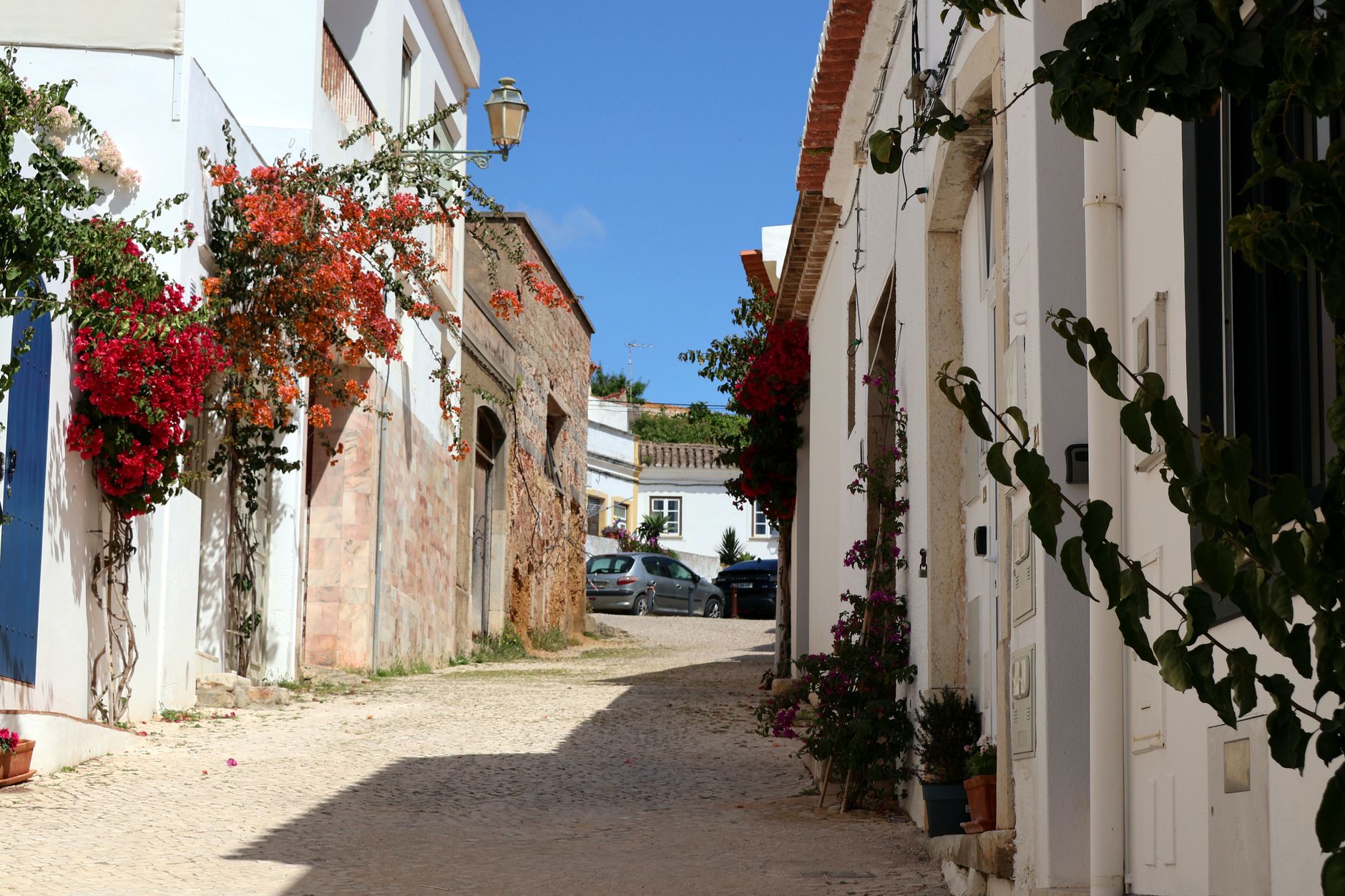
The air turns cool and sharp with eucalyptus smoke the moment you climb out of the southern heat toward Monchique. Granite houses cling to steep alleys around Largo 5 de Outubro, smelling faintly of roasting chestnuts, cured black pig, and distilled arbutus berries. It is a quiet mountain town where lunch runs long over plates of assadura pork and small glasses of clear, throat-clearing medronho poured from unlabeled bottles.
Last updated 22 Aug 2026
Build a Monchique itinerary.
Choose up to 4 threads that pull you in. Your plan arrives organised around them.
We'll craft a 3-lens plan for Monchique, one collapsible strand per lens.
Local Markets
Visit the Mercado Municipal on Saturday morning for fresh goat cheese, mountain herbs, oranges, smoked bacon, and seasonal medronho fruit sold straight from crate to customer.
Local Markets
Visit the Mercado Municipal on Saturday morning for fresh goat cheese, mountain herbs, oranges, smoked bacon, and seasonal medronho fruit sold straight from crate to customer.
Clay-Pot Wild Boar Stew
Restaurante A Charrete
Walk in early to secure a wood-panelled table and order the assadura pork and wild boar with chestnuts. Dinner runs about twenty-five euros per person.
Editor TipSierran cooking relies on acorn-fed black pig, chestnuts, and mountain herbs, built over centuries by farmers who needed hearty fuel for steep terraced slopes. Start with the sheep curd cheese and local cured chouriço; the house red wine from Silves matches it evenly.
Mountain Hiking
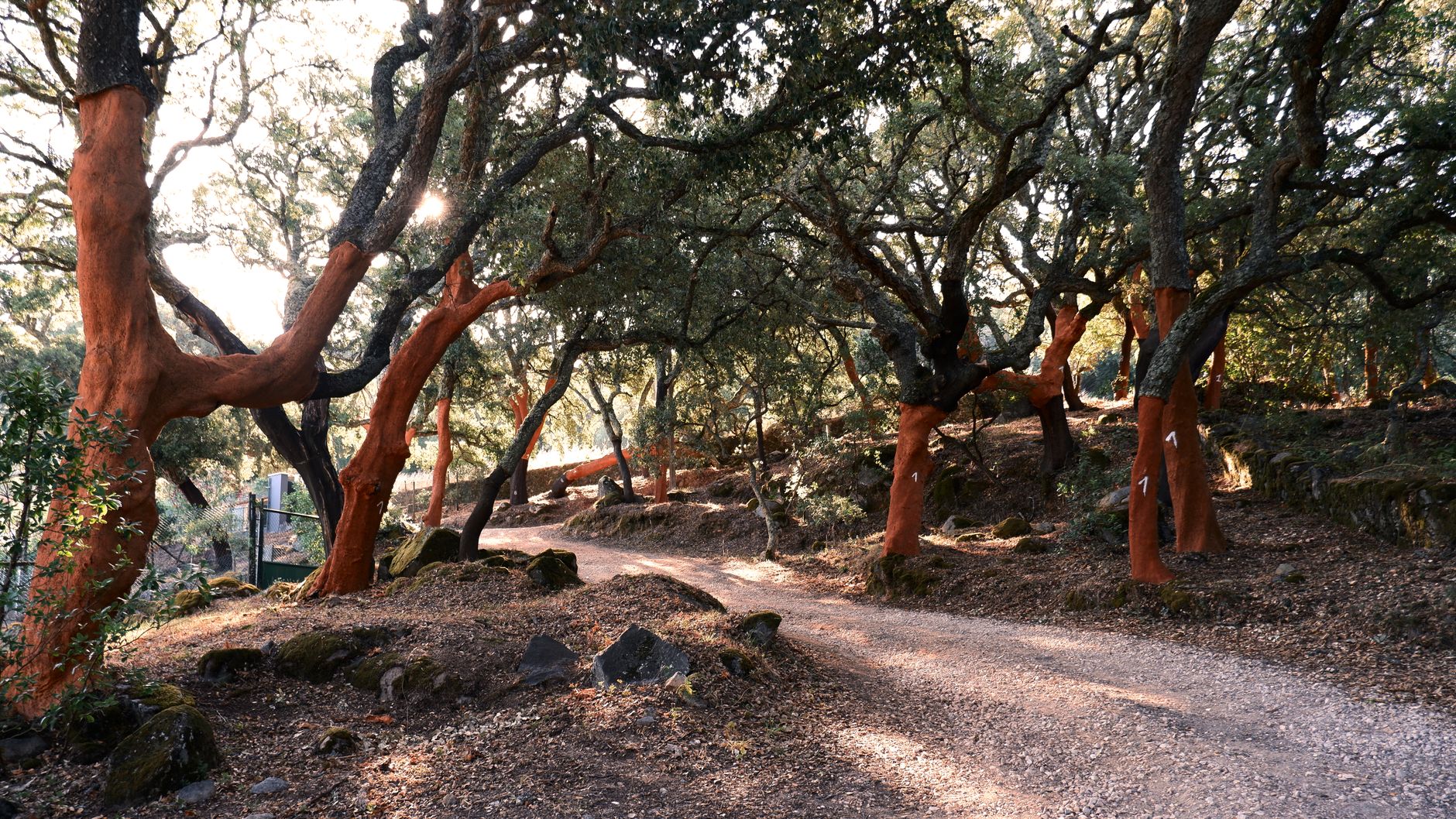
Climb the switchbacks up to Fóia and Picota through cork oak forests. The trails are marked with red and yellow paint, giving clear views across to the ocean on calm days.
Mountain Hiking
Climb the switchbacks up to Fóia and Picota through cork oak forests. The trails are marked with red and yellow paint, giving clear views across to the ocean on calm days.
Hiking the Granite Ridge
Trilho da Fóia
Park beside the stone summit marker and follow the red-and-yellow trail blazes along the ridgeline. The six-kilometre loop trail is free to walk and takes about two hours.
Editor TipRising 902 metres above the sea, Fóia is the highest summit in southern Portugal, where Atlantic weather systems hit volcanic syenite rock and nourish rare sub-alpine shrubs. Bring a light windbreaker even in high summer. The Atlantic gusts on this bare crest bite harder than expected.
Hiking the Terraced Mountain Slopes
Trilho dos Moinhos PR3 MCQ
Follow the yellow-and-red markers starting near the town center. The three-hour circuit winds past old water mills, cork oaks, and steep orchards.
Editor TipThese terraced mountain paths have connected hillside hamlets and copper still sheds for centuries, shaded by chestnut groves nourished by Atlantic cloud cover. Wear shoes with serious grip; morning dew makes the mossy granite paving slick on the descents.
Spirits & Distillation
Taste aguardente de medronho, the potent clear brandy made from fermented wild strawberry-tree berries gathered in the hills and distilled in copper pot stills across small farms.
Spirits & Distillation
Taste aguardente de medronho, the potent clear brandy made from fermented wild strawberry-tree berries gathered in the hills and distilled in copper pot stills across small farms.
Cured Ham and Medronho
Mercado Municipal de Monchique
Walk to the rear counters for sliced presunto de Monchique, then take a dark bica coffee with a modest measure of clear fruit brandy. Free entry, allow forty-five minutes.
Editor TipThese granite hills support black pigs fed on sweet acorns alongside wild arbutus berries distilled in small copper pots, preserving a highland larder distinct from the fish-heavy coast. Ask specifically for artisanal medronho poured from an unlabelled glass flagon behind the counter.
Tasting Mountain Pork and Medronho
Restaurante Luar da Fóia
Arrive at opening for a terrace seat overlooking the valley; order the acorn-fed black pork plumas and finish with a neat pour of copper-distilled medronho.
Editor TipMedronho distillation remains a protected mountain craft, turning fermented wild strawberry-tree berries into a potent clear spirit that anchors rural Monchique gatherings. Ask for medronho matured in oak barrels if you prefer toasted vanilla notes over fiery fruit heat.
Sampling Pot-Still Medronho
Destilaria Arbun
Drop in for a flight of small-batch arbutus berry brandy poured straight from the copper still. Tastings run five euros and take under an hour.
Editor TipDistilled from hand-harvested strawberry tree fruit in autumn, medronho has anchored the Serra de Monchique's economy and social currency since the tenth century. Ask for the aged version rested in oak barrels; it softens the fire into smooth, dried-apricot warmth.
Sampling Wild Strawberry Tree Spirit
Casa do Medronho de Marmelete
Enter the village tasting room in Marmelete to inspect traditional copper stills and sample clear, double-distilled medronho spirit. Small tasting fee on site.
Editor TipLocals harvest wild Arbutus unedo berries each autumn across the Serra, fermenting the mash in wooden vats before slow copper distillation according to centuries-old communal rules. Do not knock it back at once; treat fifty percent ABV with the respect you would show a good Scotch.
Note from the Editor
“Monchique wakes up cool and damp under eucalyptus mist. Hit the market stalls before coastal day-trippers arrive at ten, then claim the mountain trail before midday heat settles over the granite.”
The Bed
Where to stay in Monchique
Which part of town to book, and what each one costs you in walking, noise or quiet.
The Comparison
Monchique, or somewhere near it
The places you are realistically choosing between, and the honest case for each.
The Local Record
Where to read more about Monchique
The blogs, boards, guides and operators worth bookmarking.
What to do in Monchique Algarve Portugal
Monchique spreads across the granite slopes of the Serra, trading coastal crowds for forested lanes, cool mountain breezes, and unhurried meals. Days revolve around hillside walks, coffee on Largo dos Chorões, and slow lunches of braised pork or wild game. It suits travellers who prefer walking boots to flip-flops, quiet stone plazas over resorts, and straightforward food served by the people who cooked it.
24 hours in Monchique Algarve Portugal
Start with an early walk to the ruined Convento do Desterro for valley views. Grab lunch at a local tasca for grilled assadura and cabbage, then drive ten minutes up to the summit of Fóia. Finish before dusk with a glass of medronho in the town square. Select 1 Day above to see it.
2 days in Monchique Algarve Portugal
Spend your second morning soaking in the historic thermal bathhouse at Caldas de Monchique down the valley. Afterward, head to the quiet hamlet of Marmelete for a lunch of wild boar stew, followed by an afternoon hike up the granite peak of Picota. Choose 2 Days to expand the plan.
3 days in Monchique Algarve Portugal
A third day lets you explore the archaeological ruins at Cerro do Castelo de Alferce before driving west along the N267 toward the Atlantic coast. You can easily reach the cliffs of Aljezur for dinner, returning to the cool mountain air to sleep.
Monchique Algarve Portugal itineraries by interest
Mountain Hiking in Monchique Algarve Portugal
Climb the switchbacks up to Fóia and Picota through cork oak forests. The trails are marked with red and yellow paint, giving clear views across to the ocean on calm days.
Pork & Charcuterie in Monchique Algarve Portugal
Order assadura, strips of pork grilled with garlic and lemon juice, alongside smoked chouriço de Monchique and morcela cure, seasoned with pimentão and mountain bay leaf.
Spirits & Distillation in Monchique Algarve Portugal
Taste aguardente de medronho, the potent clear brandy made from fermented wild strawberry-tree berries gathered in the hills and distilled in copper pot stills across small farms.
Thermal Springs in Monchique Algarve Portugal
Soak in the 32-degree alkaline mineral waters at Caldas de Monchique, where the Romans treated rheumatism, set in a shady ravine of century-old pines and quiet walking paths.
Sacred Architecture in Monchique Algarve Portugal
Inspect the Manueline doorway with twisted stone ropes at the 16th-century Igreja Matriz, then walk up the hill to the ruined, evocative Convento de Nossa Senhora do Desterro.
Woodworking & Crafts in Monchique Algarve Portugal
Find makers of traditional scissor chairs, carved from chestnut or eucalyptus wood, a folding Roman design kept alive in family workshops along Rua do Porto Fundo.
Wild Honey & Sweets in Monchique Algarve Portugal
Pick up jars of dark heather honey alongside bolo de tacho, a spiced mountain cake made with cocoa, fennel seeds, and honey, sold at family pastelerias around the main square.
Botany & Nature in Monchique Algarve Portugal
Walk the shaded trails under enormous plane trees and cork oaks, or seek out the ancient magnolia and giant eucalyptus registered as national monuments in the hills above town.
Local Markets in Monchique Algarve Portugal
Visit the Mercado Municipal on Saturday morning for fresh goat cheese, mountain herbs, oranges, smoked bacon, and seasonal medronho fruit sold straight from crate to customer.
Hillside Villages in Monchique Algarve Portugal
Drive or hike into the hamlet of Marmelete, known for its small bakeries turning out dense cornbread, and Alferce, where quiet stone alleys overlook terraced vegetable gardens.
Scenic Drives in Monchique Algarve Portugal
Steer along the winding N266 and N267, cutting through steep granite ridges and eucalyptus forests, offering wide pull-offs with panoramic vistas over the southern coastline.
Farm-to-Table Dining in Monchique Algarve Portugal
Eat at rustic mountain tascas serving feijoada de javali, a hearty wild boar bean stew, paired with crisp cabbage, rustic sourdough bread, and house carafes of Alentejo red.