
_(23149305966).jpg)

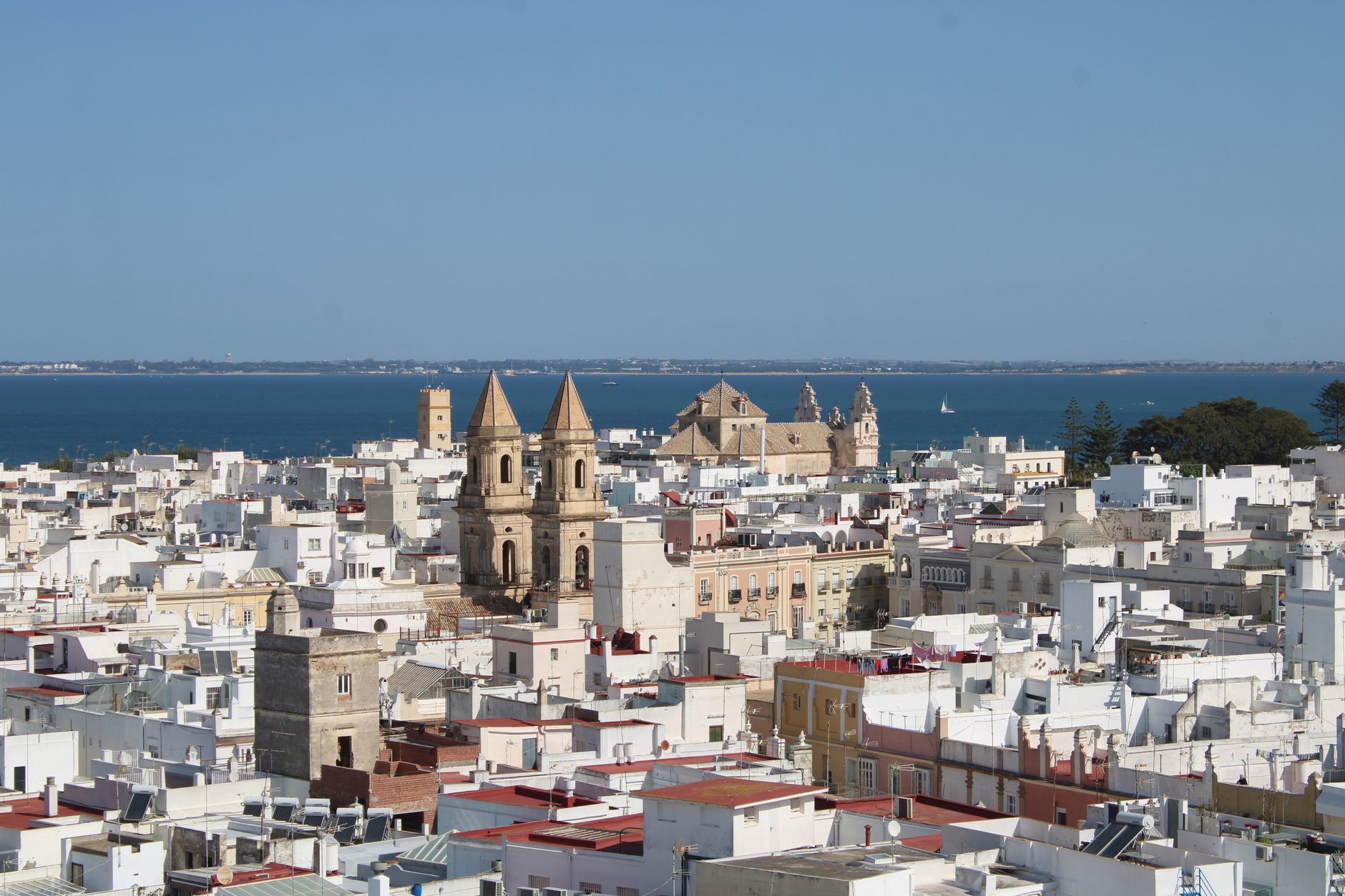
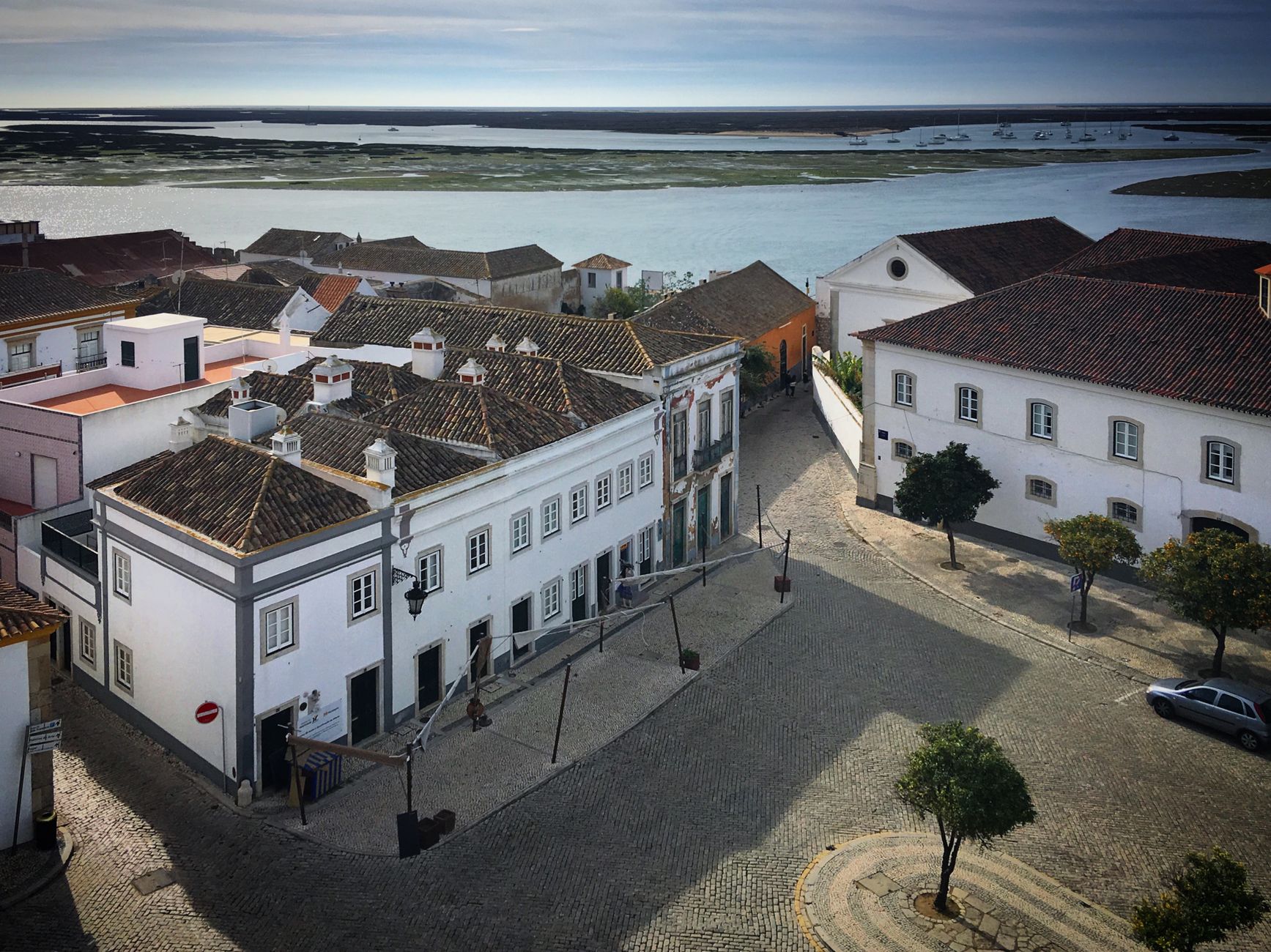
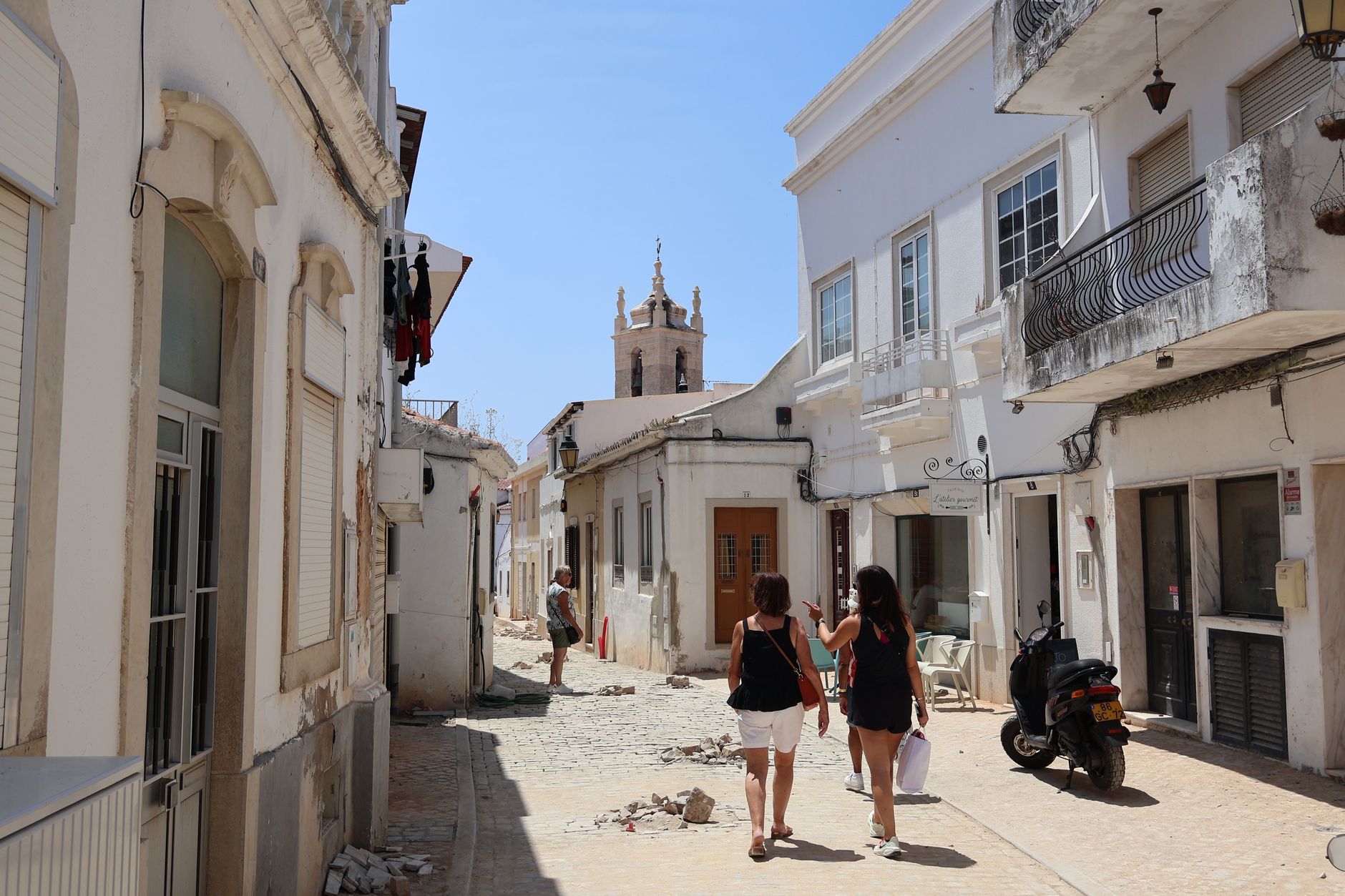
Tavira sits thirty kilometres east of Faro Airport, reached in forty minutes by regional train or highway. It is known for its Roman-style bridge across the River Gilão, thirty-plus historic churches, and the barrier islands of the Ria Formosa lagoon. Tavira is worth visiting if you want slow afternoons eating octopus rice and wandering cobbled alleys crowned by a ruined Moorish castle. Look elsewhere if you want high-energy beachfront nightlife, high-rise resort convenience, or water parks.
Last updated 21 Sept 2026
Build a Tavira itinerary.
Choose up to 4 threads that pull you in. Your plan arrives organised around them.
We'll craft a 4-lens plan for Tavira, one collapsible strand per lens.
Sacred Architecture
Explore Igreja da Misericórdia for its Renaissance portal and blue azulejos, then climb to Igreja de Santa Maria do Castelo beside the old fortress.
Sacred Architecture
Explore Igreja da Misericórdia for its Renaissance portal and blue azulejos, then climb to Igreja de Santa Maria do Castelo beside the old fortress.
Ramparts and Tomb Walking
Castelo de Tavira
Climb the stone stairs into the ruined keep and continue next door into Santa Maria church. Entry to both is free and takes under an hour.
Editor TipRebuilt by King Dinis in the thirteenth century, these battlements protect the tomb of Dom Paio Peres Correia, who took the town in 1242. Wear rubber-soled shoes; the limestone ramparts are polished slick by eight centuries of boots.
Rococo Woodwork and Choir Stalls
Igreja da Ordem Terceira do Carmo
Entry is two euros at the side nave door. Give yourself forty minutes to inspect the carved altarpieces and climb quietly up to the wooden organ loft.
Editor TipRebuilt after the 1755 earthquake, the church showcases the peak of Algarve wood-carving (talha dourada), executed by master regional joiners using Brazilian gold leaf. Look up at the painted ceiling trompe l'oeil; it is wonderfully theatrical and costs nothing extra to admire.
Baroque Azulejo Inspection
Ermida de São Sebastião
Push open the wooden door on Largo de São Sebastião. Pay the two-euro cash entry to the attendant, then give your feet twenty quiet minutes off the cobblestones.
Editor TipRebuilt after the 1755 earthquake, this neighborhood chapel houses intact narrative tile panels painted in Lisbon during the 1760s, capturing dramatic biblical scenes in cobalt and tin glaze. Sit in the third row pews where late afternoon sun hits the south wall tiles directly.
Coastal Fortress and Chapel
Fortaleza de Cacela Velha
Free to wander the bluff. The sixteenth-century church opens around 09:00; leave your car in the dirt lot outside the village gate.
Editor TipMoorish foundations gave way to an eighteenth-century battery that guarded the Ria Formosa barrier islands from North African privateers. Stand on the eastern bastion before the tour vans arrive from Faro to hear the tide slosh against the sandbars.
Rampart Views and Renaissance Portals
Igreja de Nossa Senhora da Assunção
Drive fifteen minutes east along the N125. Entry to the church and ramparts is free, giving you an unhurried hour above the sandbars.
Editor TipRebuilt after the 1755 earthquake, the site incorporates a 1500s Renaissance doorway into defensive walls originally raised to guard the Ria Formosa from corsairs. Park outside the whitewashed gate. The limestone cobbles are slicked smooth by wind and centuries of soles.
Traditional Crafts
Shop for handwoven reed baskets, painted ceramics, and hammered copper cataplanas made by regional artisans in the hillside workshops of the interior.
Traditional Crafts
Shop for handwoven reed baskets, painted ceramics, and hammered copper cataplanas made by regional artisans in the hillside workshops of the interior.
Pot-Caught Octopus and Olive Oil
Casa do Polvo Tasquinha
Reserve a table on the pedestrian lane. Order the polvo à lagareiro with roasted potatoes and local olive oil for thirty euros per head.
Editor TipLocal crews still lower traditional earthenware pots called alcatruzes along the seabed, an artisanal trapping method unchanged since the Moorish period. Service is deliberate. Settle in with a dry Arinto and let the kitchen work the charcoal at its own pace.
Markets & Produce
Morning trade at Mercado Municipal brings fresh sea bream, carob pods, dried figs, and small wheels of cured sheep cheese from the surrounding barrocal.
Markets & Produce
Morning trade at Mercado Municipal brings fresh sea bream, carob pods, dried figs, and small wheels of cured sheep cheese from the surrounding barrocal.
Morning Catch and Bica
Mercado Municipal de Tavira
Arrive before nine to watch the fishmongers gutting silver cutlassfish. Grab a bica and a torrada at the perimeter café for three euros.
Editor TipThe Ria Formosa lagoon dictates the rhythm here, supplying local tables with octopus, clams, and sea bass landed hours before dawn. Bring small coins. The vendors move too fast to break a twenty-euro note for figs.
Copper-Pot Seafood Cataplana
Restaurante Zeca da Bica
Take a table along the alley and order the monkfish and clam cataplana for two with local dry white wine. Budget around thirty-five euros per person; cash helps.
Editor TipThe hinged copper pan traps fragrant steam to cook coastal shellfish, an enduring Moorish technique central to Algarvian fishing kitchens. The stew takes twenty minutes to steam properly, so accept the bread, olives, and sheep cheese without agonizing over it.
Hand-Raked Salt Ponds
Salinas de Castro Marim
Wander the clay beds on foot for free, or buy bags of coarse sea salt and flor de sal directly from the cooperative shed for two euros.
Editor TipMarnotos have harvested salt here since Roman rule, skimming the delicate crust with wooden rakes using only wind, sun, and tidal sluices. Bring flat shoes you do not mind dusting in white brine; the clay bunds between evaporation tanks are narrow.
Note from the Editor
“Tavira wakes early and shuts down firmly for the midday heat. Start at the riverfront market by eight-thirty to see the real trade before the tour buses cross the bridge.”
Routes Through Tavira
Trips readers have saved that pass through here — the well-worn ones first.
- 01LisboaSesimbraVila Nova de MilfontesLagosTaviraSanlúcar de BarramedaJerez de la FronteraEstepona
- 02TaviraHuelvaUtreraCádiz
The Bed
Where to stay in Tavira
Which part of town to book, and what each one costs you in walking, noise or quiet.
The Comparison
Tavira, or somewhere near it
The places you are realistically choosing between, and the honest case for each.
The Local Record
Where to read more about Tavira
The blogs, boards, guides and operators worth bookmarking.
What to do in Tavira Algarve Portugal
Split cleanly by the River Gilão, Tavira unfolds on a gentle human scale. Days naturally follow the water, from morning fish purchases at the municipal market to afternoon boat crossings through the Ria Formosa marshes. The town suits independent travellers who value unhurried meals of grilled fish, quiet evening walks past whitewashed manor houses, and an Algarve rooted in everyday domestic life rather than packaged resort tourism.
24 hours in Tavira Algarve Portugal
Start early at the Mercado Municipal for coffee and pastries, then climb to the castle gardens before midday heat sets in. Cross the Ponte Romana for lunch of grilled cuttlefish on Rua dos Pelames. Catch the afternoon ferry from Quatro Águas out to Ilha de Tavira, returning for a late dinner of cataplana along the river. Select 1 Day above to see it.
2 days in Tavira Algarve Portugal
Spend your second morning three kilometres west in the fishing village of Santa Luzia, known for stellar octopus rice. Walk the boardwalk or take the miniature train to Praia do Barril to see the old tuna fleet anchors resting on the dunes, then head into the salt pans near the estuary as late afternoon light strikes the white brine flats. Choose 2 Days to expand the plan.
3 days in Tavira Algarve Portugal
A third day lets you head inland to the village of Cacela Velha for dramatic views across the lagoon, or take the regional rail line up into the Barrocal foothills. Stop in São Brás de Alportel to learn about historic cork harvesting, then finish with roast goat and medronho spirit at an unhurried countryside tasca.
Tavira Algarve Portugal itineraries by interest
Local Seafood in Tavira Algarve Portugal
Track down polvo à lagareiro roasted with garlic, cataplana de amêijoas steamed in copper, and grilled robalo straight off small local day boats.
Sacred Architecture in Tavira Algarve Portugal
Explore Igreja da Misericórdia for its Renaissance portal and blue azulejos, then climb to Igreja de Santa Maria do Castelo beside the old fortress.
Beaches in Tavira Algarve Portugal
Take the short ferry across the lagoon to Praia do Barril and walk past the anchor cemetery, or ride to Praia de Tavira for quiet Atlantic swimming.
Markets & Produce in Tavira Algarve Portugal
Morning trade at Mercado Municipal brings fresh sea bream, carob pods, dried figs, and small wheels of cured sheep cheese from the surrounding barrocal.
Maritime History in Tavira Algarve Portugal
Discover centuries of almadraba tuna netting at Arraial Ferreira do Amaral and study the medieval defensive walls raised during the Reconquista.
Coastal Walks in Tavira Algarve Portugal
Follow the boardwalk trail across Ria Formosa salt marshes from Santa Luzia, spotting wild flamingos, fiddler crabs, and working tide mills.
Salt Production in Tavira Algarve Portugal
Walk the perimeter paths of the salinas where workers harvest flor de sal by hand using traditional wooden rakes unchanged since the Phoenician era.
Day Trips in Tavira Algarve Portugal
Ride the local train east to Vila Real de Santo António for Pombaline grid streets, or head west to Olhão for massive waterfront brick market halls.
Fortifications in Tavira Algarve Portugal
Climb the crenellated towers of Castelo de Tavira to take in panoramic views of terracotta rooftops, the river estuary, and the bell towers below.
Riverfront Dining in Tavira Algarve Portugal
Sit along the Gilão riverbanks on Rua Borda d’Água da Asseca for chilled Vinho Verde, grilled sardines, and garlic prawns served in clay dishes.
Traditional Crafts in Tavira Algarve Portugal
Shop for handwoven reed baskets, painted ceramics, and hammered copper cataplanas made by regional artisans in the hillside workshops of the interior.
Local Wine in Tavira Algarve Portugal
Sample crisp Arinto and robust Negra Mole reds produced on the limestone soils of the nearby Tavira and Lagoa demarcated wine regions.