


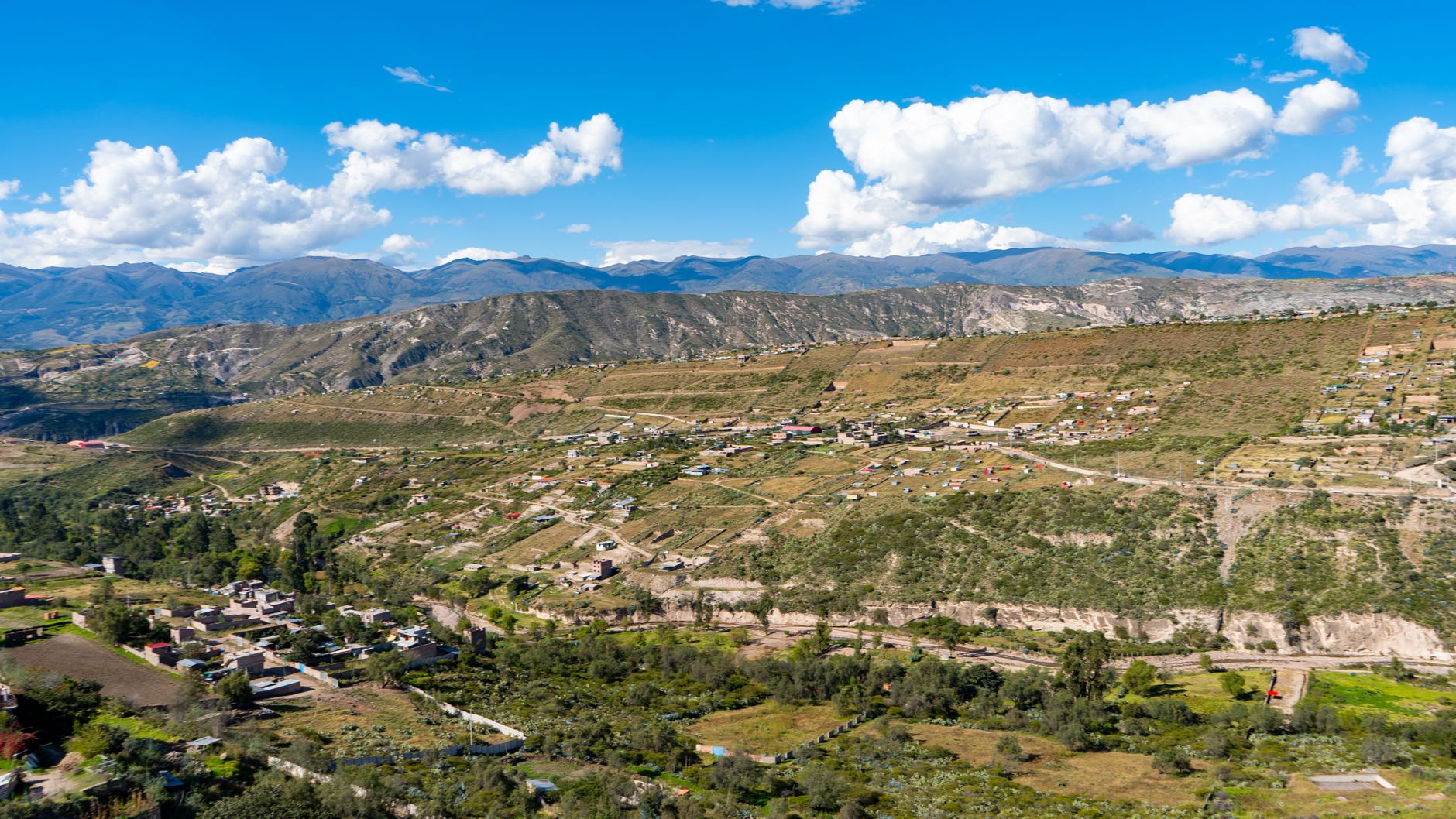


Ayacucho sits in the south-central Andes, a 50-minute flight or nine-hour bus ride southeast of Lima. It is known for thirty-three stone churches, intricate folk retablos, and traditional artisan workshops in the Santa Ana quarter. Ayacucho is worth visiting if you want to explore living craft traditions, baroque highland architecture, and slow Andean market cooking. Look elsewhere if you want high-end luxury resorts, English-speaking infrastructure, or fast coastal transit.
Last updated 25 Sept 2026
Build a Ayacucho itinerary.
Choose up to 4 threads that pull you in. Your plan arrives organised around them.
The Bed
Where to stay in Ayacucho
Which part of town to book, and what each one costs you in walking, noise or quiet.
Places to stay
Central, well-rated and easy to find again. Distances are from the middle of town.
These links go to Booking.com and earn us a commission. They cost you nothing extra.
The Comparison
Ayacucho, or somewhere near it
The places you are realistically choosing between, and the honest case for each.
The Local Record
Where to read more about Ayacucho
The blogs, boards, guides and operators worth bookmarking.
What to do in Ayacucho Ayacucho Peru
Ayacucho unfolds across a high Andean basin where mornings start with steam rising from market soup cauldrons and evenings settle into quiet stone arcades around the Plaza Mayor. Daily life moves at a calm, deliberate rhythm between historic quarter workshops and seventeenth-century chapels. It suits independent travellers keen on slow walking, tangible living history, and authentic regional cooking away from the tourist circuit.
24 hours in Ayacucho Ayacucho Peru
Begin at the Cathedral and Santa Teresa for morning baroque woodwork. Walk five blocks to Mercado Vivanco for a mid-morning bowl of spicy puca picante with pork. Spend the afternoon in Barrio Santa Ana watching weaver families at foot looms, then end on the Plaza Mayor with a bowl of cinnamon-rich muyuchi ice cream under the stone arches. Select 1 Day above to see it.
2 days in Ayacucho Ayacucho Peru
A second day lets you travel twenty-two kilometres northeast to the pre-Inca stone ruins of the Wari complex. Continue to Quinua village to watch potters sculpt clay roof charms, then walk the high grass of Pampa de Ayacucho where Peruvian independence was secured in 1824. Eat fried trout from roadside stalls before taking an evening colectivo back. Choose 2 Days to expand the plan.
3 days in Ayacucho Ayacucho Peru
A third day unlocks an early trip south to the turquoise stepped pools of Millpu in Circamarca canyon, or a dedicated morning at the ANFASEP memory museum followed by an unhurried walk up to Mirador de Acuchimay. You gain the time to browse artisan shops without rushing transport schedules or missing afternoon light on the mountain peaks.
Ayacucho Ayacucho Peru itineraries by interest
Sacred Architecture in Ayacucho Ayacucho Peru
Thirty-three colonial churches dot the centre, led by the 1672 Cathedral on Plaza Mayor and the gilded altars inside Santo Domingo and Santa Teresa.
Craft Traditions in Ayacucho Ayacucho Peru
Master artisans in Barrio Santa Ana carve soft Huamanga alabaster stone, weave sheep-wool tapestries on floor looms, and construct wooden retablos.
Markets & Produce in Ayacucho Ayacucho Peru
Mercado Central de Andrés F. Vivanco fills morning aisles with rounds of Andean mountain cheese, native tubers, fresh herbs, and hot puca picante.
Traditional Cooking in Ayacucho Ayacucho Peru
Clay pots simmer with puca picante, seasoned pork belly, crackling cuy chactado, and bowls of rich tripe mondongo stew brewed overnight.
Sweet Treats in Ayacucho Ayacucho Peru
Women in the Plaza Mayor hand-crank muyuchi ice cream in metal tubs over ice and salt, topping the dense, cinnamon-scented milk with sweet airampo seed.
Ancient Civilisations in Ayacucho Ayacucho Peru
The stone ruins of the Wari Empire, predating the Incas by five centuries, spread across arid scrubland with a small on-site archaeological museum.
Day Trips in Ayacucho Ayacucho Peru
Quinua sits thirty kilometres north, known for red-clay potters, white church roof adornments, and the 1824 Battle of Ayacucho obelisk on the pampa.
Baroque Art in Ayacucho Ayacucho Peru
Monasterio de Santa Teresa and the Templo de la Compañía de Jesús house hand-carved cedar pulpits, gold-leaf retables, and viceregal oil canvases.
Hillside Viewpoints in Ayacucho Ayacucho Peru
Mirador de Acuchimay rises south of the centre, giving clear views across the tiled roofs and bell towers out toward the surrounding Andean ridges.
Living History in Ayacucho Ayacucho Peru
Museo de la Memoria ANFASEP documents the internal conflict of the 1980s and 1990s through testimonies, personal photographs, and woven arpilleras.
Village Day Hikes in Ayacucho Ayacucho Peru
The turquoise stepped mineral pools of Millpu near Circamarca reward a rugged three-hour trip into the canyon with cold water and volcanic stone walls.
Town Plazas in Ayacucho Ayacucho Peru
Plaza Mayor features stone arcades, a central equestrian statue of Sucre, and stone benches ideal for watching midday life unfold under the sun.