

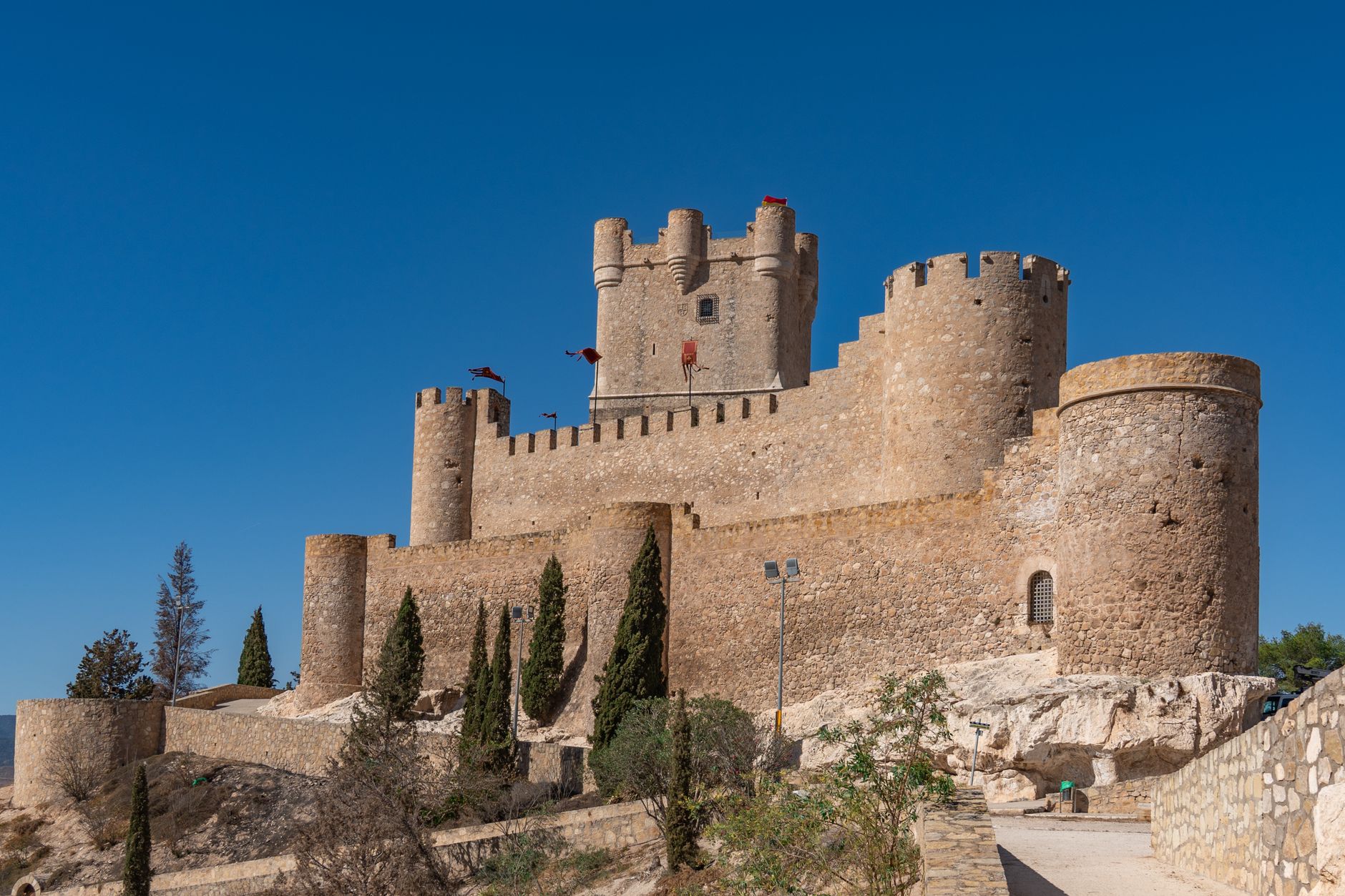
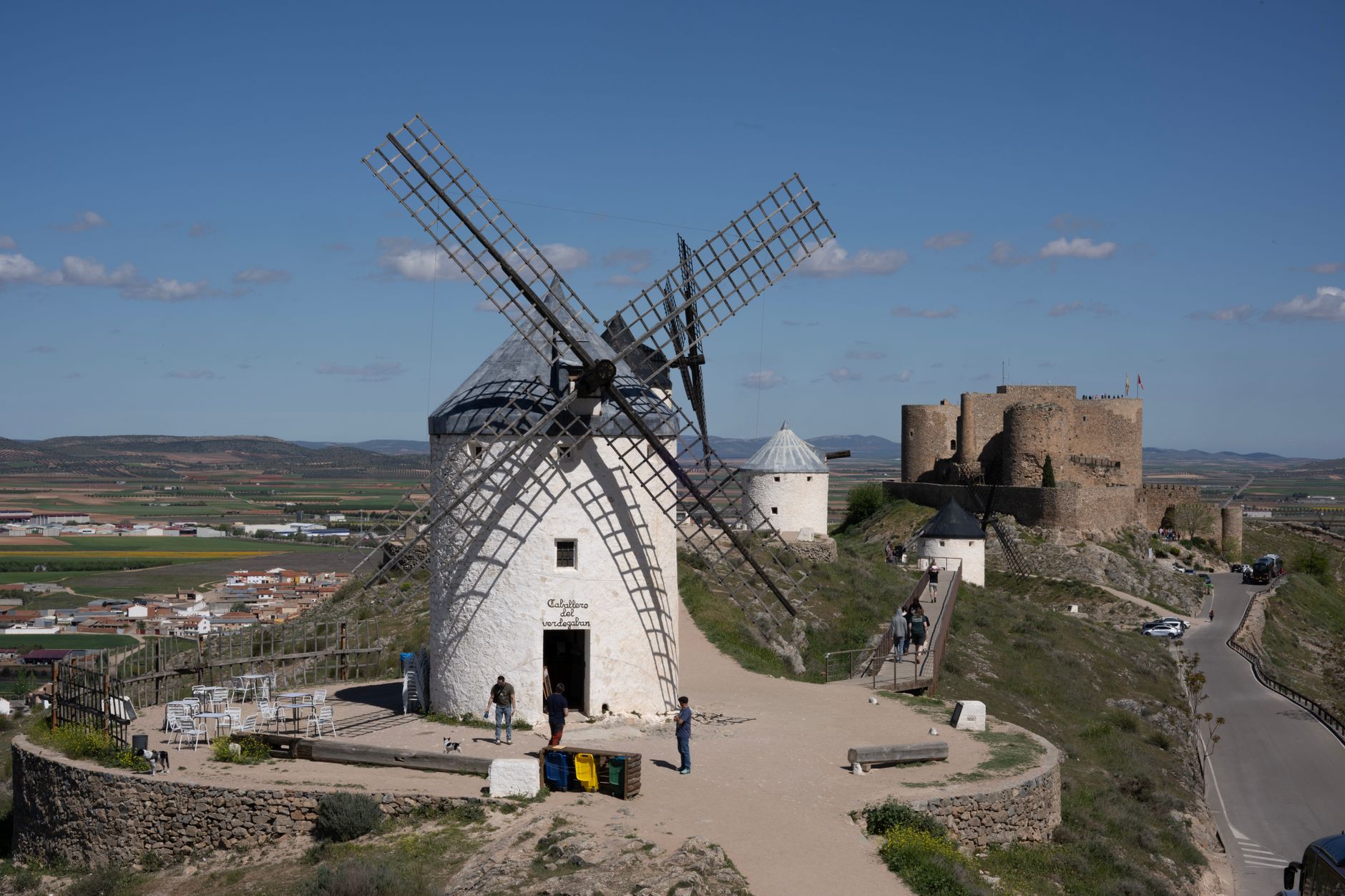
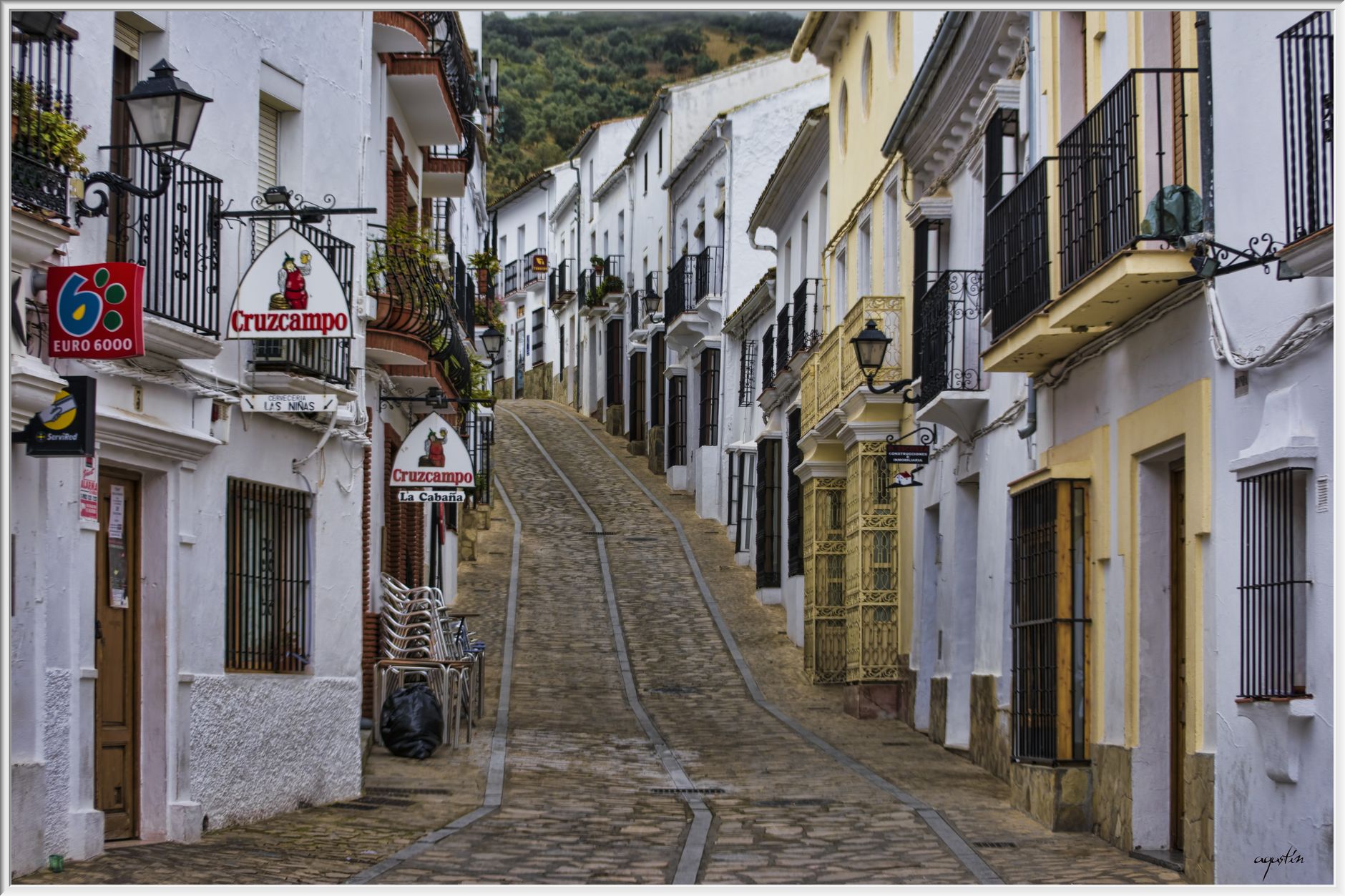
Granite pavers climb steeply past stone cottages toward the keep of the medieval castle. This quiet Beira ridge holds a singular survival story: a crypto-Jewish community that practiced their rites in secret for over four centuries, finally opening a synagogue in 1996. Walking between the castle walls and the old Judiaria along Rua Direita feels unhurried, with clear mountain winds sweeping across the Zêzere valley.
Last updated 29 Aug 2026
Build a Belmonte itinerary.
Choose up to 4 threads that pull you in. Your plan arrives organised around them.
The Bed
Where to stay in Belmonte
Which part of town to book, and what each one costs you in walking, noise or quiet.
The Comparison
Belmonte, or somewhere near it
The places you are realistically choosing between, and the honest case for each.
The Local Record
Where to read more about Belmonte
The blogs, boards, guides and operators worth bookmarking.
What to do in Belmonte Centro Portugal
Belmonte clusters around its granite crest above the Zêzere valley, offering a reflective rhythm far removed from coastal tour buses. Days here revolve around the Jewish Museum, the castle grounds, and long lunches over roasted goat and Beira Interior wine. It suits independent travellers and history enthusiasts who appreciate layered heritage, walkable village streets, and deep mountain tradition.
24 hours in Belmonte Centro Portugal
Start early at the Museu Judaico on Rua da Portagem, then wander the narrow lanes of the Judiaria to the castle keep. Break for cabrito assado and Serra cheese at a local tasca, then spend your afternoon at the Discoveries Museum and Torre de Centum Cellas. Select 1 Day above to see it.
2 days in Belmonte Centro Portugal
Day two takes you out into the high granite landscape. Walk the Roman ruins of Centum Cellas in the morning quiet, then head twenty minutes southeast to the walled border fortress of Sortelha before returning to Belmonte for a dinner of chanfana and Rufete wine. Choose 2 Days to expand the plan.
3 days in Belmonte Centro Portugal
With three days, venture into the granite-boulder alleys of Monsanto or drive up into the Serra da Estrela highlands to visit shepherd dairies in Manteigas. Settle your final evening on the castle terrace with a glass of local Fonte Cal.
Belmonte Centro Portugal itineraries by interest
Sacred Architecture in Belmonte Centro Portugal
Visit Bet Eliahu Synagogue and the 13th-century granite Igreja de Santiago, containing Cabral family tombs and weathered Romanesque-Gothic carvings.
Jewish Heritage in Belmonte Centro Portugal
Explore the Museu Judaico on Rua da Portagem, documenting five centuries of crypto-Jewish rituals, secret prayers, and the return to open worship.
Medieval History in Belmonte Centro Portugal
Climb the ramparts of Castelo de Belmonte, the 13th-century seat of Pedro Álvares Cabral, offering panoramic views over the Cova da Beira plains.
Mountain Cooking in Belmonte Centro Portugal
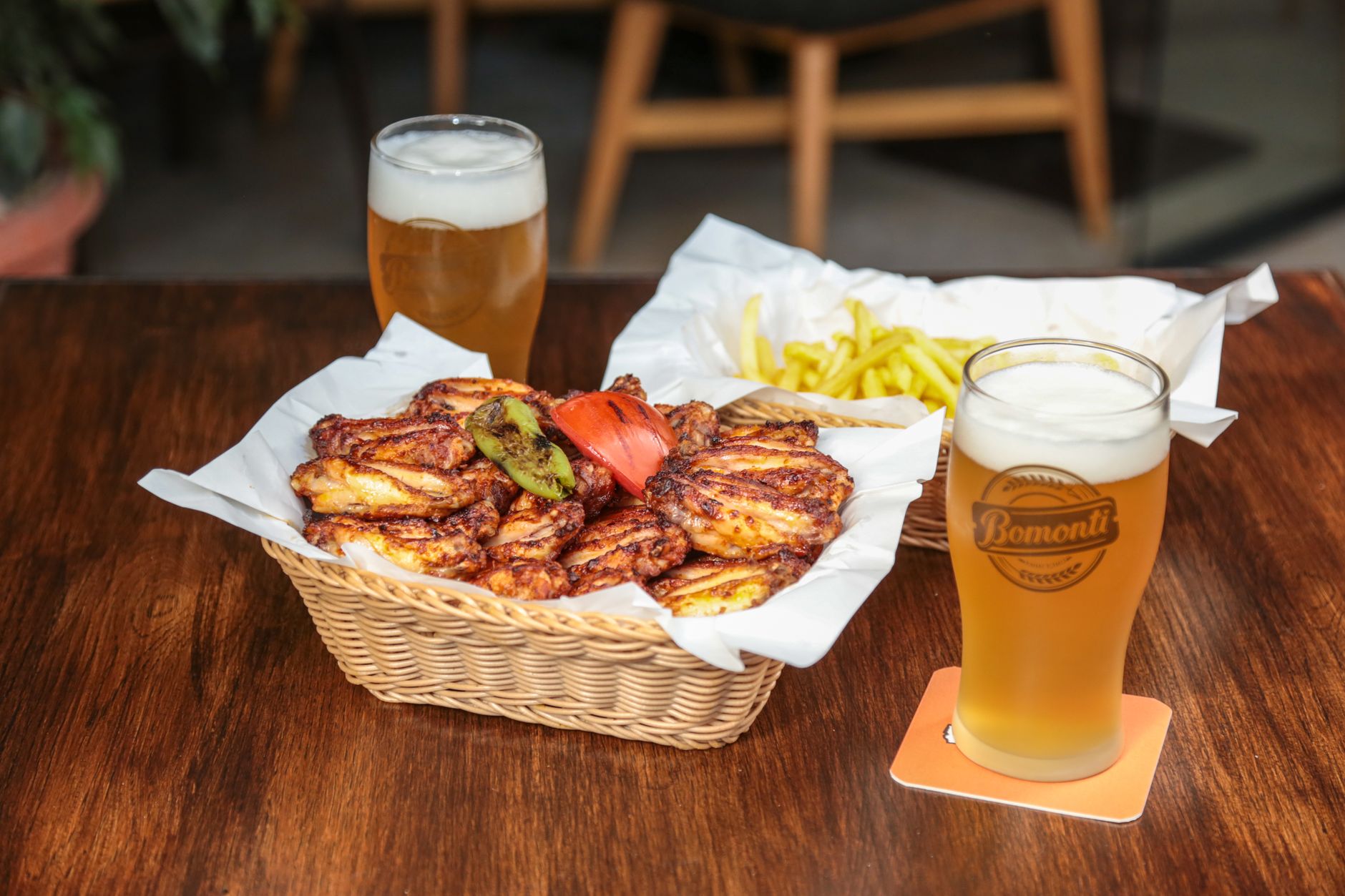
Tuck into slow-roasted cabrito assado, chanfana stewed in red wine, and pungent raw-milk Queijo Serra da Estrela with dense crusty rye broa.
Cured Meats in Belmonte Centro Portugal
Taste authentic game and poultry alheiras, the historic garlic-laced sausages developed by crypto-Jews to disguise their faith without pork.
Wine & Vineyards in Belmonte Centro Portugal
Sample crisp white Fonte Cal and earthy Rufete reds from high-altitude Beira Interior D.O. estates along the sun-baked slopes of the Zêzere.
Ancient Archaeology in Belmonte Centro Portugal
Drive three kilometers north to Torre de Centum Cellas, a puzzling multi-storey first-century Roman granite tower rising directly from the fields.
Museums & Exhibitions in Belmonte Centro Portugal
Tour the Museu dos Descobrimentos in the Cabral manor, tracing 16th-century Atlantic navigation and Brazil's landfall with practical interactive maps.
Scenic Overlooks in Belmonte Centro Portugal
Pause at the Miradouro do Castelo bench near sunset for uninterrupted views of the Serra da Estrela ridgeline turning ochre across the valley.
Country Walks in Belmonte Centro Portugal
Follow rural footpaths marked PR1 through olive groves, ancient granite threshing floors, and dry-stone walls circling the lower village terraces.
Artisan Sweets in Belmonte Centro Portugal
Pick up honey-drenched bolos de azeite and crumbly almond biscoitos kosher at small bakeries tucked near the historic Judiaria quarter.
Historic Villages in Belmonte Centro Portugal
Take a short drive to the boulder-strewn lanes of Monsanto or the high castle ramparts of Sortelha, two neighbouring Aldeias Históricas.