


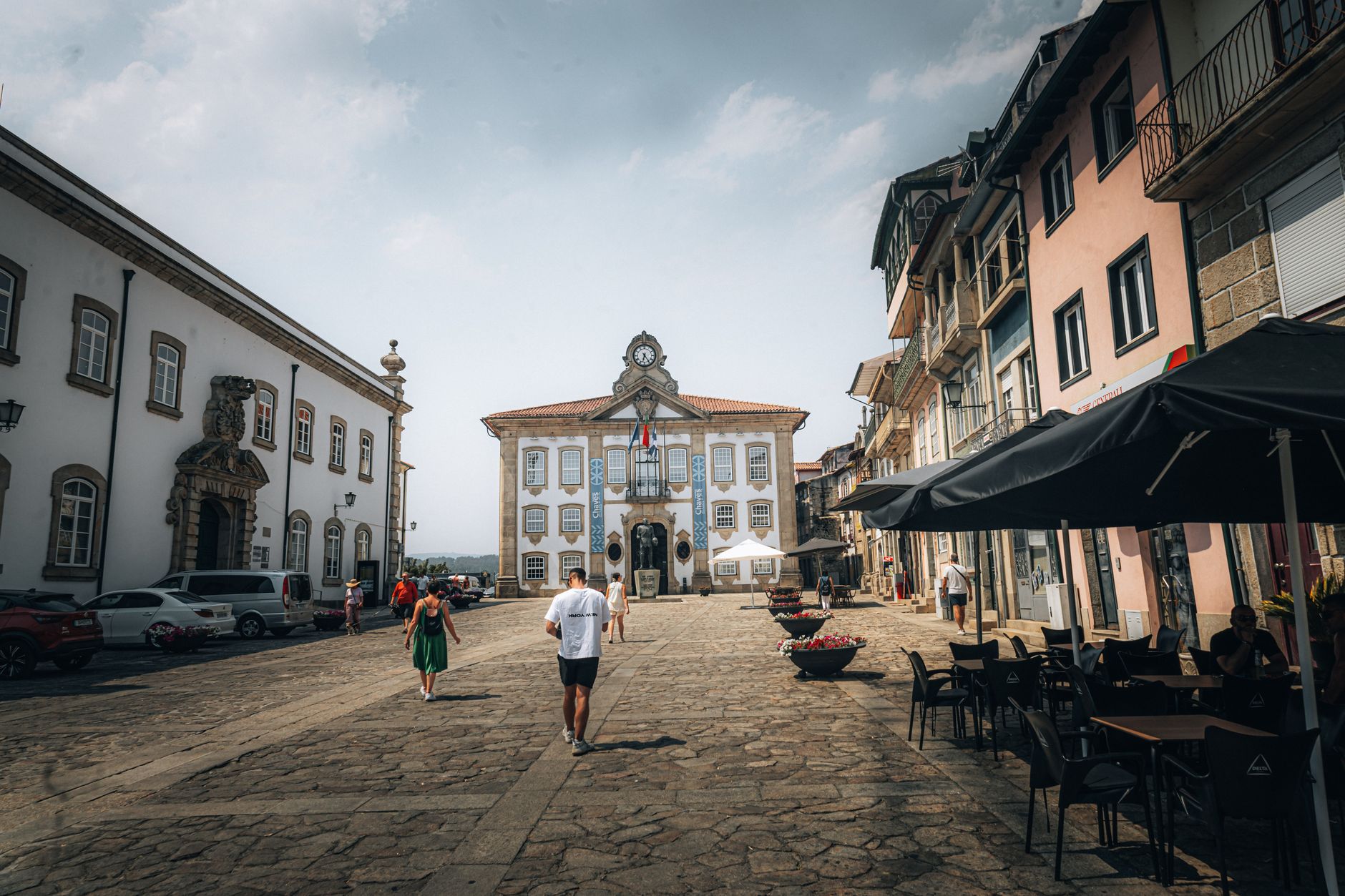
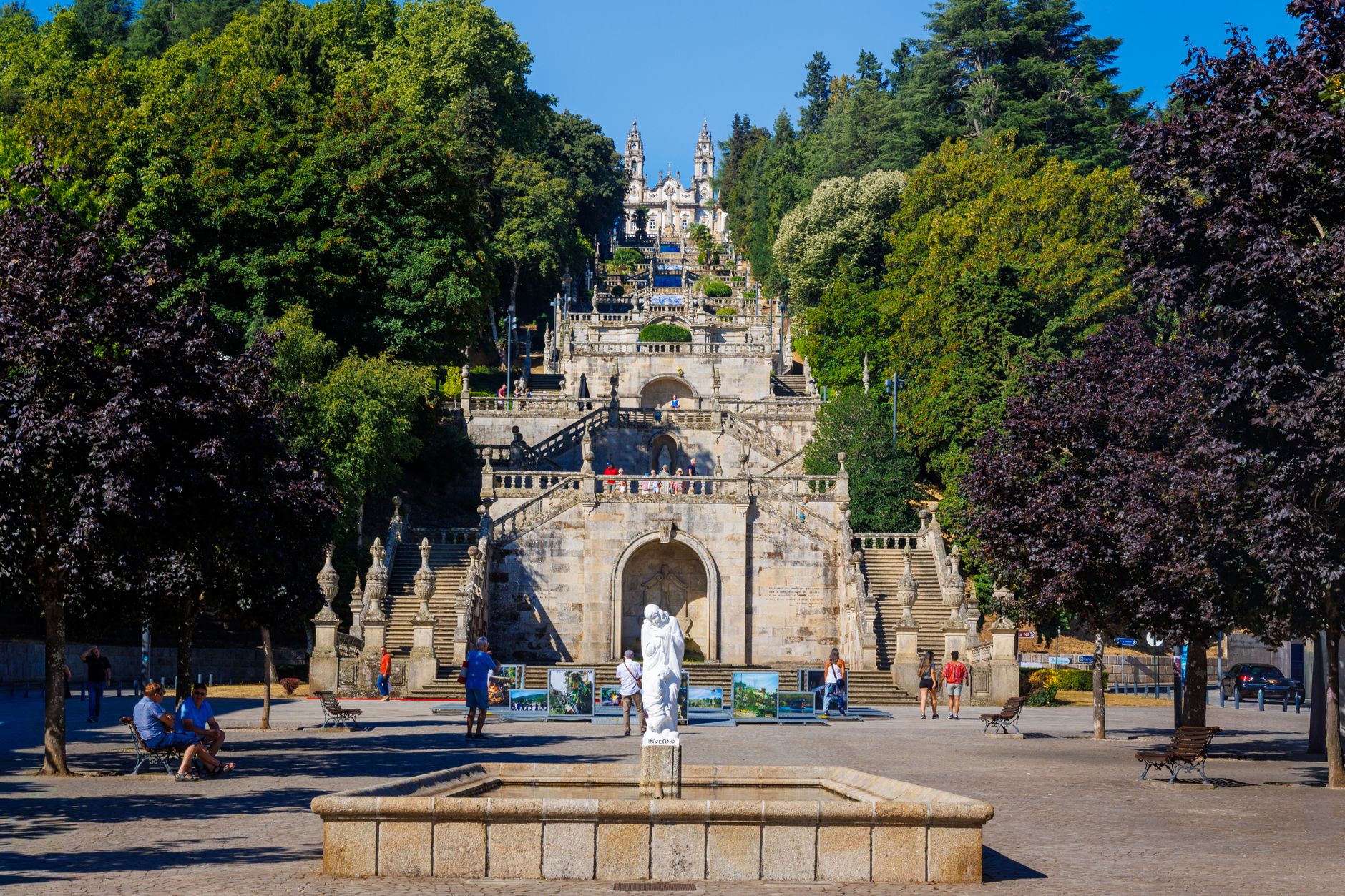

Viseu sits in central Portugal, an eighty-minute bus ride or drive east from Porto along the A25. It is known for its intact granite medieval core and as the capital of the Dão wine region. Viseu is worth visiting if you want to drink structured Encruzado whites beside plates of slow-roasted veal and study Renaissance paintings in a quiet hilltop cathedral square. Look elsewhere if you require seaside beaches, direct passenger train connections, or raucous late-night clubbing.
Last updated 22 Sept 2026
Build a Viseu itinerary.
Choose up to 4 threads that pull you in. Your plan arrives organised around them.
The Bed
Where to stay in Viseu
Which part of town to book, and what each one costs you in walking, noise or quiet.
The Comparison
Viseu, or somewhere near it
The places you are realistically choosing between, and the honest case for each.
The Local Record
Where to read more about Viseu
The blogs, boards, guides and operators worth bookmarking.
What to do in Viseu Centro Portugal
Viseu crowns a granite plateau between the Caramulo and Serra da Estrela ranges. Life here unfolds between the shaded cafés of the Rossio and the soaring cathedral square above. Days run at a measured pace: mornings are for inspecting Grão Vasco paintings and wandering narrow merchant alleys like Rua Direita, afternoons for lingering lunches of roast veal, and evenings for drinking local Dão wine alongside residents on quiet stone plazas.
24 hours in Viseu Centro Portugal
Spend the morning in the high Adro da Sé visiting the cathedral cloister and Grão Vasco museum. Walk downhill along Rua Direita for a lunch of vitela assada at an unpretentious tasca. In the afternoon, circle the Rossio azulejo tiles and finish with coffee and a custard-filled viriato. Select 1 Day above to see it.
2 days in Viseu Centro Portugal
A second day lets you explore the vast woodland trails of Parque do Fontelo before heading out to a Dão wine estate. Spend the afternoon tasting crisp Encruzado and Touriga Nacional reds at Quinta de Cabriz, then return to town for a bowl of slow-simmered rancho stew. Choose 2 Days to expand the plan.
3 days in Viseu Centro Portugal
With three days, venture south into the manicured garden village of Santar to tour historic granite manors, or hire a bicycle for the scenic Ecopista do Dão towards Santa Comba Dão. End the trip with a quiet dinner of roast kid and cellar-aged red wine in the old Jewish quarter.
Viseu Centro Portugal itineraries by interest
Wine & Vineyards in Viseu Centro Portugal
Tour granite cellars in the surrounding Dão region to sample mineral Encruzado whites and aged Touriga Nacional paired with local sheep cheese.
Regional Cuisine in Viseu Centro Portugal
Order vitela assada à moda de Viseu, slow-roasted Lafões veal served with roasted potatoes, or the hearty winter stew known as rancho.
Sacred Architecture in Viseu Centro Portugal
Climb to the granite Adro da Sé to see the cathedral's Manueline vaulted ceilings and the twin towers of the Rococo Igreja da Misericórdia.
Fine Art in Viseu Centro Portugal
Visit the Museu Nacional Grão Vasco beside the cathedral to examine sixteenth-century Renaissance oil panels painted by Vasco Fernandes.
Historic Streets in Viseu Centro Portugal
Walk the narrow flagstones of Rua Direita and Rua Escura, lined with medieval archways, small hardware shops, and dry-goods grocers.
Pastry & Baking in Viseu Centro Portugal
Stop at a pastelaria around Praça da República for viriatos, the local V-shaped sweet brioche filled with rich egg-yolk custard.
City Parks in Viseu Centro Portugal
Wander the shade of ancient plane trees in Parque do Fontelo, once the sixteenth-century estate grounds of the local bishops.
Ancient Ruins in Viseu Centro Portugal
Walk the perimeter octagonal earthworks of the Cava de Viriato, an enigmatic ancient defensive fortification north of the centre.
Cycling & Greenways in Viseu Centro Portugal
Rent a bicycle to ride the Ecopista do Dão, a paved car-free trail following forty-nine kilometres of a decommissioned railway line.
Ceramics & Tilework in Viseu Centro Portugal
Inspect the grand blue-and-white azulejo tile panels lining the curved staircase wall at Praça da República, also called the Rossio.
Local Markets in Viseu Centro Portugal
Browse the stalls at Mercado Municipal 2 de Maio for cured presunto, seasonal chestnuts, Dão honey, and local Serra da Estrela cheeses.
Day Trips in Viseu Centro Portugal
Drive thirty minutes south to Santar to explore aristocratic manor houses and manicured garden estates producing estate-bottled wines.