

Granite walls absorb the inland heat long before midday, casting sharp shadows across the steep alleys below the Templar castle. Down in the town center, the manicured boxwood parterres of the Jardim do Paço Episcopal mock the Spanish kings with stone statues of diminished stature. You come here for the intricate silk coverlets embroidered on linen looms and stay for the pungent raw sheep cheeses of the Beira Baixa plains.
Last updated 28 Aug 2026
Build a Castelo Branco itinerary.
Choose up to 4 threads that pull you in. Your plan arrives organised around them.
The Bed
Where to stay in Castelo Branco
Which part of town to book, and what each one costs you in walking, noise or quiet.
The Comparison
Castelo Branco, or somewhere near it
The places you are realistically choosing between, and the honest case for each.
The Local Record
Where to read more about Castelo Branco
The blogs, boards, guides and operators worth bookmarking.
What to do in Castelo Branco Centro Portugal
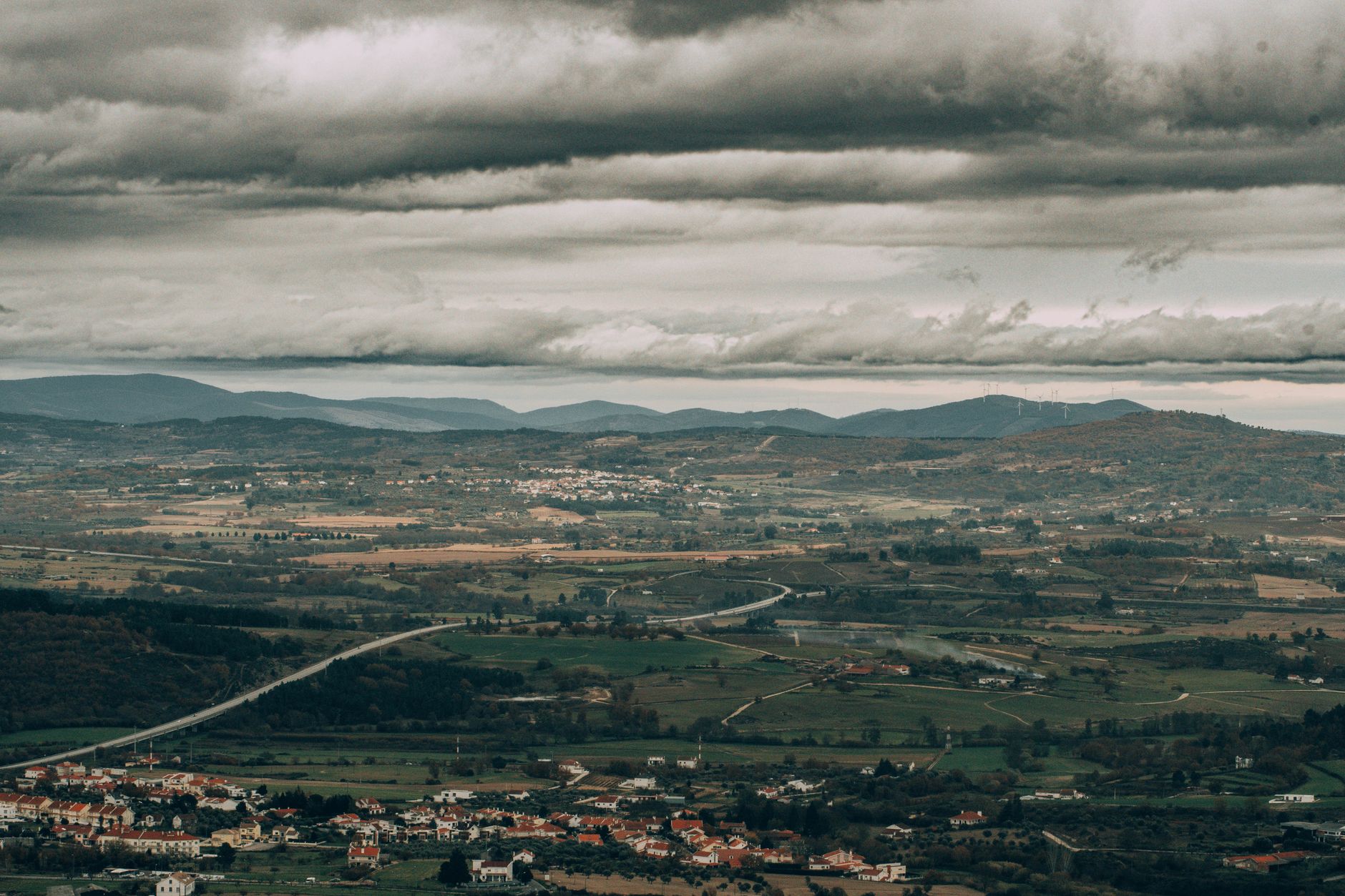
Castelo Branco spreads across the rugged interior of Beira Baixa, balancing quiet provincial rhythm with monumental civic pride. Days revolve around leisurely walks through the Renaissance gardens, visits to textile workshops, and long lunches centered on slow-cooked kid goat and local sheep cheese. It suits travellers who prefer uncrowded historical centers and deep regional food cultures over coastal bustle.
24 hours in Castelo Branco Centro Portugal
Spend the morning tracing the carved box hedges of the Jardim do Paço Episcopal, then stop for cabrito assado near Praça Luís de Camões. Walk up to the Templar castle ruins in the late afternoon, finishing with clay-baked tigeladas at a café on Docas. Select 1 Day above to see it.
2 days in Castelo Branco Centro Portugal
A second day brings the medieval quarter into focus. Tour the silk colcha workshops at the Centro do Bordado, browse the regional museum, and head outside town to Alcains for an afternoon tasting intense, pungent raw-milk cheeses at small artisanal dairies. Choose 2 Days to expand the plan.
3 days in Castelo Branco Centro Portugal
With three days, head into the borderlands. Spend an unhurried day wandering among the giant granite boulders of Monsanto, then continue to the Roman and Visigothic ruins of Idanha-a-Velha before returning to town for evening wine and petiscos.
Castelo Branco Centro Portugal itineraries by interest
Regional Cheese in Castelo Branco Centro Portugal
Sample Queijo de Castelo Branco PDO, a thistle-curd raw sheep milk cheese paired with crusty sourdough bread and regional olives.
Historic Gardens in Castelo Branco Centro Portugal
Walk the Jardim do Paço Episcopal, an 18th-century baroque masterpiece filled with sculpted boxwood hedges, fountains, and ironic statues.
Textile Arts in Castelo Branco Centro Portugal
Watch artisans weave silk floss on linen at the Centro de Interpretação do Bordado, famous for hand-stitched Castelo Branco colchas.
Medieval Fortifications in Castelo Branco Centro Portugal
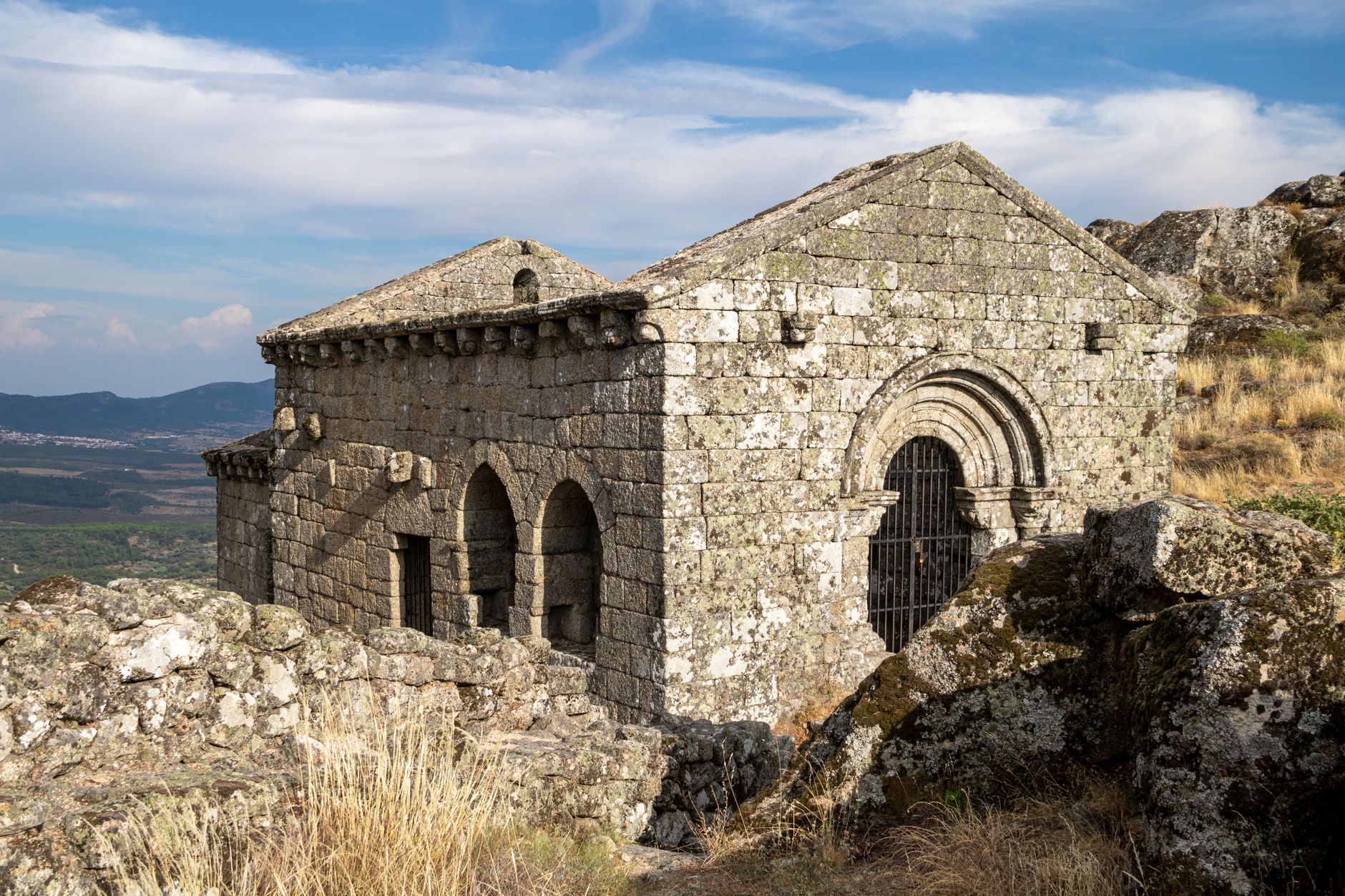
Climb to the 13th-century Templar castle keep on the Colina da Cardosa for panoramic views over the plains toward Spain.
Traditional Dining in Castelo Branco Centro Portugal
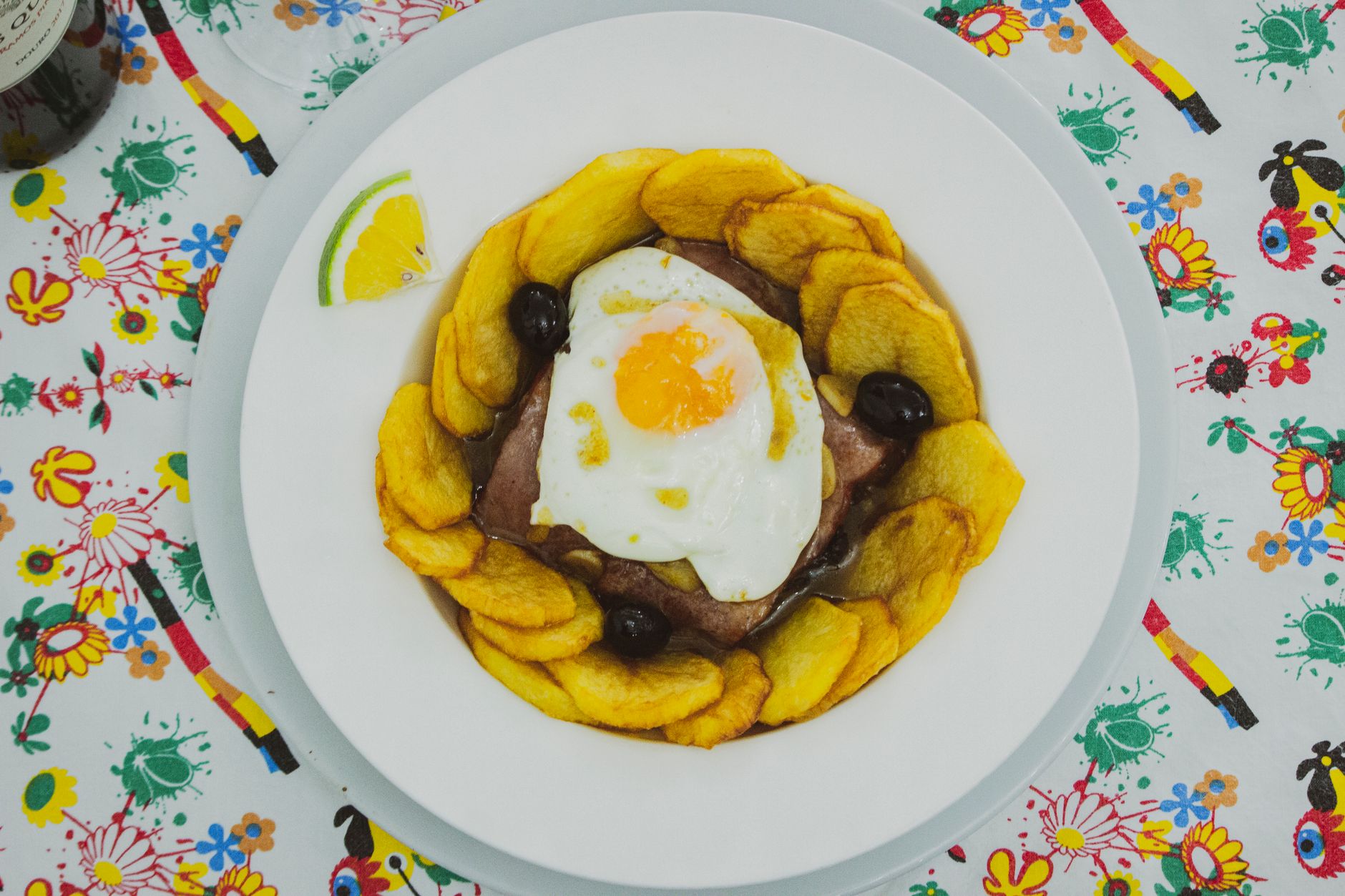
Order cabrito assado no forno (roast kid goat) or maranhos at family-run tascas like Cabra Preta along Rua de Santa Maria.
Sacred Art in Castelo Branco Centro Portugal
Visit the Museu Francisco Tavares Proença Júnior to view Renaissance tapestries, archaeological finds, and early ecclesiastical relics.
Olive Oil Culture in Castelo Branco Centro Portugal
Taste robust Galega olive oils pressed in local mills across the surrounding Beira Baixa countryside, drizzled over toasted cornbread.
Day Trips in Castelo Branco Centro Portugal
Drive thirty minutes to the boulder-strewn village of Monsanto or the schist cottages of Idanha-a-Velha along the Roman road.
Modern Art in Castelo Branco Centro Portugal
Explore contemporary Portuguese painting and sculpture inside the converted 18th-century grain silo at the Centro de Cultura Contemporânea.
Urban Walking in Castelo Branco Centro Portugal
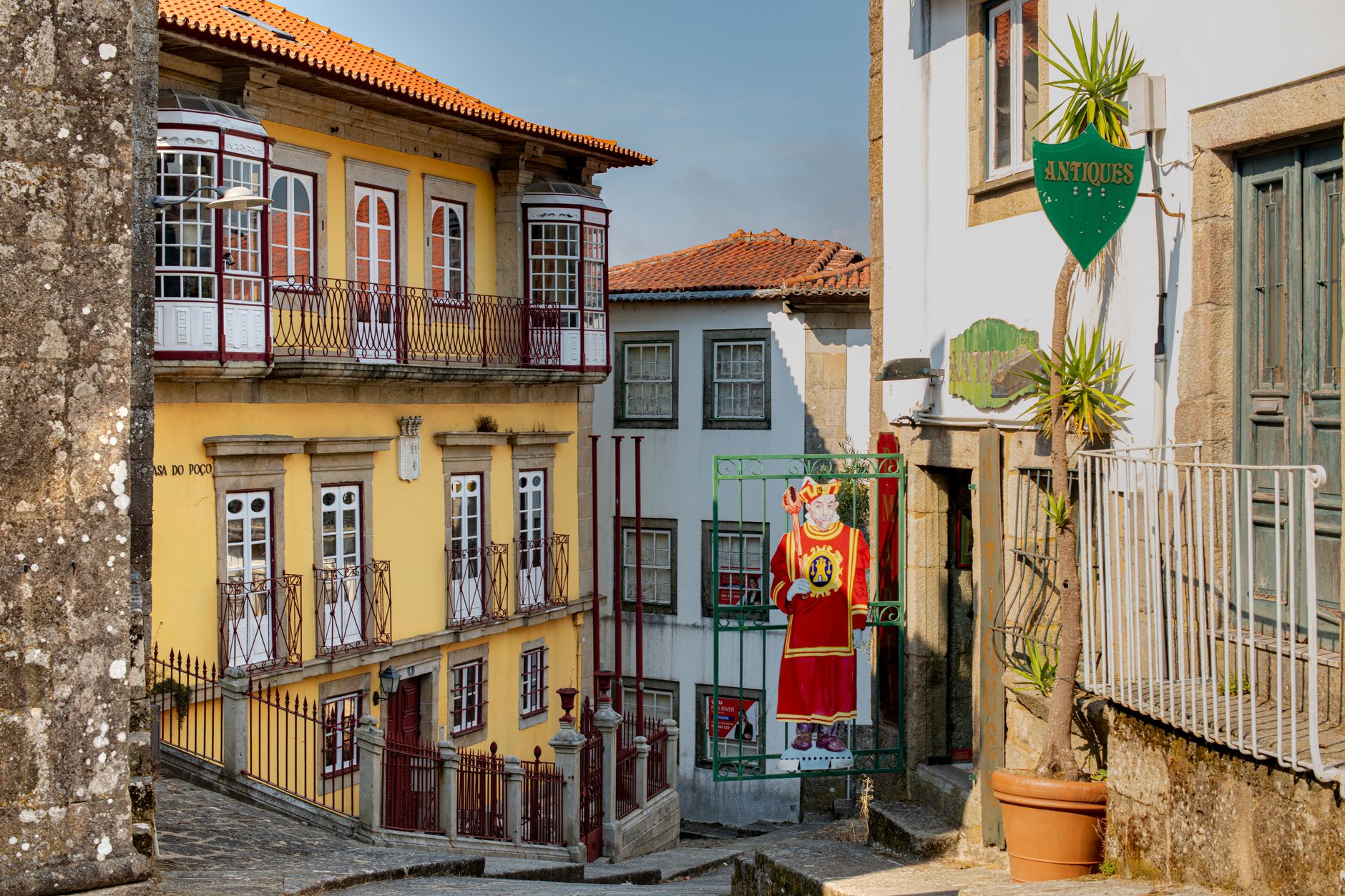
Follow the cobbled alleys of the Zona Histórica, passing 16th-century Manueline stone portals and quiet residential courtyards.
Local Pastries in Castelo Branco Centro Portugal
Try tigeladas, egg-and-milk custards baked in unglazed clay bowls, fresh from bakeries around Praça do Município.
Nature Trails in Castelo Branco Centro Portugal
Hike the granite trails of the nearby Parque Natural do Tejo Internacional to spot griffon vultures and black storks along the river.