.jpg)
_02.jpg)

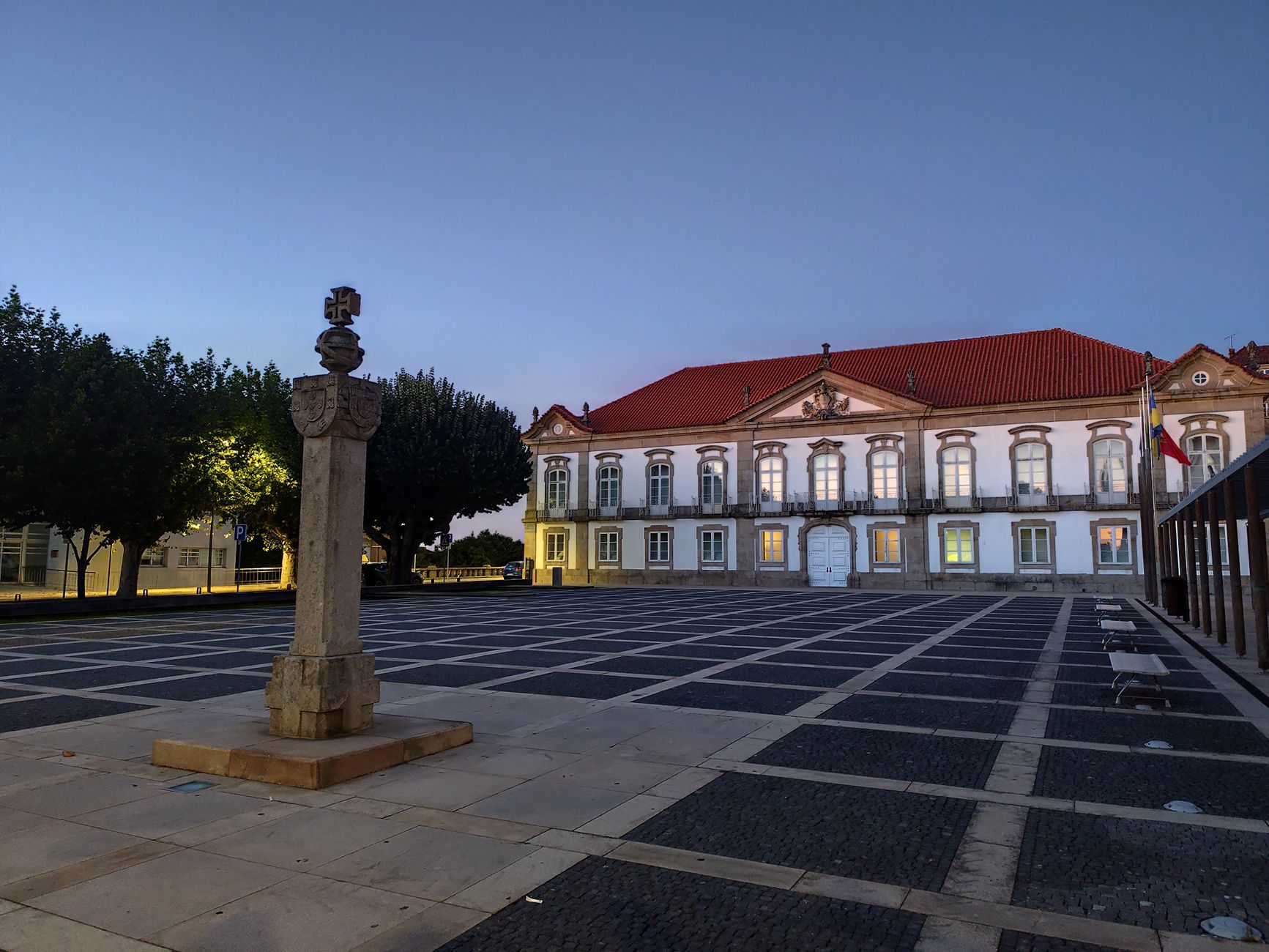


Granite slabs and mountain chill dictate life on these high slopes. The town sits upright against the western flank of the Serra da Estrela, where stone-paved lanes funnel you past quiet bakeries and shops dedicated entirely to Queijo Serra da Estrela. Cut open that raw-milk round and it spills like warm custard onto dense rye broa. It is straightforward, unadorned hill country where shepherds still walk Bordaleira sheep through the morning mist, and dinner is built to withstand real mountain weather.
Last updated 29 Aug 2026
Build a Seia itinerary.
Choose up to 4 threads that pull you in. Your plan arrives organised around them.
The Bed
Where to stay in Seia
Which part of town to book, and what each one costs you in walking, noise or quiet.
The Comparison
Seia, or somewhere near it
The places you are realistically choosing between, and the honest case for each.
The Local Record
Where to read more about Seia
The blogs, boards, guides and operators worth bookmarking.
What to do in Seia Centro Portugal
Seia is built for walkers, hearty eaters, and anyone who appreciates rough stone and thin mountain air. Life here revolves around the table and the trails. You start with warm coffee and fresh broa in the town centre, spend afternoons navigating granite valleys, and finish by a hearth with a wheel of sheep cheese and Dão red wine. It suits independent travellers who prefer sturdy boots over polished resort towns.
24 hours in Seia Centro Portugal
Start early at the Museu do Pão for wood-fired rye bread, then drive twenty minutes up to the glacial springs at Senhora do Desterro. For lunch, order roasted kid goat at a local tasca. Spend your afternoon wandering the old granite core of Seia, wrapping up with a wheel of raw-milk Serra cheese and a glass of Touriga Nacional before dark. Select 1 Day above to see it.
2 days in Seia Centro Portugal
Dedicate day two to Loriga, a thirty-minute drive south down winding mountain roads. Walk the dramatic glacial throat, dip into the terraced river beach if the weather holds, and eat chanfana slow-braised in red wine in the village square. On the drive back, stop in Sabugueiro to pick up cured ham and mountain honey. Choose 2 Days to expand the plan.
3 days in Seia Centro Portugal
A third day allows the ascent to Torre, the highest summit in mainland Portugal, just forty minutes away. From there, explore the granite rock formations at Covão d'Ametade or continue down the eastern slopes toward the historic stone village of Linhares da Beira, returning to Seia for a quiet dinner of caldo verde and smoked chouriço.
Seia Centro Portugal itineraries by interest
Artisan Cheese in Seia Centro Portugal
Spoon out gooey Queijo Serra da Estrela PDO, made from raw Bordaleira sheep milk and cardoon thistle, paired with crusty broa de centeio.
Mountain Hiking in Seia Centro Portugal
Hike the marked trails through the glacial valley of Loriga or climb the rugged granite paths toward Torre, the highest point in mainland Portugal.
Bread Traditions in Seia Centro Portugal
Explore the vast Museu do Pão on Quinta Fonte do Bispo and sample dense regional rye broa baked in wood-fired ovens across mountain villages.
River Beaches in Seia Centro Portugal
Swim in the mountain-fed waters of Praia Fluvial de Loriga, set in a natural glacial bowl with terraced stone sunbathing decks.
Textile Heritage in Seia Centro Portugal
Trace the region's woolen roots through water-resistant burel fabric, spun from mountain sheep fleece into traditional shepherd cloaks.
Historic Villages in Seia Centro Portugal
Wander the slate and granite alleys of Sabugueiro and Alvoco da Serra, where traditional stone houses cluster along steep mountain streams.
Comfort Food in Seia Centro Portugal
Warm up with borrego assado, chanfana simmered in red wine and clay pots, and thick mountain soups loaded with greens and cured chouriço.
Sacred Architecture in Seia Centro Portugal
Visit the 18th-century Capela de São Pedro and the hillside sanctuary of Nossa Senhora do Desterro, set above cascading mountain waters.
Wine & Vineyards in Seia Centro Portugal
Taste mineral-driven Dão reds based on Touriga Nacional and Encruzado whites cultivated on high-altitude terraced granite slopes.
Industrial History in Seia Centro Portugal
Tour the Museu Natural da Eletricidade at Senhora do Desterro, housed inside one of Portugal's oldest operational hydroelectric plants.
Local Markets in Seia Centro Portugal
Browse the weekly municipal market on Wednesday mornings for cured hams, mountain honey, seasonal chestnuts, and wheels of cured sheep cheese.
Winter Sports in Seia Centro Portugal
Head twenty kilometres up to the ski slopes near Torre for winter snowboarding and snowshoe treks across the stark high plateau.