
.jpg)
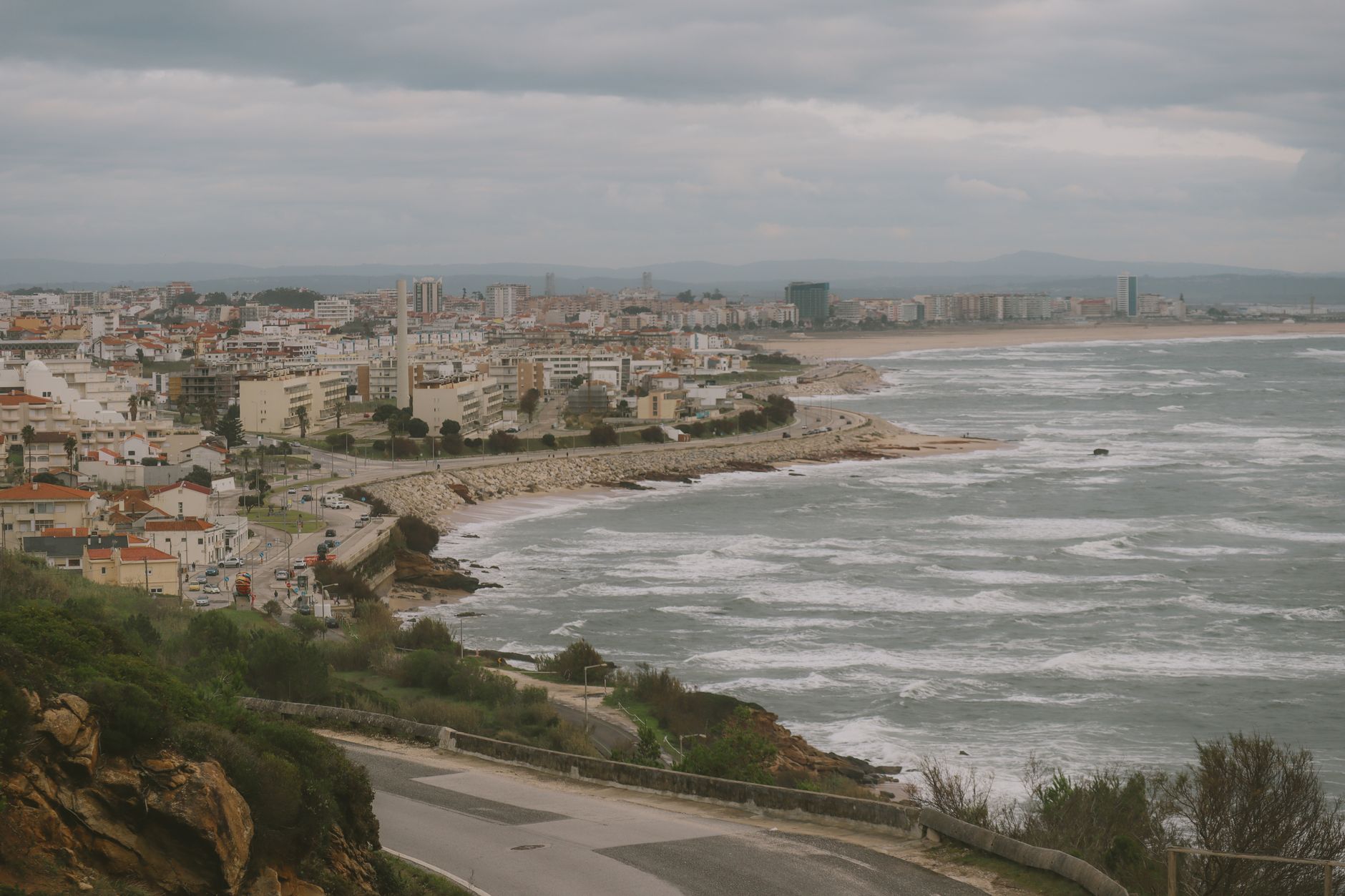
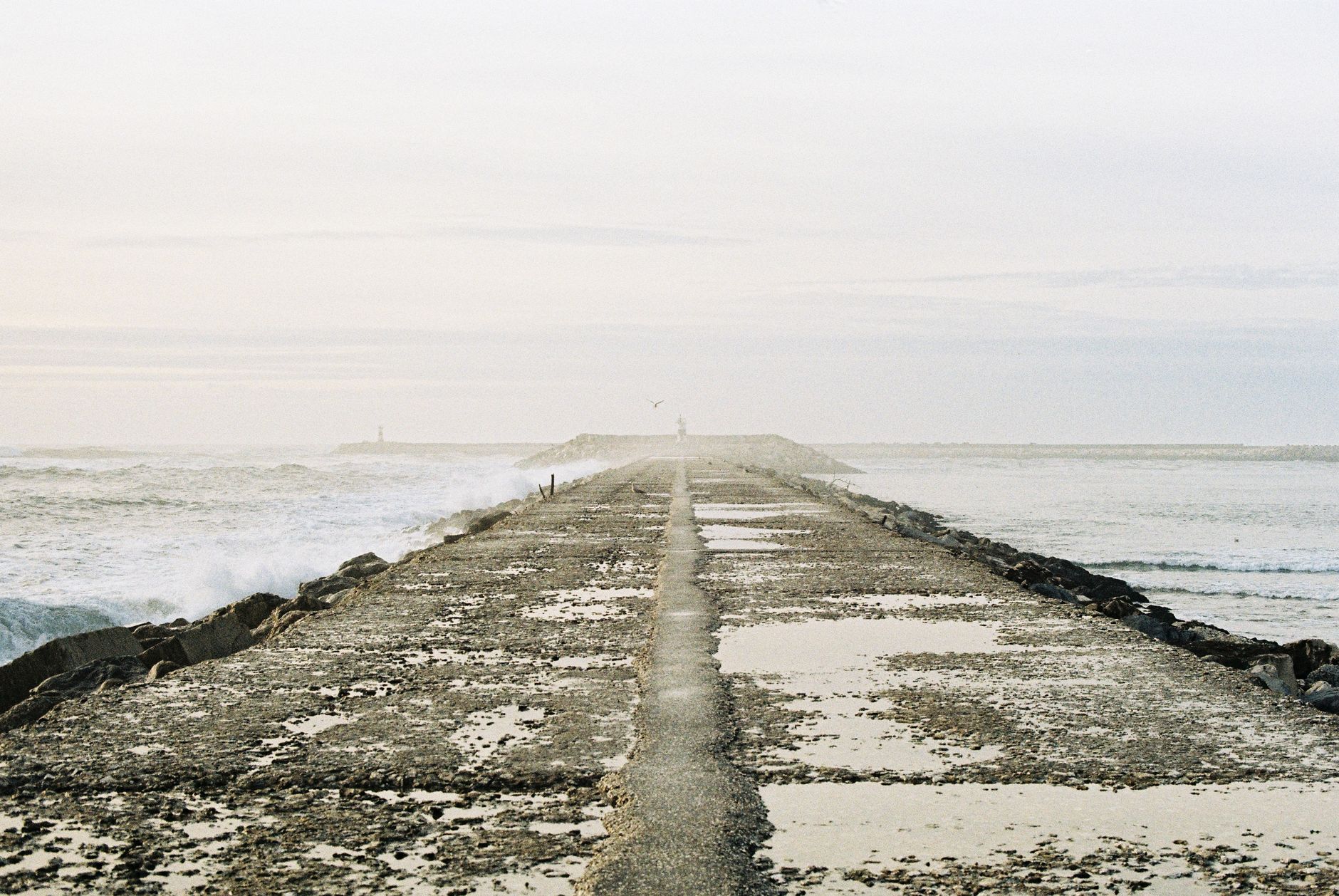
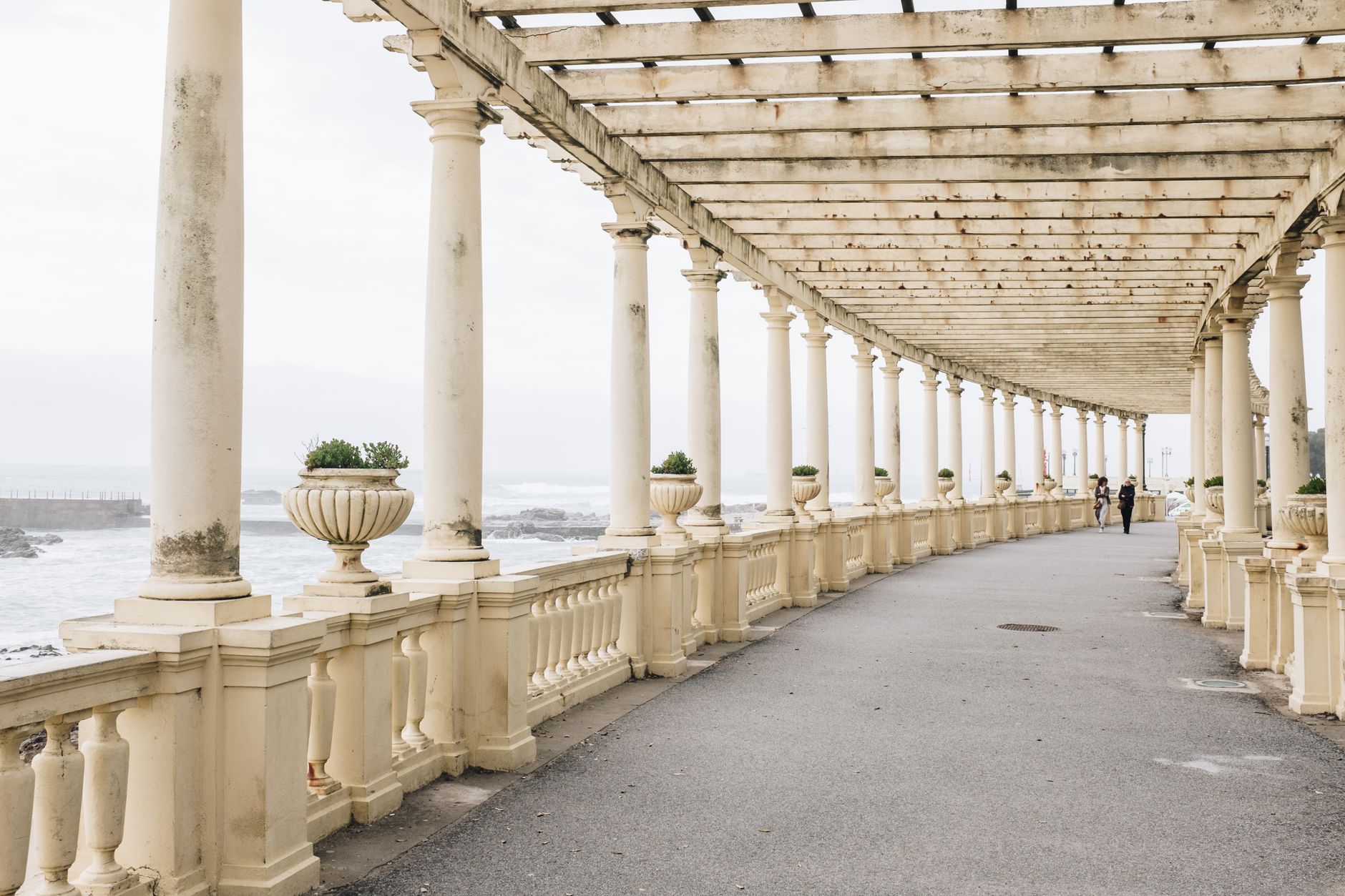
The Atlantic wind hits you first at the mouth of the Mondego, sweeping across Praia da Claridade, a beach so broad it takes a five-minute walk on wooden boardwalks just to reach the surf. Fishermen mend nylon nets along the stone walls in Buarcos, while nineteenth-century villas sit back from the promenade. It remains an unapologetic working port, deeply proud of its salt pans and extraordinarily serious about grilled fish.
Last updated 27 Aug 2026
Build a Figueira da Foz itinerary.
Choose up to 4 threads that pull you in. Your plan arrives organised around them.
The Bed
Where to stay in Figueira da Foz
Which part of town to book, and what each one costs you in walking, noise or quiet.
The Comparison
Figueira da Foz, or somewhere near it
The places you are realistically choosing between, and the honest case for each.
The Local Record
Where to read more about Figueira da Foz
The blogs, boards, guides and operators worth bookmarking.
What to do in Figueira da Foz Centro Portugal
Life here divides neatly between the broad sandbars of Praia da Claridade, the working docklands, and the old fishing lanes of Buarcos. You spend your morning picking through the stalls of Mercado Municipal, taking the long walk across the sand to the ocean, and settling into a paper-tablecloth marisqueira by one in the afternoon. It suits independent travellers who appreciate sea air, good rail links, and honest Atlantic cooking over polished luxury.
24 hours in Figueira da Foz Centro Portugal
Start with a strong espresso and a brisa do Mondego pastry on Praça 8 de Maio before walking the fish aisles of Mercado Municipal. Cross the river to Cabedelo for lunch, walk the promenade to Forte de Santa Catarina, and finish with whole grilled sea bass and cold Dão wine in Buarcos by eight in the evening. Everything in town is walkable within twenty minutes. Select 1 Day above to see it.
2 days in Figueira da Foz Centro Portugal
Head north into the pine forests of Serra da Boa Viagem for morning views from Miradouro da Bandeira, then descend to the limestone cliffs of Cabo Mondego. Spend the afternoon touring Palácio Sotto Mayor, followed by a dinner of razor clam rice at a seaside tasca where locals linger over carafes of green wine. Choose 2 Days to expand the plan.
3 days in Figueira da Foz Centro Portugal
Dedicate the morning to the southern riverbank, visiting the artisanal salt pans and Núcleo Museológico do Sal in Lavos. In the afternoon, take a 35-minute train ride up the Mondego valley to the university libraries and fado taverns of Coimbra, returning to the coast for an unhurried nightcap by the harbour.
Figueira da Foz Centro Portugal itineraries by interest
Local Seafood in Figueira da Foz Centro Portugal
Order robalo (sea bass) grilled over charcoal or arroz de marisco in Buarcos taverns, served simply with boiled potatoes and house white wine.
Surfing in Figueira da Foz Centro Portugal
Ride the famous right-hand point break at Cabedelo or the long peeling rollers wrapping around the limestone headland of Cabo Mondego.
Coastal Walks in Figueira da Foz Centro Portugal
Follow the wooden boardwalks across the vast sands of Praia da Claridade, continuing north past the sea walls toward the lighthouse.
Historic Mansions in Figueira da Foz Centro Portugal
Tour the French-inspired Palácio Sotto Mayor, built in 1900, with its ornate ceilings, period furnishings, and private garden estate.
Salt Traditions in Figueira da Foz Centro Portugal
Walk the Salgado de Lavos salt flats south of the river to see traditional hand-harvesting of flor de sal and visit the salt museum.
Local Markets in Figueira da Foz Centro Portugal
Browse Mercado Municipal Engenheiro Silva early in the morning for daily landings of sardines, crabs, local cheeses, and Beira greens.
Maritime Heritage in Figueira da Foz Centro Portugal
Explore the 16th-century fortress of Santa Catarina at the river mouth and discover centuries of cod fishing and shipbuilding history.
Pastry & Cafes in Figueira da Foz Centro Portugal
Pull up a chair for brisa do Mondego, a rich egg-and-almond sweet, paired with a short bica espresso at classic pastelarias along the avenue.
Coastal Geology in Figueira da Foz Centro Portugal
Examine Jurassic limestone cliffs, fossil beds, and old coal-mining relics along the rugged shoreline of the Cabo Mondego monument.
Hill Walks in Figueira da Foz Centro Portugal
Climb Serra da Boa Viagem along shady pine trails to the Miradouro da Bandeira for panoramic views over the Mondego estuary and Atlantic.
Riverfront Cycling in Figueira da Foz Centro Portugal
Rent a bicycle for the flat paths along the Mondego River estuary, passing old boatyards, bird sanctuaries, and tidal sandbars.
Seaside Forts in Figueira da Foz Centro Portugal
Inspect the weathered walls of Forte de Buarcos, built in the 15th century to defend local fishing fleets from Barbary pirates.