



Calca sits fifty kilometres northeast of Cusco, reached in seventy minutes by colectivo from Calle Puputi. At 2,926 metres, it is lower and milder than the capital, serving as a working market hub beneath Mount Pitusiray. It is known for its sprawling daily produce market, local thermal springs, and access to the Inca site of Huchuy Qosqo. Calca is worth visiting if you want an unhurried valley base for mountain walks and rustic mineral baths without the commercial crowds. Look elsewhere if you want lively nightlife, upscale boutique hotels, refined dining, or a direct train connection to Machu Picchu.
Last updated 11 Sept 2026
Build a Calca itinerary.
Choose up to 4 threads that pull you in. Your plan arrives organised around them.
The Bed
Where to stay in Calca
Which part of town to book, and what each one costs you in walking, noise or quiet.
The Comparison
Calca, or somewhere near it
The places you are realistically choosing between, and the honest case for each.
The Local Record
Where to read more about Calca
The blogs, boards, guides and operators worth bookmarking.
What to do in Calca Cusco Peru
The morning begins with the roar of motor-taxis and the scent of woodsmoke drifting from corner soup kettles. Calca is built around a wide colonial square and a vast municipal market, serving as the commercial spine for mountain farmers rather than a souvenir stop. Days follow agricultural rhythms: hiking the high ravines, visiting roadside chicherías, or soaking in thermal waters. It suits self-reliant travellers looking for Sacred Valley life without the tour buses.
24 hours in Calca Cusco Peru
Start early at Mercado Modelo over a hot bowl of caldo de gallina, then catch a five-minute taxi to Baños Termales Machacancha for a mineral soak. Walk back into town for crisp trout and choclo at an al fresco lunch counter on Avenida San Martín. Spend the late afternoon strolling the Plaza de Armas before a quiet dinner of roast pork. Select 1 Day above to see it.
2 days in Calca Cusco Peru
A second day demands the steep trek to Huchuy Qosqo, rising from the river floor along an ancient stone staircase. Pack plenty of water and a lunch of cheese and bread from the market. Descend by late afternoon into the hamlet of Lamay for a celebratory glass of strawberry-scented frutillada in a dusty courtyard before taking a combi home. Choose 2 Days to expand the plan.
3 days in Calca Cusco Peru
Use day three for a venture into the Lares Valley, riding the mountain road past herds of alpacas to remote hot springs, or hire a bicycle to ride the quiet dirt track through maize fields to the waterfall at Arin. Finish with an evening watching dusk settle over Mount Pitusiray from a shaded bench on the town square.
Calca Cusco Peru itineraries by interest
Local Markets in Calca Cusco Peru
Weave past wheelbarrows of giant Urubamba corn, rocoto peppers, and wheels of Andean cheese inside the noisy aisles of the central Mercado Modelo.
Thermal Baths in Calca Cusco Peru
Soak in the sulfurous, rust-tinted waters of Baños Termales Machacancha or the cold mineral springs at Minas Moqo, right on the town edge.
Archaeological Sites in Calca Cusco Peru
Hike the steep stone trail up to Huchuy Qosqo, an estate built by Emperor Viracocha overlooking the valley floor from high stone terraces.
Mountain Hiking in Calca Cusco Peru
Climb past glacial lakes toward the jagged peaks of Nevado Pitusiray and Sawasiray on high-altitude trails starting directly from the valley.
Traditional Fermentation in Calca Cusco Peru
Look for red plastic bags on doorways signalling fresh chicha de jora, or try pink frutillada spiced with wild strawberries in backstreet picanterías.
Regional Cooking in Calca Cusco Peru
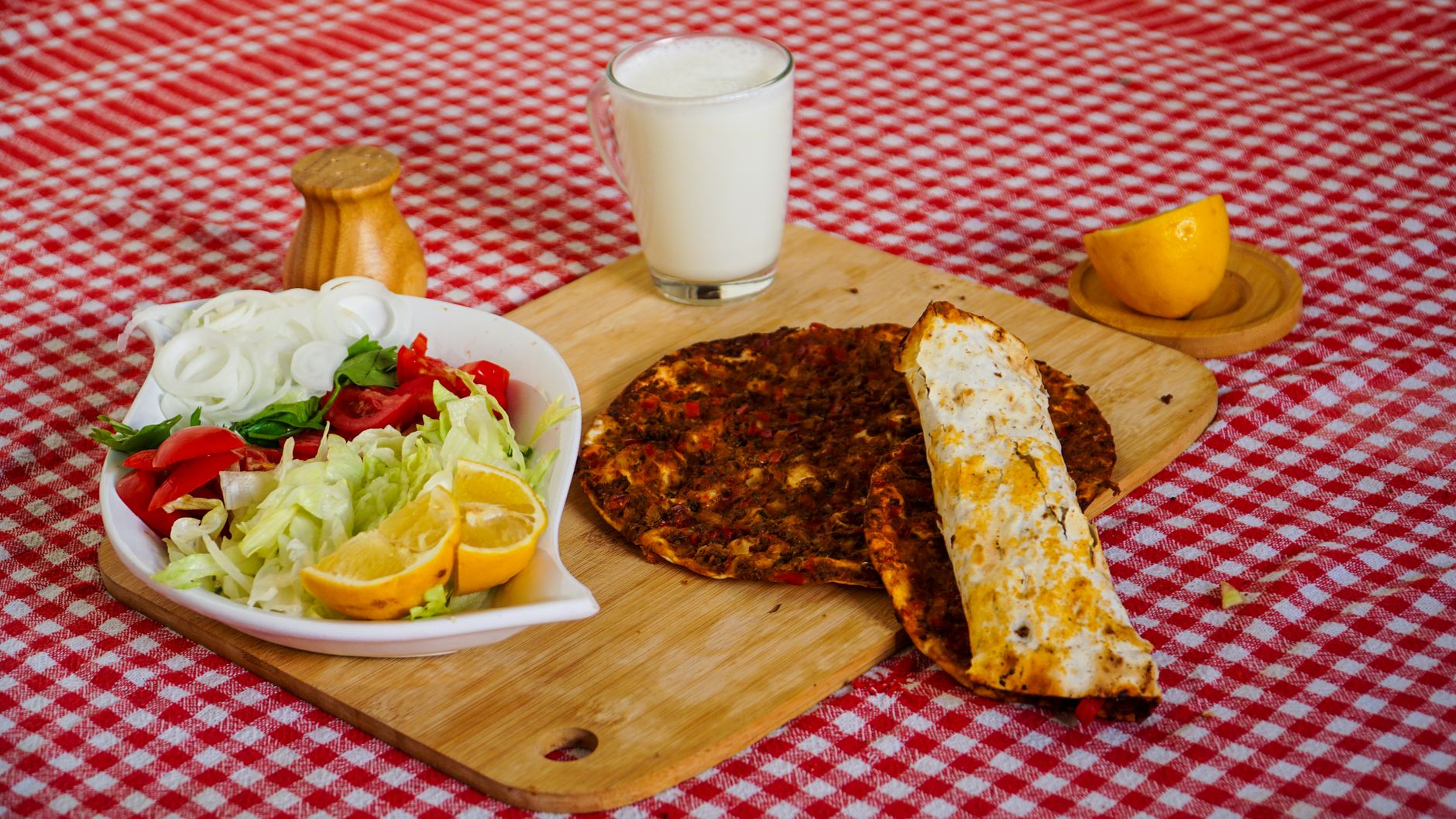
Order crisp trucha frita, wood-roasted lechón, and bowls of caldo de gallina served with boiled choclo and fiery uchucuta salsa at market stalls.
Village Walks in Calca Cusco Peru
Stroll the quiet grid around Plaza de Armas, past whitewashed adobe walls, blue-painted timber balconies, and shaded benches beneath jacaranda trees.
Day Trips in Calca Cusco Peru
Take a twenty-minute combi ride down the valley to Pisac for its citadel ruins, or head north over the high pass into the cloud forests of Lares.
Sacred Architecture in Calca Cusco Peru
Step into the seventeenth-century Templo San Pedro Apóstol on the main square to view colonial baroque woodwork and restored religious canvases.
Bicycle Touring in Calca Cusco Peru
Rent a mountain bike to pedal the unpaved backroads along the Vilcanota River, passing maize fields between Arin, Huaran, and Urquillos.
Artisan Weaving in Calca Cusco Peru
Visit nearby high-altitude hamlets like Accha Alta to watch weavers dye sheep and alpaca wool using cochineal, q'olle flowers, and native herbs.
Valley Ecology in Calca Cusco Peru
Explore fertile riverbanks planted with native capulí cherries, elderberries, and ancient stands of polylepis trees along the mountain ravines.