Fès.


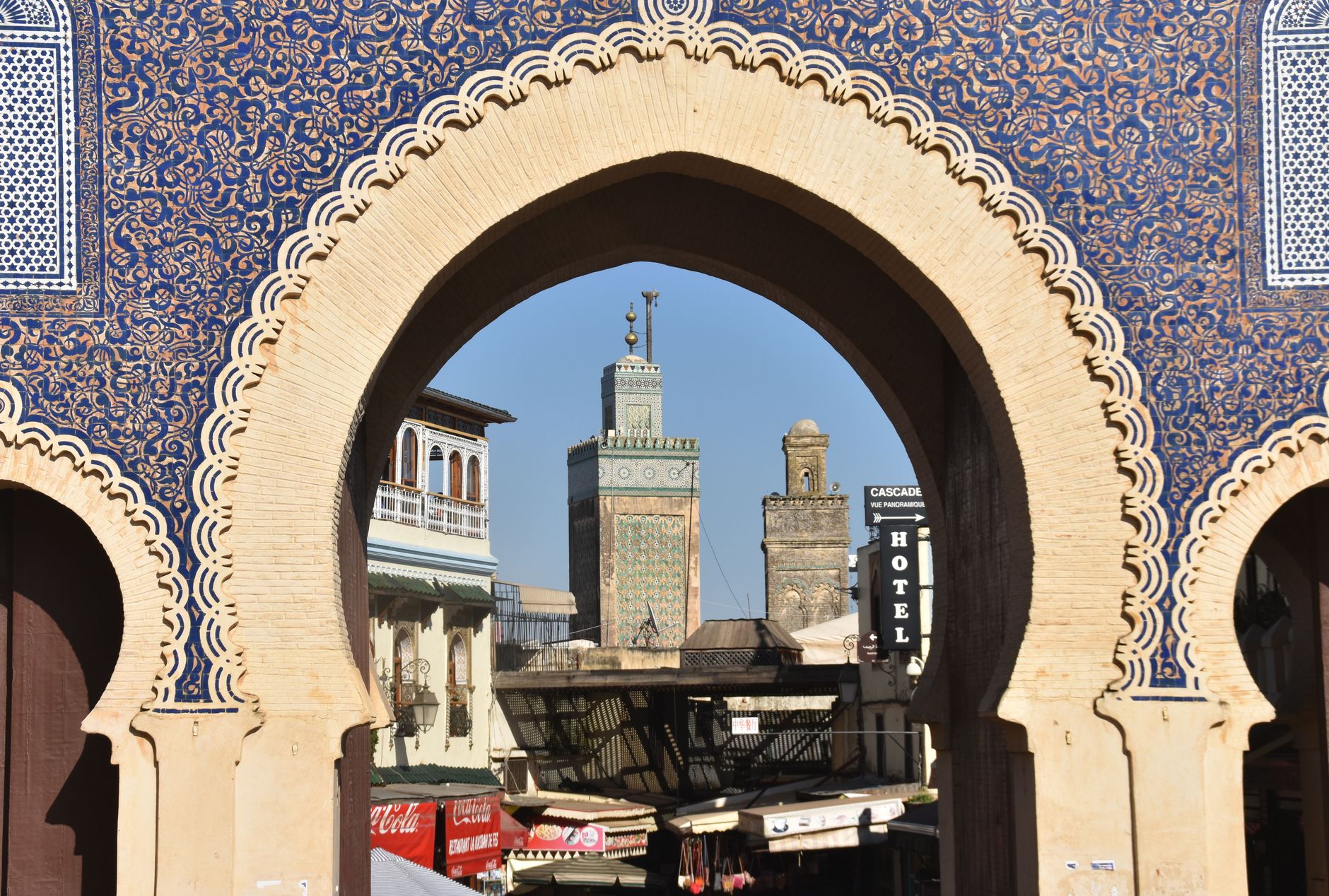
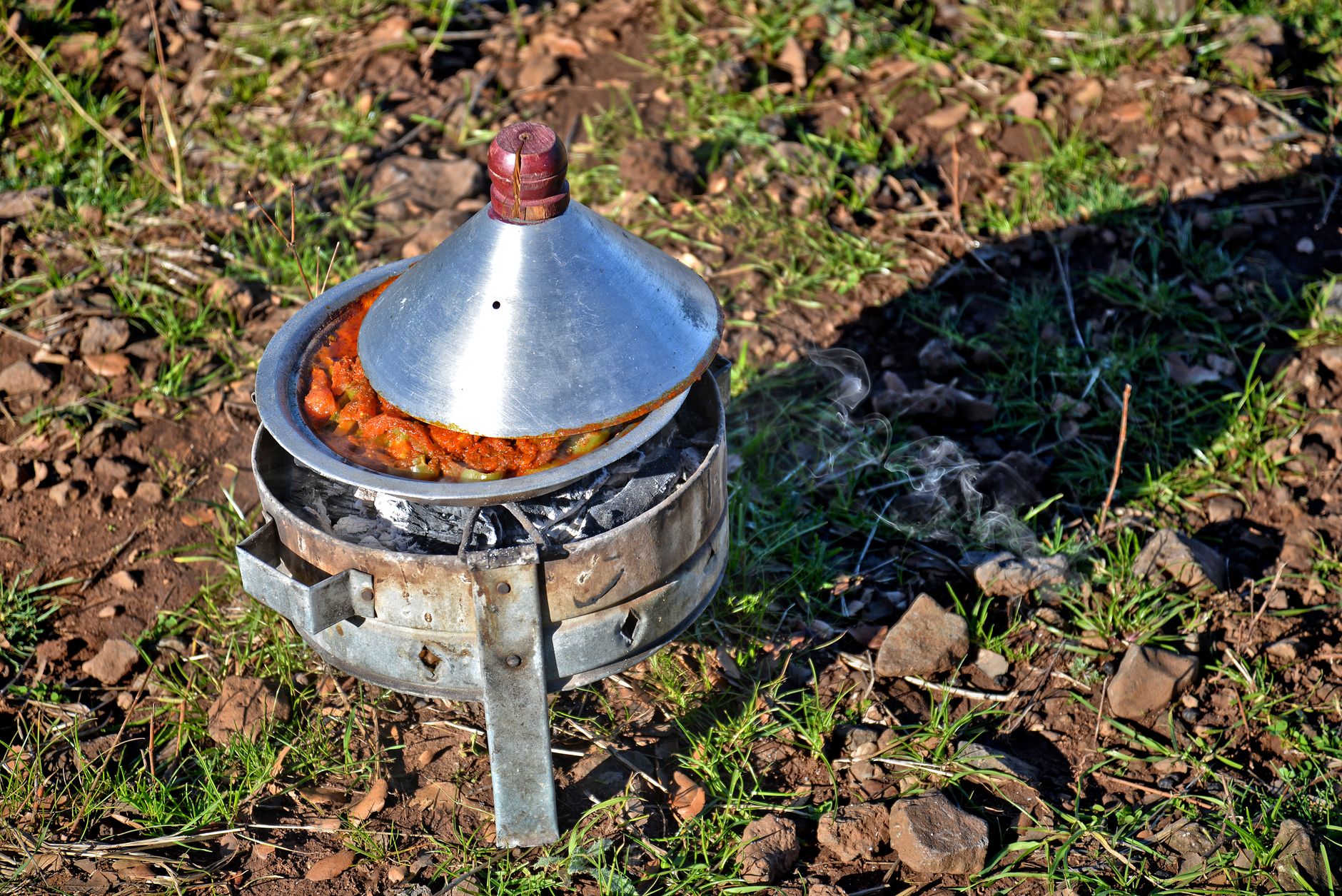
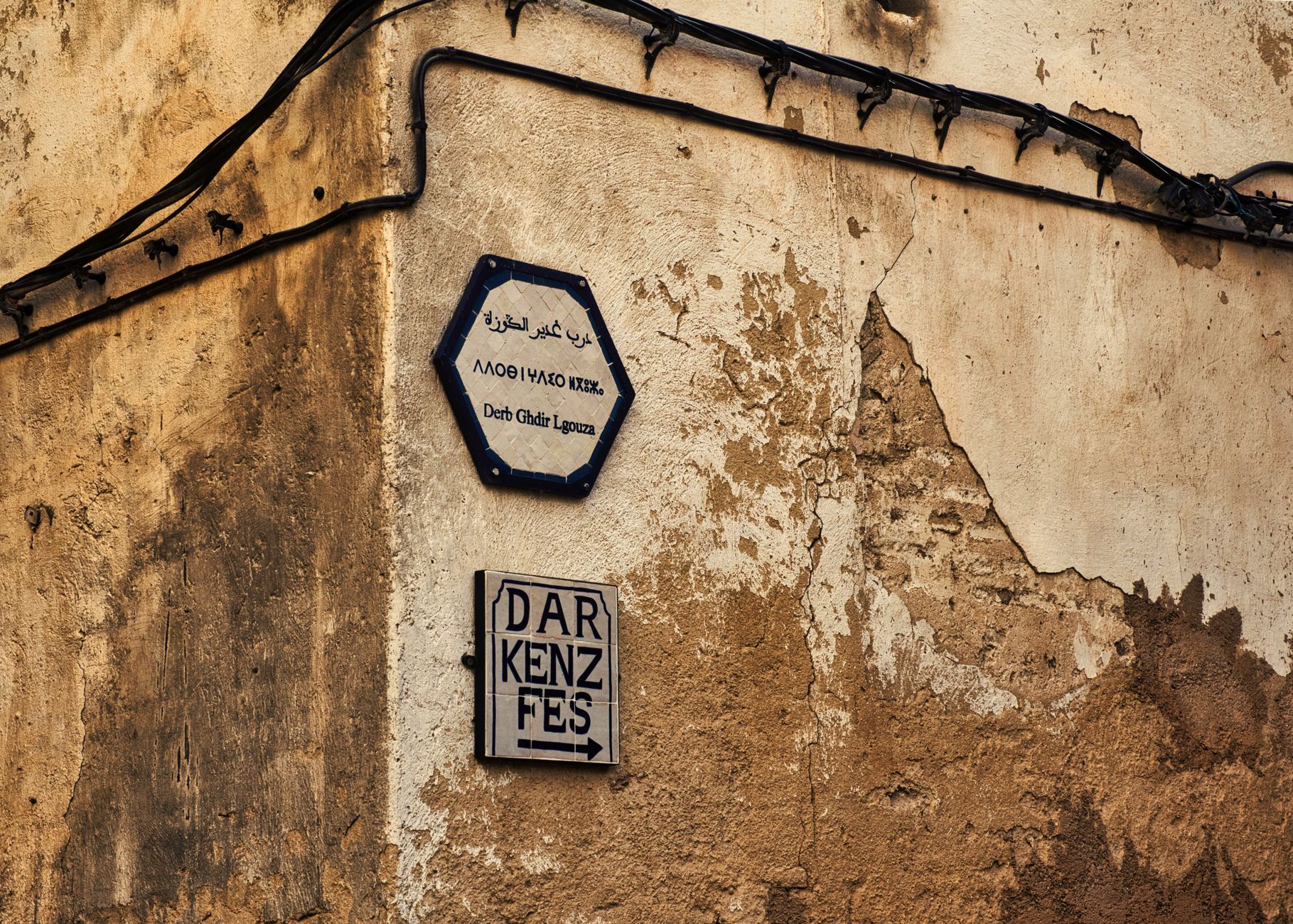
Sitting 3.5 hours east of Casablanca by regular rail, Fès is the cultural core of Morocco, known for the vast car-free medieval maze of Fès el-Bali and nine centuries of leatherwork. You navigate by landmark minarets and copper hammers. Fès is worth visiting if you want to navigate a living medieval walled city on foot and eat slow-cooked lamb tagines. Look elsewhere if you want late-night cocktail bars, easy beach lounging, or a predictable grid.
Last updated 4 Nov 2026
Build a Fès itinerary.
Choose up to 4 threads that pull you in. Your plan arrives organised around them.
The Bed
Where to stay in Fès
Which part of town to book, and what each one costs you in walking, noise or quiet.
The Comparison
Fès, or somewhere near it
The places you are realistically choosing between, and the honest case for each.
The Local Record
Where to read more about Fès
The blogs, boards, guides and operators worth bookmarking.
What to do in Fès Fès-Meknès Morocco
Life in Fès unfolds inside the nine thousand alleys of Fès el-Bali. The daily rhythm belongs to call to prayer, mule traffic, and working artisans. You spend your day walking ancient stone corridors, ducking into madrasas, and eating roadside pastries. It suits travellers who welcome getting turned around and value deep-rooted craft over polished resort convenience.
24 hours in Fès Fès-Meknès Morocco
Enter Bab Bou Jeloud early to explore Bou Inania Medersa before crowds peak. Walk Tala'a Kebira down to the copper smiths at Place Seffarine, pause for a bowl of fava bessara, and reach the Chouara Tannery by mid-afternoon. Finish with lamb tagine in a riad courtyard. Select 1 Day above to see it.
2 days in Fès Fès-Meknès Morocco
Head to the Jewish Mellah in Fès el-Jdid on your second morning for open balconies and the Ibn Danan Synagogue. Cross to the pottery co-ops at Ain Nokbi to see zellij tiles cut by hand, then take mint tea at sunset near the Marinid Tombs overlooking the valley. Choose 2 Days to expand the plan.
3 days in Fès Fès-Meknès Morocco
A third day allows a short drive west to the intact Roman mosaics of Volubilis and the hillside alleys of Moulay Idriss Zerhoun. Return by late afternoon for a hammam soak and an unhurried dinner of spiced pigeon pastilla inside the medina.
Fès Fès-Meknès Morocco itineraries by interest
Sacred Architecture in Fès Fès-Meknès Morocco
Visit Al-Qarawiyyin founded in 859, the carved cedar of Bou Inania Medersa, and the intricate fourteenth-century stuccowork of Al-Attarine.
Leather Traditions in Fès Fès-Meknès Morocco
Watch tanners work stone vats of pigeon dung and saffron at Chouara Tannery, operating since the eleventh century off Rue Chouara.
Street Food in Fès Fès-Meknès Morocco
Grab crisp bstilla dusted with cinnamon, spiced fava bean bessara soup at Bab Bou Jeloud, and hot msemen flatbreads off the griddle.
Craft Traditions in Fès Fès-Meknès Morocco
Inspect master potters glazing cobalt blue ceramics at Ain Nokbi and brass artisans hammering tea trays in Place Seffarine.
Markets & Produce in Fès Fès-Meknès Morocco
Browse the R'cif market stalls for cured olives, mountain mint, preserved lemons, dried figs, and fresh sheep's milk cheeses.
Historic Quarters in Fès Fès-Meknès Morocco
Wander the Mellah in Fès el-Jdid to see sixteenth-century wooden balconies, the Ibn Danan Synagogue, and the Grand Mosque.
Slow Food Dining in Fès Fès-Meknès Morocco
Eat pigeon pie, lamb tagine with prunes, and seven-vegetable couscous served in restored riad courtyards across the Medina.
Panoramic Views in Fès Fès-Meknès Morocco
Climb up to the fourteenth-century Marinid Tombs before dusk to look down across the dense minarets and rooftops of the old valley.
Day Trips in Fès Fès-Meknès Morocco
Drive an hour west to the Roman ruins of Volubilis, then visit the hilltop shrines and olive presses of Moulay Idriss Zerhoun.
Gardens & Courtyards in Fès Fès-Meknès Morocco
Rest in the shaded alleys of Jnan Sbil gardens, planted with nineteenth-century palms, water basins, and citrus trees near Bab Riafa.
Coffee & Tea in Fès Fès-Meknès Morocco
Sip gunpowder green tea with spearmint or spiced noir espresso at low tables along Tala'a Kebira while porters and donkeys pass.
Weaving & Textiles in Fès Fès-Meknès Morocco
Search out cedar-frame looms weaving spun agave silk into sabra scarves in the covered workshops near the Nejjarine caravanserai.