Ha Giang.


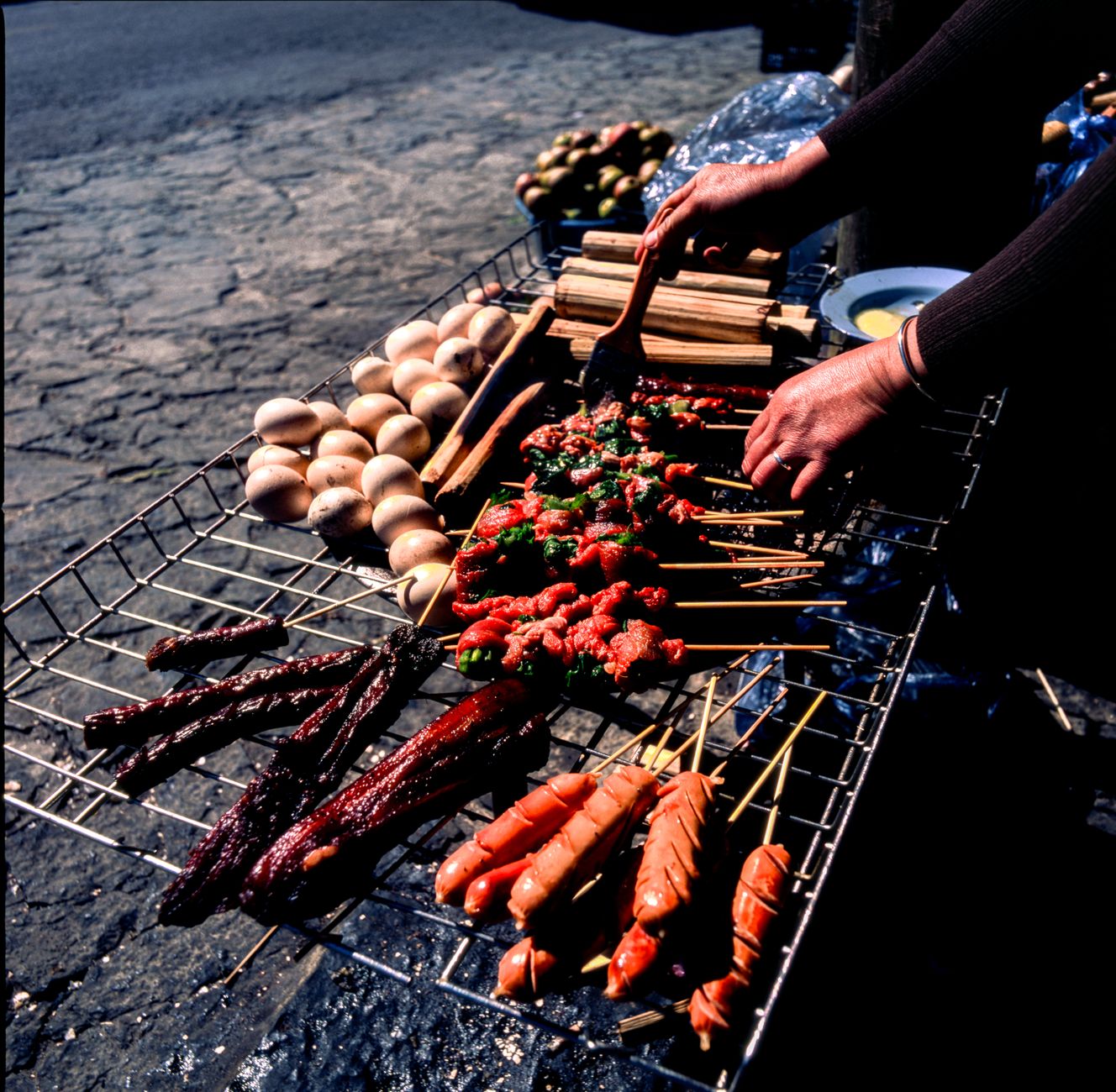
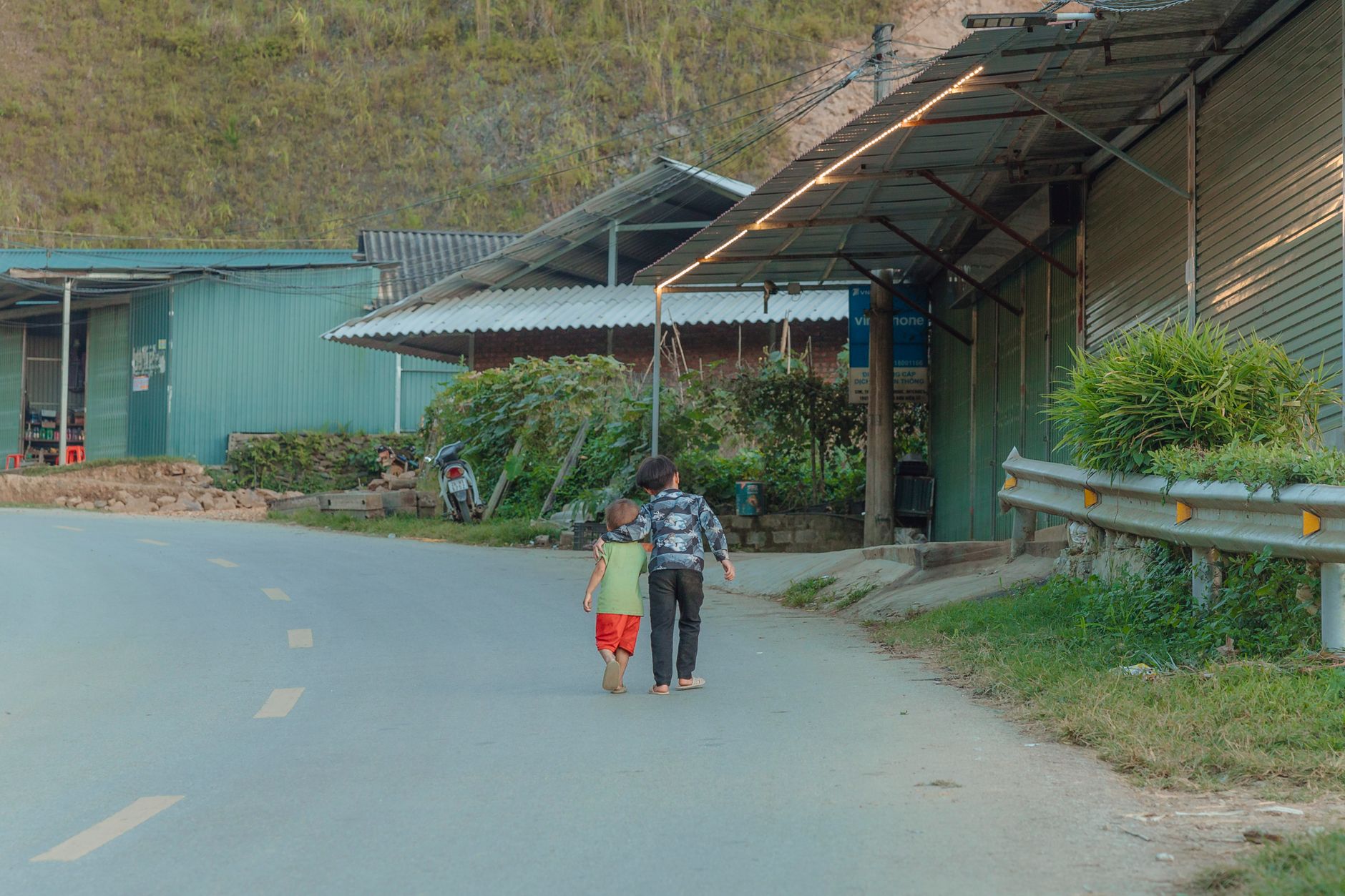
You arrive stiff from the overnight bus into a town split by the slate-green Song Lo river. The air smells of damp limestone, burning charcoal, and strong mountain tea. Ha Giang itself is a functional frontier base where riders check tyre treads before climbing north into the Dong Van karst plateau. It is honest, unvarnished territory, defined by sheer grey peaks, winding tarmac, and small roadside soup stalls that open before dawn.
Last updated 22 Aug 2026
Build a Ha Giang itinerary.
Choose up to 4 threads that pull you in. Your plan arrives organised around them.
We'll craft a 3-lens plan for Ha Giang, one collapsible strand per lens.
Ancient Forests
Wander the misty high slopes of Tay Con Linh, where century-old Shan Tuyet tea trees grow wild in mossy soil and local families harvest ancient leaves by hand.
Ancient Forests
Wander the misty high slopes of Tay Con Linh, where century-old Shan Tuyet tea trees grow wild in mossy soil and local families harvest ancient leaves by hand.
Black Chicken Hotpot Feast
Quan Com Dan Toc
Order the Hmong black chicken hotpot simmered with cardamom and wild forest herbs. Arrive before seven for a floor table; no reservations accepted.
Editor TipMountain communities rely on bitter forest greens, local ginger, and indigenous black-bone poultry to counter the cold mist of northern limestone valleys. Let the broth simmer ten minutes before dunking the wild mustard greens so the forest herbs fully flavour the soup.
Dao Hearthside Stilt Dinner
Nam Dam Cultural Village
Settle into a rammed-earth stilt house for family-style smoked pork, river ferns, and bitter tea. Dinner costs around 150,000 VND per person.
Editor TipThe Red Dao community cures meats over woodsmoke and gathers medicinal herbs from the surrounding high-altitude pine forests. Accept the initial shot of corn wine with both hands; after that, a polite hand over your cup releases you from drinking.
River Valleys
Board a narrow motorboat down in the Tu San Canyon to cruise between sheer karst walls along the jade-green waters of the Nho Que River below Pa Vi.
River Valleys
Board a narrow motorboat down in the Tu San Canyon to cruise between sheer karst walls along the jade-green waters of the Nho Que River below Pa Vi.
Navigating Tu San Canyon
Bến Thuyền Sông Nho Quế
Buy a 120,000 VND boat ticket at the riverside kiosk. The narrow motorized skiffs depart every twenty minutes for a brisk forty-five-minute run along the water.
Editor TipCarved across millennia by the Nho Que River, the Tu San gorge plunges nearly eight hundred meters through jagged limestone, creating Southeast Asia's deepest tectonic canyon. Pay a local motorbike shuttle for the steep descent to the pier rather than punishing your knees on the trail.
Traditional Villages
Walk the rammed-earth lanes of Lo Lo Chai beneath the Lung Cu Flag Tower, where houses have stone walls, tiled roofs, and wood smoke drifting past wooden looms.
Traditional Villages
Walk the rammed-earth lanes of Lo Lo Chai beneath the Lung Cu Flag Tower, where houses have stone walls, tiled roofs, and wood smoke drifting past wooden looms.
Karst Pass Panorama
Quan Ba Heaven Gate
Park at the information lodge and climb the stone stairs for twenty minutes. Entry is free; allow forty minutes to take in the sprawling valley floor below.
Editor TipSitting at 1,500 metres altitude, this mountain gap marks the dramatic threshold into the Dong Van Karst Plateau, where Hmong communities have farmed terraced pockets for centuries. Skip the crowded café balcony; walk fifty paces past the pavilion for an unobstructed view of the twin hills.
Tay Stilt House Walk
Thon Tha Village
Walk the paths between thatched Tay stilt houses five kilometres outside town. Pay a small community fund fee at the entrance; allow two relaxed hours.
Editor TipThe Tay people construct elevated timber homes beneath palm canopies, preserving centuries of communal life and canal-fed rice terrace farming. Slip off your shoes before stepping onto the carved entrance ladder; hosts will offer indoor slippers immediately.
Exploring Rammed-Earth Courtyards
Làng Văn Hóa Lũng Cẩm
Pay the 10,000 VND entry at the wooden gate and walk the dirt lanes on foot. Give yourself an hour to inspect the timber framing and heavy roof tiles.
Editor TipHmong families in Sung La construct these thick earthen walls to fend off bitter highland winters, encircling each homestead with dry-stacked limestone barriers assembled without mortar. Bear left past the central courtyard house to watch the hemp weavers work their foot looms in peace.
Wildcards
Worth your time whatever brought you here.
Wildcards
Worth your time whatever brought you here.
Egg Rice Roll Breakfast
Banh Cuon Ba Ha
Order the banh cuon trung with rich bone broth for 40,000 VND. Grab a plastic stool near the steaming cloth drums; allow twenty minutes before your ride.
Editor TipHa Giang locals dip their delicate steamed rice rolls into savoury pork bone broth infused with fresh cilantro and mountain herbs, rather than the sweetened fish sauce of Hanoi. Add a spoonful of the house pickled bamboo shoots for acidity, but respect the bird's eye chilies.
Simmered Aconite Porridge
Quan Chao Au Tau Huong
Order a bowl of chao au tau with minced pork and an egg for 40,000 VND. Find a plastic stool by the simmering vat; service takes under five minutes.
Editor TipMade from toxic aconite root cured for twelve hours to draw out medicinal oils, this hearty mountain porridge is eaten strictly after dark to soothe tired limbs and joint ache. Stir the raw egg into the steaming broth immediately so it poaches properly against the rich, herbal bitterness.
Note from the Editor
“Clear the city limits before nine to beat the convoy of rental scooters. The morning fog burns off the valley floor by ten, giving you clean tarmac and empty roadside tea stalls.”
The Bed
Where to stay in Ha Giang
Which part of town to book, and what each one costs you in walking, noise or quiet.
The Comparison
Ha Giang, or somewhere near it
The places you are realistically choosing between, and the honest case for each.
The Local Record
Where to read more about Ha Giang
The blogs, boards, guides and operators worth bookmarking.
What to do in Ha Giang Northern Vietnam Vietnam
The town of Ha Giang sits at the base of the mountains, acting as the supply hub and staging post for the frontier circuit to the north. Life runs along Nguyen Trai street and the riverbanks, where gear shops, noodle stalls, and motorbike mechanics open early. It suits independent travellers and curious riders looking for rugged geography, quiet hill-tribe settlements, and roads that reward steady patience rather than speed.
24 hours in Ha Giang Northern Vietnam Vietnam
Start with a bowl of banh cuon on Ly Tu Trong street before collecting your motorbike permit. Spend the morning riding forty kilometres north along Highway 4C through the Quan Ba Pass to see the Twin Mountains. Eat grilled pork and rice in Tam Son, then return to Ha Giang town by dusk for hotpot and cold beer near the river. Select 1 Day above to see it.
2 days in Ha Giang Northern Vietnam Vietnam
A second day carries you deeper into the high karst country toward Yen Minh and the pine forests of Sa Phin. Tour the wood-panelled Vuong Palace, then push on to Dong Van town. Spend the evening in the old quarter eating steaming bowls of chao au tau and thit gac bep around a low charcoal brazier. Choose 2 Days to expand the plan.
3 days in Ha Giang Northern Vietnam Vietnam
Three days lets you ride the dramatic cliff road of Ma Pi Leng down to the Nho Que River without watching the clock. Continue south toward Du Gia village for an afternoon swim beneath the waterfall, sleeping at a Tay family stilt house with home-cooked duck and corn wine.
Ha Giang Northern Vietnam Vietnam itineraries by interest
Mountain Passes in Ha Giang Northern Vietnam Vietnam
Ride the switchbacks of the Ma Pi Leng Pass above the emerald Nho Que River, stopping at cliffside lookouts where limestone walls drop sheer into the gorge.
Morning Markets in Ha Giang Northern Vietnam Vietnam
Browse the Sunday gathering at Meo Vac or Dong Van for smoked buffalo meat, fresh blocks of tofu, fermented corn wine, and woven hemp jackets sold by Hmong traders.
Street Food in Ha Giang Northern Vietnam Vietnam
Pull up a low plastic stool for banh cuon dipped in hot bone broth with pork patties, or bowls of steaming chao au tau brewed with medicinal root and minced pork.
Historic Architecture in Ha Giang Northern Vietnam Vietnam
Climb the stairs of the 19th-century Vuong Family Palace in Sa Phin, built with French and Chinese pine-and-poppy carvings for the hereditary Hmong king.
Traditional Villages in Ha Giang Northern Vietnam Vietnam
Walk the rammed-earth lanes of Lo Lo Chai beneath the Lung Cu Flag Tower, where houses have stone walls, tiled roofs, and wood smoke drifting past wooden looms.
River Valleys in Ha Giang Northern Vietnam Vietnam
Board a narrow motorboat down in the Tu San Canyon to cruise between sheer karst walls along the jade-green waters of the Nho Que River below Pa Vi.
Highland Agriculture in Ha Giang Northern Vietnam Vietnam
Watch how farmers coax maize and buckwheat directly from jagged rock pockets on the Dong Van karst plateau, harvesting by hand across steep terraced slopes.
Craft Traditions in Ha Giang Northern Vietnam Vietnam
Visit Lung Tam village to see White Hmong women harvest, boil, roll, and indigo-dye natural hemp fabric on heavy foot-treadle stone logs and wooden looms.
Hiking in Ha Giang Northern Vietnam Vietnam
Trek the ridge trails between Du Gia and Mau Due, winding through bamboo groves, tea plantations, and remote Tay stilt villages perched over tiered streams.
Scenic Lookouts in Ha Giang Northern Vietnam Vietnam
Ascend the stone steps of the Lung Cu Flag Tower on Dragon Mountain to look north across the low border hills directly into Yunnan Province.
Regional Spirits in Ha Giang Northern Vietnam Vietnam
Sample cups of home-distilled men la corn wine brewed with wild forest yeast, poured generously alongside roasted walnuts and grilled pork at highland family tables.
Ancient Forests in Ha Giang Northern Vietnam Vietnam
Wander the misty high slopes of Tay Con Linh, where century-old Shan Tuyet tea trees grow wild in mossy soil and local families harvest ancient leaves by hand.