Huế.

_-_Ch%E1%BB%A3_%C4%90%C3%B4ng_Ba_Hu%E1%BA%BF_(July_2024)_-_img_02.jpg)

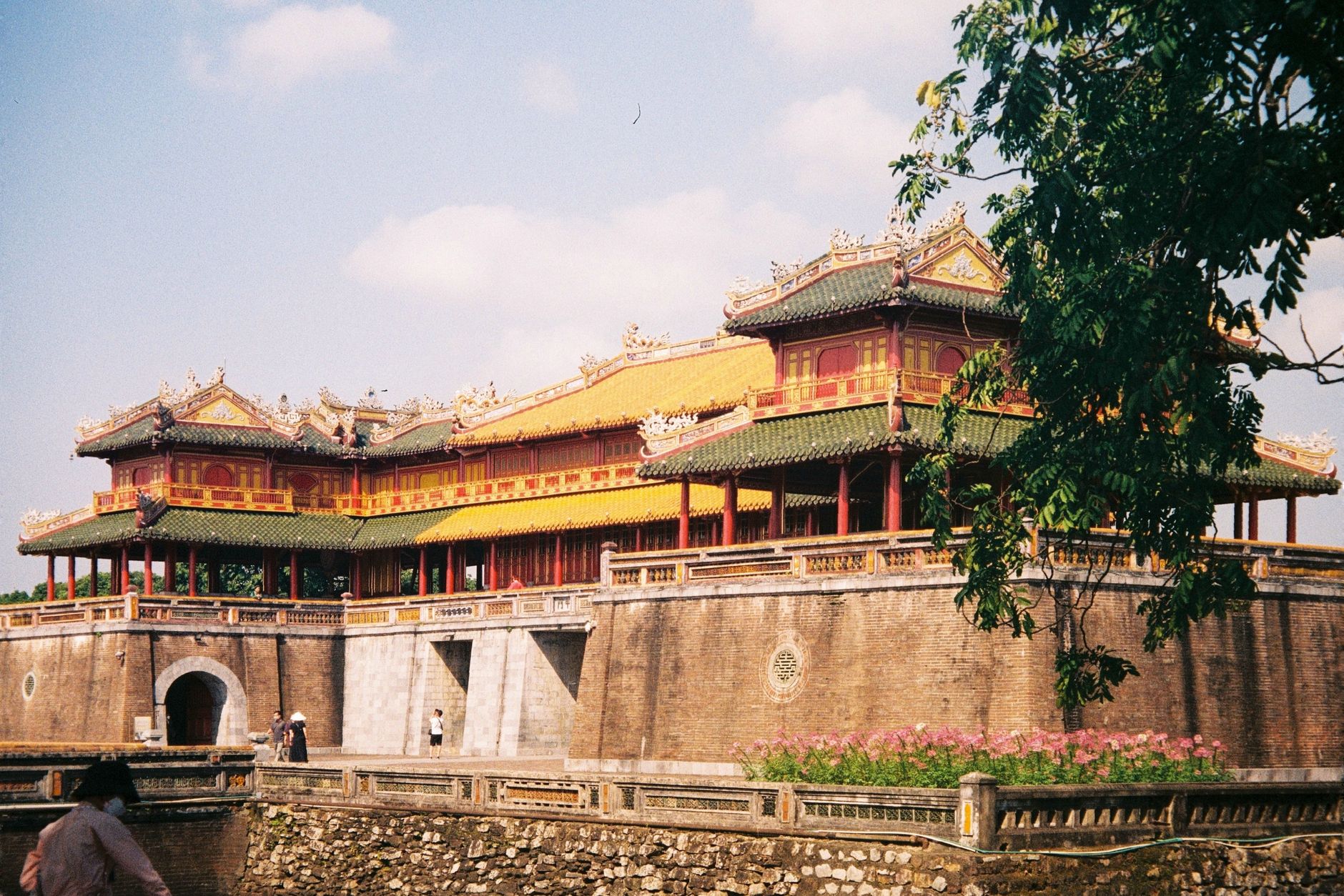


Sitting two and a half hours north of Da Nang by train across the Hai Van Pass, Huế is Vietnam's nineteenth-century imperial capital, defined by Nguyen dynasty citadels and a spicy, lemongrass-heavy culinary tradition. The Perfume River cuts the city in two, dividing the walled citadel from the southern French quarter. Huế is worth visiting if you want to study imperial architecture and eat intensely seasoned regional noodle dishes. Look elsewhere if you want sandy beach resorts or late-night clubbing.
Last updated 24 Sept 2026
Build a Huế itinerary.
Choose up to 4 threads that pull you in. Your plan arrives organised around them.
The Bed
Where to stay in Huế
Which part of town to book, and what each one costs you in walking, noise or quiet.
The Comparison
Huế, or somewhere near it
The places you are realistically choosing between, and the honest case for each.
The Local Record
Where to read more about Huế
The blogs, boards, guides and operators worth bookmarking.
What to do in Huế Central Vietnam Vietnam
Huế moves at an unhurried, riverine pace. Mornings belong to the sprawling 1804 Citadel before the stone courtyards heat up, while afternoons drift toward riverside garden houses and royal mausoleums south of town. The evening ritual centers on small, specialized eateries serving steamed rice cakes and robust beef noodle soups. It suits independent travellers who value deep architectural history, regional cooking techniques, and quiet exploration.
24 hours in Huế Central Vietnam Vietnam
Start at 07:30 inside the Imperial City to beat the tour groups, crossing the Ngo Mon Gate. Grab a bowl of bun bo Hue on Bach Dang Street for lunch, then take a short taxi ride to the forested tomb of Tu Duc. Finish with steamed banh beo and cold local Huda beer along Chi Lang. Select 1 Day above to see it.
2 days in Huế Central Vietnam Vietnam
A second day lets you rent a bicycle and ride through the quiet garden district of Kim Long toward Thien Mu Pagoda. Head south to the elaborate mosaic facade of Khai Dinh Tomb, then cross the river for dinner at Dong Ba Market, where women fry fresh banh khoai over charcoal braziers. Choose 2 Days to expand the plan.
3 days in Huế Central Vietnam Vietnam
With three days, venture east to Tam Giang Lagoon for brackish clams and stilt-house vistas, or take a morning bike ride out to the 1776 tiled-roof bridge at Thanh Toan. You will have time for a slow vegetarian meal cooked by Buddhist nuns at a suburban pagoda without checking your watch.
Huế Central Vietnam Vietnam itineraries by interest
Imperial Architecture in Huế Central Vietnam Vietnam
Explore the 1804 walled Citadel, the Forbidden Purple City, and the Ngo Mon Gate, reflecting nineteenth-century Nguyen dynasty power.
Royal Tombs in Huế Central Vietnam Vietnam
Visit the forest-set mausoleum of Tu Duc and the steep, mosaic-encrusted concrete monument of Khai Dinh along the Perfume River.
Street Food in Huế Central Vietnam Vietnam
Pull up a plastic stool for banh beo steamed in ceramic dishes, crispy banh khoai pancakes, and tapioca-wrapped banh bot loc.
Regional Noodles in Huế Central Vietnam Vietnam
Slurp bun bo Hue, the city's signature soup loaded with thick rice noodles, simmered beef shank, lemongrass broth, and shrimp paste.
Sacred Architecture in Huế Central Vietnam Vietnam
Climb the octagonal seven-storey tower at Thien Mu Pagoda, founded in 1601 on the northern bank of the Perfume River.
Markets & Produce in Huế Central Vietnam Vietnam
Navigate the packed aisles of Dong Ba Market for fermented shrimp paste, conical non la hats, dried lotus seeds, and fresh herbs.
Vegetarian Traditions in Huế Central Vietnam Vietnam
Dine on Buddhist mock-meat dishes and tofu specialties developed to serve imperial court fasts at local pagodas and quiet eateries.
River Journeys in Huế Central Vietnam Vietnam
Charter a wooden dragon boat along the Perfume River to reach outlying tombs and suburban garden houses before the midday heat.
Craft Traditions in Huế Central Vietnam Vietnam
Watch artisans dip bamboo sticks in vibrant powder in Thuy Xuan incense village and paint traditional paper flowers in Thanh Tien.
Historic Quarters in Huế Central Vietnam Vietnam
Walk the shaded French colonial avenues of Le Loi Street and the quiet residential lanes of Kim Long lined with historic garden estates.
Cycling & Countryside in Huế Central Vietnam Vietnam
Pedal past rice paddies to the tile-roofed Thanh Toan bridge, built in 1776, stopping for fresh sugarcane juice from village stalls.
Coastal Lagoons in Huế Central Vietnam Vietnam
Head east to Tam Giang Lagoon at dusk to watch fishermen work stilt-houses and harvest fresh brackish-water clams and crabs.