Nha Trang.


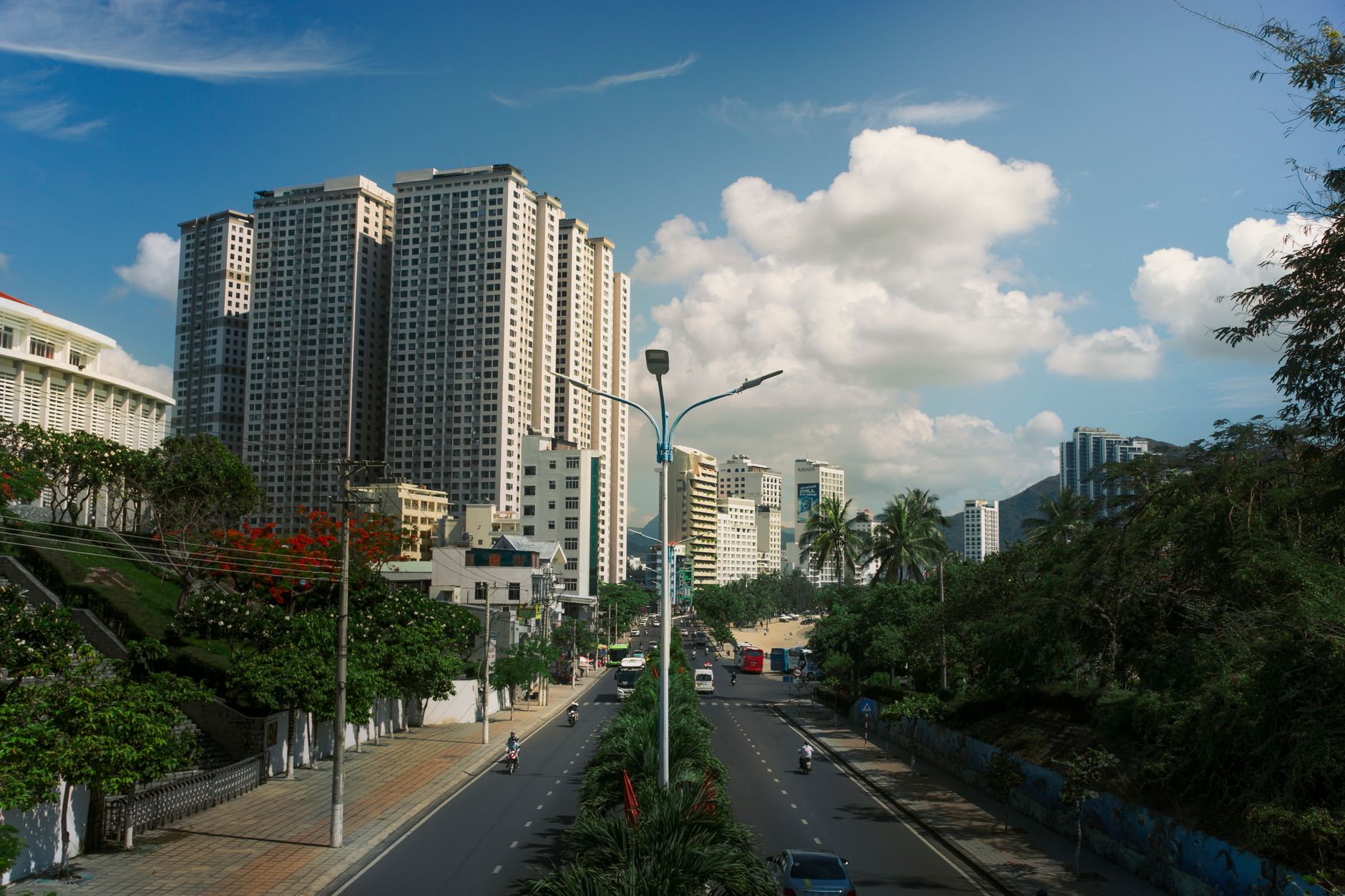
Nha Trang sits on the south-central coast, a forty-five-minute shuttle ride north from Cam Ranh International Airport or an eight-hour coastal train run from Ho Chi Minh City. The city is defined by a six-kilometre sweep of public beach, eighth-century Cham riverfront towers, and a ferocious local appetite for morning fish noodles and wood-fired shellfish. Nha Trang is worth visiting if you want direct access to fresh marine cooking, active offshore reefs, and early morning beach culture without leaving the city grid. Look elsewhere if you want a preserved historic old town, secluded low-rise beach quiet, or a waterfront buffered from multi-lane traffic and high-rise hotel development.
Last updated 8 Sept 2026
Build a Nha Trang itinerary.
Choose up to 4 threads that pull you in. Your plan arrives organised around them.
The Bed
Where to stay in Nha Trang
Which part of town to book, and what each one costs you in walking, noise or quiet.
The Comparison
Nha Trang, or somewhere near it
The places you are realistically choosing between, and the honest case for each.
The Local Record
Where to read more about Nha Trang
The blogs, boards, guides and operators worth bookmarking.
What to do in Nha Trang Central Vietnam Vietnam
Nha Trang unfolds between granite headlands and a wide bay, organized neatly along the Tran Phu shoreline. Life here moves around early morning sea swims, bustling market alleys behind Cho Dam, and evening sidewalk feasts. It suits independent travellers who enjoy straightforward maritime food, walkable central neighbourhoods, and having real working city infrastructure directly behind their beach towel.
24 hours in Nha Trang Central Vietnam Vietnam
Start early with a bowl of bun cha ca on Bach Dang, then beat the midday sun at the Po Nagar Cham Towers. Walk the shady coastal promenade in late afternoon before crossing the Cai River bridge for dinner, where you can point out live clams and sea snails cooked over coals on Thap Ba Road. Select 1 Day above to see it.
2 days in Nha Trang Central Vietnam Vietnam
Head south on morning two to the colonial-era Oceanographic Institute at Cau Da, followed by a lunch of savoury quail-egg banh can near Cho Xom Moi. Spend the afternoon soaking in the mineral baths at I-Resort, returning to town for fresh bia hoi and grilled pork rolls on Nguyen Thi Minh Khai. Choose 2 Days to expand the plan.
3 days in Nha Trang Central Vietnam Vietnam
On day three, rent a scooter or hire a driver for the forty-kilometre ride north past the Hon Khoi salt fields to Doc Let. It is a peaceful stretch of white sand where local fishing families pull in nets and steam sweet blue crabs directly on the tide line while you sit under wooden thatched awnings.
Nha Trang Central Vietnam Vietnam itineraries by interest
Local Seafood in Nha Trang Central Vietnam Vietnam
Dip sweet mantis shrimp and charcoal-grilled squid into green chilli salt along Thap Ba Road, where plastic tables fill right after dusk.
Street Food in Nha Trang Central Vietnam Vietnam
Order bun ca sua with jellyfish and steamed mackerel patties at stall counters along Bach Dang, finished with lime and raw shredded herbs.
Sacred Architecture in Nha Trang Central Vietnam Vietnam
Walk the terraced brick sanctuaries of the eighth-century Po Nagar Cham Towers, perched above the mouth of the Cai River.
Coastal Walks in Nha Trang Central Vietnam Vietnam
Stroll the wide paved promenade along Tran Phu before dawn, when hundreds of locals gather for open-water swims and morning calisthenics.
Markets & Produce in Nha Trang Central Vietnam Vietnam
Browse the narrow aisles of Cho Xom Moi for dried squid, green peppercorns, and freshly made banh can crisped in miniature terracotta pans.
Day Trips in Nha Trang Central Vietnam Vietnam
Ride north along the quiet coastline to Doc Let Beach, where shallow salt flats meet pale sand and shaded family-run seafood shacks.
Maritime History in Nha Trang Central Vietnam Vietnam
Visit the Institute of Oceanography in Cau Da, housed in 1920s French colonial laboratories filled with preserved marine specimens.
Island Excursions in Nha Trang Central Vietnam Vietnam
Catch wooden passenger ferries from Cau Da port out to Hon Mun and Hon Tam for shallow coral gardens and quiet rocky bays.
Thermal Springs in Nha Trang Central Vietnam Vietnam
Soak in mineral-rich mud vats at Thap Ba or I-Resort, set into forested granite hills twenty minutes north of the centre.
Temple Culture in Nha Trang Central Vietnam Vietnam
Climb the 152 stone steps past Long Son Pagoda to reach the fourteen-metre white Buddha statue overlooking the city rooftops.
Local Breakfasts in Nha Trang Central Vietnam Vietnam
Pull up a low stool for banh mi cham on Le Thanh Ton, dipping hot baguettes into bowls of rich egg butter, pate, and fried sausage.
Craft Traditions in Nha Trang Central Vietnam Vietnam
Observe hand-stitched silk embroidery techniques and large-scale textile artworks inside the open courtyards of XQ Historical Village.