Phú Quốc.


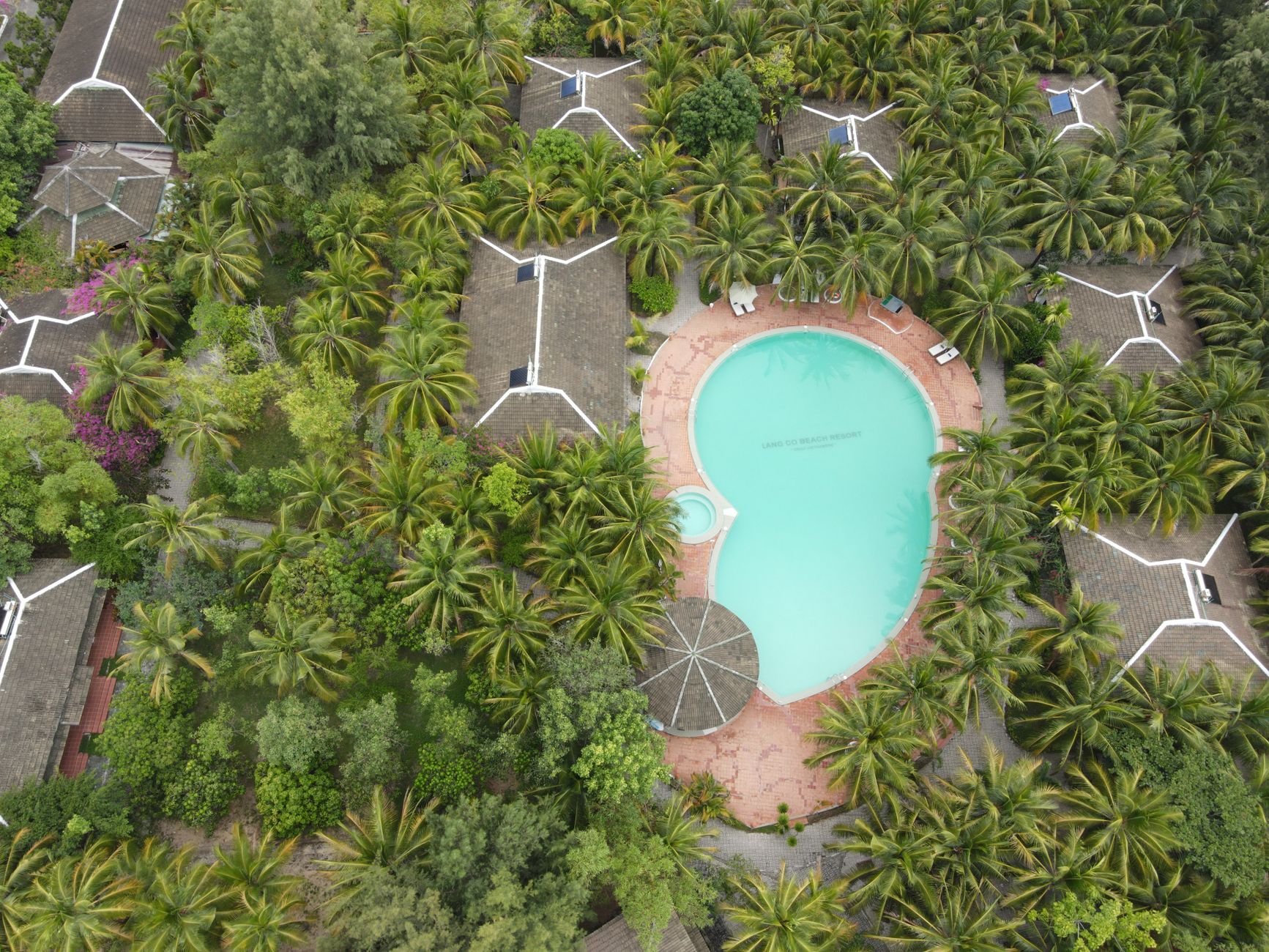
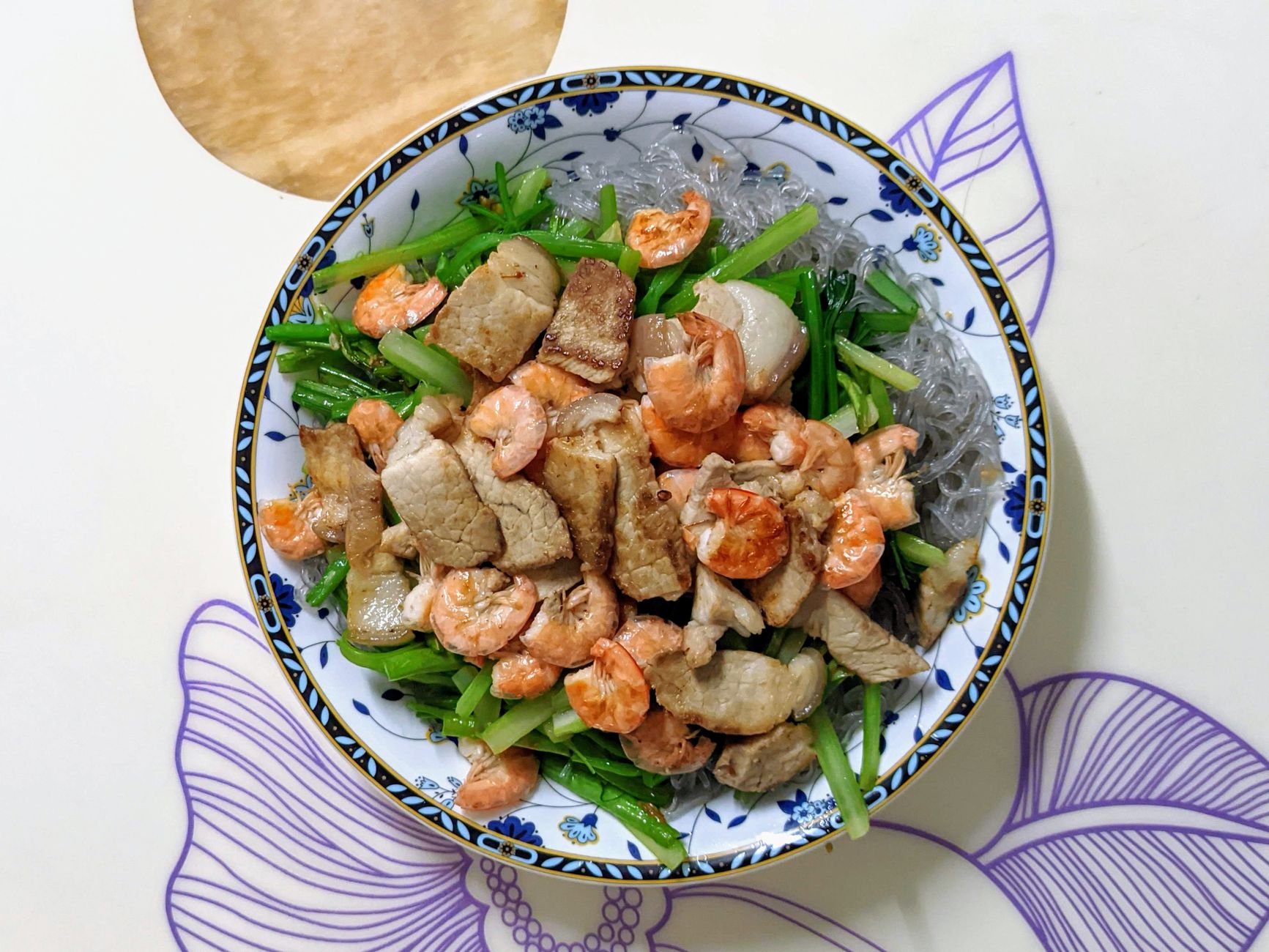
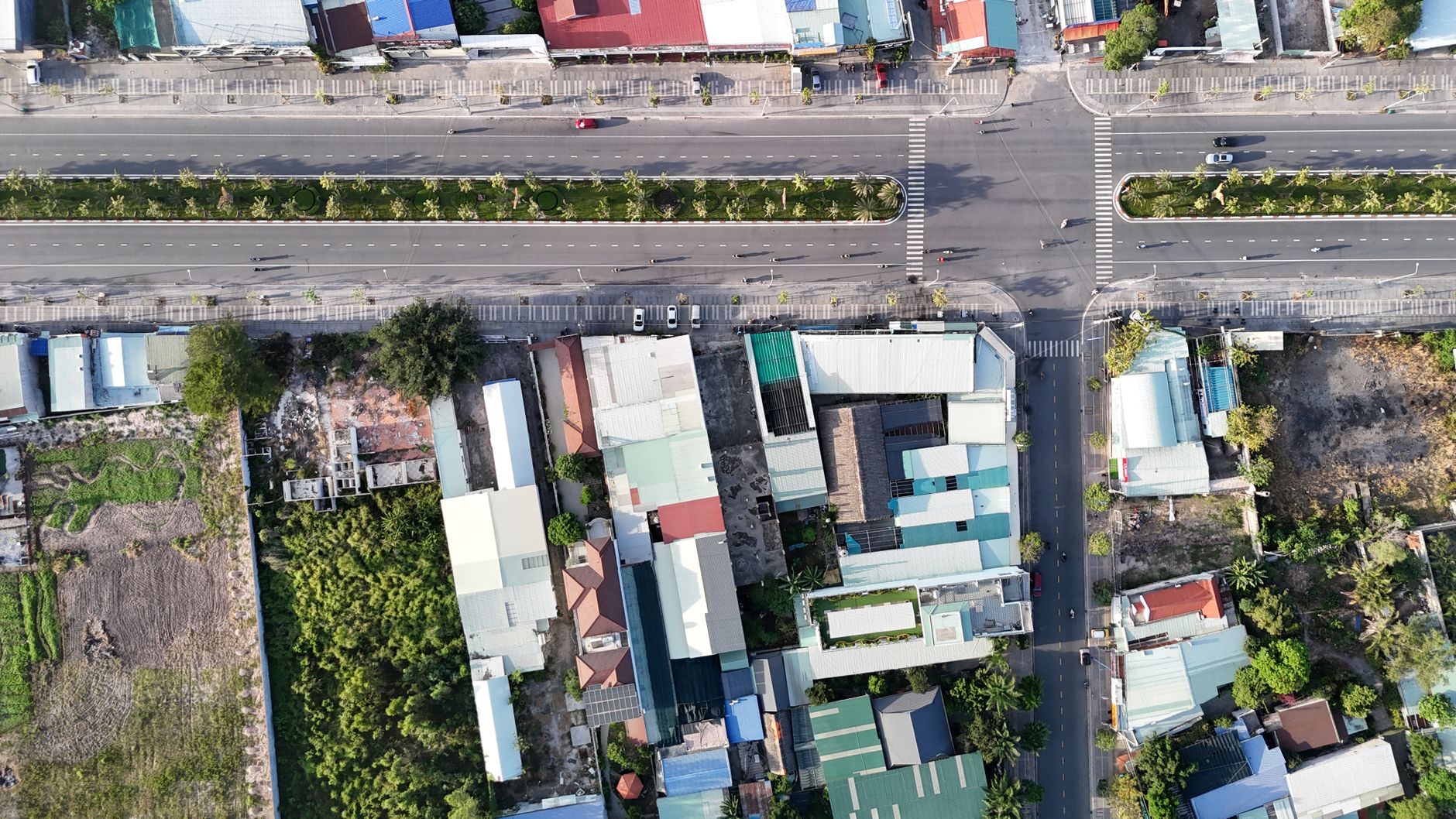
You step off into a thick wall of coastal heat smelling of woodsmoke, diesel, and the briny punch of fermenting anchovies. Phú Quốc is Vietnam's largest island, anchored by the fishing fleet at Dương Đông and ringed by shallow waters in the Gulf of Thailand. Beyond the resort sprawl along the west coast, old barrel houses still produce pungent nước mắm, black pepper vines climb concrete posts in the red clay, and small skiffs bring in herring for raw gỏi cá trích beside the harbor.
Last updated 22 Aug 2026
Build a Phú Quốc itinerary.
Choose up to 4 threads that pull you in. Your plan arrives organised around them.
The Bed
Where to stay in Phú Quốc
Which part of town to book, and what each one costs you in walking, noise or quiet.
The Comparison
Phú Quốc, or somewhere near it
The places you are realistically choosing between, and the honest case for each.
The Local Record
Where to read more about Phú Quốc
The blogs, boards, guides and operators worth bookmarking.
What to do in Phú Quốc Southern Vietnam Vietnam
Life here moves to the rhythm of the tides and the smoke of charcoal braziers. Dương Đông serves as the island's working nerve center, where morning fish markets give way to evening stalls along the river. The south draws visitors to the An Thới islands, while the red-dirt north remains quiet and forested. It suits travelers who want beach time grounded in working fishing ports, peppery noodle broths, and simple, unfussy island navigation.
24 hours in Phú Quốc Southern Vietnam Vietnam
Start with a bowl of bún quậy near Dương Đông market, grinding your own chili-kumquat sauce. Spend the midday heat touring the towering vats at Khải Hoàn fish sauce distillery. By late afternoon, walk out to Dinh Cậu rock temple for the sunset before grabbing a plastic stool along Bạch Đằng for grilled sea urchin and squid. Select 1 Day above to see it.
2 days in Phú Quốc Southern Vietnam Vietnam
Head north on day two. Ride through pepper plantations at Khu Tượng to inspect drying berries, then continue to the fishing stilt village of Rạch Vẹm for steamed crab over the water. Finish on the quiet sweep of Gành Dầu, where you can drink a fresh coconut looking across the narrow channel toward Cambodia. Choose 2 Days to expand the plan.
3 days in Phú Quốc Southern Vietnam Vietnam
Take day three south. Hire a wooden boat from An Thới port to snorkel the coral gardens around Hòn Gầm Ghì, avoiding the tourist cable car for a gentler pace. On the return, stop at Hàm Ninh on the east coast for freshly boiled mantis shrimp at the dockside shacks before the late ferry traffic begins.
Phú Quốc Southern Vietnam Vietnam itineraries by interest
Local Seafood in Phú Quốc Southern Vietnam Vietnam
Eat gỏi cá trích, raw herring tossed with grated coconut, mint, and lime, wrapped in rice paper at Quán Việt, or grill cobia over hot coals along Dương Đông harbor.
Night Markets in Phú Quốc Southern Vietnam Vietnam
Dương Đông Night Market on Bạch Đằng gets busy after six. Dodge the live-tank touts and head for sea urchin grilled with scallion oil and crushed peanuts on small plastic stools.
Craft Traditions in Phú Quốc Southern Vietnam Vietnam
Tour old nước mắm houses like Khải Hoàn, where giant wooden vats held with rattan ropes ferment cá cơm anchovies and sea salt for twelve months to create premium fish sauce.
Agricultural Heritage in Phú Quốc Southern Vietnam Vietnam
At Khu Tượng, walk rows of black pepper vines trained on concrete posts. The volcanic red soil produces intensely fragrant peppercorns dried in wide woven baskets in the sun.
Island Hiking in Phú Quốc Southern Vietnam Vietnam
Hike through the dipterocarp canopy in Phú Quốc National Park along the trail near Gành Dầu, where shade keeps the humidity manageable and hornbills nest in tall fig trees.
Coastal Walks in Phú Quốc Southern Vietnam Vietnam
Stroll the concrete piers of Hàm Ninh fishing village on the east coast at low tide, watching wooden skiffs unload blue swimmer crabs directly to dockside boiler pots.
Sacred Architecture in Phú Quốc Southern Vietnam Vietnam
Dinh Cậu shrine perches on a jagged sea rock at the mouth of the Dương Đông River, built in 1937 for seafarers lighting incense before heading out past the breakwater.
Island Hopping in Phú Quốc Southern Vietnam Vietnam
Board a wooden tender from An Thới harbor to the southern An Thới archipelago. Hòn Móng Tay and Hòn Gầm Ghì offer clear shallow reefs for quiet snorkeling away from the crowds.
Local Soups in Phú Quốc Southern Vietnam Vietnam
Track down bún quậy at Kiến Xây, where you stir your own dipping bowl of kumquat juice, sugar, and chili before pouring broth over freshly pressed noodles and mashed shrimp paste.
Quiet Beaches in Phú Quốc Southern Vietnam Vietnam
Skip the busy southern sands for Bãi Rạch Vẹm in the north, where wooden boardwalks stretch over shallow water and red starfish gather on the sandy floor between November and April.
History & Heritage in Phú Quốc Southern Vietnam Vietnam
Visit the former Phú Quốc Prison near An Thới to understand the island's sobering 20th-century history, preserved in stark barracks and razor-wire enclosures under the sun.
Motorbike Touring in Phú Quốc Southern Vietnam Vietnam
Rent an automatic scooter to run the quiet northern red-dirt road toward Cape Gành Dầu, passing rubber plantations and cashew trees with the Cambodian coastline visible across the water.