Sapa.


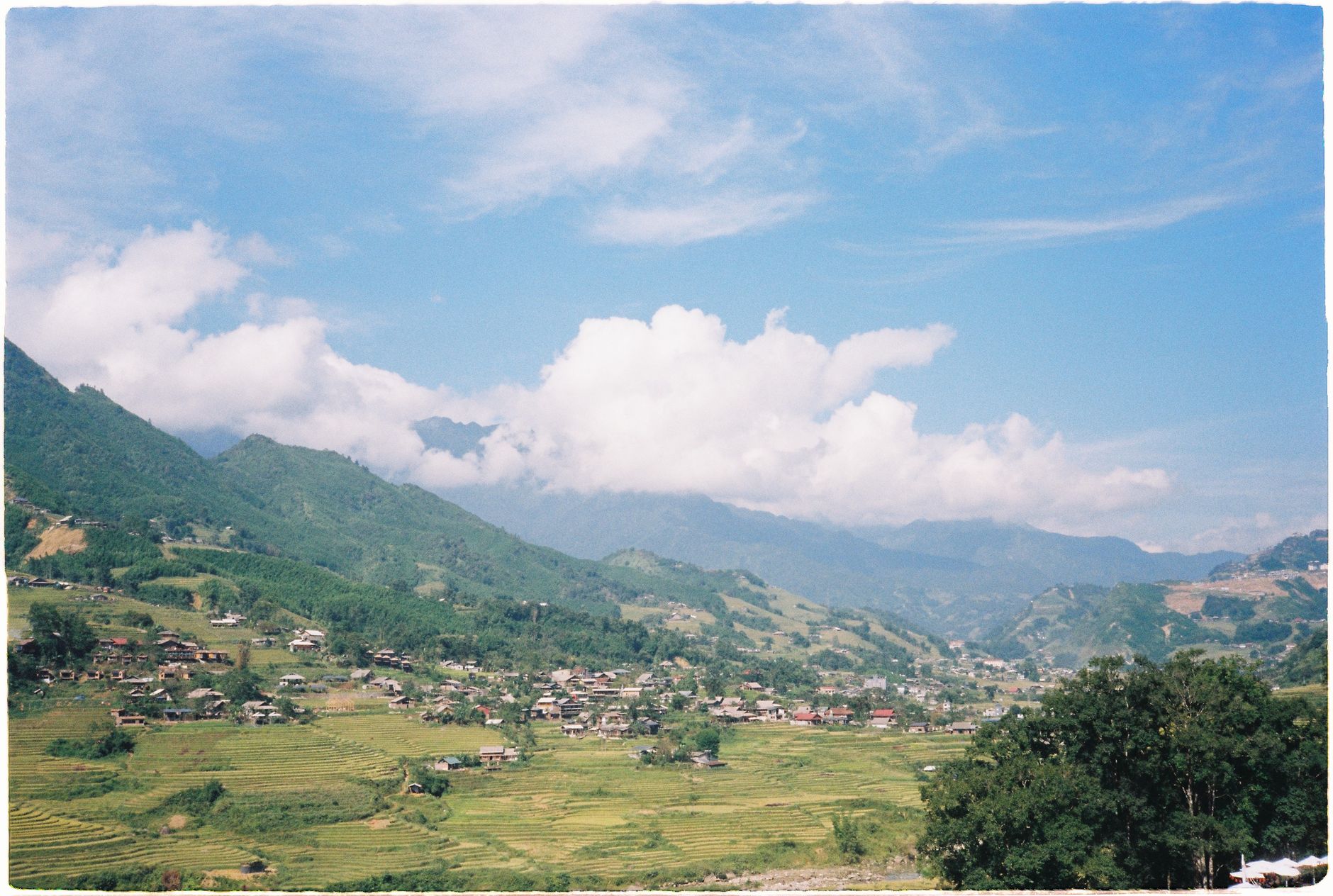


Sapa sits 315 kilometres northwest of Hanoi, reached in five hours by express bus or via overnight train to Lao Cai. The former French hill station is known for deep-valley rice terraces and ethnic minority highland culture. Sapa is worth visiting if you want rugged footpath trekking through terraced valleys and cool nights over sturgeon hotpot. Look elsewhere if you require flat paved streets, warm sunshine, or uncommercialised town centres.
Last updated 24 Sept 2026
Build a Sapa itinerary.
Choose up to 4 threads that pull you in. Your plan arrives organised around them.
The Bed
Where to stay in Sapa
Which part of town to book, and what each one costs you in walking, noise or quiet.
The Comparison
Sapa, or somewhere near it
The places you are realistically choosing between, and the honest case for each.
The Local Record
Where to read more about Sapa
The blogs, boards, guides and operators worth bookmarking.
What to do in Sapa Northern Vietnam Vietnam
Sapa spreads around a high lake surrounded by hotel blocks, but daily life belongs to the mountain trails leading south into the Muong Hoa Valley. Morning mist burns off to reveal immense agricultural staircases cut into limestone hills, where hikers share dirt tracks with water buffalo. Evenings settle over woodsmoke, charcoal grills, and communal hotpot bowls. It suits walkers, photographers, and travellers comfortable with muddy boots and variable mountain weather.
24 hours in Sapa Northern Vietnam Vietnam
Start early with a bowl of noodle soup near the 1895 stone church before hiking the four-mile ridge trail down to Lao Chai. Stop for a lunch of stir-fried chayote greens and grilled mountain pork along the river. Catch a short car ride back up to town by dusk, then spend the evening sampling roasted skewers of corn and pork by Sapa Lake. Select 1 Day above to see it.
2 days in Sapa Northern Vietnam Vietnam
Head north to Ta Phin village to walk among Red Dao farmsteads and soak in an herbal medicinal bath brewed from mountain bark. For dinner, sit down to a wood-fired table in town for a communal hotpot of farm-raised sturgeon, simmering in a sour broth of tomatoes and wild forest herbs, perfectly suited to the damp mountain chill. Choose 2 Days to expand the plan.
3 days in Sapa Northern Vietnam Vietnam
A third day allows an early-morning run over Tram Ton Pass to catch the sunrise at O Quy Ho, followed by a walk through the forested trails of Love Waterfall. Alternatively, book a day trip north to the weekend markets of Bac Ha or Can Cau to see regional mountain trade, cattle bargaining, and steaming pots of horse-meat thang co stew.
Sapa Northern Vietnam Vietnam itineraries by interest
Mountain Hiking in Sapa Northern Vietnam Vietnam
Trek the Muong Hoa Valley tracks connecting Y Linh Ho, Lao Chai, and Ta Van, navigating clay footpaths along terraced rice fields.
Markets & Produce in Sapa Northern Vietnam Vietnam
Browse Bac Ha Sunday market or Sapa market for wild mountain honey, smoked buffalo meat, dried star anise, and homegrown black tea.
Street Food in Sapa Northern Vietnam Vietnam
Sit on plastic stools around Sapa Lake for charcoal-grilled skewers of wild pork, sticky rice in bamboo tubes, and charred sweet potatoes.
Local Stews & Hotpots in Sapa Northern Vietnam Vietnam
Order a boiling pot of cold-water sturgeon or salmon cooked with wild forest herbs, sliced chayote greens, and sour bamboo shoots.
Craft Traditions in Sapa Northern Vietnam Vietnam
Watch Black Hmong artisans weave hemp and dye cloth in natural indigo vats, or examine Red Dao intricate silver jewellery in Ta Phin.
Highland Railways in Sapa Northern Vietnam Vietnam
Ride the Swiss-built Muong Hoa funicular from the town centre through high mountain mist to reach the Fansipan cable car station.
Herbal Wellness in Sapa Northern Vietnam Vietnam
Soak in wooden tubs filled with steaming medicinal bark and forest herbs brewed by Red Dao specialists in the village of Ta Phin.
Scenic Viewpoints in Sapa Northern Vietnam Vietnam
Climb Tram Ton Pass at two thousand metres for sweeping views across the O Quy Ho gorge, or take the stone stairs up Ham Rong Mountain.
Day Trips in Sapa Northern Vietnam Vietnam
Hire a driver for the seventy-kilometre mountain route north to Can Cau for the Saturday water buffalo trade near the Chinese border.
Waterfalls & Valleys in Sapa Northern Vietnam Vietnam
Walk stone paths through pine forests to Silver Waterfall, or head down the steps to the cascading waters of Love Waterfall inside the national park.
Colonial Architecture in Sapa Northern Vietnam Vietnam
Visit the 1895 stone Catholic church standing in the central square, built from hand-cut stone during the early French administration.
Mountain Villages in Sapa Northern Vietnam Vietnam
Walk through Sin Chai and Ban Ho to see traditional stilt houses, working indigo presses, and terraced corn plots away from the tour bus routes.