Ho Chi Minh City.


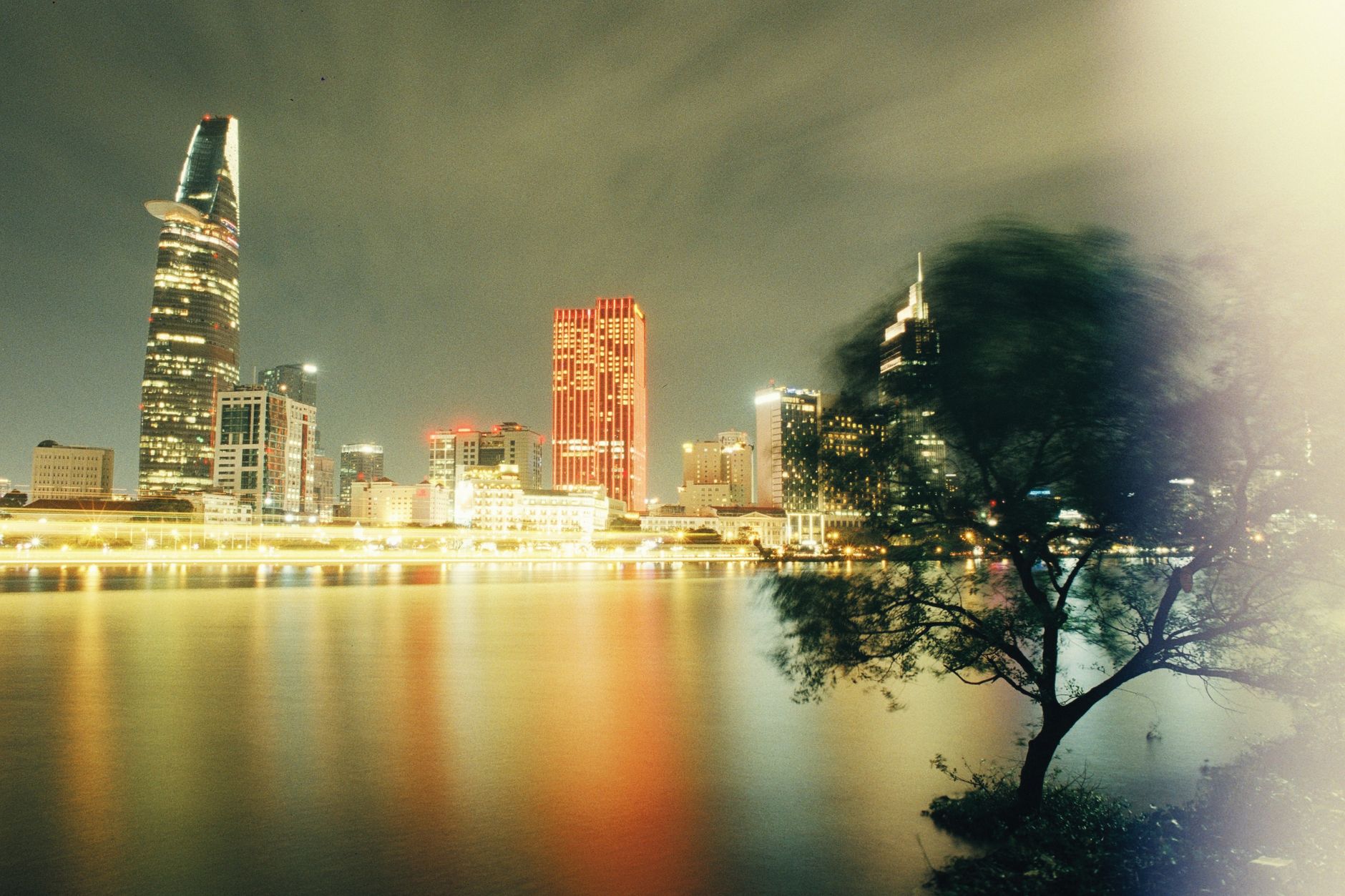

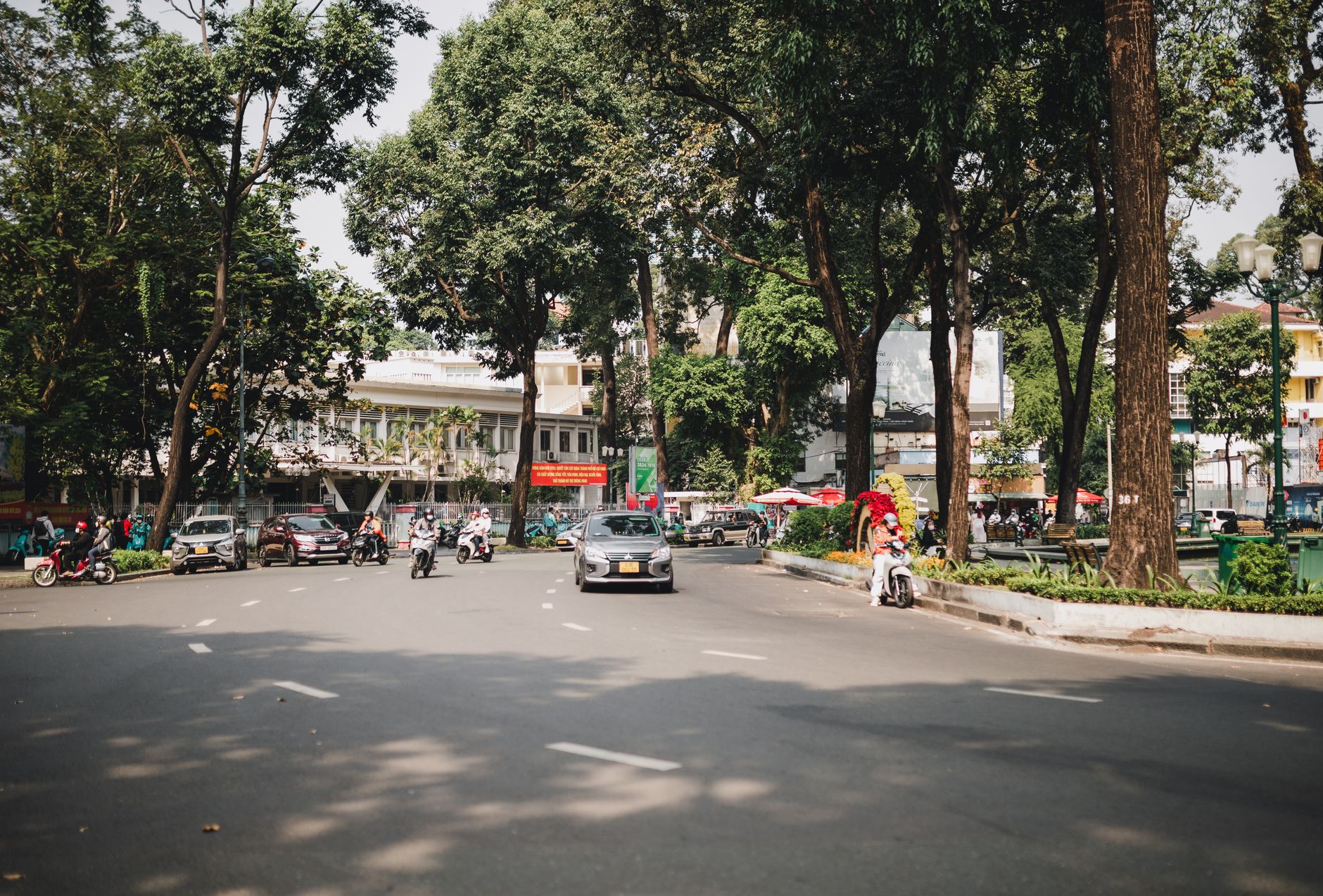
Ho Chi Minh City sits in southern Vietnam, thirty minutes south of Tan Son Nhat International Airport. It is Vietnam's economic engine, defined by its relentless pavement food culture, broad French-era boulevards, and layered wartime history. Ho Chi Minh City is worth visiting if you want sidewalk banh mi, late-night shellfish feasts on low plastic stools, and direct engagement with modern Vietnamese history. Look elsewhere if you need tranquil pedestrian zones, clean beach air, or an unhurried escape from traffic.
Last updated 24 Sept 2026
Build a Ho Chi Minh City itinerary.
Choose up to 4 threads that pull you in. Your plan arrives organised around them.
The Bed
Where to stay in Ho Chi Minh City
Which part of town to book, and what each one costs you in walking, noise or quiet.
The Comparison
Ho Chi Minh City, or somewhere near it
The places you are realistically choosing between, and the honest case for each.
The Local Record
Where to read more about Ho Chi Minh City
The blogs, boards, guides and operators worth bookmarking.
What to do in Ho Chi Minh City Southern Vietnam Vietnam
Ho Chi Minh City runs on the rhythm of motorbikes, steaming soup pots, and iced coffee. District 1 holds the grand administrative landmarks and museums, but the real life happens in the alleys of District 3 and District 4. Mornings start early with noodle carts before the heat builds, afternoons suit museum visits or shaded cafes, and evenings belong to sidewalk shellfish stalls.
24 hours in Ho Chi Minh City Southern Vietnam Vietnam
Start before 8:00 with pho bo at Pho Minh down a quiet District 1 alley. Spend the morning at the War Remnants Museum before midday heat strikes, grab banh mi on Nguyen Trai, and spend sunset by the Central Post Office. Finish along Vinh Khanh Street over plates of garlic snails. Select 1 Day above to see it.
2 days in Ho Chi Minh City Southern Vietnam Vietnam
A second day belongs to Cho Lon, the historic Chinese quarter in District 5. Walk through the fragrant incense haze of Thien Hau Pagoda, shop for dried medicinal roots, and eat roast duck with egg noodles at an old shophouse, followed by an afternoon at the Fine Arts Museum. Choose 2 Days to expand the plan.
3 days in Ho Chi Minh City Southern Vietnam Vietnam
With three days, escape the asphalt for the green canals of the Mekong Delta around Ben Tre, sampling river fish and coconut candy. Alternatively, ride the public waterbus north to Thanh Da peninsula for grilled chicken and a slower, semi-rural view of the Saigon River.
Ho Chi Minh City Southern Vietnam Vietnam itineraries by interest
Street Food in Ho Chi Minh City Southern Vietnam Vietnam
Perch on a plastic stool for com tam suon nuong off charcoal grates or hot bowls of bun mam funk on Nguyen Thien Thuat.
Modern History in Ho Chi Minh City Southern Vietnam Vietnam
Walk the preserved 1966 rooms of the Independence Palace and study the sobering photojournalism at the War Remnants Museum.
Coffee Culture in Ho Chi Minh City Southern Vietnam Vietnam
Order ca phe sua da or salted iced coffee at vintage shophouses in District 3 or pavement spots around turtle lake.
Local Seafood in Ho Chi Minh City Southern Vietnam Vietnam
Graze on oc len xao dua and grilled sea snails along Vinh Khanh Street in District 4, washed down with iced Saigon beer.
Markets & Produce in Ho Chi Minh City Southern Vietnam Vietnam
Bypass tourist souvenirs at Ben Thanh and head to Cho Ba Chieu or Cho Tan Dinh for fresh herbs, textiles, and duck noodle soup.
Sacred Architecture in Ho Chi Minh City Southern Vietnam Vietnam
Burn coil incense at Cho Lon's 1760 Thien Hau Pagoda, then visit the jade-tiled interiors of the Jade Emperor Pagoda in Da Kao.
Neighbourhood Walks in Ho Chi Minh City Southern Vietnam Vietnam
Explore District 5's herb shops and Chinese clan halls, or wander the leafy residential alleyways behind Pham Ngoc Thach.
Colonial Architecture in Ho Chi Minh City Southern Vietnam Vietnam
Inspect Gustave Eiffel's vaulted iron ceiling inside the 1891 Central Post Office and the red-brick facade of Notre-Dame Cathedral.
Contemporary Art in Ho Chi Minh City Southern Vietnam Vietnam
Browse local sculpture and painting at the Fine Arts Museum's yellow-stucco mansion or contemporary spaces like The Factory.
Nightlife in Ho Chi Minh City Southern Vietnam Vietnam
Skip the deafening neon of Bui Vien for acoustic jazz at Sax n' Art, craft beer in Da Kao, or riverside cocktails along Ton Duc Thang.
River & Canals in Ho Chi Minh City Southern Vietnam Vietnam
Board the public Saigon Waterbus from Bach Dang wharf to Thanh Da peninsula for a breeze and low-slung river views.
Day Trips in Ho Chi Minh City Southern Vietnam Vietnam
Take an early morning boat into the mangrove waterways of the Mekong Delta or explore the subterranean network at Cu Chi.