

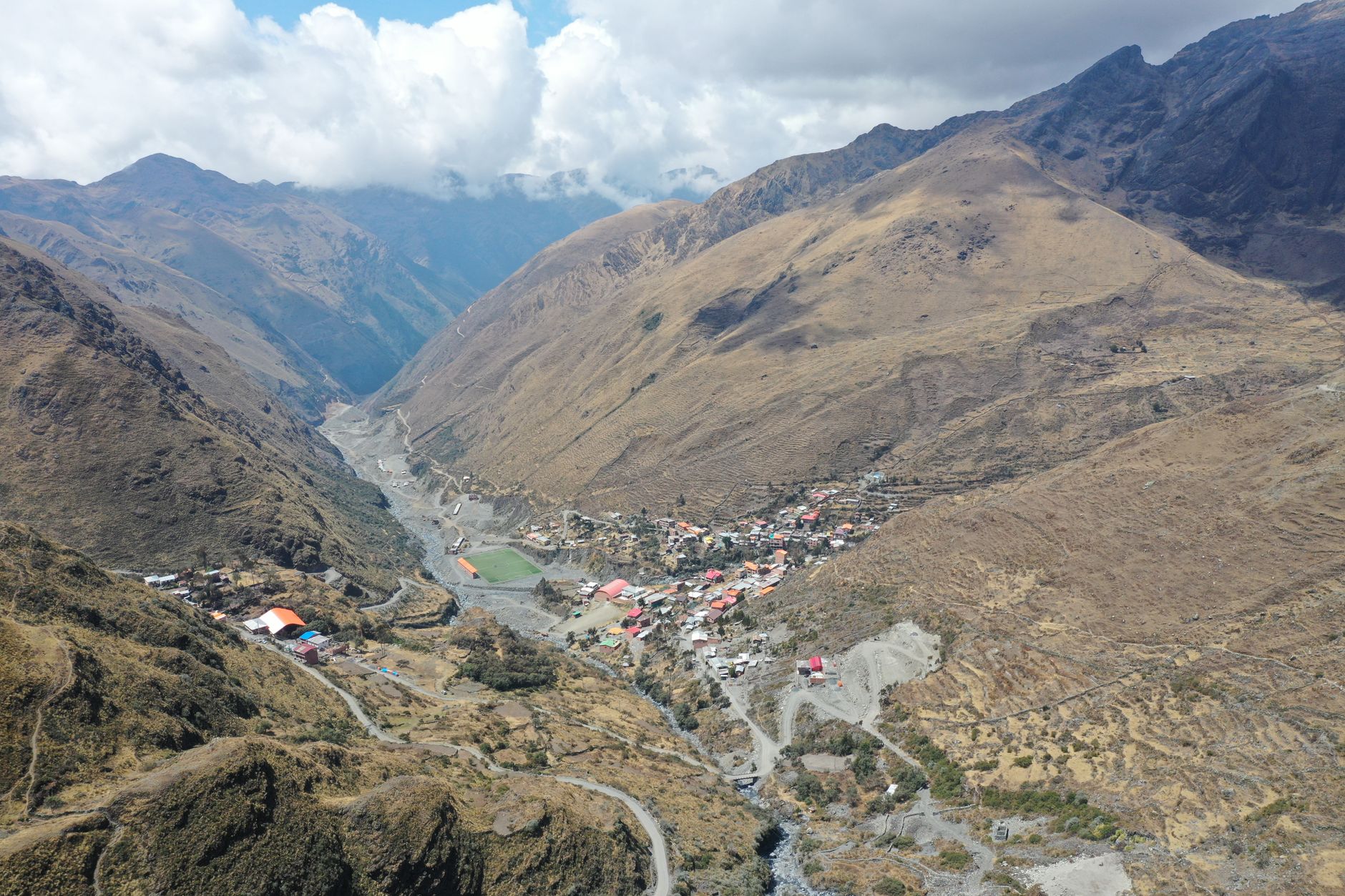
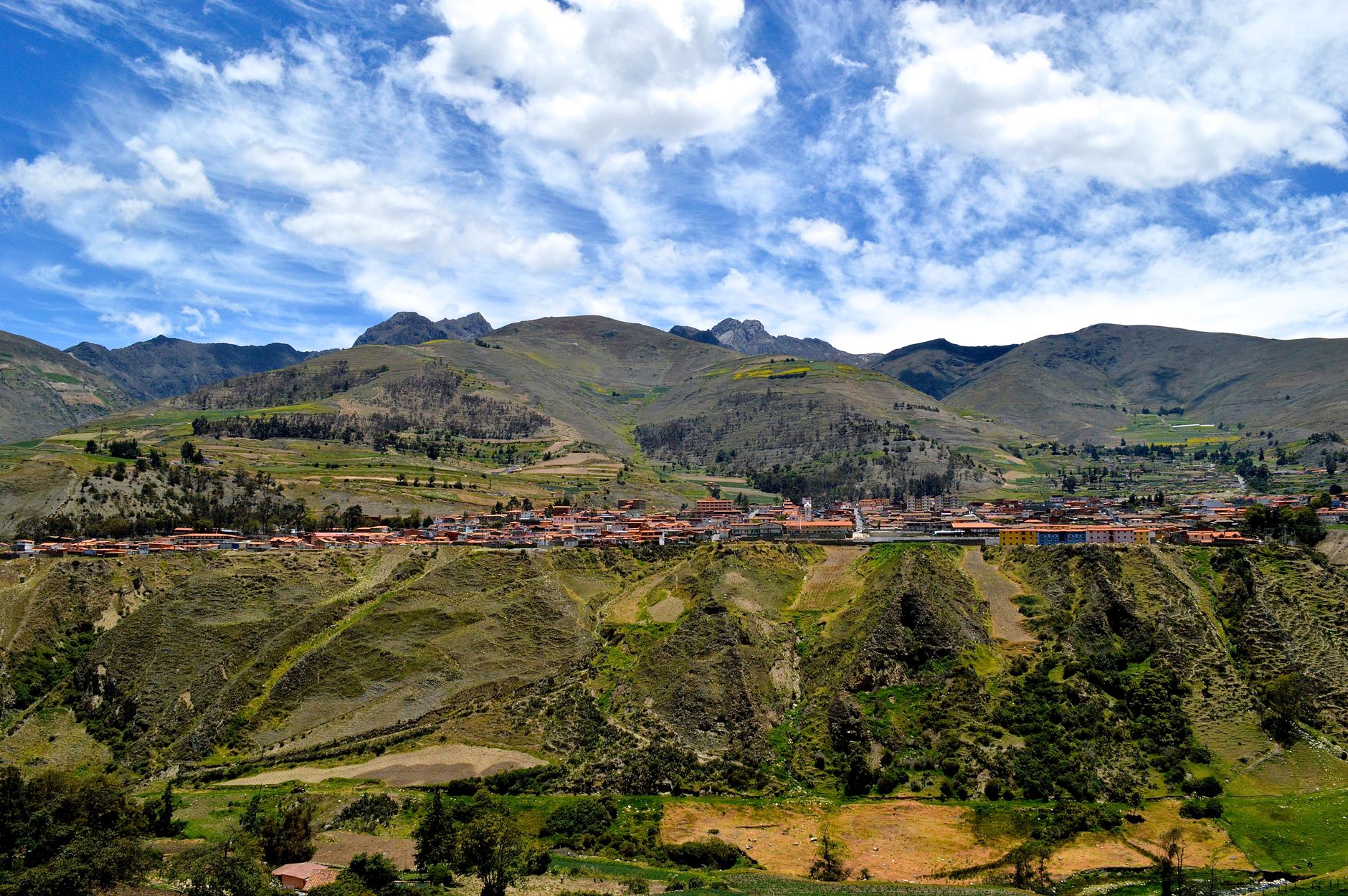

Sitting fifty kilometres northwest of Cusco and ten minutes east of Urubamba, Huayllabamba is a farming district along the Vilcanota River known for cultivating Paraqay giant white corn. The pace here runs entirely on planting cycles and irrigation channels rather than tour buses. Huayllabamba is worth visiting if you want agricultural walks, fresh choclo boiled curbside, and quiet roads through working chacras. Look elsewhere if you expect paved boulevards, museums, or nightlife.
Last updated 1 Nov 2026
Build a Huayllabamba itinerary.
Choose up to 4 threads that pull you in. Your plan arrives organised around them.
The Bed
Where to stay in Huayllabamba
Which part of town to book, and what each one costs you in walking, noise or quiet.
The Comparison
Huayllabamba, or somewhere near it
The places you are realistically choosing between, and the honest case for each.
The Local Record
Where to read more about Huayllabamba
The blogs, boards, guides and operators worth bookmarking.
What to do in Huayllabamba Cusco Peru
Huayllabamba is a working farming village stretched across the flat floor of the Sacred Valley. Life here is tied to the maize calendar, with mornings spent in the fields and afternoons at small family-run comedores. It suits independent travellers who prefer quiet dirt lanes, mountain air, and authentic agricultural routines over souvenir stalls and guided group tours.
24 hours in Huayllabamba Cusco Peru
Start the morning walking field paths among the giant corn stalks of Huycho. Grab lunch at a roadside stall for hot choclo with Andean cheese and a glass of fresh chicha. Spend the afternoon sitting in the quiet plaza before catching an evening combi back to Urubamba. Select 1 Day above to see it.
2 days in Huayllabamba Cusco Peru
A second day lets you rent a bicycle to pedal the dirt tracks eastward toward Calca along the Vilcanota River. Stop at rustic farmsteads for midday fried trout or lechón al horno, watching farmers turn the soil with traditional Andean foot plows. Choose 2 Days to expand the plan.
3 days in Huayllabamba Cusco Peru
With three days, venture up the valley slopes on foot to reach high grazing pastures, or connect to the trails around Yucay and Maras. It allows time to settle into the valley's unhurried rhythm and understand how centuries of maize farming still sustain these villages.
Huayllabamba Cusco Peru itineraries by interest
Local Agriculture in Huayllabamba Cusco Peru
Walk the chacras to see Paraqay giant white maize drying in the sun, tended by Quechua farmers using pre-Inca terracing and gravity-fed stone canals.
Traditional Drinks in Huayllabamba Cusco Peru
Spot the red plastic bags on poles signaling fresh chicha de jora, fermented corn beer poured into large caporal glasses straight from clay vats.
Street Food in Huayllabamba Cusco Peru
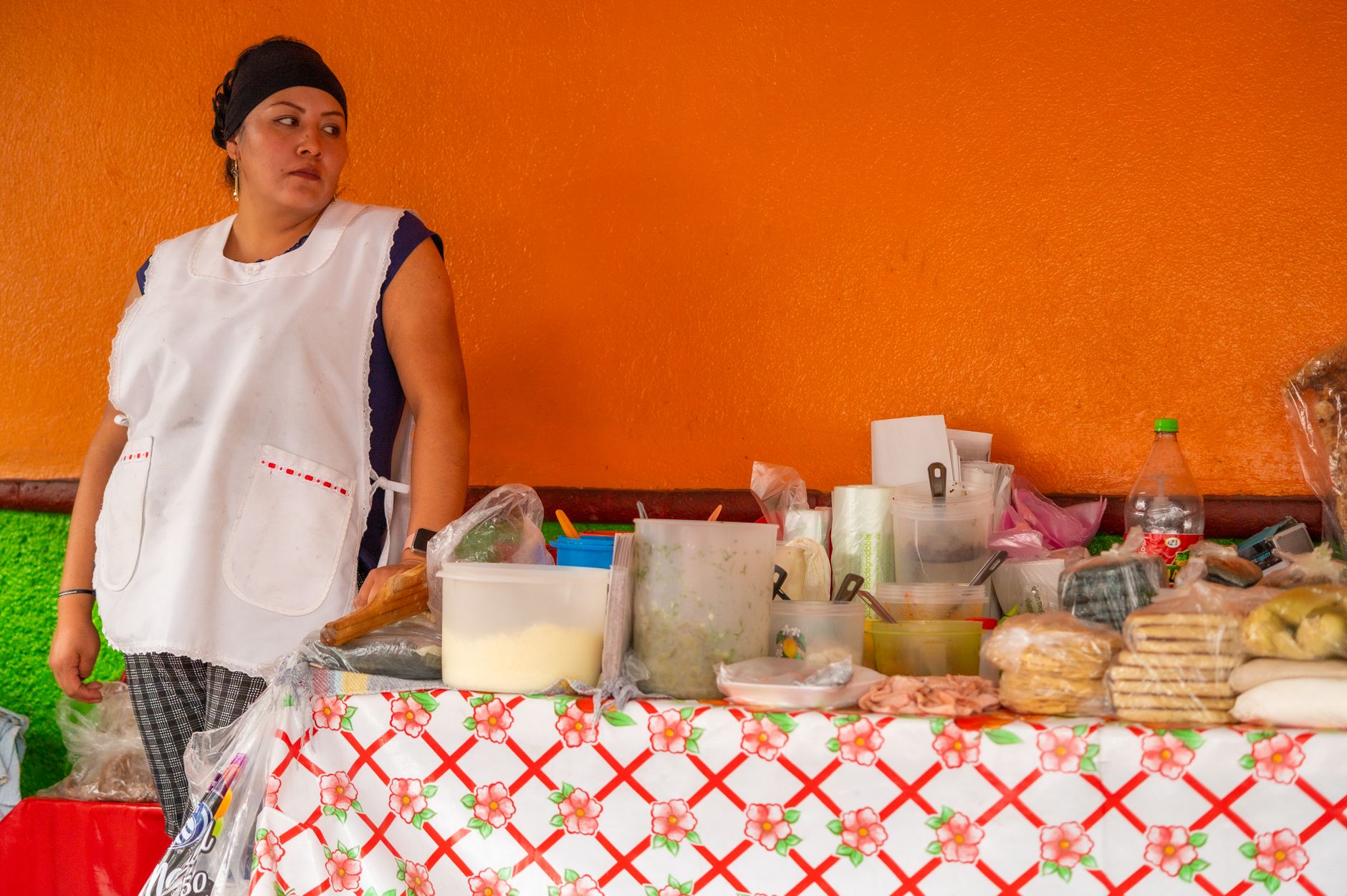
Buy steaming choclo con queso from roadside pots along the main road, served with thick slabs of salty Andean cheese and spicy uchucuta salsa.
Day Trips in Huayllabamba Cusco Peru
Catch a shared combi five minutes west to Urubamba's bustling terminal or cross the river toward Yucay to inspect Inca palace walls on foot.
Rural Walks in Huayllabamba Cusco Peru
Follow unpaved irrigation tracks toward Huycho and the base of the mountains, passing adobe compounds, eucalyptus groves, and tethered bulls.
Sacred Architecture in Huayllabamba Cusco Peru
Visit the modest colonial church on the main plaza, where whitewashed adobe walls and quiet wooden altars serve the local farming community.
Markets & Produce in Huayllabamba Cusco Peru
Browse roadside crates of freshly harvested broad beans, yellow potatoes, and enormous corn kernels priced by the kilo directly from growers.
Regional Cooking in Huayllabamba Cusco Peru
Sit for midday lechón or cuy chactado in rustic roadside comedores where cooks fry seasoned pork and guinea pig over open wood embers.
Mountain Views in Huayllabamba Cusco Peru
Look upward across the valley floor to the snow-dusted ridges of the Urubamba mountain range framing the fields in sharp relief.
Craft Traditions in Huayllabamba Cusco Peru
Observe local builders mixing mud, straw, and water by hand to mould heavy adobe bricks left to bake under the Andean mountain sun.
Cycling in Huayllabamba Cusco Peru
Ride flat dirt backroads running parallel to the Vilcanota River from Huayllabamba to Calca, avoiding the faster traffic on Route 28B.
Plant Knowledge in Huayllabamba Cusco Peru
Learn about native crops including kiwicha, quinoa, and medicinal herbs like muña growing along stone field boundaries and garden plots.