Marrakech.


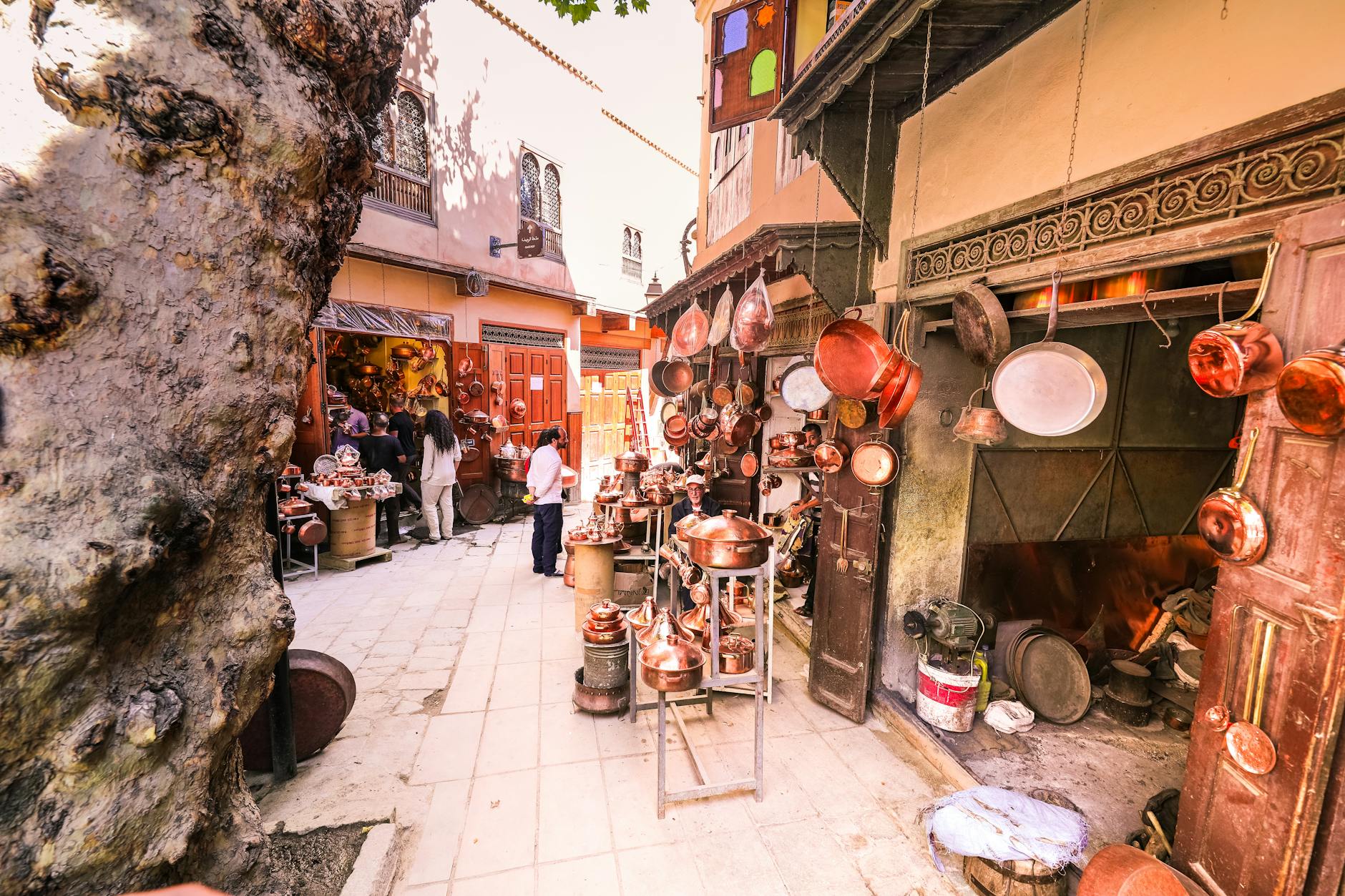
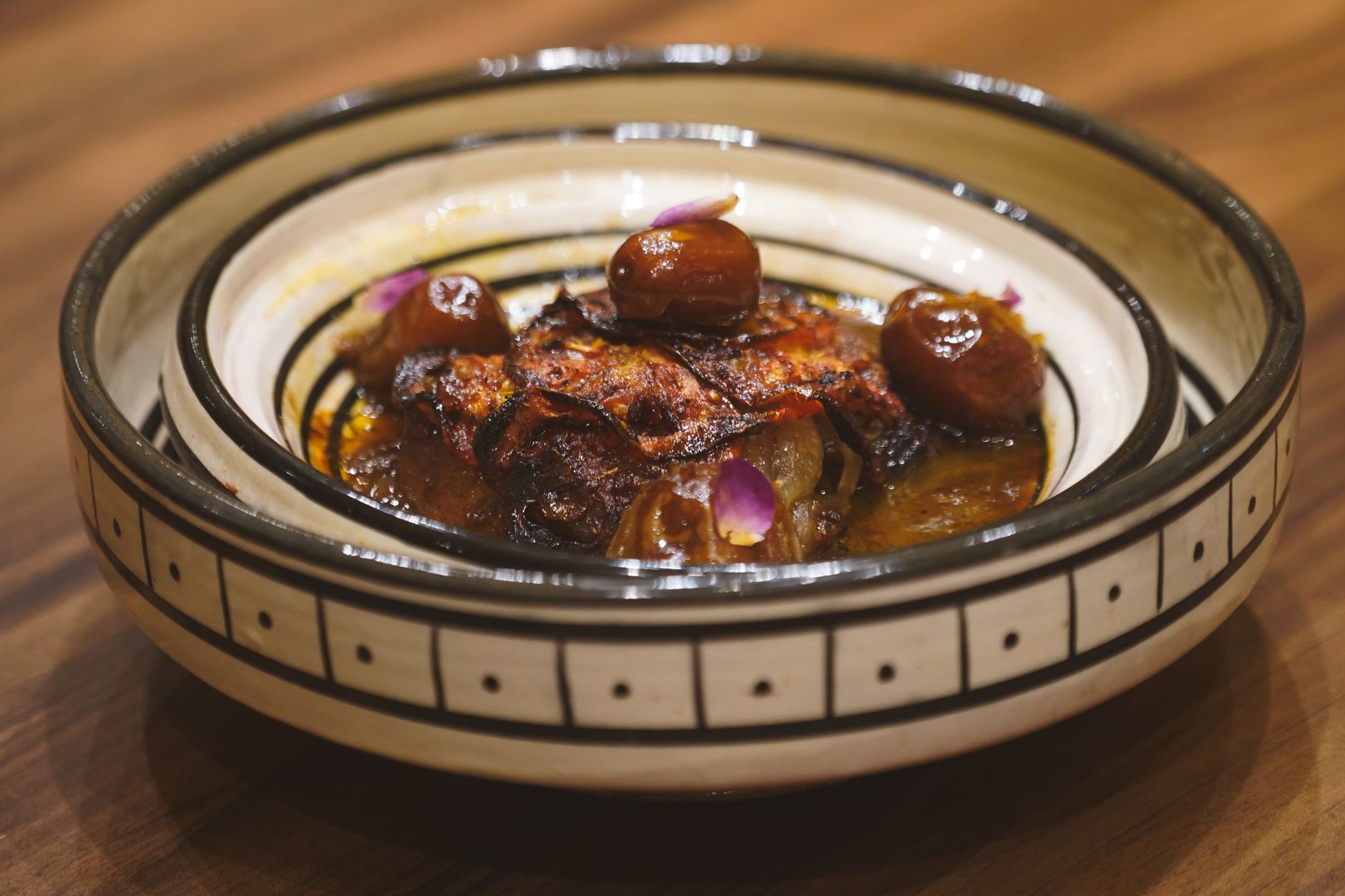
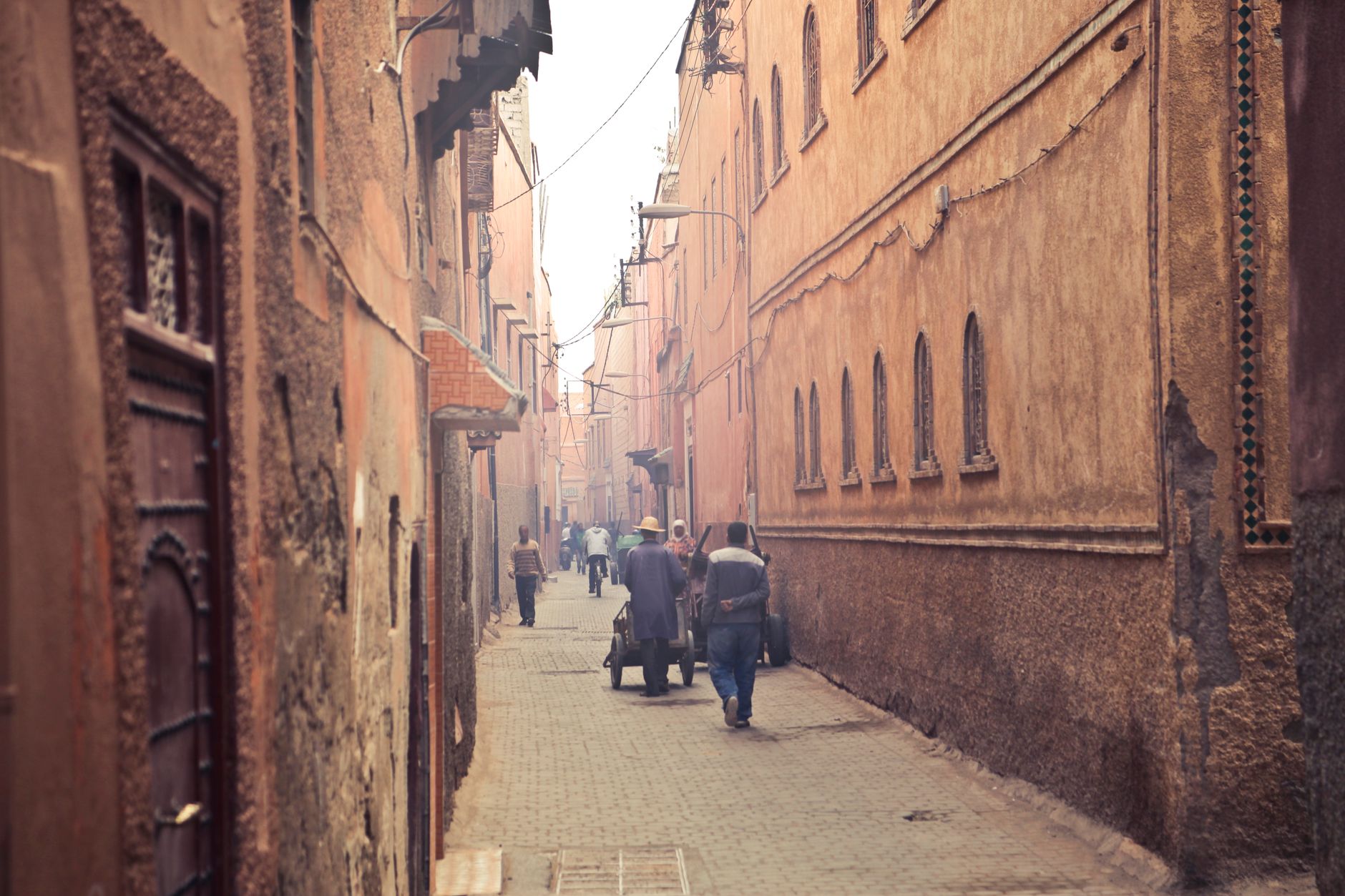
Located three hours south of Casablanca by Al Boraq and Atlas trains, Marrakech anchors southern Morocco at the foot of the High Atlas. It is known for its medieval fortified medina, deep clay potting traditions, and communal clay-oven cooking. Marrakech is worth visiting if you want to navigate centuries-old market alleys, eat slow-braised lamb tangia from neighbourhood ovens, and study Islamic tilework up close. Look elsewhere if you want quiet coastal breezes, strict pedestrian-only zones, or predictable timetables.
Last updated 2 Nov 2026
Build a Marrakech itinerary.
Choose up to 4 threads that pull you in. Your plan arrives organised around them.
The Bed
Where to stay in Marrakech
Which part of town to book, and what each one costs you in walking, noise or quiet.
The Comparison
Marrakech, or somewhere near it
The places you are realistically choosing between, and the honest case for each.
The Local Record
Where to read more about Marrakech
The blogs, boards, guides and operators worth bookmarking.
What to do in Marrakech Marrakech-Safi Morocco
The old city is a walled maze of reddish-pink mud brick, where days follow the rhythm of the call to prayer and the opening of market stalls. Mornings belong to the quiet courtyards of the historic palaces and madrasas, afternoons to shaded souk bargaining, and evenings to the smoke and storytellers of Jemaa el-Fna. It suits travellers who welcome a lively street pace.
24 hours in Marrakech Marrakech-Safi Morocco
Start early at Ben Youssef Madrasa to beat the tour groups, then head south through Souk Semmarine for a lunch of lamb tangia near Rahba Kedima. Spend your afternoon among the ruins of Badi Palace before settling onto a rooftop overlooking Jemaa el-Fna at dusk. Select 1 Day above to see it.
2 days in Marrakech Marrakech-Safi Morocco
Devote day two to the French colonial quarter of Guéliz. Walk the shady bamboo paths of Jardin Majorelle, visit the Yves Saint Laurent Museum, and eat a sit-down pigeon pastilla or lamb tagine at an unhurried bistro along Rue de la Liberté. Choose 2 Days to expand the plan.
3 days in Marrakech Marrakech-Safi Morocco
A third day allows an escape to the High Atlas. Take a morning grand taxi south to Imlil or the Ourika Valley for mint tea along the riverbank, returning in time for a thorough eucalyptus scrub at Hammam Dar el-Bacha before a final dinner.
Marrakech Marrakech-Safi Morocco itineraries by interest
Street Food in Marrakech Marrakech-Safi Morocco
Order slow-cooked sheep head and steaming bowls of spiced snail broth (babbouche) from evening stalls setting up along Jemaa el-Fna.
Historic Architecture in Marrakech Marrakech-Safi Morocco
Tour the 14th-century carved cedar and zellij tilework of Ben Youssef Madrasa and the ruined Saadian Tombs sealed away until 1917.
Craft Traditions in Marrakech Marrakech-Safi Morocco
Watch metalworkers chisel brass lanterns in Place Seffarine and tanners cure goat hides using pigeon dung in Bab Debbagh.
Palaces & Gardens in Marrakech Marrakech-Safi Morocco
Walk the sunken orange orchards of the 16th-century Badi Palace and the shady cobalt-blue paths of Jardin Majorelle in Guéliz.
Traditional Cooking in Marrakech Marrakech-Safi Morocco
Carry a spiced earthenware tangia jar of beef shank and preserved lemon to the local fernatchi furnace behind the hammam.
Markets & Bazaars in Marrakech Marrakech-Safi Morocco
Barter for hand-loomed wool Berber rugs, babouche leather slippers, and saffron along the winding lanes of Souk Semmarine.
Day Trips in Marrakech Marrakech-Safi Morocco
Drive ninety minutes south to hike past walnut orchards and riverbed tagine stands in the Ourika Valley beneath snowcaps.
Museums & Galleries in Marrakech Marrakech-Safi Morocco
Examine antique Berber jewellery, wooden door frames, and tribal carpets inside the restored 19th-century Dar Si Said palace.
Public Squares in Marrakech Marrakech-Safi Morocco
Listen to Gnawa musicians and Berber storytellers gather crowds beneath the minaret shadow of the 12th-century Koutoubia Mosque.
Wellness & Baths in Marrakech Marrakech-Safi Morocco
Book a traditional scrub with eucalyptus black soap and a kessa glove inside neighbourhood bathhouses like Hammam Dar el-Bacha.
Modern Art in Marrakech Marrakech-Safi Morocco
Explore contemporary African painting and sculpture at MACAAL near the Palmeraie, away from the frantic medieval alleys.
Desert Excursions in Marrakech Marrakech-Safi Morocco
Ride stone tracks across the arid Agafay Desert for tea with mint in rocky canyons forty minutes southwest of town.