_townoffice_200411.jpg)


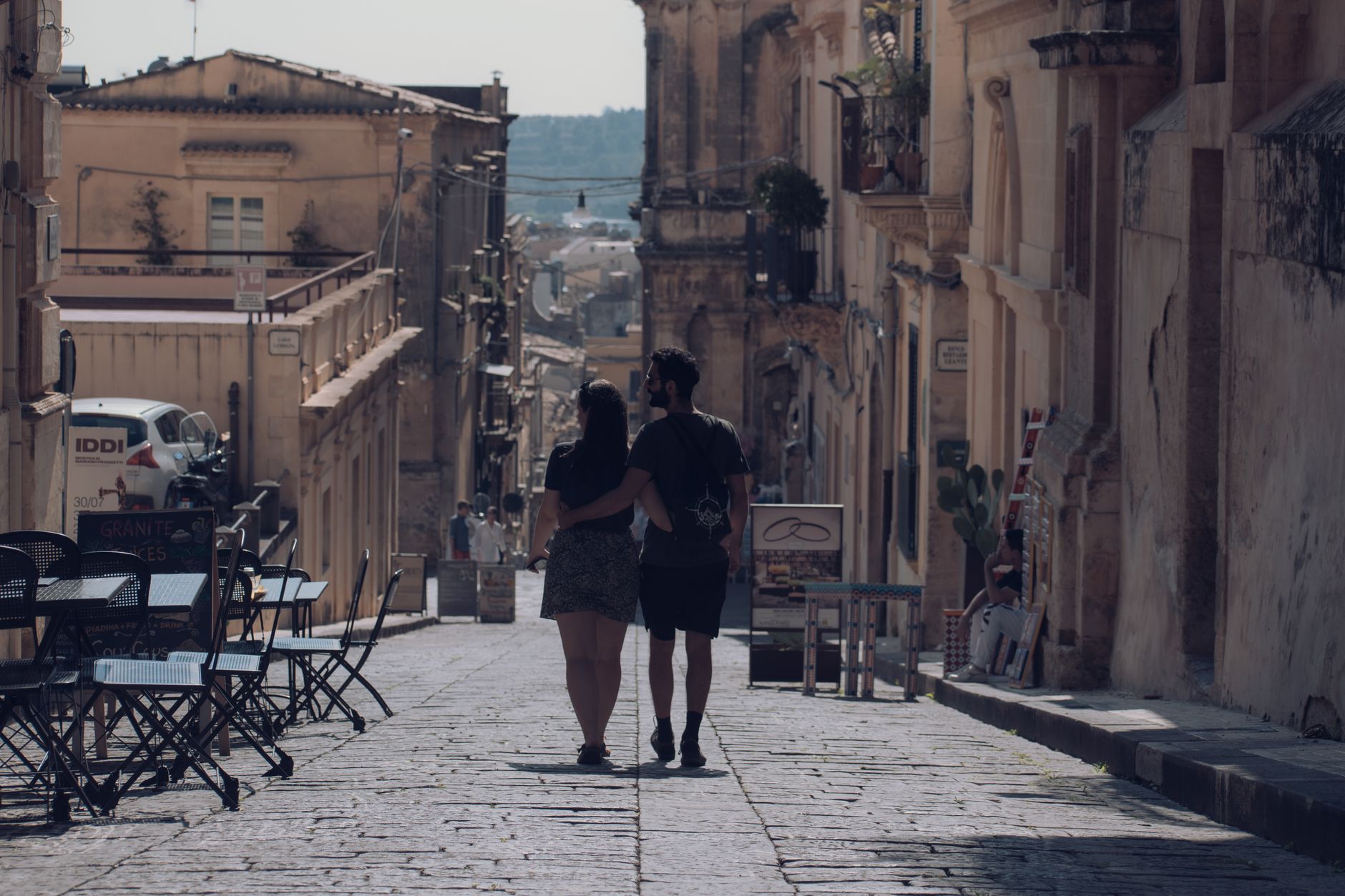
The 1693 earthquake flattened old Noto on its ridge, so the architects moved down to the Meti hill and built a theatrical stage set out of porous limestone. In late afternoon light, the entire town glows like toasted brioche. You walk down Corso Vittorio Emanuele between balconies supported by stone monsters, stopping for espresso and a dish of almond granita at Caffè Sicilia. It is compact, theatrical, and exceptionally civilized on foot.
Last updated 28 Aug 2026
Build a Noto itinerary.
Choose up to 4 threads that pull you in. Your plan arrives organised around them.
We'll craft a 4-lens plan for Noto, one collapsible strand per lens.
Baroque Palaces
Walk the frescoed salons of Palazzo Nicolaci di Villadorata and admire the carved stone griffins and horses beneath the wrought-iron balconies.
Baroque Palaces
Walk the frescoed salons of Palazzo Nicolaci di Villadorata and admire the carved stone griffins and horses beneath the wrought-iron balconies.
Climbing the Grand Cathedral Staircase
Cattedrale di San Nicolò
Buy the combined ticket at the entrance kiosk for four euros to access the nave and climb the roof terrace. Spend an hour examining the reconstructed dome and square below.
Editor TipRebuilt after the catastrophic 1693 earthquake and the tragic 1996 dome collapse, this cathedral represents the height of Sicilian Baroque theater carved from porous golden tufa limestone. Take the narrow stairs to the dome walkway for an unimpeded view of the Palazzo Duomo across the limestone square.
Baroque Balconies and Aristocratic Salons
Palazzo Nicolaci di Villadorata
Buy tickets at the door for four euros. Spend forty minutes wandering the piano nobile to inspect the frescoed ceilings and step onto the wrought-iron balconies.
Editor TipRebuilt after the devastating 1693 earthquake, this palace showcases Sicilian Baroque architecture with stone brackets carved into winged horses, sirens, and grotesque masks along Via Nicolaci. Look up from the street first to study the stone carvings before the afternoon sun leaves the western facade in shadow.
Restored Noble Apartment Tour
Palazzo Castelluccio
Buy tickets at the entrance for fourteen euros. Spend an hour walking the quiet piano nobile and the ground-floor carriage houses at your own pace.
Editor TipErected in 1782 for the Marquis of Castelluccio, this palazzo shows the private, domestic grandeur of post-earthquake Sicilian aristocracy. Check out the rear service kitchens and stables, which tell a far more interesting story than the gilded ballroom.
Piazza Dinner and Bluefin
Taverna La Cialoma
Reserve an outdoor table facing the sandstone square three days ahead. Order the swordfish rolls and pasta with tuna bottarga. Dinner runs about 55 euros.
Editor TipThe Prince of Villadorata built this fishing settlement in the eighteenth century around an ancient Arab tuna trap, binding baroque aristocratic architecture to the sea. Walk the limestone quay before seating; the wind off the Ionian Sea cuts the evening humidity immediately.
Neighbourhood Walks
Climb past the lower corso into the steep, quiet Agliastrello district where laundry hangs across narrow residential stone stairways.
Neighbourhood Walks
Climb past the lower corso into the steep, quiet Agliastrello district where laundry hangs across narrow residential stone stairways.
Climbing to Noto Alta
Chiesa del Santissimo Crocifisso
Walk twenty minutes uphill past drying laundry to Piazza Mazzini. Entry is two euros in cash at the door; allocate forty-five minutes to view the 1471 marble Madonna by Francesco Laurana.
Editor TipRebuilt after the 1693 earthquake, Noto Alta housed the working classes while aristocrats claimed the lower ridge, leaving a quieter grid of limestone steps and unpolished residential baroque. Wear rubber-soled shoes. The calcarenite paving stones look romantic until you slide down them like an amateur skier.
Wine & Vineyards
Taste dry, mineral Nero d'Avola and Moscato di Noto at family-run cellars across the surrounding Val di Noto limestone hills.
Wine & Vineyards
Taste dry, mineral Nero d'Avola and Moscato di Noto at family-run cellars across the surrounding Val di Noto limestone hills.
Almond Granita and Warm Brioche
Caffè Sicilia
Walk in without reservations, secure a pavement table along Corso Vittorio Emanuele, and order the classic granita di mandorla with a warm brioche col tuppo. Allow forty minutes.
Editor TipNoto sits at the heart of the Val di Noto almond groves; local pasticcerie still crush the prized Pizzuta d'Avola almonds using stone mills for an unmistakably silky morning staple. Skip the espresso roast here and drink the cold almond milk instead; it is rich, nutty, and unapologetically sweet.
Val di Noto Reds and Local Fare
Trattoria del Crocifisso
Reserve two days ahead online. Order the handmade pasta with wild fennel and ask for a dry Frappato or Nero d'Avola from the surrounding limestone hills.
Editor TipSoutheastern Sicily yields Nero d'Avola and Frappato grapes shaped by sun-baked limestone soil, creating savoury reds designed for local caciocavallo cheese and slow braises. Walk up through the quieter upper town along Via Ducezio after dinner when the stone facades turn pale gold under streetlamps.
Tasting Val di Noto Reds
Cantina Modica di San Giovanni
Drop into the vaulted stone stables on Via Nicolaci for a flight of Nero d'Avola and dry Moscato. Tastings run twenty euros with local caciocavallo cheese; no reservation needed before eight.
Editor TipThe Modica family has pressed grapes in the Val di Noto since the eighteenth century, preserving pre-phylloxera bush-vine methods on limestone soils that yield lean, mineral-driven reds. Skip the heavy oak riserva and request the unwooded Nero d'Avola. It tastes of sour cherry rather than expensive carpentry.
Walking Medieval Ridge Ruins
Noto Antica
No ticket booth or turnstiles exist here. Wear sturdy shoes for the broken limestone trails and allow ninety minutes before Mount Alveria gathers the noon heat.
Editor TipBefore the 1693 earthquake flattened the region, this rocky ridge was the fortified medieval capital of the valley, complete with Norman bastions and troglodyte caves. Park near the northern gate ruins and follow the dirt path down toward the secluded Hermitage of the Provvidenza.
Tasting Bush-Trained Nero d'Avola
Feudo Maccari
Book the late-morning estate tour online for thirty euros. You will walk the chalky plots and taste four dry reds under shaded pergolas.
Editor TipIn the Pachino DOC, growers still cultivate bush-trained alberello vines, yielding low harvests of Nero d'Avola grapes sweetened by sea breezes and intense limestone soil. Grab a bottle of their single-vineyard Saia at the cellar door, which costs noticeably less than in town wine shops.
Cellar Tasting and Palmento
Planeta Buonivini
Book the classic estate tour online for 35 euros. You get four pours under carob trees, plus fresh sheep ricotta and olive oil. Allow two hours.
Editor TipThe dry limestone soils around Pachino have nurtured Nero d'Avola and Moscato Bianco since Greek antiquity, long before modern cellars tamed the heat. Designate a driver; Sicilian country roads between Pachino and Noto offer zero lighting once dusk settles.
Note from the Editor
“The tour buses roll into Corso Vittorio Emanuele by eleven. Hit the stones at eight when the limestone glows pale apricot and the only sound is espresso cups clattering against marble.”
The Bed
Where to stay in Noto
Which part of town to book, and what each one costs you in walking, noise or quiet.
The Comparison
Noto, or somewhere near it
The places you are realistically choosing between, and the honest case for each.
The Local Record
Where to read more about Noto
The blogs, boards, guides and operators worth bookmarking.
What to do in Noto Sicily Italy
Everything in Noto organizes itself along a broad limestone spine, Corso Vittorio Emanuele, running between three grand piazzas. The town suits travellers who enjoy unhurried architectural walking, excellent pastry, and late-evening aperitivi rather than ticked boxes. Mornings belong to the churches and palazzo courtyards; afternoons are quiet, before the evening passeggiata fills the streets with families and clinking glasses.
24 hours in Noto Sicily Italy
Start by 9:00 at the cathedral before tour buses arrive, then climb the bell tower of San Carlo for the rooftop view. Have pasta alla Norma for lunch off Via Ducezio. Spend the hot midday inside Palazzo Nicolaci, then take an almond granita at Caffè Sicilia as the sunset turns the limestone gold. Select 1 Day above to see it.
2 days in Noto Sicily Italy
Day two belongs to the coast. Drive fifteen minutes to the Vendicari reserve to walk past the old tonnara and swim at Calamosche beach. Return to Noto for an evening in the upper Agliastrello quarter, followed by roast pork sausage and local Nero d'Avola at an informal trattoria. Choose 2 Days to expand the plan.
3 days in Noto Sicily Italy
Use your third day to explore the medieval ruins of Noto Antica up on Mount Alveria, followed by a scenic drive down the Asinaro valley. Finish with dinner in the old tuna-fishing village of Marzamemi, sampling swordfish carpaccio and sun-dried cherry tomatoes right by the water.
Noto Sicily Italy itineraries by interest
Sacred Architecture in Noto Sicily Italy
Climb the steps of the Cattedrale di San Nicolò and explore the concave facade of the Church of San Domenico on Piazza XVI Maggio.
Pastry & Sweets in Noto Sicily Italy
Sample unrefined almond granita, cassata, and biancomangiare sweetened with local Noto almonds at the historic counters along Corso Vittorio Emanuele.
Baroque Palaces in Noto Sicily Italy
Walk the frescoed salons of Palazzo Nicolaci di Villadorata and admire the carved stone griffins and horses beneath the wrought-iron balconies.
Wine & Vineyards in Noto Sicily Italy
Taste dry, mineral Nero d'Avola and Moscato di Noto at family-run cellars across the surrounding Val di Noto limestone hills.
Local Cuisine in Noto Sicily Italy
Sit down for cavateddi pasta with pork ragù, wild fennel sausages, and caponata dressed in local agrodolce vinegar and toasted almonds.
Coastal Walks in Noto Sicily Italy
Head south to the Vendicari Nature Reserve to walk coastal paths between ancient tuna fisheries and salt pans hosting flamingos.
Beaches in Noto Sicily Italy
Swim in clear waters off the sandbars of Calamosche and San Lorenzo, just a fifteen-minute drive down through the olive groves.
Archaeology in Noto Sicily Italy
Explore the overgrown medieval ruins and carved stone walls at Noto Antica, ten kilometres up the slopes of Mount Alveria.
Produce & Markets in Noto Sicily Italy
Find seasonal blood oranges, salted capers, local ricotta, and wild oregano sold from small vans and neighbourhood grocers off Via Ducezio.
Hiking in Noto Sicily Italy
Walk the limestone gorge of Cavagrande del Cassibile to swim in natural freshwater pools beneath steep oleander-lined canyon walls.
Neighbourhood Walks in Noto Sicily Italy
Climb past the lower corso into the steep, quiet Agliastrello district where laundry hangs across narrow residential stone stairways.
Day Trips in Noto Sicily Italy
Drive thirty minutes to the fishing port of Marzamemi for salted tuna bresaola, or head inland to the baroque squares of Modica and Ragusa.