

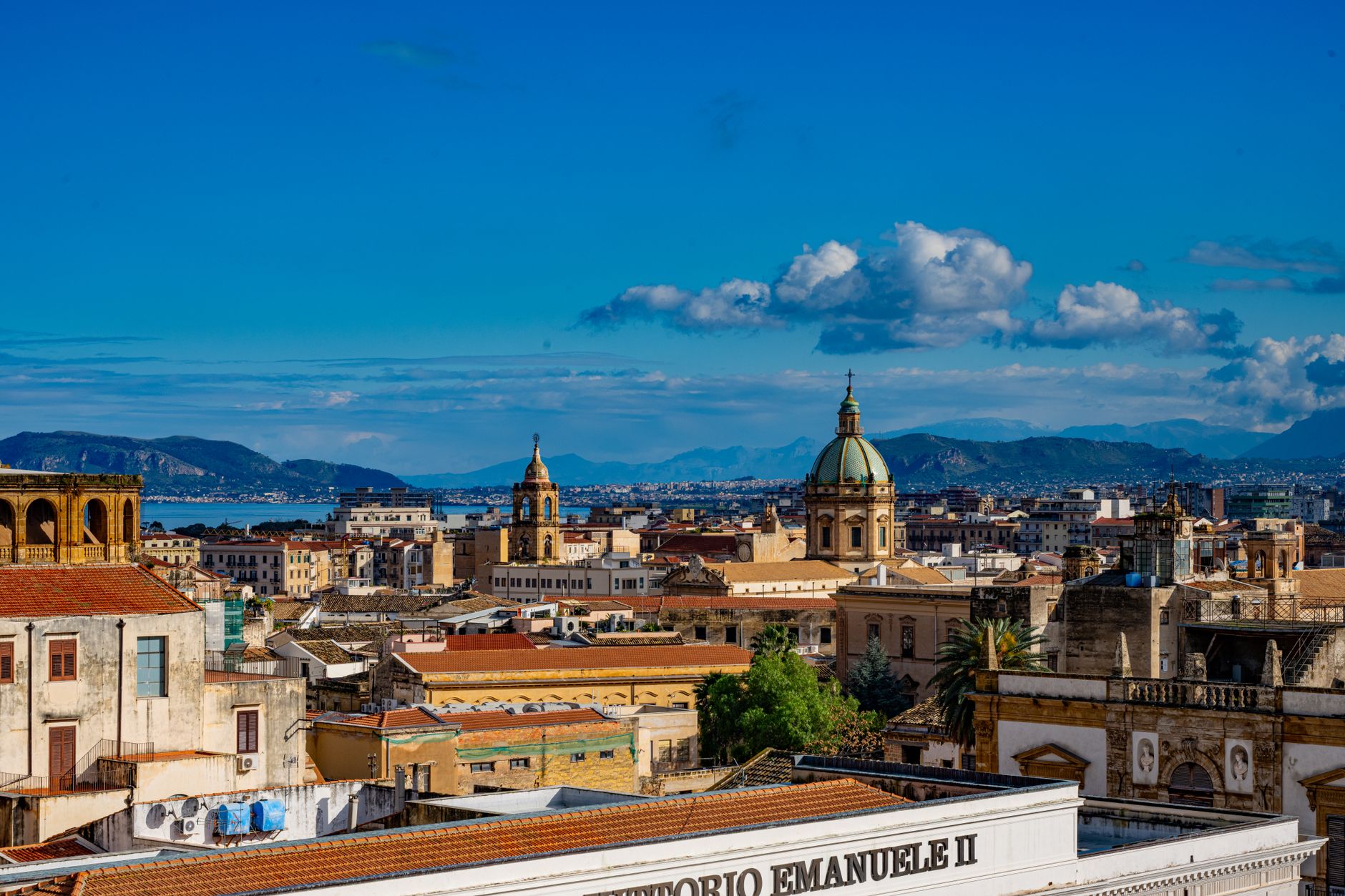

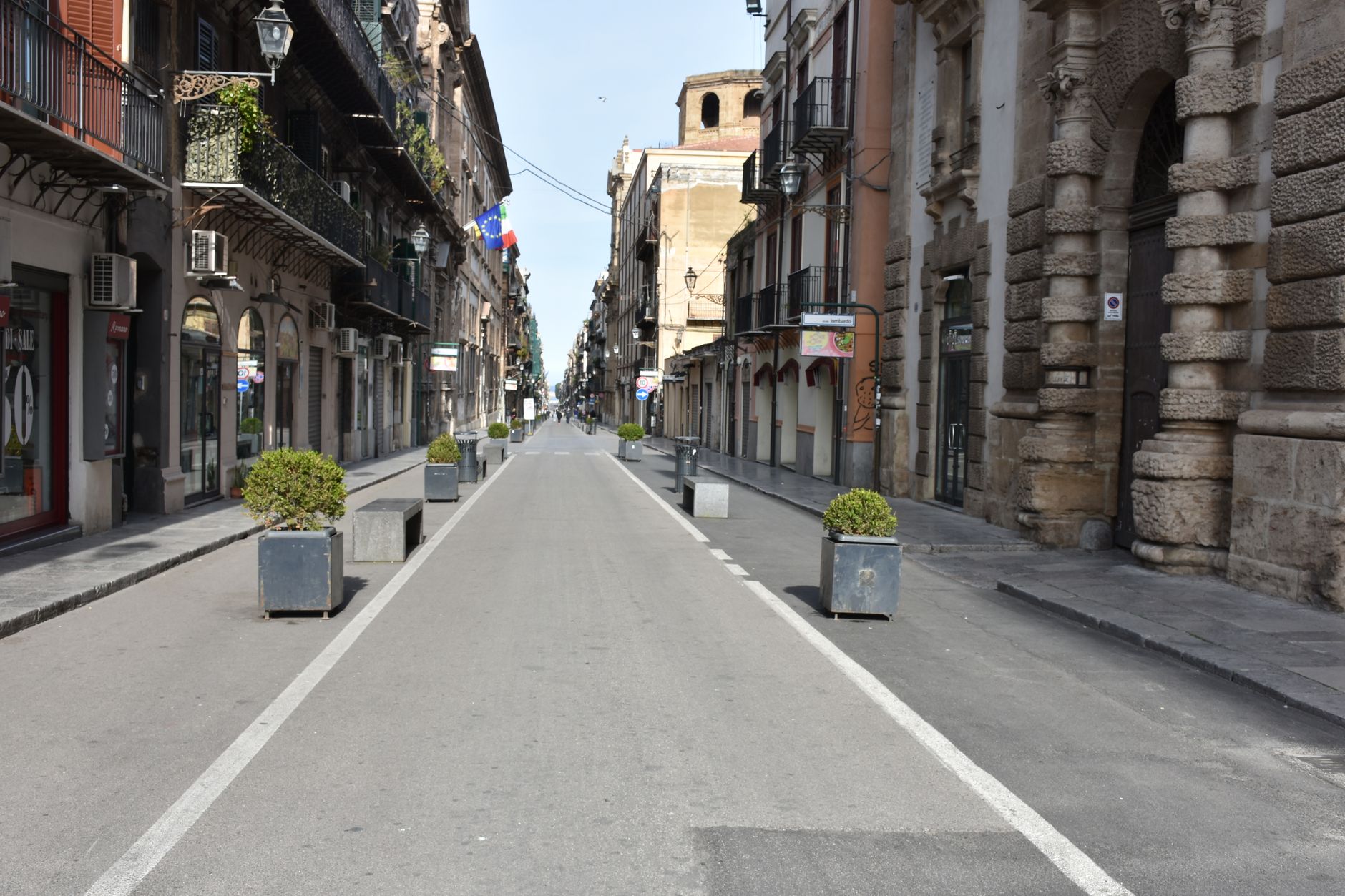
The morning begins with the roar of scooters carving past the crumbling Baroque facades of the Quattro Canti. Wedged between Mount Pellegrino and the Tyrrhenian sea, this former Arab-Norman capital runs entirely on street markets, frying oil, and proud tradition. You come here to walk the layered alleyways of Ballarò, dodge laundry hanging from iron balconies, and eat hot panelle straight out of brown butcher paper.
Last updated 28 Aug 2026
Build a Palermo itinerary.
Choose up to 4 threads that pull you in. Your plan arrives organised around them.
The Bed
Where to stay in Palermo
Which part of town to book, and what each one costs you in walking, noise or quiet.
The Comparison
Palermo, or somewhere near it
The places you are realistically choosing between, and the honest case for each.
The Local Record
Where to read more about Palermo
The blogs, boards, guides and operators worth bookmarking.
What to do in Palermo Sicily Italy
Palermo runs on a distinct rhythm dictated by market mornings, shaded afternoon strolls along the Corso, and late dinners in lively piazzas. The city suits travellers who prefer walking over taxi queues, rewarding those who explore the alleys between the Quattro Canti and the port. Spend your days tracing Norman mosaics, stopping for espresso at corner counters, and settling into trattorias where dinner unfolds at a sensible, leisurely pace.
24 hours in Palermo Sicily Italy
Start by 9:00 at the Cappella Palatina before tour groups arrive. Walk down Via Vittorio Emanuele for a lunch of arancini and panelle in the Capo market. Spend the afternoon admiring the quiet cloister of San Giovanni degli Eremiti, then finish with swordfish pasta and local Grillo wine near the harbour at La Cala as fishing boats tie up. Select 1 Day above to see it.
2 days in Palermo Sicily Italy
Devote day two to the aristocratic Kalsa district. Browse the galleries at Palazzo Butera, stroll the leafy Piazza Marina, and stop for ricotta cannoli at Santa Caterina. In the evening, head up to the hillside duomo of Monreale, a short bus ride away, to see its vast Byzantine mosaics before an unhurried dinner of grilled squid. Choose 2 Days to expand the plan.
3 days in Palermo Sicily Italy
A third day allows an easy fifty-minute train ride along the northern coast to Cefalù for a swim under the sea cliffs, or a morning climb up Monte Pellegrino to visit Santa Rosalia's cave shrine. Back in town, wind down with a late aperitivo in Piazza Olivella, watching the neighbourhood spill into the street.
Palermo Sicily Italy itineraries by interest
Street Food in Palermo Sicily Italy
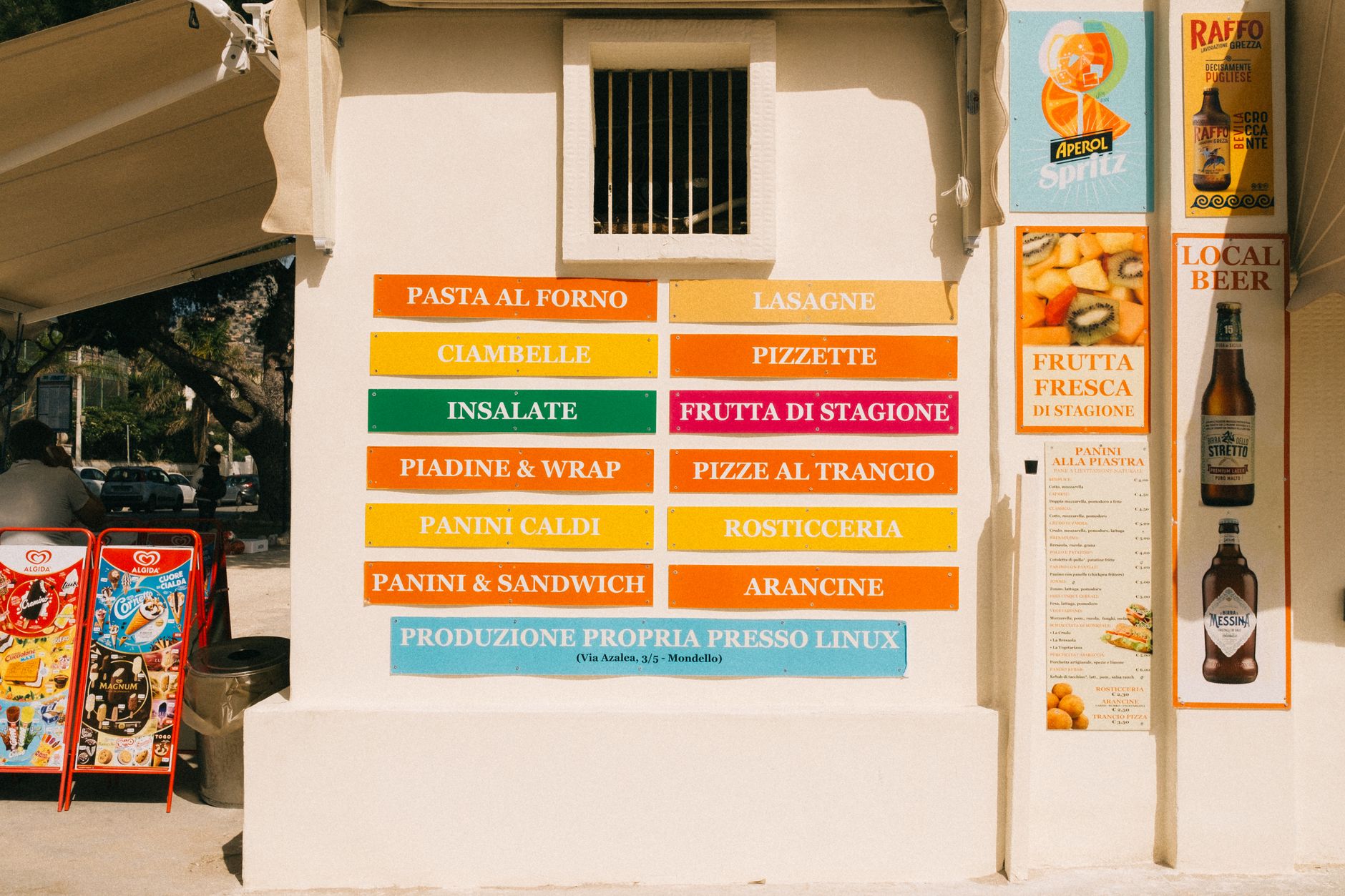
Order chickpea panelle, cazzilli potato croquettes, and spleen sandwiches with caciocavallo from vendors around Mercato del Capo and Ballarò.
Sacred Architecture in Palermo Sicily Italy
Look up at the golden Byzantine mosaics in the twelfth-century Cappella Palatina and the grand hybrid towers of the Cathedral on Via Vittorio Emanuele.
Local Markets in Palermo Sicily Italy
Weave past shouting fishmongers filleting fresh swordfish and stacks of salted capers in the open-air stalls of Ballarò and Vucciria.
Historic Pastries in Palermo Sicily Italy
Pick up sheep-milk ricotta cannoli and almond-paste Martorana fruit from I Segreti del Chiostro inside the convent of Santa Caterina.
Wine & Vineyards in Palermo Sicily Italy
Sip pours of mineral Grillo, Carricante, and bold Nero d'Avola paired with aged pecorino at traditional enoteche along Via Maqueda.
Local Seafood in Palermo Sicily Italy
Eat pasta con le sarde with wild fennel and pine nuts, grilled red prawns, and stewed octopus down at the fishing harbour of La Cala.
Palace Interiors in Palermo Sicily Italy
Step inside Palazzo Valguarnera-Gangi and the frescoed halls of Palazzo Butera, where private courtyards open to tiled sea terraces.
City Opera in Palermo Sicily Italy
Book an evening seat or an afternoon walking tour at the monumental nineteenth-century Teatro Massimo on Piazza Verdi for exceptional acoustics.
Coastal Day Trips in Palermo Sicily Italy
Catch the morning regional train to Cefalù to walk the medieval stone alleys and swim beside the dramatic Norman cathedral.
Catacombs & Crypts in Palermo Sicily Italy
Walk the cool corridors of the Catacombe dei Cappuccini on Piazza Cappuccini, where over a thousand preserved mummies line the lime walls.
Botanical Gardens in Palermo Sicily Italy
Wander under century-old Moreton Bay figs, bamboo groves, and citrus trees at the Orto Botanico near the Kalsa district.
Hillside Hikes in Palermo Sicily Italy
Trek the old pilgrim path up Monte Pellegrino to the sanctuary cave of Santa Rosalia for sweeping views across the Gulf of Palermo.