


Crossing the Ponte Umbertino onto the island of Ortigia feels like stepping onto a vast limestone raft. The fifth-century BC temple of Athena still props up the cathedral walls, while fishmongers shout prices over glistening piles of swordfish. It is an unhurried coastal city where ancient Greek drama and baroque stone sit alongside the morning catch, best navigated entirely on foot with an espresso in hand.
Last updated 28 Aug 2026
Build a Siracusa itinerary.
Choose up to 4 threads that pull you in. Your plan arrives organised around them.
The Bed
Where to stay in Siracusa
Which part of town to book, and what each one costs you in walking, noise or quiet.
The Comparison
Siracusa, or somewhere near it
The places you are realistically choosing between, and the honest case for each.
The Local Record
Where to read more about Siracusa
The blogs, boards, guides and operators worth bookmarking.
What to do in Siracusa Sicily Italy
Days here split neatly between the compact island of Ortigia and the mainland archaeological park. Mornings belong to the market fish stalls and quiet piazzas before tour groups arrive from Catania. Afternoon heat calls for shade by the freshwater spring at Fonte Aretusa or a swim off the rocks, followed by an evening passeggiata through limestone alleys where dinner starts late and proceeds without urgency.
24 hours in Siracusa Sicily Italy
Start by 8:30 at the Neapolis archaeological park to see the Greek theatre before the buses. Walk twenty minutes south to Ortigia for market panini and salted ricotta at noon. Spend the afternoon around Piazza Duomo, then watch the sunset from the Castello Maniace ramparts before a plate of pasta with sea urchin near the harbour. Select 1 Day above to see it.
2 days in Siracusa Sicily Italy
Day two opens up the Jewish quarter of Giudecca and the underground catacombs of San Giovanni. Rent a bicycle or take a ten-minute taxi across to the Plemmirio Marine Protected Area for rocky coves and clear snorkelling, then return for grilled calamari and Nero d'Avola in a quiet courtyard off Via Maestranza. Choose 2 Days to expand the plan.
3 days in Siracusa Sicily Italy
With three days, head inland. A thirty-minute train ride brings you to the honeyed stone palaces and granita of Noto, or rent a car for the limestone gorges of the Riserva Naturale Cavagrande del Cassibile. Return to Ortigia for a slower evening listening to the water lap against the Lungomare Alfeo promenade.
Siracusa Sicily Italy itineraries by interest
Ancient Ruins in Siracusa Sicily Italy
Walk the fifth-century BC Greek theatre in Neapolis and stand inside the Ear of Dionysius quarry, where acoustic echoes carry every whisper.
Local Seafood in Siracusa Sicily Italy
Order spatola rolled with breadcrumbs, grilled spada with capers, or pasta con le sarde at family-run trattorias off Via Cavour.
Markets & Produce in Siracusa Sicily Italy
Visit the Mercato di Ortigia by 8:00 for salted ricotta, Pachino tomatoes, cured tuna bottarga, and thick sandwiches from Caseificio Borderi.
Sacred Architecture in Siracusa Sicily Italy
Step inside the Duomo di Siracusa to see ancient Doric temple columns embedded directly into seventh-century Norman and baroque stonework.
Coastal Walks in Siracusa Sicily Italy
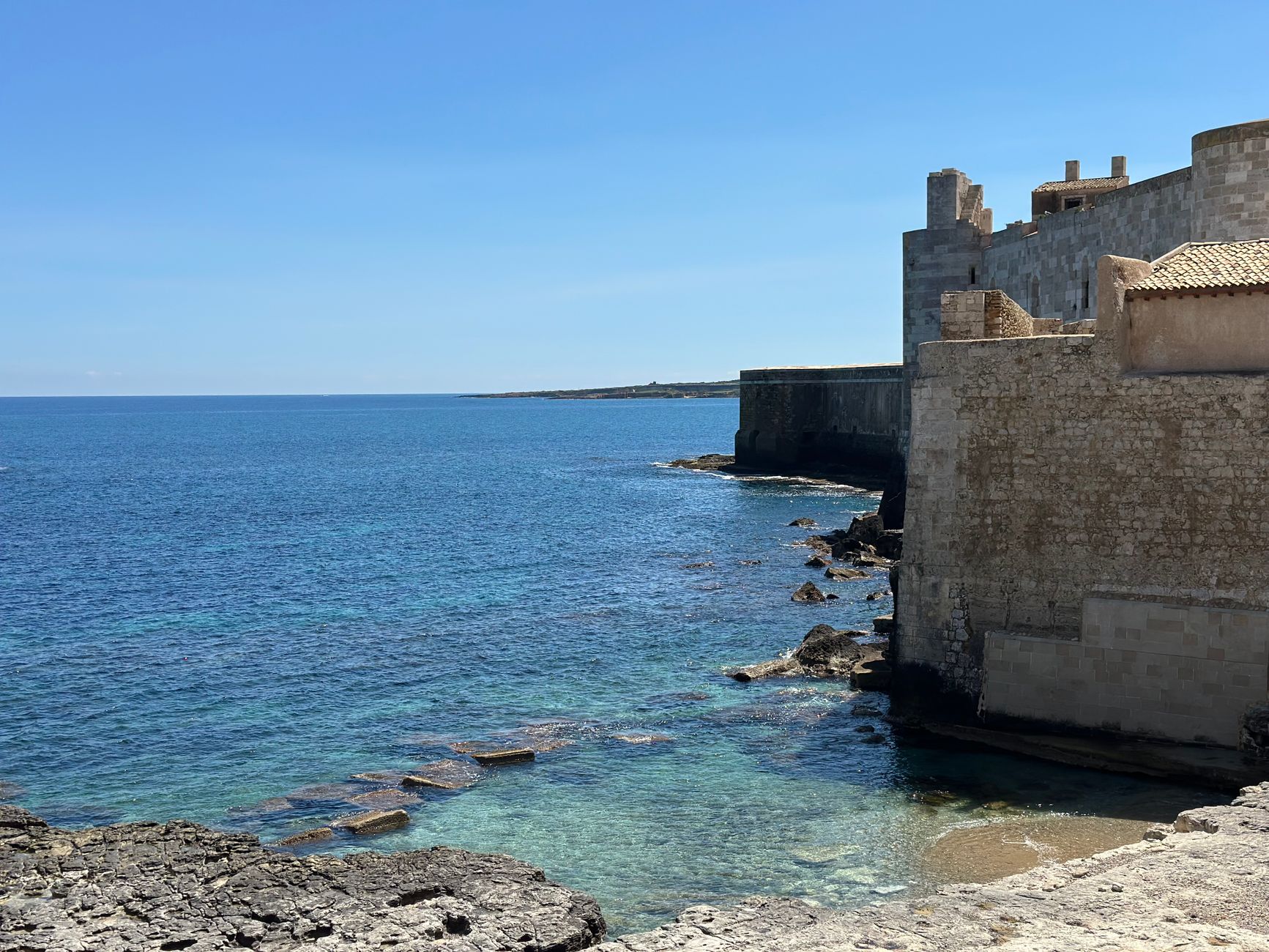
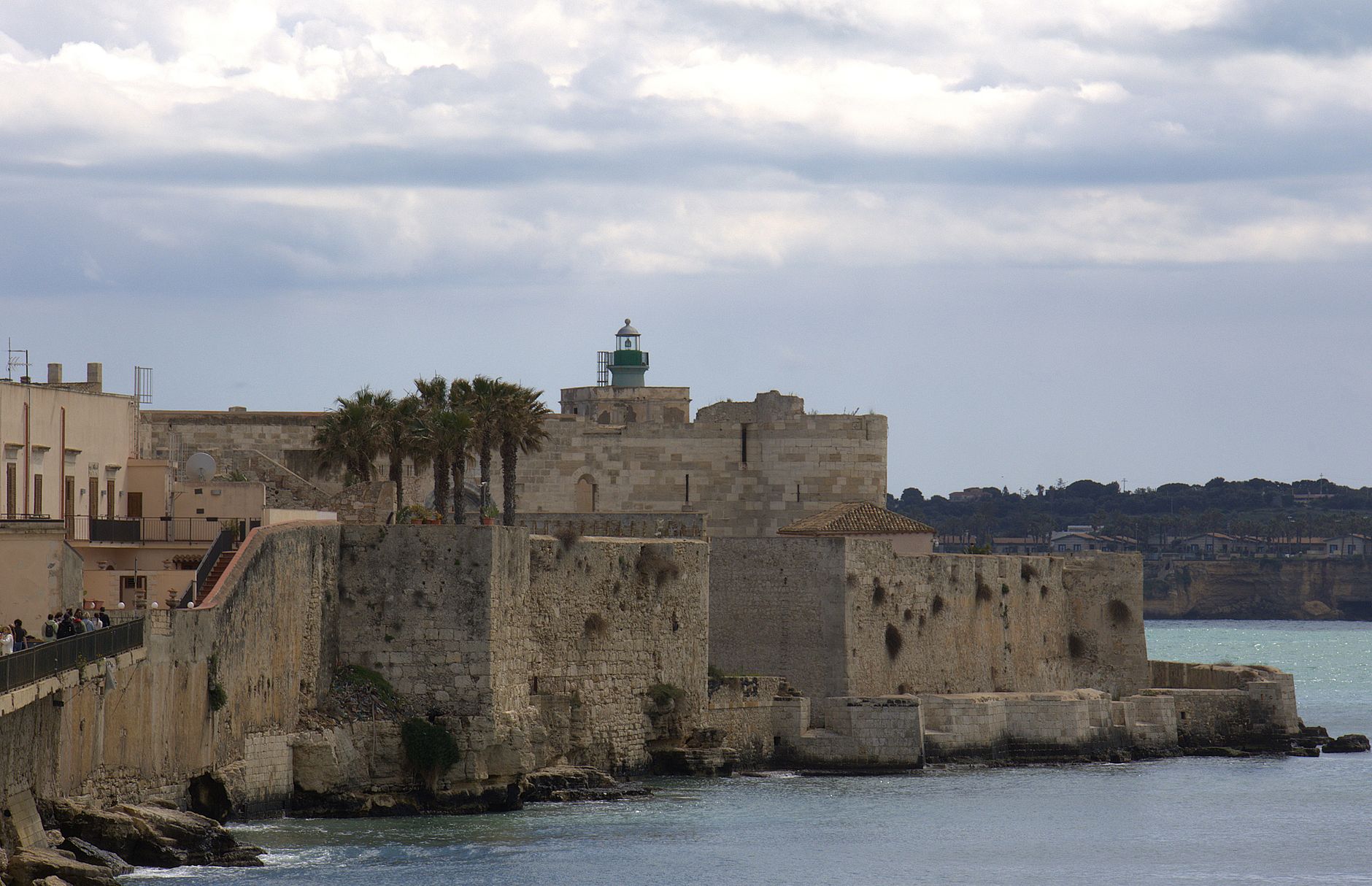
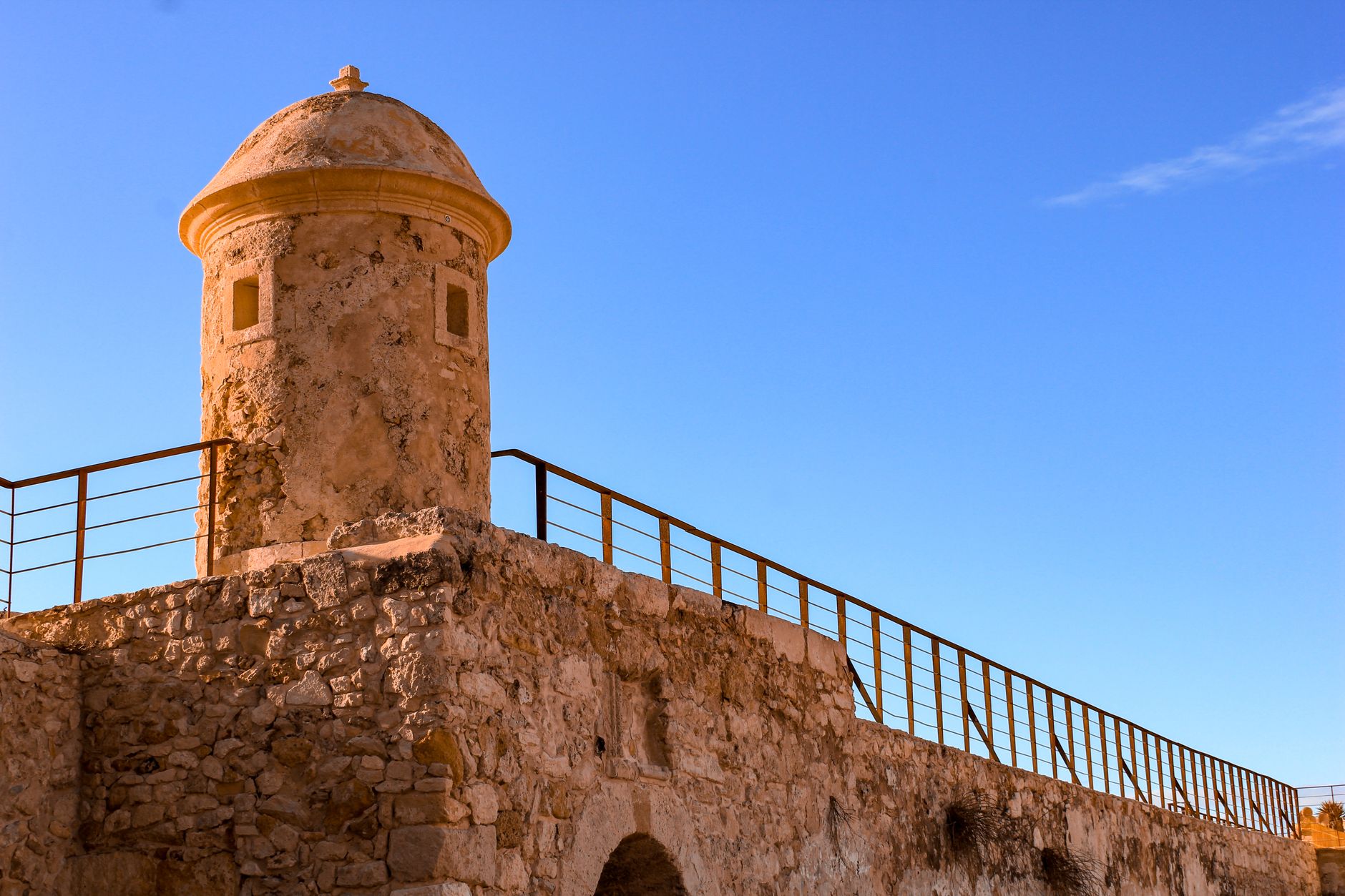
Follow the lungomare perimeter of Ortigia from the Fonte Aretusa spring to the rugged thirteenth-century fortifications of Castello Maniace.
Wine & Vineyards in Siracusa Sicily Italy
Drink dry Nero d'Avola and fragrant Moscato di Siracusa alongside local caciocavallo cheese in cellar wine bars along Via Roma.
Street Food in Siracusa Sicily Italy
Grab warm arancini stuffed with ragù or pistachio, then finish with almond granita and a brioche col tuppo at pasticcerias near Piazza Archimede.
Art & History in Siracusa Sicily Italy
View Caravaggio's 1608 masterpiece The Burial of Saint Lucy hanging inside the church of Santa Lucia alla Badia on Piazza Duomo.
Day Trips in Siracusa Sicily Italy
Catch the thirty-minute regional train south to the honey-coloured baroque facades and almond pastries of Noto.
Craft Traditions in Siracusa Sicily Italy
Watch traditional Sicilian marionettes battle in hand-carved medieval dramas at the Teatro dei Pupi run by the Mauceri family.
Boat Excursions in Siracusa Sicily Italy
Board small motorboats from the Porto Grande to explore the marine sea caves and limestone arches around the Plemmirio coast.
Swimming & Beaches in Siracusa Sicily Italy
Descend the wooden sun platforms along Ortigia's Forte Vigliena or drive twenty minutes south to the pale sand at Arenella.