Ourika.


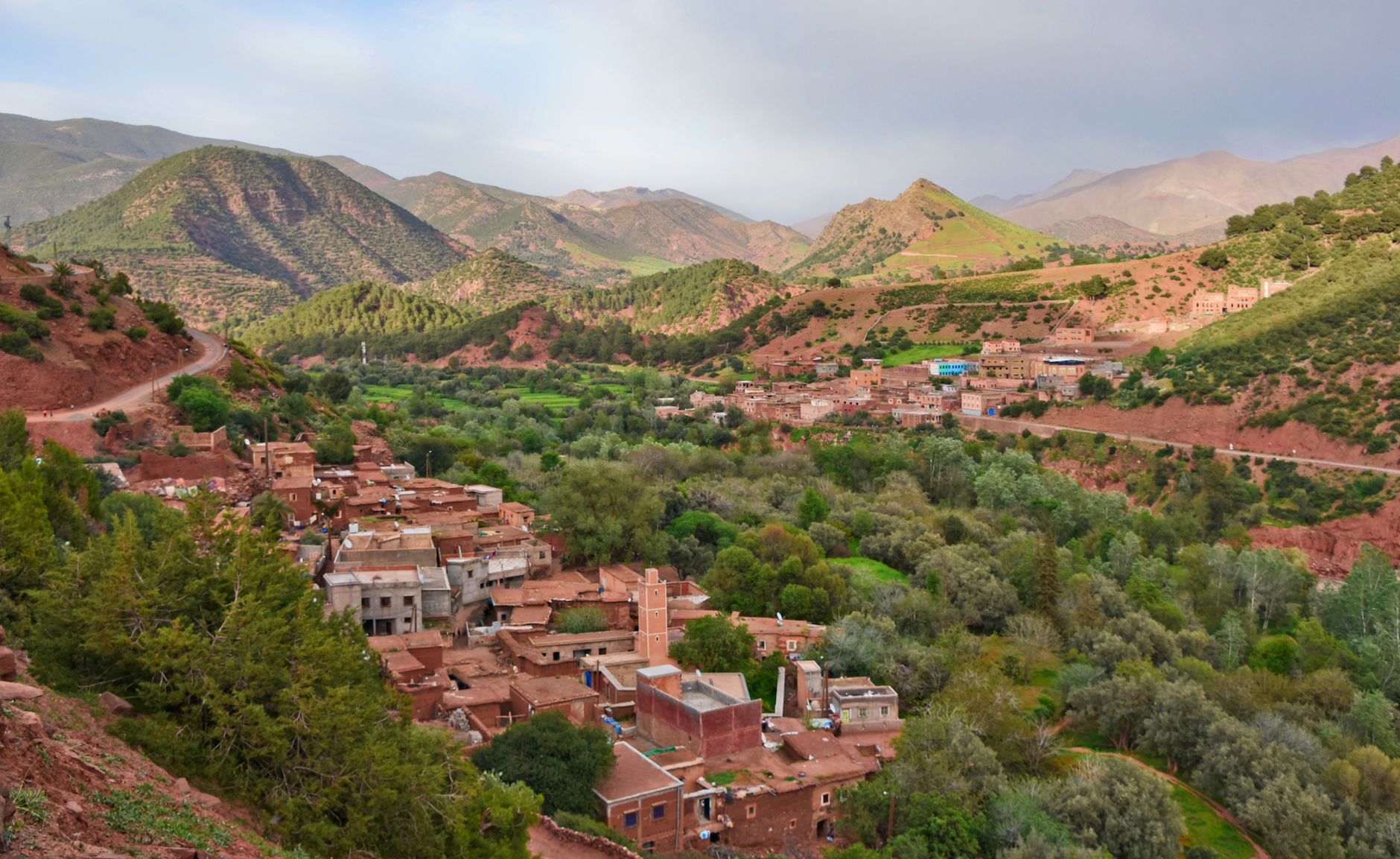


Ourika sits forty-five kilometres south of Marrakech, an hour by car up the P2017 into the High Atlas foothills. The valley is built around its snowmelt river, Monday market, and trailheads at Setti Fatma. Ourika is worth visiting if you want mountain air, terraced walnut groves, and slow clay-pot tagines eaten with your feet cooled in running water. Look elsewhere if you want refined urban dining, historic museums, or a resort town without roadside commerce.
Last updated 8 Nov 2026
Build a Ourika itinerary.
Choose up to 4 threads that pull you in. Your plan arrives organised around them.
The Bed
Where to stay in Ourika
Which part of town to book, and what each one costs you in walking, noise or quiet.
The Comparison
Ourika, or somewhere near it
The places you are realistically choosing between, and the honest case for each.
The Local Record
Where to read more about Ourika
The blogs, boards, guides and operators worth bookmarking.
What to do in Ourika Marrakech-Safi Morocco
Ourika stretches along the riverbed beneath the High Atlas peaks, trading the heat of the plains for running snowmelt and orchard shade. Days here revolve around morning trail climbs at Setti Fatma, browsing medicinal herbs at Douar el Haddad, and taking long, unhurried lunches at riverbank tables. It suits travellers who prefer sturdy walking shoes and mountain air over palace tours.
24 hours in Ourika Marrakech-Safi Morocco
Start early from Marrakech along the P2017 to beat the tour buses. Scramble the red-rock trail to Setti Fatma’s lower waterfalls by ten, then descend for a lamb and prune tagine served river-level in Aghbalou. Stop at a roadside pottery stall before heading back by late afternoon. Select 1 Day above to see it.
2 days in Ourika Marrakech-Safi Morocco
A second day lets you browse the chaotic Monday livestock souk at Tnine Ourika, where valley farmers trade spices and pack mules. Spend the afternoon exploring the Jardin Bio-Aromatique near Douar el Haddad, dining on freshly baked stone-oven tafarnout dipped in rich mountain amlou. Choose 2 Days to expand the plan.
3 days in Ourika Marrakech-Safi Morocco
With three days, venture past the valley head up the winding pass to the ski station and Bronze Age rock carvings of Oukaïmeden. Alternatively, hire a local guide for an all-day trek through the quiet walnut terraces and mud-brick hamlets of the Timichi gorge.
Ourika Marrakech-Safi Morocco itineraries by interest
Mountain Trails in Ourika Marrakech-Safi Morocco
Hike past the seven waterfalls of Setti Fatma, scrambling granite boulders and pine slopes with a local village guide up to high valley viewpoints.
Local Markets in Ourika Marrakech-Safi Morocco
Visit Tnine Ourika on Mondays for Berber trading, where farmers tether donkeys, barter valley walnuts, and buy hand-forged tools and fresh cumin.
Clay Oven Cooking in Ourika Marrakech-Safi Morocco
Eat tender mountain lamb tagines simmered over charcoal braziers with prunes, saffron, and wild thyme at rough-hewn wooden tables by the river.
Herbal Traditions in Ourika Marrakech-Safi Morocco
Tour the bio-aromatic gardens in Douar el Haddad to learn traditional distillation of verbena, rosemary, and rosewater used in local remedies.
Textile Crafts in Ourika Marrakech-Safi Morocco
Watch village women knot thick woollen Boucherouite and Taznakht rugs on upright wooden looms at community cooperatives along the valley road.
Village Life in Ourika Marrakech-Safi Morocco
Walk the dirt footpaths of Aghbalou and Asguine among adobe mud-brick houses, irrigated walnut terraces, and communal bread ovens.
Riverside Dining in Ourika Marrakech-Safi Morocco
Sit on plastic chairs set directly inside the shallow Ourika River while cooks grill spiced kefta skewers and serve round loaves of khobz.
Alpine Excursions in Ourika Marrakech-Safi Morocco
Climb the winding mountain road to Oukaïmeden at 2,600 metres for prehistoric rock art carvings, winter ski trails, and broad High Atlas peaks.
Farming & Agriculture in Ourika Marrakech-Safi Morocco
See ancient stone irrigation channels nourishing olive groves, almond trees, and saffron crocus bulbs in the terraced village of Timalizene.
Pottery & Stonework in Ourika Marrakech-Safi Morocco
Watch potters throw terracotta water jugs, cooking tagines, and decorative glazed tiles at roadside workshops near the lower river crossing.
Bread & Baking in Ourika Marrakech-Safi Morocco
Tear into warm tafarnout bread baked on hot river stones, dipping it into wild mountain honey, rich argan oil, and crushed almond amlou paste.
Day Walks in Ourika Marrakech-Safi Morocco
Follow quiet irrigation canals through the Timichi valley, passing cherry orchards, stone bridges, and remote shepherd hamlets below the snowline.