Pauillac.

.jpg)


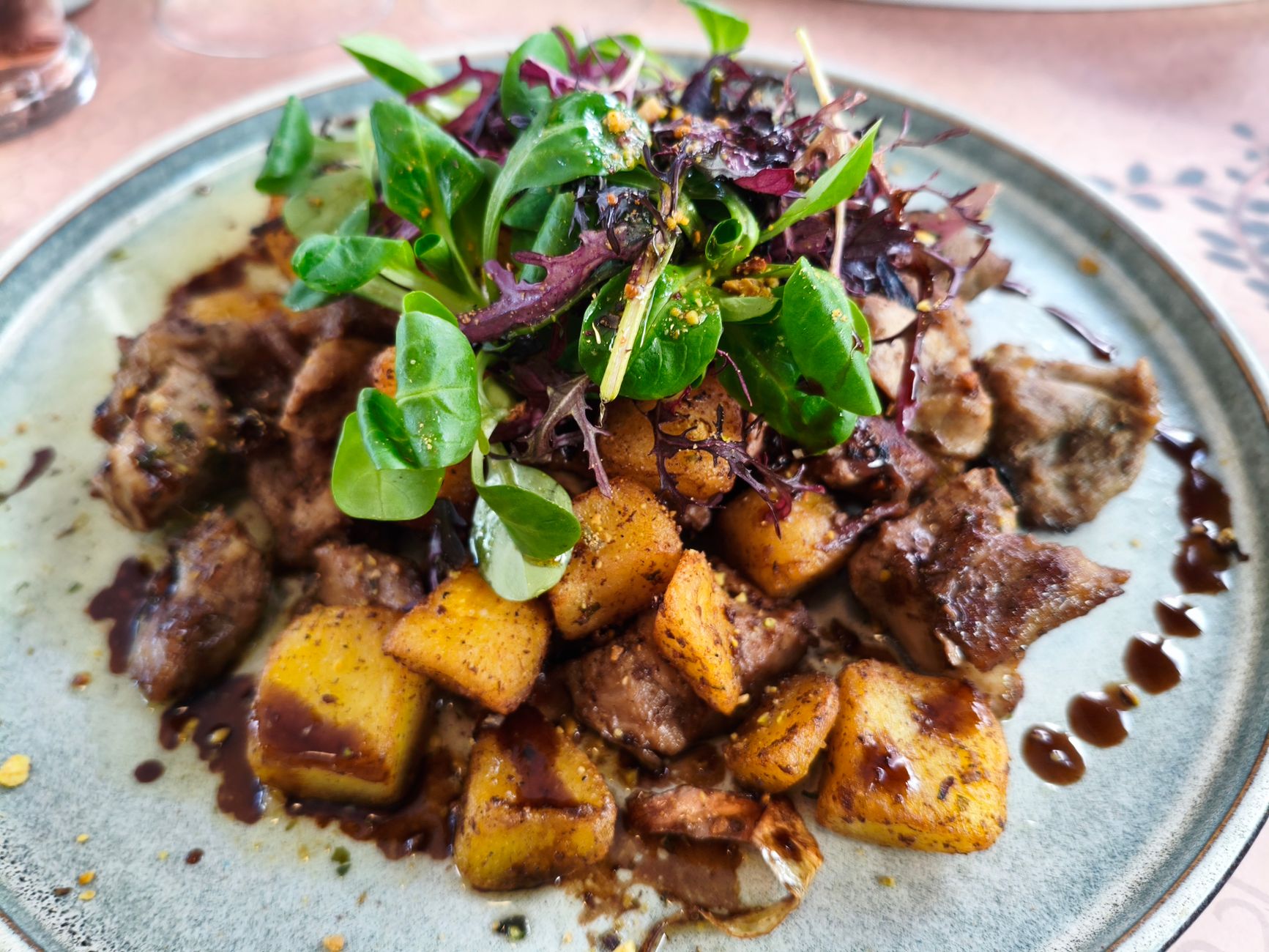

Sitting 50 kilometres north of Bordeaux, Pauillac takes roughly an hour by car or regional TER train from Gare Saint-Jean. It is the working hub of the Haut-Médoc, known worldwide for top-tier Cabernet Sauvignon estates like Château Latour and Château Lafite Rothschild, alongside the Gironde estuary harbour. Pauillac is worth visiting if you want to taste world-class red wines at the cellar door and explore an unpretentious estuary port. Look elsewhere if you want lively nightlife, a postcard-pretty historic centre, sandy beaches, or sights that do not require pre-booked wine tastings.
Last updated 13 Sept 2026
Build a Pauillac itinerary.
Choose up to 4 threads that pull you in. Your plan arrives organised around them.
The Bed
Where to stay in Pauillac
Which part of town to book, and what each one costs you in walking, noise or quiet.
The Comparison
Pauillac, or somewhere near it
The places you are realistically choosing between, and the honest case for each.
The Local Record
Where to read more about Pauillac
The blogs, boards, guides and operators worth bookmarking.
What to do in Pauillac Nouvelle-Aquitaine France
Pauillac is a salt-aired river town that runs parallel to the wide Gironde. Life here revolves around two speeds: the precise, hushed glamour of famous wine estates outside town and the unhurried routine of locals along Quai Albert Pichon. It suits wine enthusiasts who want serious cellar tastings without coach tours, and travellers who appreciate plain-spoken riverfront dining.
24 hours in Pauillac Nouvelle-Aquitaine France
Start with an espresso on Place du Maréchal Foch before a morning tasting at Château Lynch-Bages. Lunch on Pauillac milk-fed lamb at Café Lavinal in the village of Bages. Spend your afternoon walking the Gironde quayside watching estuary tides, finishing with a glass of Médoc red at an unvarnished waterfront brasserie. Select 1 Day above to see it.
2 days in Pauillac Nouvelle-Aquitaine France
Day two takes you out onto the D2 Route des Châteaux toward Saint-Julien and Saint-Estèphe. Rent a bicycle to cruise past vineyard stone walls, stop for a plate of estuary prawns or lamprey at a village auberge, and end the evening exploring the quiet backlanes behind Église Saint-Martin. Choose 2 Days to expand the plan.
3 days in Pauillac Nouvelle-Aquitaine France
A third day allows for a boat excursion across the Gironde to see Vauban's Fort Médoc and the wild estuary islands. Afterwards, drive out to the Atlantic pine forests and empty coast around Hourtin, returning to Pauillac for fresh oysters and noisettines du Médoc before the sun sets over the gravel banks.
Pauillac Nouvelle-Aquitaine France itineraries by interest
Wine & Vineyards in Pauillac Nouvelle-Aquitaine France
Tour 1855 classification titans like Château Latour, Lafite Rothschild, and Lynch-Bages to taste structured Cabernet Sauvignon grown on gravel mounds.
Local Seafood in Pauillac Nouvelle-Aquitaine France
Sample Gironde estuary oysters, pan-fried eels with garlic, and lamprey stewed in red wine sauce at quayside bistros along Quai Albert Pichon.
Regional Meat in Pauillac Nouvelle-Aquitaine France
Taste Agneau de Pauillac, salt-meadow lamb reared under mother's milk and roasted with rosemary, a staple served in classic Médoc auberges.
Maritime History in Pauillac Nouvelle-Aquitaine France
Inspect the 19th-century river quays where oak wine casks were loaded onto schooners bound for England, and visit the Maison du Tourisme et du Vin.
Cycling Routes in Pauillac Nouvelle-Aquitaine France
Pedal the D2 Route des Châteaux past stone portals and gravel vineyards on flat, signposted tarmac lanes connecting Pauillac to Saint-Julien.
Estuary Cruises in Pauillac Nouvelle-Aquitaine France
Board a river ferry from the marina to cruise past the Médoc islands, old fishing carrelets, and the Fort Médoc fortress on the riverbanks.
Markets & Produce in Pauillac Nouvelle-Aquitaine France
Shop the Saturday morning market on Place du Maréchal Foch for local cèpes, sheep's milk cheese, and noisettines du Médoc roasted in copper pans.
Architecture in Pauillac Nouvelle-Aquitaine France
Observe the blend of grandiose 19th-century châteaux facades and unadorned stone houses of dock workers along Rue Paul Doumer.
Sacred Architecture in Pauillac Nouvelle-Aquitaine France
Visit Église Saint-Martin, rebuilt in the neoclassical style in the 1820s, featuring a stately facade and an interior dedicated to sea travellers.
Day Trips in Pauillac Nouvelle-Aquitaine France
Drive fifteen minutes north to the ornate turrets of Saint-Estèphe, or south to Fort Médoc, Vauban's 17th-century riverside bastion.
Walking & Hiking in Pauillac Nouvelle-Aquitaine France
Follow marked footpaths along the tidal Gironde shoreline and through the Bages hamlet to see stilt-supported fishing cabins known as carrelets.
Pastry & Confectionery in Pauillac Nouvelle-Aquitaine France
Pick up noisettines du Médoc, crisp caramelised hazelnuts scented with vanilla, created in Pauillac and made using copper cauldrons.