


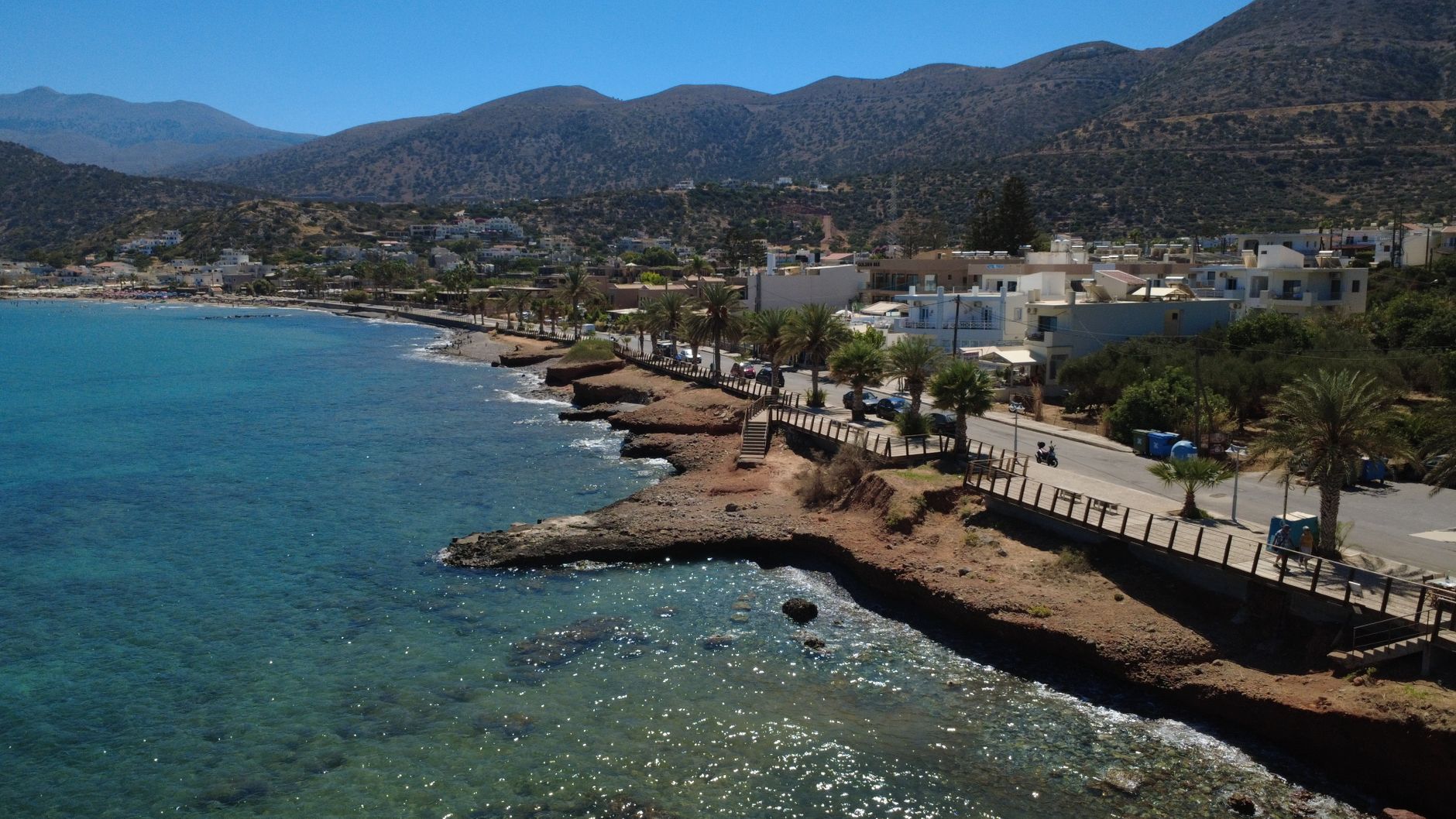
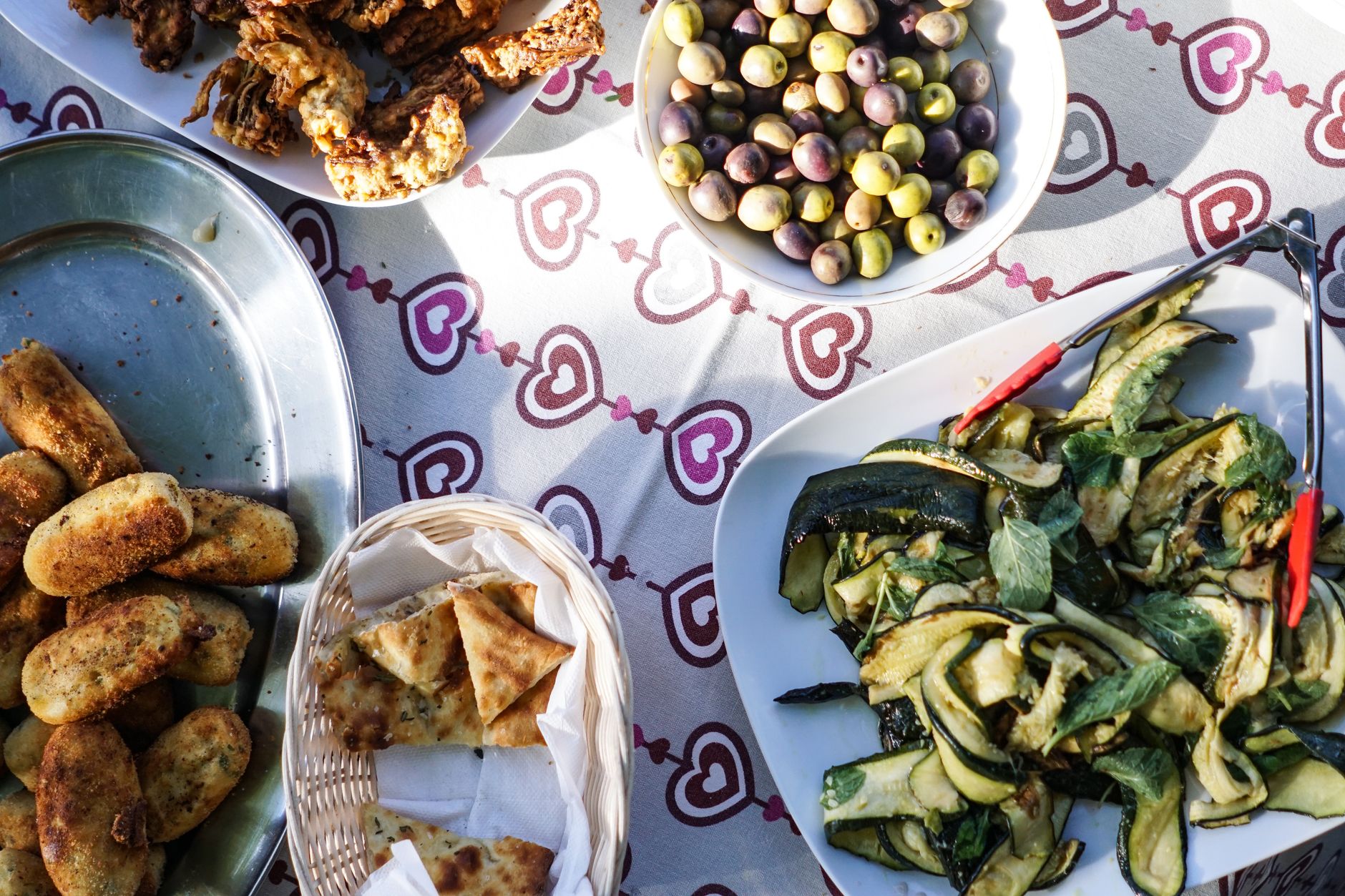

Sitia lies two hours east of Heraklion by car, anchoring the quiet far corner of Crete where tour buses rarely venture. The town is built around a wide crescent bay, known for cold raki served with small plates of snails and goat cheese, and centuries of olive cultivation across the surrounding hills. Sitia is worth visiting if you want unvarnished harbour tavernas, dry mountain drives, and uncrowded Minoan ruins. Look elsewhere if you want high-energy nightlife, resort amenities, or polished shopping streets.
Last updated 22 Oct 2026
Build a Sitia itinerary.
Choose up to 4 threads that pull you in. Your plan arrives organised around them.
The Bed
Where to stay in Sitia
Which part of town to book, and what each one costs you in walking, noise or quiet.
The Comparison
Sitia, or somewhere near it
The places you are realistically choosing between, and the honest case for each.
The Local Record
Where to read more about Sitia
The blogs, boards, guides and operators worth bookmarking.
What to do in Sitia Crete Greece
Sitia tiers upward from a curving harbour to its Venetian fortress, giving the town a walkable, amphitheatrical shape. Daily life moves along the waterfront promenade, where afternoon coffee stretches into evening carafes of raki and small plates. It suits independent drivers, hikers, and slow travellers who value authentic Cretan hospitality over resort spectacles.
24 hours in Sitia Crete Greece
Start at the Archaeological Museum on the edge of town, then walk up to the Kazarma fortress for broad bay views. Lunch on braised snails and fresh cheese pies along Stratigou Karaviti street. Spend the late afternoon swimming at the town beach before settling into a harbour rakadiko for grilled octopus and local white wine. Select 1 Day above to see it.
2 days in Sitia Crete Greece
Drive twenty minutes northeast to the fortified 15th-century Toplou Monastery for wine tasting, then continue to the palm forest beach at Vai. Return through Palekastro for a late lunch of wild greens and roast lamb, spending your second evening lingering over dessert and tsikoudia on Sitia's pedestrianised waterfront. Choose 2 Days to expand the plan.
3 days in Sitia Crete Greece
A third day allows an expedition south to the remote Minoan palace at Kato Zakros, followed by an appetite-building walk through the Gorge of the Dead. Finish with ultra-fresh red mullet at a waterside taverna in Xerokampos, where the Libyan Sea laps against empty salt flats and quiet limestone coves.
Sitia Crete Greece itineraries by interest
Local Seafood in Sitia Crete Greece
Grilled red mullet, octopus braised in wine, and fresh cuttlefish ink risotto served beside the fishing boats along Venizelou promenade.
Wine & Spirits in Sitia Crete Greece
Sip herbal tsikoudia with meze or taste PDO Sitia reds made from local Liatiko grapes at family cellars across the hillside vineyards.
Sacred Architecture in Sitia Crete Greece
Explore 15th-century Toplou Monastery, home to fortress walls, historic resistance relics, and an exceptional Byzantine icon museum.
Archaeology in Sitia Crete Greece
Visit the Minoan palace ruins at Petras and Kato Zakros, displaying uncrowded stone courtyards and four-thousand-year-old press installations.
Fortresses in Sitia Crete Greece
Climb the tiered steps of Kazarma, the 13th-century Venetian citadel overlooking Sitia bay, especially pleasant in the late afternoon breeze.
Beaches in Sitia Crete Greece
Swim the calm waters of Sitia town beach or make the 25-minute drive east to the natural Phoenix theophrasti palm grove at Vai.
Hiking in Sitia Crete Greece
Trek through the dramatic Richtis Gorge to its hidden jungle waterfall, or tackle the rocky scrub trails of the Sitia UNESCO Geopark.
Mountain Villages in Sitia Crete Greece
Drive up to Handras and Voila to wander among deserted stone Venetian towers, spring fountains, and quiet kafenions serving mountain tea.
Olive Oil in Sitia Crete Greece
Sample peppery extra virgin oil pressed from Koroneiki olives at rural cooperatives and hillside groves across the Sitia plateau.
Pastries & Sweets in Sitia Crete Greece
Seek out traditional kaltsounia stuffed with sweet mizithra cheese and baked xerotigana dough spirals drizzled with local thyme honey.
Regional Casseroles in Sitia Crete Greece
Order slow-cooked goat with wild stamnagathi greens, stifado rabbit, and chochlioi boubouristoi snails popped straight from the skillet.
Coastal Drives in Sitia Crete Greece
Wind along the eastern cliffs past Kouremenos Bay toward Palekastro, stopping at wind-sculpted coves and remote seaside fish tavernas.