



Sougia sits on Crete's south coast, a winding two-hour drive south of Chania through the White Mountains. The village is known for its wide grey pebble beach on the Libyan Sea and its trailhead access to rugged coastal gorges. Sougia is worth visiting if you want unhurried days eating grilled fish under tamarisk trees and walking the cliff path to the ruins of ancient Lissos. Look elsewhere if you need resort amenities, sandy shallows, organised beach clubs, or nightlife beyond a quiet carafe of raki.
Last updated 19 Oct 2026
Build a Sougia itinerary.
Choose up to 4 threads that pull you in. Your plan arrives organised around them.
The Bed
Where to stay in Sougia
Which part of town to book, and what each one costs you in walking, noise or quiet.
The Comparison
Sougia, or somewhere near it
The places you are realistically choosing between, and the honest case for each.
The Local Record
Where to read more about Sougia
The blogs, boards, guides and operators worth bookmarking.
What to do in Sougia Crete Greece
Sougia is essentially one seaside lane backed by modest rooms, a line of tamarisk trees, and a vast pebble beach that never feels crowded. The rhythm here is delightfully simple: morning walks into the surrounding gorges, long swims in deep, cool water, and afternoon naps before settling into a taverna chair. It suits independent walkers, solo readers, and travellers who prefer a quiet meal over a resort schedule.
24 hours in Sougia Crete Greece
Start with an early morning ninety-minute hike along the E4 path to the mosaic floors of ancient Lissos. Return for a swim off the central beach and lunch on grilled octopus at Taverna Galini. Finish the evening watching the sun dip over the Libyan Sea with a carafe of village wine and baked goat. Select 1 Day above to see it.
2 days in Sougia Crete Greece
A second day opens up the Agia Irini Gorge. Take the early local bus up to the trailhead at Epanochori and spend three easy hours walking down through the pine-scented canyon back to the sea. Reward the effort with sfakianopita cheese pies drizzled in thyme honey at an open-air table. Choose 2 Days to expand the plan.
3 days in Sougia Crete Greece
Three days let you catch the morning ferry east to Agia Roumeli or Paleochora without checking your watch. Spend an afternoon exploring the hilltop Byzantine chapel above Moni village, followed by a quiet dinner of wild mountain greens and fresh sargo down along the harbour front.
Sougia Crete Greece itineraries by interest
Local Seafood in Sougia Crete Greece
Tavernas along the waterfront grill fresh sargo, sea bream, and squid delivered daily by local skiffs, dressed simply in wild oregano and lemon.
Coastal Walks in Sougia Crete Greece
Follow the marked E4 trail west over the rocky headland to the quiet cove and ruined Roman baths of ancient Lissos in under two hours.
Gorge Hiking in Sougia Crete Greece
Tackle the shaded Agia Irini Gorge trail, descending seven kilometres through pine woods and steep limestone walls right down to the sea.
Beaches in Sougia Crete Greece
The broad bay of smooth grey pebbles offers clear Libyan Sea waters, natural shade beneath tamarisk trees, and uncrowded eastern coves.
Traditional Tavernas in Sougia Crete Greece
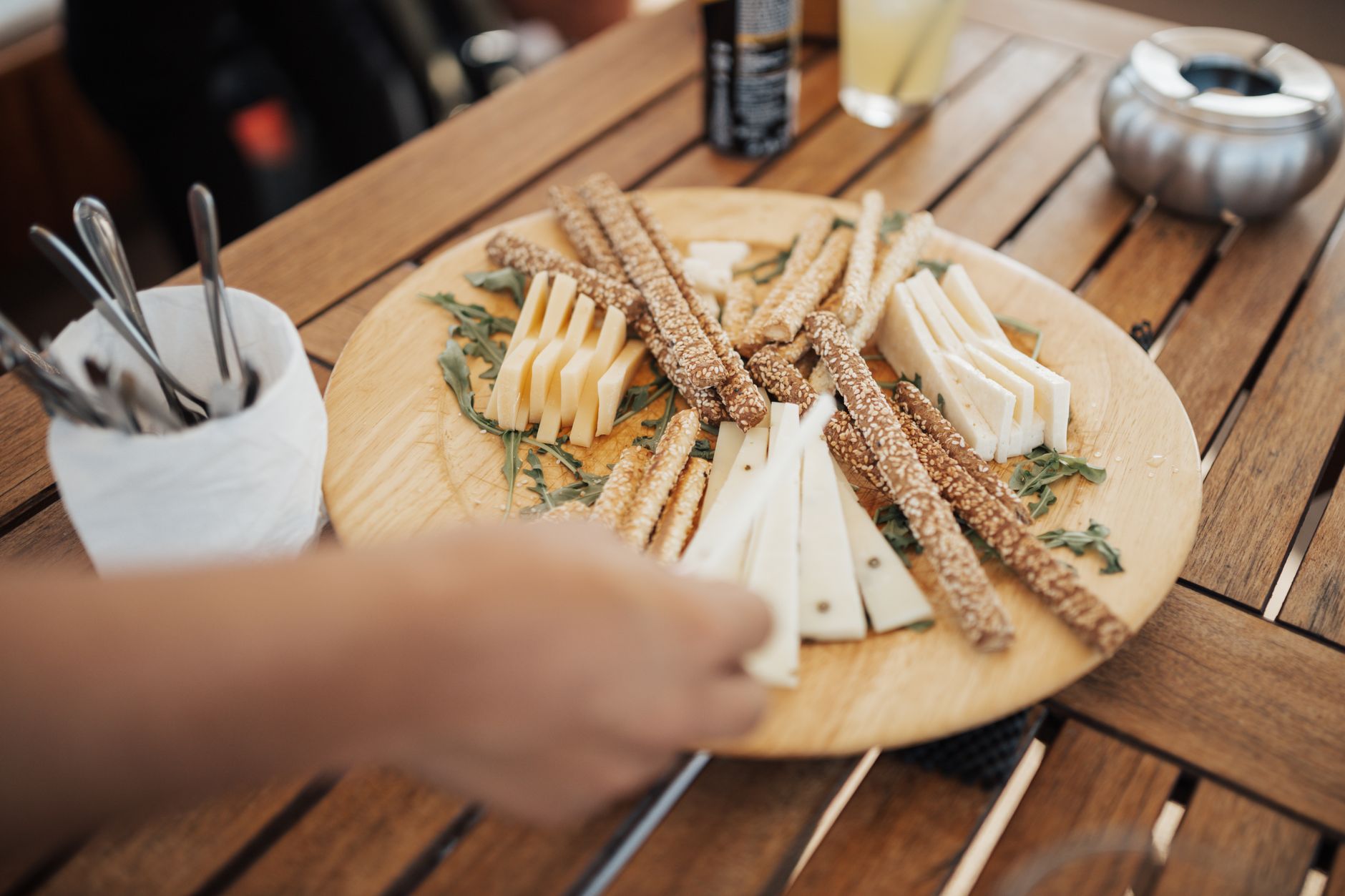
Family-run kitchens serve slow-braised mountain goat with stamnagathi, dakos barley rusks, and homemade kalitsounia pies filled with mizithra.
Ancient Ruins in Sougia Crete Greece
Hike to isolated Lissos to view the third-century BC temple of Asklepios, complete with its intact mosaic floor and natural healing spring.
Local Drinks in Sougia Crete Greece
Evenings finish with chilled tsikoudia raki, served alongside watermelon, and local dry white wines made from the native Vidiano grape.
Boat Excursions in Sougia Crete Greece
Small passenger ferries connect daily to Agia Roumeli at the foot of Samaria Gorge, the quiet village of Loutro, and Paleochora.
Regional Produce in Sougia Crete Greece
Taste aromatic thyme honey, peppery extra virgin olive oil pressed in nearby Selino villages, and aged graviera cheese paired with bread.
Sacred Architecture in Sougia Crete Greece
Climb the short path to the whitewashed chapel of Saint Irene, or seek out the Byzantine frescoes inside small hillside stone chapels.
Foraged Foods in Sougia Crete Greece
Seasonal menus feature wild horta greens gathered from mountain slopes, boiled and doused in fresh lemon, alongside pickled wild caper leaves.
Scenic Drives in Sougia Crete Greece
The mountain route from Chania crosses the high Omalos plateau and snakes through olive groves with sweeping vistas down to the Libyan Sea.