Tafraoute.


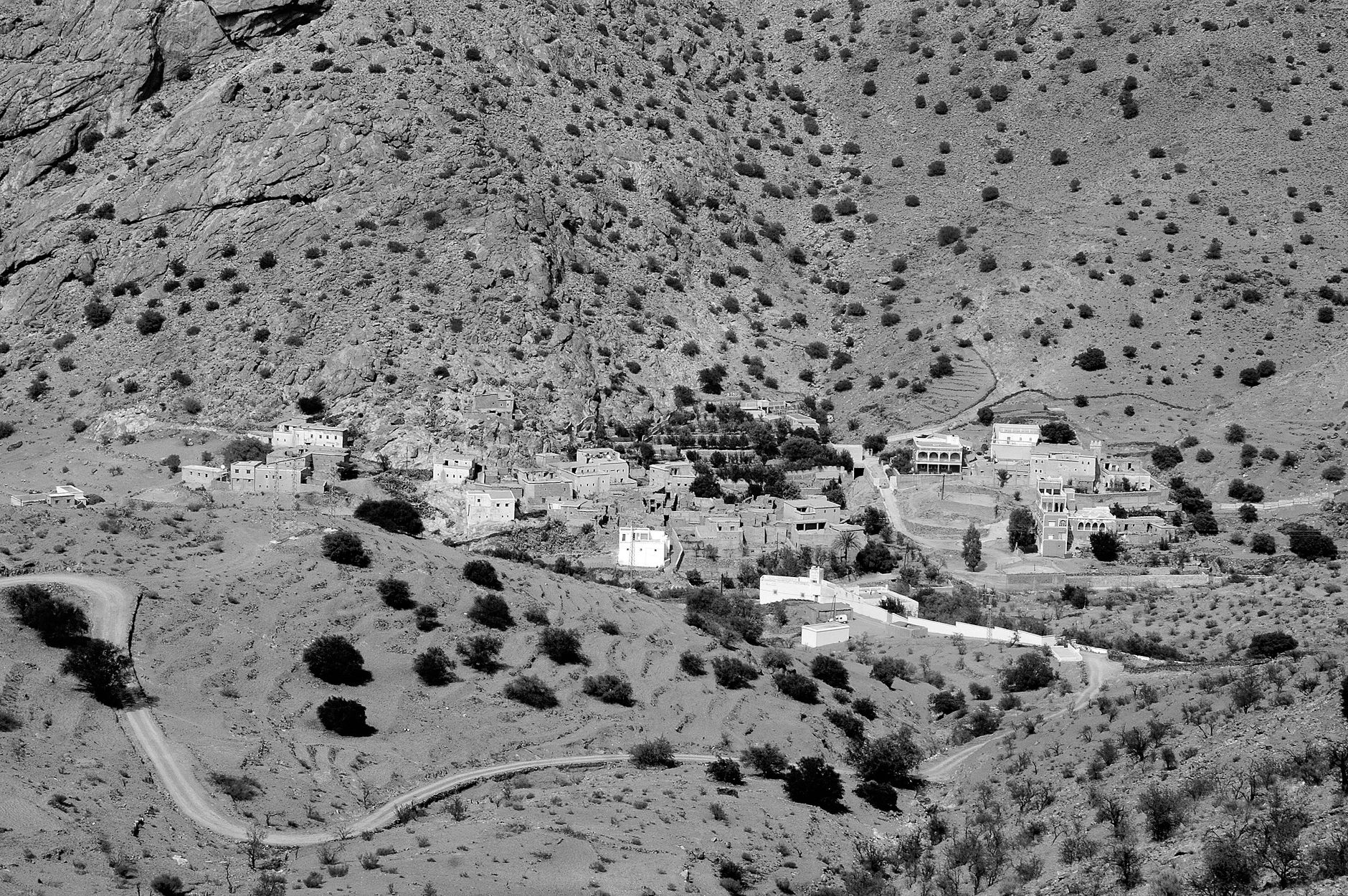
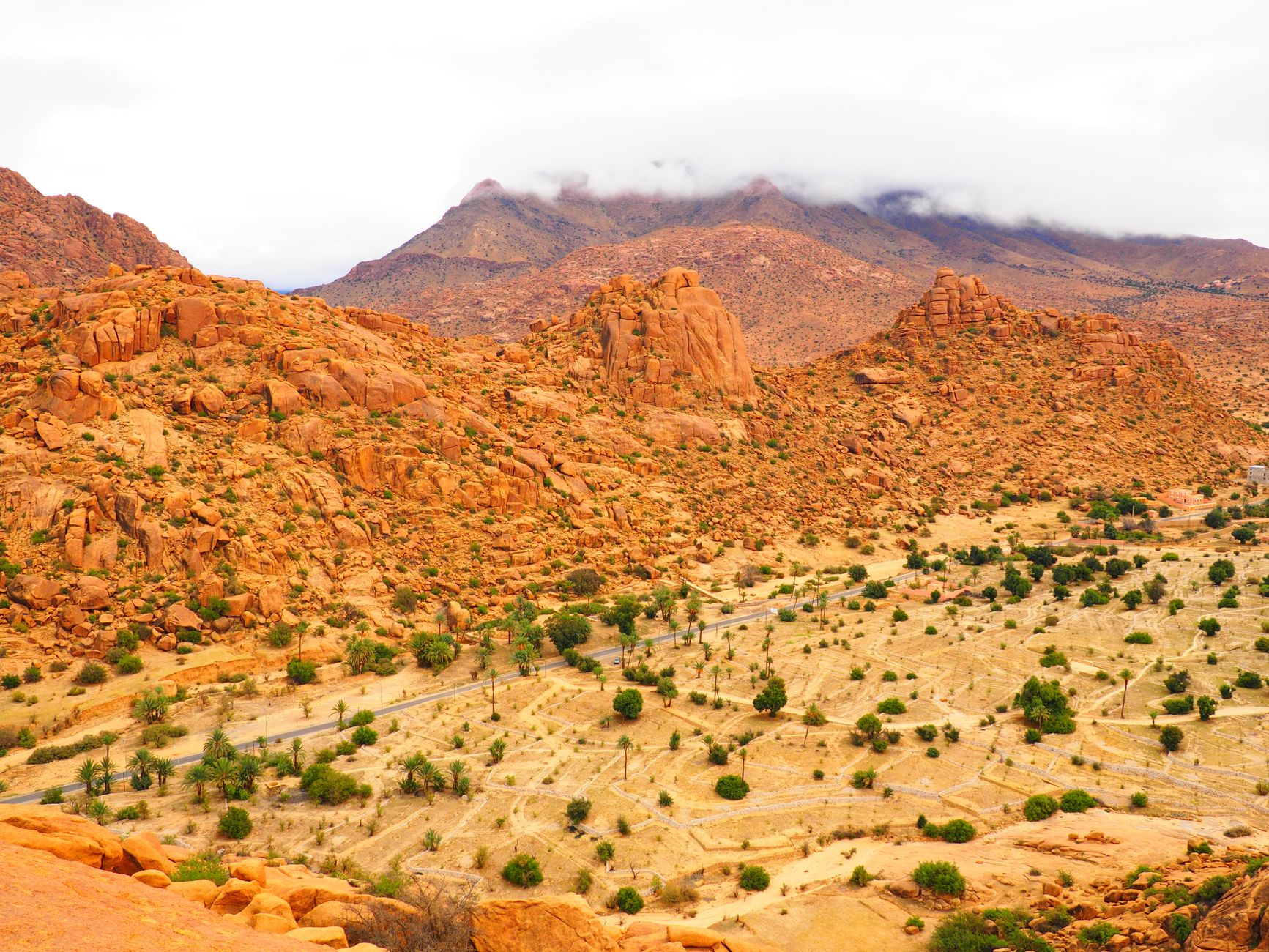
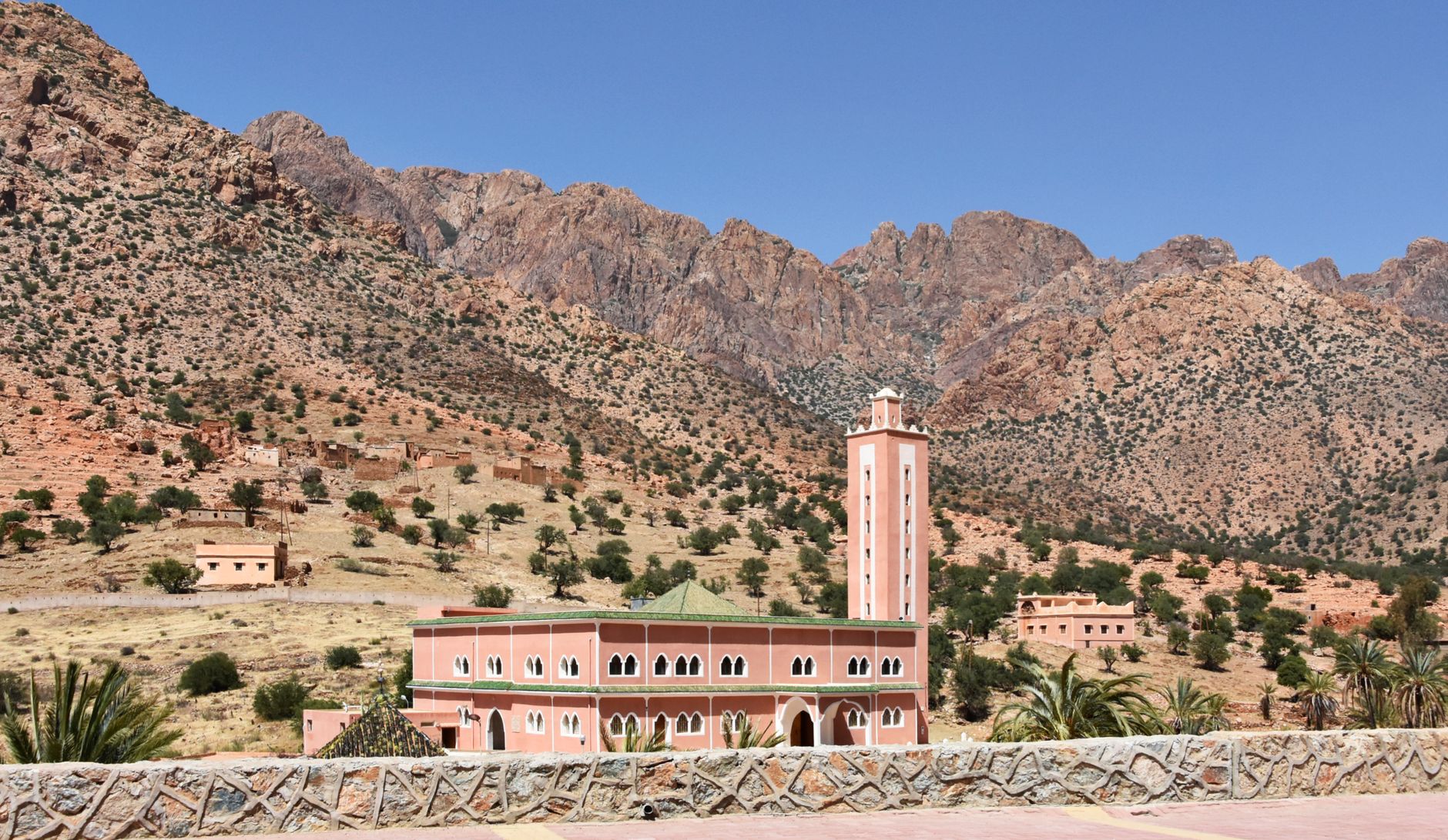
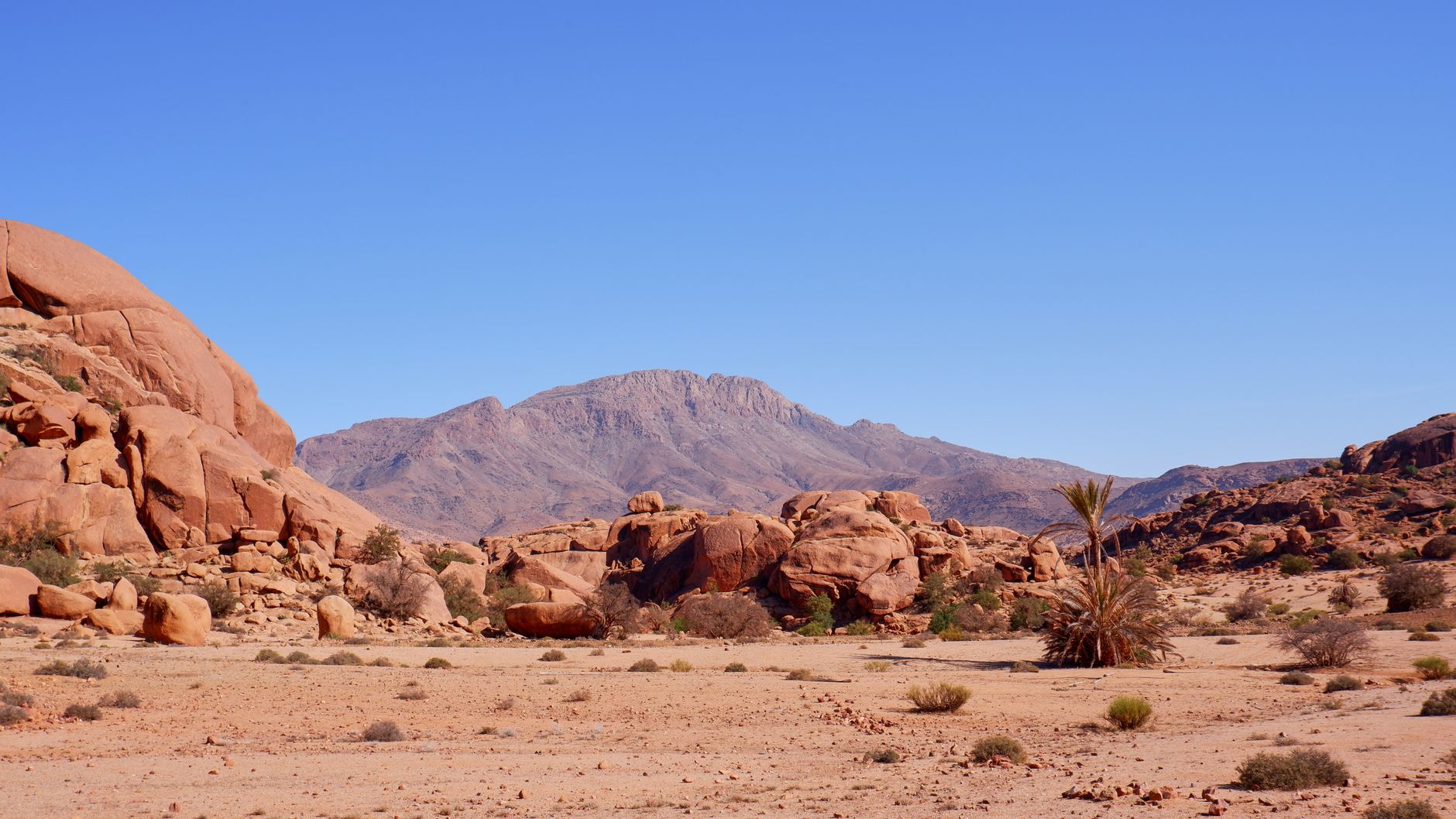
Tafraoute sits in the Anti-Atlas mountains, roughly three hours southeast of Agadir via the winding R105 through the Ait Baha gorges. The town is known for its weathered pink granite boulders and the fertile Ameln Valley, home to traditional Amazigh villages and ancient almond groves. Tafraoute is worth visiting if you want unhurried mountain walks, fresh amlou paste, and quiet village architecture away from coastal resorts. Look elsewhere if you want late-night bars, sandy beaches, or rapid rail connections.
Last updated 6 Nov 2026
Build a Tafraoute itinerary.
Choose up to 4 threads that pull you in. Your plan arrives organised around them.
The Bed
Where to stay in Tafraoute
Which part of town to book, and what each one costs you in walking, noise or quiet.
The Comparison
Tafraoute, or somewhere near it
The places you are realistically choosing between, and the honest case for each.
The Local Record
Where to read more about Tafraoute
The blogs, boards, guides and operators worth bookmarking.
What to do in Tafraoute Souss-Massa Morocco
Tafraoute is a compact market hub ringed by towering pink granite domes. Life here moves to the rhythm of the sun: morning walks through the valley, an unhurried tagine lunch at a shaded terrace, and an afternoon stroll when the rock faces turn deep ochre. It suits independent walkers, cyclists, and travellers who appreciate rugged landscapes and authentic Amazigh hospitality without resort clutter.
24 hours in Tafraoute Souss-Massa Morocco
Start with breakfast of fresh bread dipped in argan oil and amlou. Walk an hour south to the blue-painted rocks of Jean Vérame before midday heat sets in. Spend your afternoon browsing the babouche workshops in town, then climb the hill above Tazka before sunset for wide mountain views, finishing with a lamb tagine. Select 1 Day above to see it.
2 days in Tafraoute Souss-Massa Morocco
Dedicate your second day to the Ameln Valley, five kilometres north. Visit the traditional Amazigh house in Oumesnat, walk the irrigation paths between walnut and almond groves, and share mint tea with local villagers. Dine on tender stewed goat and wood-fired bread at a roadside cafe along the R104. Choose 2 Days to expand the plan.
3 days in Tafraoute Souss-Massa Morocco
A third day allows the 30-kilometre excursion south to the Ait Mansour Gorge. Rent a car or hire a grand taxi to navigate the winding canyon road down to the lush palm oasis. Walk under the date palms alongside the cool stream bed, packing local almonds and dates for a quiet picnic by the river.
Tafraoute Souss-Massa Morocco itineraries by interest
Hiking in Tafraoute Souss-Massa Morocco
Climb the quartz ridge of Jbel Lekst or walk between granite boulders around Aguerd Oudad to see the Napoleon's Hat rock formation.
Local Markets in Tafraoute Souss-Massa Morocco
Browse Tuesday market stalls along Avenue Hassan II for raw mountain honey, freshly ground amlou, dried almonds, and hand-stitched babouches.
Modern Art in Tafraoute Souss-Massa Morocco
Walk the dusty scrub to Jean Vérame's Les Rochers Peints, a 1984 outdoor installation of painted blue and violet granite boulders.
Traditional Architecture in Tafraoute Souss-Massa Morocco
Explore multi-storey earthen Amazigh houses and communal granaries in Oumesnat, where local guides show centuries-old grain storage rooms.
Scenic Drives in Tafraoute Souss-Massa Morocco
Drive the steep winding road through the Ait Mansour Gorge, descending into a lush green palmery framed by sheer limestone canyon walls.
Regional Cooking in Tafraoute Souss-Massa Morocco
Eat slow-cooked goat tagines with prunes and almonds at local roadside cafes, accompanied by warm wood-fired flatbread and mint tea.
Craft Traditions in Tafraoute Souss-Massa Morocco
Watch cobblers assemble thick-soled yellow and embroidered leather Berber slippers inside the small artisan workshops off the central square.
Village Life in Tafraoute Souss-Massa Morocco
Stroll the stone paths of Tazka and Aday, where pale pink houses cling directly to giant granite domes under date palms and fig trees.
Rock Formations in Tafraoute Souss-Massa Morocco
Explore wind-sculpted pink granite balancing rocks, natural stone arches, and deep canyons scattered across the Anti-Atlas basin floor.
Agricultural Heritage in Tafraoute Souss-Massa Morocco
Visit working argan oil press cooperatives run by local women and see terrace farming fed by ancient stone irrigation channels.
Cycling in Tafraoute Souss-Massa Morocco
Ride quiet paved backroads and gravel tracks across the flat basin of the Ameln Valley, threading past isolated hamlets and orchards.
Sacred Sites in Tafraoute Souss-Massa Morocco
See the whitewashed marabout shrines and small rural mosques perched against red cliffs throughout the surrounding mountain villages.